
The allure of premium travel often conjures images of plush seats, exquisite dining, and an elevated experience far removed from the cramped confines of economy. For many, the distinction between “First Class” and “Business Class” remains somewhat nebulous, a perceived step up without a clear understanding of what that truly entails. This confusion isn’t just about air travel; the principles behind these tiered offerings mirror the strategic branding and value proposition seen across various industries, from cutting-edge tech to sophisticated financial services.
Understanding the nuances between First Class and Business Class is crucial for anyone aiming to optimize their travel for productivity, comfort, and potentially, return on investment. This isn’t just about luxury; it’s about strategic choices that align with your personal brand, financial goals, and the very productivity you aim to enhance during your journey.
The Evolving Landscape of Premium Air Travel
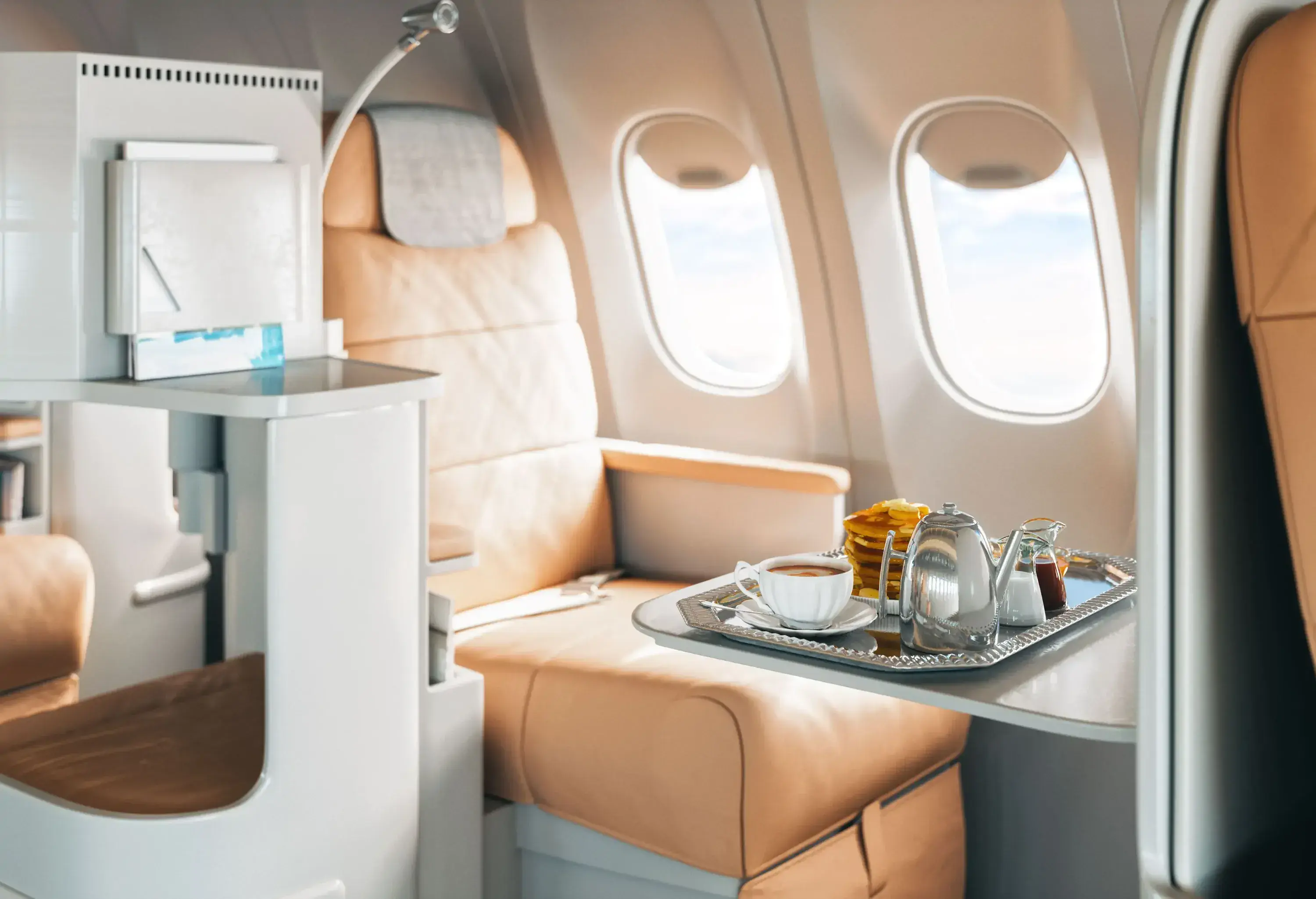
The definitions of First Class and Business Class have been in flux for years, a dynamic evolution driven by airline competition, changing passenger expectations, and the relentless pursuit of differentiation in a saturated market. Once, First Class was unequivocally the pinnacle of airline luxury, offering private suites and unparalleled service. Business Class, while significantly more comfortable than economy, was clearly a tier below.
However, the rise of “premium economy” and the enhanced offerings within Business Class itself have blurred these lines. Many airlines have even reduced or eliminated their First Class cabins altogether, focusing instead on perfecting their Business Class products, which often now rival or surpass the former First Class experience for a significant portion of travelers. This shift reflects a strategic branding decision by airlines to concentrate resources on a product with broader appeal and a more sustainable business model.
Business Class: The Productivity Powerhouse
Business Class is meticulously designed with the modern professional in mind. The primary objective is to provide a productive and comfortable environment that allows passengers to work, relax, and arrive at their destination refreshed and ready.
The Workspace Advantage: Seats and Amenities
The most visible differentiator is the seating. Business Class seats are significantly wider and offer more legroom than economy. Crucially, they often convert into fully lie-flat beds, a game-changer for long-haul flights. This allows professionals to sleep soundly, combating jet lag and arriving more alert.
Beyond the seat itself, Business Class cabins are equipped with:
- Ample Power Outlets and USB Ports: Essential for keeping laptops, tablets, and phones charged throughout the flight. This speaks directly to the “Productivity” aspect of our website’s core topics, ensuring you can maximize your time.
- Generous Tray Tables: Sturdy and spacious enough to accommodate a full laptop, documents, and meals, transforming your seat into a mobile office.
- Personal Entertainment Systems: Larger screens with a wider selection of movies, TV shows, music, and games to aid relaxation or provide a distraction.
- Noise-Canceling Headphones: A vital tool for concentration, allowing you to block out cabin noise and focus on your work or sleep.
- Amenity Kits: Often containing high-quality toiletries, eye masks, earplugs, and socks, enhancing comfort and personal hygiene.
The design and layout of Business Class cabins also prioritize a sense of personal space and privacy. While not entirely enclosed suites like some legacy First Class offerings, modern Business Class seats often feature staggered layouts or shell designs that offer a degree of separation from other passengers. This attention to detail in the cabin environment is a testament to the strategic branding efforts of airlines, aiming to position Business Class as the optimal choice for discerning travelers.
The Culinary and Service Experience
Business Class dining has moved far beyond the standard airline meal. Expect multi-course gourmet meals curated by renowned chefs, often featuring regional specialties. The quality of ingredients and presentation aims to rival that of upscale restaurants.
- Fine Dining Options: Menus are typically à la carte, with a choice of appetizers, main courses, and desserts.
- Premium Beverage Selection: A selection of fine wines, champagnes, spirits, and non-alcoholic beverages are offered.
- Dedicated Cabin Crew: A higher crew-to-passenger ratio ensures more attentive and personalized service. Crew members are trained to anticipate needs and provide efficient assistance.
This elevated service is not just about pampering; it’s about creating an environment conducive to productivity and well-being. A well-catered meal can be a welcome break from work, and attentive service ensures minimal disruption.
The Strategic Advantage for Business Travelers
For the business traveler, the benefits of Business Class extend beyond immediate comfort:
- Maximized Productivity: The ability to work effectively during the flight significantly reduces the need to extend work hours upon arrival, especially for those with tight schedules.
- Reduced Jet Lag: Lie-flat seats and better sleep quality are crucial for combating the effects of time zone changes, allowing for immediate engagement upon reaching the destination.
- Enhanced Client Perception: Arriving at a business meeting well-rested and composed can create a more positive impression than appearing fatigued. This ties into the concept of “Personal Branding,” where your presentation matters.
- Efficient Use of Travel Time: What would otherwise be “lost” time becomes productive time, contributing to overall efficiency and potentially boosting “Online Income” or the success of “Side Hustles” by freeing up subsequent time.
First Class: The Pinnacle of Luxury and Exclusivity
While Business Class has become increasingly sophisticated, First Class, where it still exists, represents the ultimate indulgence. It’s less about pure productivity and more about an unparalleled, exclusive, and often highly personalized experience that transcends the functional.
The Sanctuary of Space and Privacy
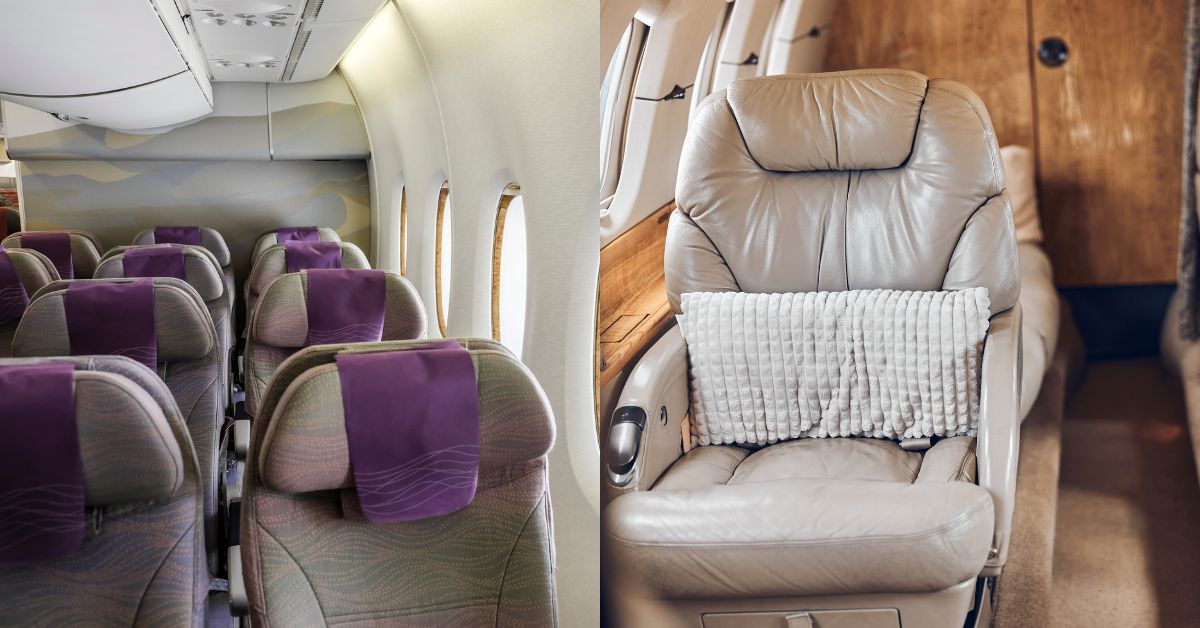
First Class cabins are a realm of supreme comfort and privacy. The distinguishing feature is often the spaciousness and the creation of private suites.
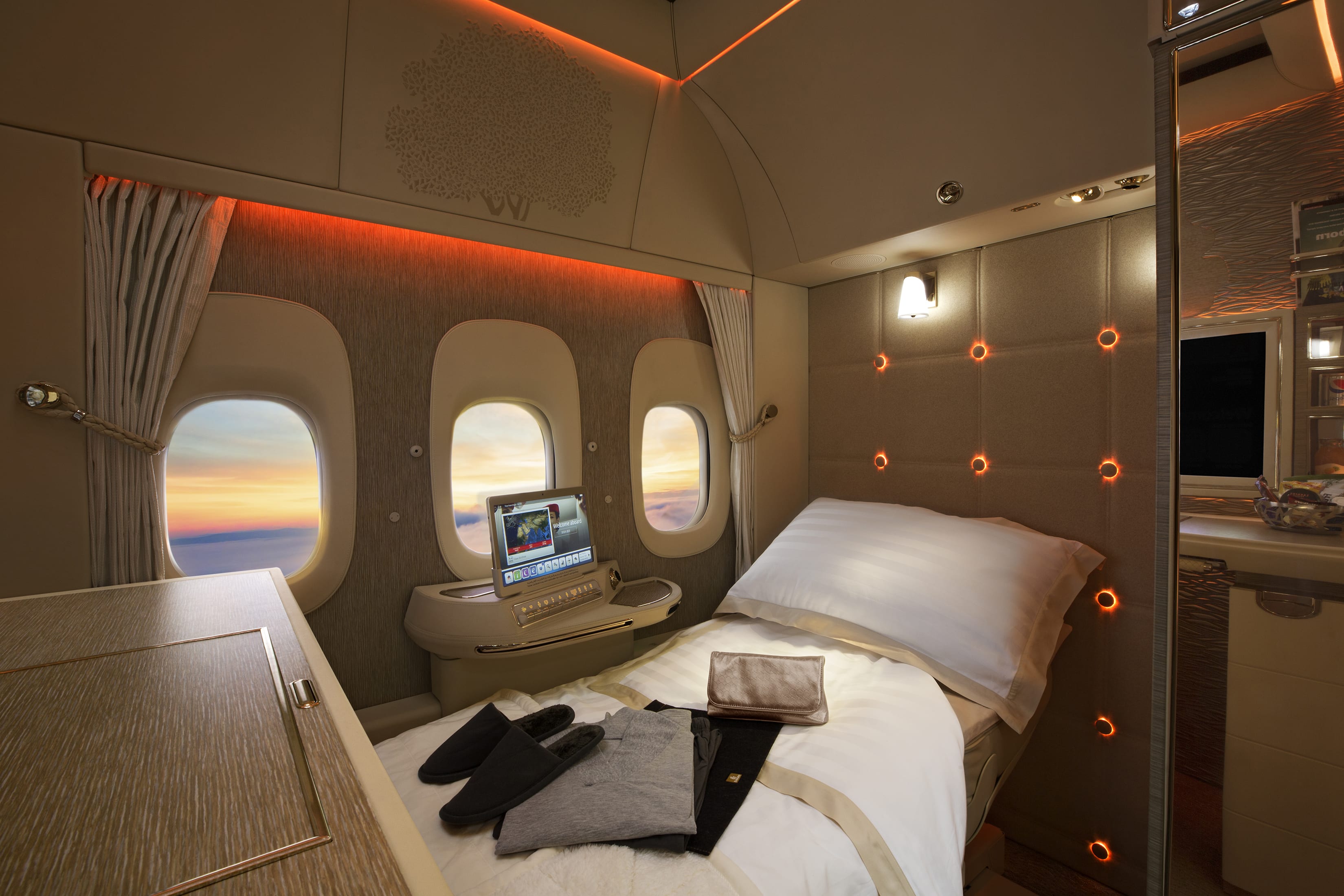
- Private Suites: Many First Class offerings feature fully enclosed suites with doors, providing complete privacy. These suites often include a comfortable seat that converts into a lie-flat bed, sometimes even a separate bed.
- Luxurious Materials and Design: Expect high-end finishes, premium upholstery, and meticulously designed interiors that exude sophistication and exclusivity.
- Personalized Lighting and Climate Control: Passengers often have control over their immediate environment, including lighting ambiance and cabin temperature.
- Premium Amenity Kits: These are often collaborations with luxury brands, featuring high-end skincare, fragrances, and designer accessories.
The emphasis here is on creating a serene and exclusive environment, far removed from the general cabin. This is a direct manifestation of “Corporate Identity” and “Brand” strategy, where the airline aims to project an image of utmost luxury and distinction.
An Uncompromising Culinary and Service Standard
The culinary experience in First Class is elevated to an art form.
- Michelin-Starred Dining: Menus are often developed in collaboration with world-renowned chefs, offering bespoke dining experiences.
- Exquisite Wine Cellars: Access to rare vintages and an extensive selection of premium wines and spirits.
- Dedicated On-Demand Service: Passengers are attended to by dedicated flight attendants, with service often available at any time, not just during designated meal times.
- Bespoke Services: This can include anything from turndown service for the bed to personal styling advice or assistance with on-board work.
The “Brand” Statement of First Class
For the passenger, flying First Class is often a statement. It’s about experiencing the very best, a reward for significant achievement, or a way to impress clients and partners. While productivity might be a secondary benefit, the primary driver is often the desire for unparalleled comfort, service, and exclusivity.
- The Ultimate Travel Experience: It’s about indulging in the highest level of comfort and luxury that air travel can offer.
- A Symbol of Status: For some, it’s an outward symbol of success and achievement, aligning with aspects of “Personal Branding.”
- Unrivaled Relaxation: The focus is on complete relaxation and pampering, allowing passengers to disconnect and be fully catered to.
Key Differentiators: A Comparative Glance
When dissecting the differences, consider these core aspects:
| Feature | Business Class | First Class |
|---|---|---|
| Seating | Lie-flat beds, ample space, significant recline. | Private suites, lie-flat beds, often separate bed. |
| Privacy | Good personal space, staggered layouts. | Complete privacy with doors, dedicated suites. |
| Dining | Gourmet multi-course meals, à la carte. | Bespoke dining, Michelin-starred quality, rare vintages. |
| Service | Attentive, higher crew ratio. | Highly personalized, on-demand, dedicated attendants. |
| Amenities | High-quality toiletries, noise-canceling headphones. | Luxury brand collaborations, premium skincare. |
| Primary Focus | Productivity, comfort, efficient travel. | Ultimate luxury, exclusivity, unparalleled pampering. |
| Target Audience | Business professionals, discerning travelers. | Ultra-high-net-worth individuals, those seeking ultimate luxury. |
Financial Considerations and Strategic Choices
From a “Money” perspective, the cost difference between Business Class and First Class is substantial. First Class tickets can be multiples of Business Class fares, and significantly higher than premium economy or economy.
Business Class: For many professionals, the added cost of Business Class is justifiable when considering the productivity gains, reduced jet lag, and improved ability to perform upon arrival. The “Return on Investment” can be measured in terms of completed work, successful meetings, and overall career advancement. It’s a strategic investment in efficiency.
First Class: The financial justification for First Class is often less about direct ROI and more about personal preference, exclusive experiences, or as a significant “Brand” statement. It’s a premium product for those who prioritize ultimate luxury and are willing to allocate significant “Personal Finance” resources to achieve it. From a “Business Finance” perspective, it might be considered for extremely high-value clients or as a rare, exceptional perk.
Conclusion: Making the Right Choice for Your Journey
The difference between First Class and Business Class boils down to the fundamental purpose of the travel.
If your priority is to maximize productivity, remain alert, and work efficiently during your journey, Business Class offers an exceptional and increasingly sophisticated solution. It’s the smart choice for the modern professional who understands that their travel time is a valuable asset.
If your goal is the ultimate in pampering, exclusivity, and a truly indulgent travel experience, First Class remains the undisputed pinnacle, offering a sanctuary of luxury and personalized attention.
Ultimately, the decision depends on your individual needs, budget, and the specific objectives of your trip. By understanding the distinct value propositions of each, you can make an informed choice that aligns with your “Brand,” your financial strategy, and your desire for a truly optimized travel experience.
aViewFromTheCave is a participant in the Amazon Services LLC Associates Program, an affiliate advertising program designed to provide a means for sites to earn advertising fees by advertising and linking to Amazon.com. Amazon, the Amazon logo, AmazonSupply, and the AmazonSupply logo are trademarks of Amazon.com, Inc. or its affiliates. As an Amazon Associate we earn affiliate commissions from qualifying purchases.