
Des Moines, the thriving capital of Iowa, represents more than just a geographic location; it embodies a meticulously cultivated brand identity. In an increasingly competitive landscape where cities vie for talent, investment, and tourism, the physical manifestations of a city – “what to see” – become critical elements in its corporate identity and marketing strategy. This article delves beyond the surface of typical tourism, examining how Des Moines’ key attractions and public spaces are strategically leveraged as brand assets, shaping perceptions, and communicating the city’s unique value proposition. We will explore how these visible elements coalesce to define Des Moines’ brand as a hub of culture, livability, historical significance, and future-forward progress.

The Cultural Canvas: Branding Des Moines as a Hub of Arts and Innovation
A city’s cultural institutions are often the most potent visual and experiential anchors of its brand. For Des Moines, a concerted effort to invest in and promote its artistic landscape has significantly elevated its brand profile from a regional capital to a recognized cultural destination.
The Des Moines Art Center: A Statement of Sophistication
The Des Moines Art Center is more than just a museum; it is a foundational pillar of the city’s sophisticated cultural brand. Its three distinct architectural wings, designed by world-renowned architects Eliel Saarinen, I. M. Pei, and Richard Meier, are themselves works of art that speak volumes about Des Moines’ commitment to design and aesthetic excellence. The collection, spanning 19th-century to contemporary art, positions the city as a serious contender in the national art scene. From a branding perspective, the Art Center communicates an image of intellectual curiosity, forward-thinking patronage, and a high quality of life that extends beyond mere commerce.
Its marketing of free admission, a strategic choice, reinforces a brand value of accessibility and community engagement, challenging the stereotype that high art is elitist. This approach broadens its appeal, making it a democratized cultural asset that enriches the lives of all residents and visitors. For companies considering relocation or individuals contemplating a move, the presence of such a prestigious, yet accessible, institution signals a vibrant, well-rounded urban environment. It’s a powerful visual cue in the larger narrative of Des Moines as a progressive and culturally rich metropolitan area.
Pappajohn Sculpture Park: Public Art as Urban Identity
The John and Mary Pappajohn Sculpture Park exemplifies the power of public art in creating a distinctive urban identity and enhancing a city’s brand. Strategically located within downtown Des Moines, this expansive outdoor gallery features works by 21 of the world’s most celebrated artists. It transforms an urban green space into an open-air museum, instantly elevating the city’s image as modern, artistic, and accessible. The park serves as a highly visible, instantly recognizable landmark that reinforces Des Moines’ commitment to creativity and innovation.
As a brand asset, the Sculpture Park offers unparalleled visual marketing opportunities. Its iconic sculptures frequently appear in promotional materials for the city, serving as shorthand for Des Moines’ modern aspirations. It’s a prime example of placemaking—the deliberate design of public spaces to foster a stronger connection between people and places. By creating an engaging, aesthetically pleasing environment, the park attracts both creative talent and tourism, contributing directly to Des Moines’ brand as an exciting, dynamic, and forward-thinking urban center. It signals that Des Moines values beauty, imagination, and the public’s engagement with art in their daily lives.
Civic Center of Greater Des Moines: Elevating the Entertainment Brand
The Civic Center of Greater Des Moines plays a crucial role in branding the city as a regional entertainment hub. As the premier venue for performing arts, it hosts everything from Broadway productions and national touring acts to local orchestral performances and community events. This diverse programming portfolio demonstrates Des Moines’ capacity to deliver a wide array of cultural experiences, attracting audiences from across Iowa and surrounding states.
From a brand strategy perspective, the Civic Center positions Des Moines as a sophisticated destination for quality entertainment. It signals a vibrant nightlife and a strong arts infrastructure, which are key components of a city’s “liveability” brand. For businesses looking to attract and retain employees, the availability of high-caliber entertainment options is a significant perk. The consistent presentation of top-tier shows and events reinforces a brand image of quality, professionalism, and a lively urban pulse, making Des Moines an attractive proposition for both residents and visitors seeking enriching experiences.
Green Spaces and Community: Building a Brand of Livability and Connection
Beyond cultural institutions, a city’s green spaces and public infrastructure are fundamental to its brand of livability, well-being, and community connectivity. Des Moines has strategically invested in these areas to enhance its corporate identity as a healthy, engaged, and family-friendly city.
Greater Des Moines Botanical Garden: A Natural Oasis as a Brand Asset
The Greater Des Moines Botanical Garden serves as a potent brand asset, articulating the city’s commitment to natural beauty, environmental stewardship, and community well-being. This lush oasis, with its iconic geodesic dome, provides a year-round escape and a vibrant educational resource. Its carefully curated collections and tranquil settings contribute significantly to Des Moines’ ‘quality of life’ brand.
From a marketing standpoint, the Botanical Garden is promoted as a peaceful retreat, a family-friendly attraction, and a beautiful venue for events. This reinforces the brand message that Des Moines offers not just urban amenities, but also opportunities for relaxation, nature connection, and community gathering. For prospective residents, a city with well-maintained and accessible green spaces like the Botanical Garden signals a commitment to a balanced lifestyle, making Des Moines an appealing choice for those prioritizing health, family, and a connection to nature. It strengthens the perception of Des Moines as a verdant and inviting urban environment.
Principal Riverwalk: Designing for Active Urban Lifestyles
The Principal Riverwalk is a prime example of urban design serving as a powerful brand amplifier. This expansive network of pedestrian and bike trails, bridges, and public art along the Des Moines River has transformed the city’s core. It’s not just infrastructure; it’s a living testament to Des Moines’ brand as an active, healthy, and pedestrian-friendly city.
The design of the Riverwalk explicitly markets Des Moines as a place where recreation and urban living seamlessly intersect. Its connectivity encourages an active lifestyle, attracting residents who value fitness and outdoor activities. For businesses, the Riverwalk is a selling point for employees seeking work-life balance and vibrant urban amenities. It speaks to a modern urban identity that prioritizes walkability, sustainability, and community interaction. The investment in such a comprehensive and aesthetically pleasing urban pathway system underscores Des Moines’ forward-looking brand strategy, positioning it as a city that innovates in urban planning to enhance resident well-being and attractiveness.
Gray’s Lake Park: Recreation and Community Brand Pillars
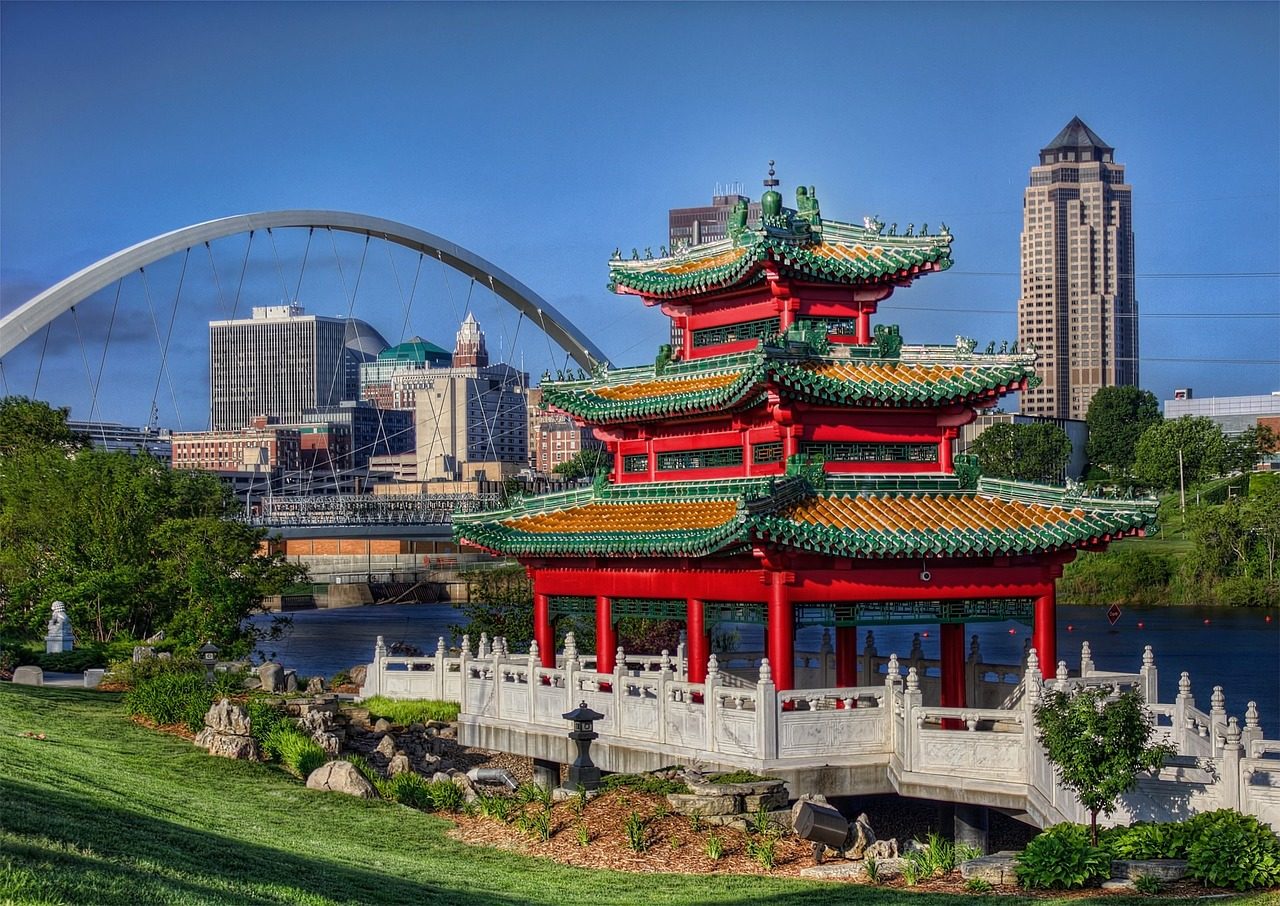
Gray’s Lake Park is a cornerstone of Des Moines’ brand as a city that fosters outdoor recreation and strong community bonds. With its vibrant multi-use trail, beach, and water activities, it provides a central hub for leisure and social interaction. This park doesn’t just offer amenities; it embodies the city’s commitment to providing accessible, high-quality public spaces for all.
As a brand pillar, Gray’s Lake Park reinforces Des Moines’ image as an ideal place for families and individuals seeking an active, community-oriented lifestyle. Its iconic lighted bridge, a visual beacon, often features in promotional materials, symbolizing connectivity and vibrancy. The park’s ability to host diverse community events, from charity runs to cultural festivals, further strengthens the city’s brand as a cohesive and engaging community. It’s a critical component in projecting an image of a city that values communal well-being and provides ample opportunities for recreation and social interaction, which are key drivers for resident satisfaction and external perception.
Historical Narratives and Economic Vibrancy: Branding Des Moines’ Heritage and Future
A city’s brand is also deeply intertwined with its history and economic dynamism. Des Moines skillfully blends its rich heritage with modern development to create a compelling narrative for its corporate identity.
Iowa State Capitol Building: A Symbol of Governance and Stability
The Iowa State Capitol Building is more than a seat of government; it’s a profound visual anchor for Des Moines’ brand, projecting stability, history, and civic pride. Its magnificent dome, famously adorned with 23-karat gold, is an unmistakable landmark that signifies the city’s role as a powerful governmental and administrative center. The building’s ornate architecture and historical significance lend an air of gravitas and enduring tradition to the city’s identity.
From a branding perspective, the Capitol communicates trust, longevity, and democratic values. It anchors Des Moines’ brand in its historical roots while simultaneously highlighting its ongoing importance as a center of policy and commerce. For businesses and individuals seeking a stable environment, the visible presence of such a grand and functional governmental structure offers reassurance. It’s a powerful symbol of order and continuity, contributing to a brand image of a reliable and well-governed city. Its prominence in the skyline serves as a constant reminder of Des Moines’ foundational role in the state’s governance and economy.
East Village: Boutique Retail and Heritage as a Lifestyle Brand
The East Village district is a vibrant testament to Des Moines’ ability to blend historical charm with contemporary appeal, cultivating a compelling lifestyle brand. This revitalized historic neighborhood, characterized by its distinctive architecture, independent boutiques, art galleries, and diverse eateries, projects an image of sophistication, creativity, and economic dynamism.
The branding strategy of the East Village leverages its unique heritage to attract a demographic that values authenticity, local entrepreneurship, and a vibrant urban experience. It communicates a brand message of discovery and individuality, distinguishing Des Moines from more homogenous urban centers. For prospective residents, especially younger professionals and creative industries, the East Village offers a compelling narrative of a city that nurtures local businesses and provides a distinctive, engaging urban fabric. It’s a visible indicator of Des Moines’ forward-thinking urban planning that celebrates its past while building a chic and economically robust future.
Historic Court Avenue District: Blending Past and Present for a Nightlife Brand
The Historic Court Avenue District masterfully blends architectural heritage with a lively modern entertainment scene, defining a distinct nightlife brand for Des Moines. By preserving its historic buildings while fostering a dense concentration of restaurants, bars, and entertainment venues, the district creates a unique atmosphere that attracts both residents and visitors seeking dynamic urban experiences after hours.
This area’s brand strategy hinges on creating a sense of place that is both authentic and exciting. It projects an image of a city that knows how to balance work with leisure, offering sophisticated dining and vibrant social opportunities. The historical backdrop adds character and depth to the nightlife experience, differentiating it from generic entertainment zones. For talent attraction and tourism, the Court Avenue District reinforces Des Moines’ brand as a lively, engaging city with a diverse social scene, contributing to its overall appeal as a place where people can thrive both professionally and personally.
Beyond Tourism: The Strategic Role of “Sights” in Des Moines’ Corporate Identity
The “sights” of Des Moines are far more than tourist attractions; they are integral components of a sophisticated place branding strategy designed to achieve specific corporate identity objectives.
Attracting Talent and Investment through Place Branding
Every sculpture, park, and historical building in Des Moines is a deliberate piece of its economic development puzzle. These visible assets are leveraged in marketing campaigns targeting corporations, skilled workers, and new residents. By showcasing a rich cultural scene, robust green infrastructure, and vibrant urban districts, Des Moines sells itself as a desirable place to live, work, and do business. The quality and accessibility of “what to see” directly influence perceptions of the city’s overall quality of life, its workforce potential, and its innovation ecosystem—all critical factors for attracting capital and human resources. This is pure brand strategy in action, where physical spaces communicate economic opportunity.
Fostering Local Pride and Engagement
Beyond external appeal, these sights play a crucial role in Des Moines’ internal brand. They foster a strong sense of belonging, pride, and community among its residents. When citizens are proud of their city’s cultural institutions, beautiful parks, and thriving districts, they become authentic brand ambassadors. This internal buy-in strengthens the city’s collective identity and contributes to a positive, self-reinforcing brand narrative that is genuine and resilient. The engagement generated by these visible assets translates into a more stable and enthusiastic population, which is itself an invaluable brand asset.
Measuring Brand Impact: From Foot Traffic to Economic Contribution
The success of these “sights” is not solely measured by visitor numbers or social media engagement, but by their measurable contribution to Des Moines’ overall brand equity and economic growth. This includes increased property values in revitalized areas, tax revenues generated by businesses in vibrant districts, and the economic ripple effect of attracting conventions, events, and new residents. The strategic investment in these physical brand assets yields tangible returns, demonstrating that place branding, when executed thoughtfully, is a powerful tool for urban development and sustained prosperity.
Conclusion
“What to see in Des Moines” is a deeply strategic question, revealing not just a list of attractions, but a meticulously constructed corporate identity. Each park, museum, historic district, and public artwork serves as a deliberate communication tool in the city’s brand strategy. They are designed and marketed to shape perception, attract investment, foster civic pride, and ultimately define Des Moines as a forward-thinking, culturally rich, and highly livable urban center. Through these visible assets, Des Moines effectively communicates its unique brand narrative, ensuring that what you “see” aligns perfectly with what the city aspires “to be seen as.”
aViewFromTheCave is a participant in the Amazon Services LLC Associates Program, an affiliate advertising program designed to provide a means for sites to earn advertising fees by advertising and linking to Amazon.com. Amazon, the Amazon logo, AmazonSupply, and the AmazonSupply logo are trademarks of Amazon.com, Inc. or its affiliates. As an Amazon Associate we earn affiliate commissions from qualifying purchases.