
In the world of place branding, few entities command as much visceral recognition as New Orleans. While a casual observer might view the city through the lens of tourism, a brand strategist sees something far more complex: a masterclass in cultural equity, sensory marketing, and historical narrative. To ask “what is it to do in New Orleans” is to engage with one of the most successful examples of organic brand development in the modern era.
The city does not merely provide services or attractions; it offers an immersive brand experience that competes with global giants like Paris, Tokyo, and New York. By examining the city’s ability to maintain a distinct corporate identity amidst a sea of homogenized American urbanism, we can extract vital lessons for brand builders, marketers, and executive leaders.
The Alchemy of Experience: How New Orleans Masters Sensory Branding
The primary “product” of New Orleans is its atmosphere—a term often used by tourists but understood by designers as “sensory branding.” Most modern brands struggle to engage more than two senses (sight and sound), yet New Orleans leverages a five-sense approach that creates deep, neurological associations with its name.
The Sonic Identity of the Crescent City
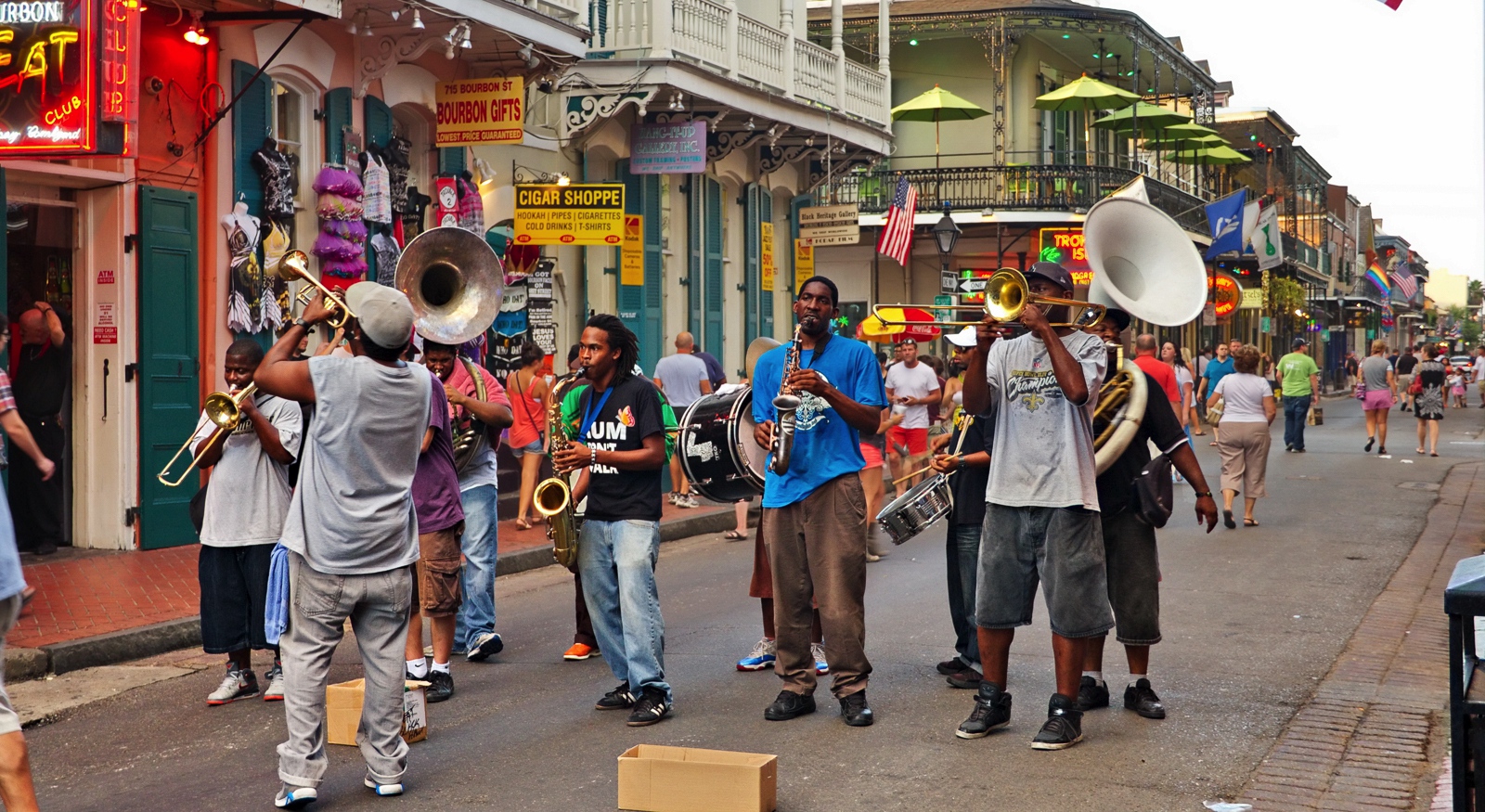
From a brand perspective, the “soundtrack” of New Orleans is not incidental; it is a core asset. Unlike many cities that treat street music as a nuisance, New Orleans integrates it into its visual and auditory identity. The omnipresence of brass bands and jazz clubs functions as a high-fidelity audio logo. For businesses, this illustrates the importance of “sonic branding”—the use of sound to reinforce brand recognition. When a consumer hears a trumpet flare or a second-line beat, the brand of New Orleans is instantly recalled, demonstrating how consistent auditory cues can build long-term memory structures in a target audience.
Visual Consistency and Architectural Preservation
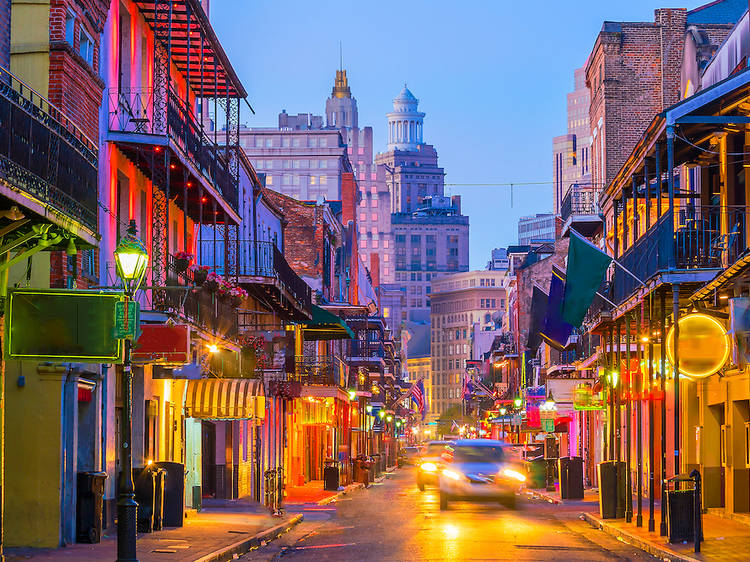
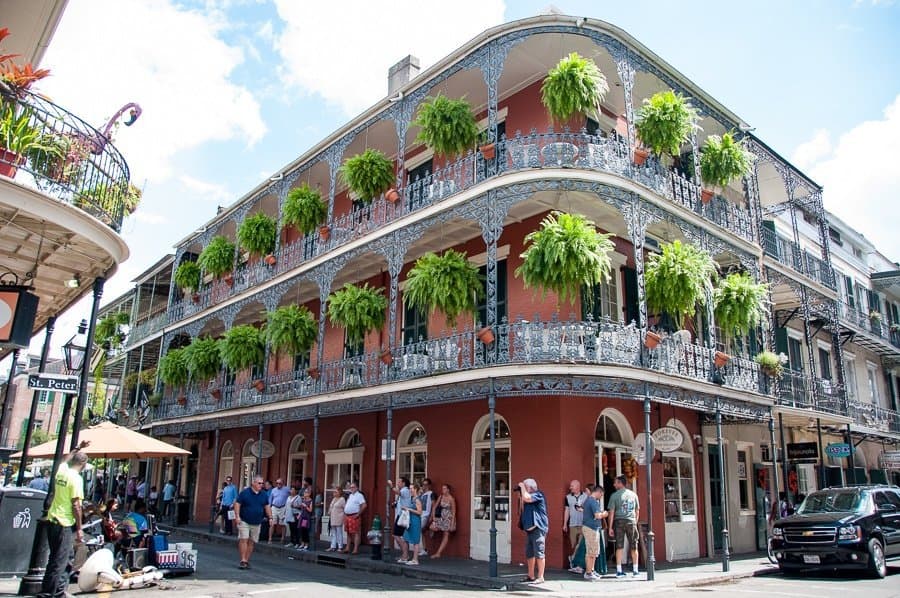
The city’s aesthetic—characterized by wrought-iron balconies, pastel-colored Creole cottages, and gas-lit street lamps—serves as its visual brand guidelines. New Orleans has mastered the art of “Visual Brand Language” (VBL). By strictly preserving its historical facade, the city ensures that every photograph shared on social media acts as a high-quality brand touchpoint. There is no confusion about where a photo was taken. For corporate brands, this highlights the necessity of visual consistency. When a brand’s visual identity is diluted by trend-chasing or inconsistent application, it loses its power. New Orleans proves that sticking to a core aesthetic, even when it feels “outdated” by modern standards, creates a premium, timeless appeal.
Authenticity as a Competitive Advantage
In a global marketplace saturated with synthetic experiences and AI-generated content, “authenticity” has become the ultimate luxury good. New Orleans’ brand is built on a foundation of perceived and actual authenticity that few other locations can replicate. This is its primary competitive advantage.
The “Lagniappe” Principle in Customer Relations
One of the most effective branding tools born in New Orleans is the concept of lagniappe—a small gift given to a customer by a merchant at the time of a purchase. In modern marketing terms, this is the “surprise and delight” strategy. By providing more than what was promised, the city’s merchants and service providers build intense brand loyalty. This principle is a cornerstone of relationship marketing; it transforms a simple transaction into a memorable experience, increasing the Customer Lifetime Value (CLV) through emotional resonance rather than just utility.
Navigating the Tension Between Tradition and Commercialization
Every successful brand eventually faces the “sell-out” risk. New Orleans constantly navigates the tension between its grassroots cultural heritage and the commercial demands of a multi-billion-dollar tourism industry. The brand succeeds because it allows the “backstage” (the real lives of locals) to remain visible. Brand managers can learn from this: transparency and the inclusion of the human element behind the brand can prevent the “plastic” feel that often plagues large corporations. When consumers feel they are seeing the “real” version of a brand, their trust—and their willingness to pay a premium—increases exponentially.
Leveraging New Orleans’ Brand Equity for Modern Business
The “New Orleans” brand is so powerful that it acts as a force multiplier for businesses operating within its ecosystem. From craft spirits to fashion and software, companies leverage the city’s brand equity to gain immediate market positioning.
Influencer Marketing and the Aesthetic of the Old World
New Orleans is one of the most “Instagrammable” cities on earth, not by accident, but by design. Its narrow streets and vibrant color palettes provide the perfect backdrop for digital storytelling. Influencers don’t just visit New Orleans; they use the city’s brand to enhance their own personal branding. This is a symbiotic relationship where the city provides the “set” and the influencers provide the “reach.” Businesses can learn to create physical spaces that encourage user-generated content, effectively turning their customers into a volunteer marketing force.
Event Branding: The Mardi Gras Blueprint
Mardi Gras is perhaps the most significant decentralized brand activation in the world. It is not owned by a single corporation, yet it follows a rigorous set of “brand rules” (colors, themes, timing). This model of decentralized branding is highly relevant in the age of Web3 and community-led growth. By creating a framework in which the “users” (the krewes and the public) are the creators of the brand experience, New Orleans has built an event that is self-sustaining and globally recognized. The lesson for brand strategists is clear: create a platform that allows your community to express themselves, and they will build your brand for you.
Rebranding Resilience: The Post-Katrina Identity Shift
The most critical chapter in New Orleans’ brand history is its recovery and evolution following Hurricane Katrina in 2005. This period required a profound exercise in crisis management and brand repositioning.
From Tragedy to Innovation Hub
Prior to 2005, the New Orleans brand was heavily weighted toward “leisure and decadence.” Following the disaster, the city had to rebrand itself as a center for resilience, entrepreneurship, and social innovation. This shift was not merely a marketing campaign; it was a fundamental change in corporate identity. The “Silicon Bayou” movement sought to attract tech talent by blending the city’s traditional cultural appeal with modern professional opportunities. This demonstrates that even the most established brands can—and must—pivot in response to existential threats.
The Sustainability of Cultural Heritage
Today, the New Orleans brand is increasingly focused on the sustainability of its core assets. Just as a corporation must reinvest in its R&D and infrastructure, New Orleans is reinvesting in the preservation of its cultural practitioners—the musicians, chefs, and artists who provide the brand’s “content.” For any brand, the lesson is that you cannot continue to harvest brand equity without planting the seeds for the next generation. A brand that ignores its source of inspiration will eventually become a hollow shell of its former self.
Conclusion: The Enduring Value of Place Branding
To understand “what is it to do in New Orleans” is to understand the intersection of history, marketing, and human emotion. New Orleans is more than a geographic location; it is a high-performing brand that has survived centuries of economic shifts, natural disasters, and cultural changes. Its ability to remain relevant in a digital-first world is a testament to the power of a well-defined brand identity.
For leaders and strategists, the city serves as a living laboratory for sensory branding, authenticity, and resilience. By studying how New Orleans maintains its unique market position, we can learn to build brands that do more than just sell—they inspire, they endure, and they become an inextricable part of the consumer’s identity. In the final analysis, New Orleans does not just “do” tourism; it “does” legendary branding.
aViewFromTheCave is a participant in the Amazon Services LLC Associates Program, an affiliate advertising program designed to provide a means for sites to earn advertising fees by advertising and linking to Amazon.com. Amazon, the Amazon logo, AmazonSupply, and the AmazonSupply logo are trademarks of Amazon.com, Inc. or its affiliates. As an Amazon Associate we earn affiliate commissions from qualifying purchases.