
Understanding the precise timing for tax filing is a cornerstone of responsible financial management. For many, “tax season” conjures images of frantic last-minute scrambles, but a clear grasp of deadlines, extensions, and special circumstances can transform this annual obligation into a streamlined, stress-free process. Knowing when to file is not merely about avoiding penalties; it’s about optimizing your financial health, planning for future obligations, and ensuring compliance with federal and state regulations. This guide delves into the nuances of tax filing dates, providing a comprehensive roadmap to navigate the calendar effectively.
Understanding the Standard Tax Season Timeline
The rhythm of the tax year is largely dictated by federal guidelines, which set the primary benchmarks for individual and business filings. Adhering to these dates is critical for maintaining good standing with tax authorities and avoiding unnecessary financial repercussions.
The Annual Deadline: April 15th
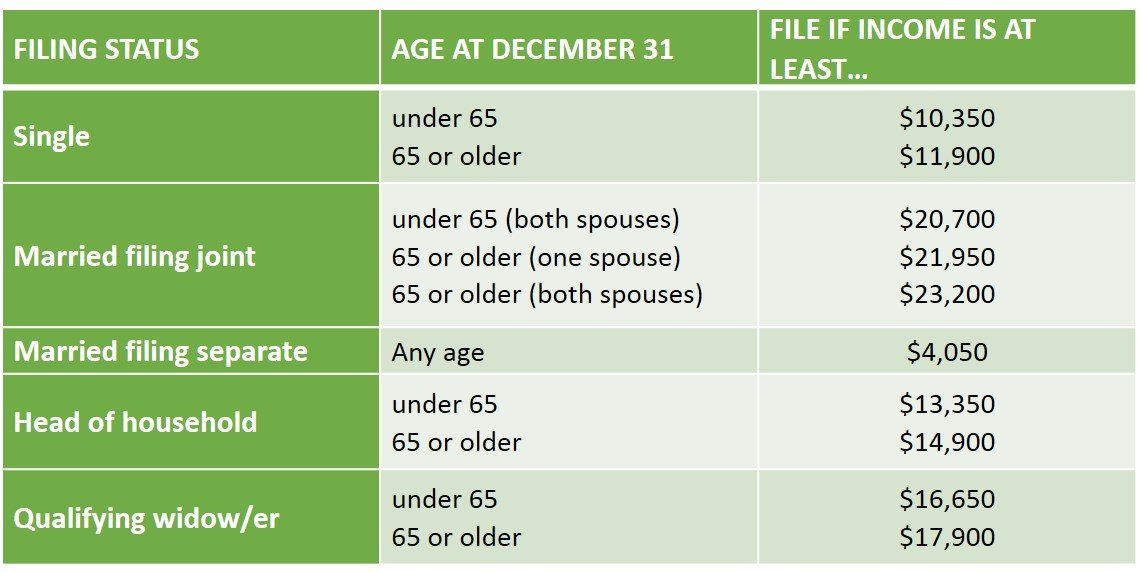
For the vast majority of individual taxpayers, the unwavering beacon of tax season is April 15th. This date marks the deadline for filing federal income tax returns (Form 1040) for the previous calendar year. For example, taxes for the 2023 tax year are due by April 15, 2024. This deadline also applies to various other federal tax forms, including the payment of any tax due. Missing this date without an extension or a valid reason can trigger penalties for failure to file and failure to pay, which can accrue significantly over time.
Weekends and Holidays: Adjustments to the Deadline
The IRS recognizes that the calendar doesn’t always align perfectly with business days. If April 15th falls on a weekend or a legal holiday, the deadline is automatically shifted to the next business day. This often occurs when Emancipation Day (a holiday observed in Washington, D.C.) falls on April 15th, pushing the federal deadline for all taxpayers. It’s crucial to verify the exact deadline each year, as minor shifts can occur, impacting your final submission date. While these adjustments offer a slight reprieve, they should not be relied upon for procrastination but rather seen as administrative flexibility.
Important Dates Beyond April 15th
While April 15th dominates the discussion, several other dates are pertinent to tax compliance. Businesses, for instance, often have different filing deadlines depending on their structure. Partnerships (Form 1065) and S Corporations (Form 1120-S) typically face a March 15th deadline. C Corporations (Form 1120) generally follow the April 15th deadline. Furthermore, certain tax forms, like those related to foreign bank and financial accounts (FBAR), may have different submission dates, sometimes extending into the fall. Staying informed about all relevant deadlines for your specific financial situation is paramount.
Common Scenarios That Affect Your Filing Date
Tax filing isn’t always a one-size-fits-all endeavor. Various circumstances can alter your standard filing date, requiring specific actions to remain compliant. Understanding these scenarios is key to navigating your tax obligations effectively.
Filing an Extension: A Lifeline, Not a Delay
One of the most common ways to adjust your filing timeline is by requesting an extension. An extension typically grants you an additional six months to file your federal income tax return, moving the deadline from April 15th to October 15th. It is critical to understand that an extension to file is not an extension to pay. If you anticipate owing taxes, those payments are still due by the original April 15th deadline. Failing to pay by this date, even with an approved extension to file, can still result in failure-to-pay penalties and interest. Extensions are a strategic tool for those who need more time to gather documents, review complex transactions, or consult with a tax professional, but they require foresight and an accurate estimate of your tax liability.
Estimated Taxes: Quarterly Obligations
For individuals who earn income not subject to withholding (e.g., self-employed individuals, independent contractors, freelancers, or those with significant investment income), paying estimated taxes quarterly is a fundamental requirement. The U.S. tax system operates on a “pay-as-you-go” principle. If you expect to owe at least $1,000 in tax for the year, you are generally required to make estimated tax payments throughout the year to cover your liability.
The quarterly deadlines are:
- April 15th: For income earned January 1 to March 31.
- June 15th: For income earned April 1 to May 31.
- September 15th: For income earned June 1 to August 31.
- January 15th of the following year: For income earned September 1 to December 31.
Missing these quarterly deadlines can result in penalties, even if you ultimately file your annual return on time and pay your full tax liability. Proper planning and accurate income projection are vital for managing estimated tax payments.
State Tax Deadlines: A Separate Consideration
While federal deadlines are nationally consistent, state tax deadlines vary significantly. Most states that levy income tax align their deadlines with the federal April 15th date, but some states have earlier or later dates. For example, some states may have deadlines in May or even later if the federal deadline falls on a weekend or holiday. Furthermore, states often have their own extension processes. It is imperative not to assume that a federal extension automatically grants a state extension. Taxpayers must research and adhere to the specific filing and payment deadlines for each state in which they have a tax obligation. This often means managing multiple timelines simultaneously, adding another layer of complexity to tax season.
Special Circumstances and Their Impact on Tax Filing
Beyond the standard rules and common scenarios, certain unique situations can significantly alter an individual’s tax filing obligations and deadlines. Awareness of these exceptions can prevent missed deadlines and ensure compliance for those in non-traditional circumstances.
Military Personnel Abroad
Members of the U.S. Armed Forces serving in a combat zone or a qualified hazardous duty area are generally granted an automatic extension to file their tax returns. This extension typically lasts for 180 days after they leave the combat zone, plus the number of days they had remaining in the tax filing period when they entered the combat zone. This provides crucial flexibility for those serving our nation, acknowledging the inherent difficulties of managing personal finances in active duty environments. Additionally, military members may qualify for other tax benefits and considerations, making it essential to understand their specific rights and deadlines.

Disaster-Affected Areas
In the wake of federally declared disasters, the IRS frequently grants tax relief to affected individuals and businesses. This relief often includes extending various tax deadlines, such as those for filing returns, paying taxes, and making estimated tax payments. The specifics of these extensions, including the affected areas and the new deadlines, are announced by the IRS following a disaster declaration. This compassionate approach aims to alleviate the burden on those recovering from severe events, allowing them to prioritize safety and rebuilding before addressing tax compliance. Taxpayers in designated disaster areas should monitor IRS announcements closely or consult the IRS website for the latest information.
Expats and US Citizens Living Abroad
U.S. citizens and resident aliens living and working outside the United States and Puerto Rico often receive an automatic two-month extension to file their federal income tax returns, pushing their deadline to June 15th. This automatic extension applies to both filing and paying any tax due. However, if they need more time, they can file Form 4868 by June 15th to request an additional four-month extension, moving the filing deadline to October 15th. Those living abroad are still subject to U.S. tax laws and must report their worldwide income, but the extended deadlines accommodate the practical challenges of international living, such as differing financial calendars and access to U.S. tax resources. They also need to be aware of foreign earned income exclusion and foreign tax credit rules.
The Benefits of Early Filing (and the Pitfalls of Delay)
While deadlines define the latest acceptable time to act, proactive engagement with tax filing often yields significant advantages. Conversely, procrastination can lead to a cascade of preventable issues.
Quicker Refunds
One of the most compelling reasons to file early is the prospect of receiving a tax refund sooner. The IRS typically issues refunds within 21 days for e-filed returns with direct deposit, assuming there are no issues. Filing early means you get your money back faster, which can be invaluable for personal budgeting, debt reduction, or investment. Delaying your filing pushes your refund further into the year, potentially impacting your financial planning.
More Time to Pay
For those who anticipate owing taxes, filing early provides a crucial advantage: more time to plan for payment. Even if you file your return in January, the payment isn’t due until April 15th. This gives you several months to save the necessary funds, adjust your budget, or explore payment options without the pressure of a looming deadline. Early filers can proactively manage their cash flow, preventing last-minute financial stress.
Avoiding Penalties and Interest
The most direct consequence of late filing or late payment is the imposition of penalties and interest. The failure-to-file penalty is generally 5% of the unpaid taxes for each month or part of a month that a tax return is late, capped at 25% of your unpaid taxes. The failure-to-pay penalty is 0.5% of the unpaid taxes for each month or part of a month that taxes remain unpaid, also capped at 25%. Interest also accrues on unpaid balances. These charges can add up quickly, significantly increasing your overall tax burden. Filing on time, or requesting a proper extension when necessary, is the simplest way to avoid these punitive costs.
Protection Against Tax Fraud
Filing your tax return early can also act as a deterrent against tax-related identity theft. When you file electronically, your Social Security number and other personal information are submitted to the IRS. If a fraudster attempts to file a fraudulent return using your identity, the IRS system will flag it as a duplicate, as your legitimate return has already been processed. While not foolproof, early filing reduces the window of opportunity for criminals to file a false return in your name and claim a fraudulent refund.
Essential Preparations for Tax Season
Regardless of when you plan to file, thorough preparation is paramount. A well-organized approach can save time, minimize stress, and improve the accuracy of your return, whether you’re filing in January or October.
Gathering Your Documents
The foundation of any accurate tax return is a complete set of financial documents. This includes, but is not limited to:
- Income Statements: W-2s from employers, 1099-NEC for independent contractors, 1099-MISC for miscellaneous income, 1099-INT for interest, 1099-DIV for dividends, 1099-B for stock sales, Schedule K-1 for partnership or S-corp income.
- Deduction and Credit Documentation: Mortgage interest statements (1098), student loan interest statements (1098-E), tuition statements (1098-T), records of charitable contributions, medical expense receipts, property tax statements, and receipts for business expenses.
- Prior Year’s Return: A copy of your previous year’s tax return serves as a valuable reference for recurring deductions, credits, and carryovers.
Organizing these documents as they arrive throughout the year, rather than scrambling at the last minute, makes the filing process significantly smoother.
Choosing Your Filing Method
Taxpayers have several options for filing their returns:
- IRS Free File: Available to taxpayers whose adjusted gross income (AGI) is below a certain threshold, offering free access to tax preparation software or fillable forms.
- Commercial Tax Software: Popular options like TurboTax, H&R Block Tax Software, and TaxAct guide users through the filing process, often integrating state tax preparation.
- Tax Professionals: Engaging a Certified Public Accountant (CPA) or Enrolled Agent (EA) is ideal for those with complex tax situations, significant income changes, or who prefer professional assurance.
The best method depends on your income, the complexity of your tax situation, and your comfort level with preparing your own taxes.

Seeking Professional Help
For many, navigating the labyrinth of tax codes and regulations can be daunting. Tax professionals offer invaluable expertise, ensuring accuracy, identifying eligible deductions and credits, and providing strategic tax planning advice. They can help with complex scenarios, such as self-employment income, investment gains and losses, real estate transactions, or international tax issues. While there’s a cost associated with professional services, the peace of mind, potential tax savings, and avoidance of errors can far outweigh the expense, making it a wise investment for optimized financial compliance.
aViewFromTheCave is a participant in the Amazon Services LLC Associates Program, an affiliate advertising program designed to provide a means for sites to earn advertising fees by advertising and linking to Amazon.com. Amazon, the Amazon logo, AmazonSupply, and the AmazonSupply logo are trademarks of Amazon.com, Inc. or its affiliates. As an Amazon Associate we earn affiliate commissions from qualifying purchases.