
In an increasingly digital world, the ability to conduct transactions and submit important documents online has become not just a convenience, but a necessity. At the heart of this digital transformation lies “efile” – a term that, while commonly associated with tax submissions, represents a far broader technological paradigm. Efile, short for electronic filing, is the process of submitting documents, data, or forms over the internet or through a dedicated electronic system, eliminating the need for physical paper. This fundamental shift from tangible paperwork to digital data streams underpins countless modern processes, from government compliance to business operations and personal administrative tasks.
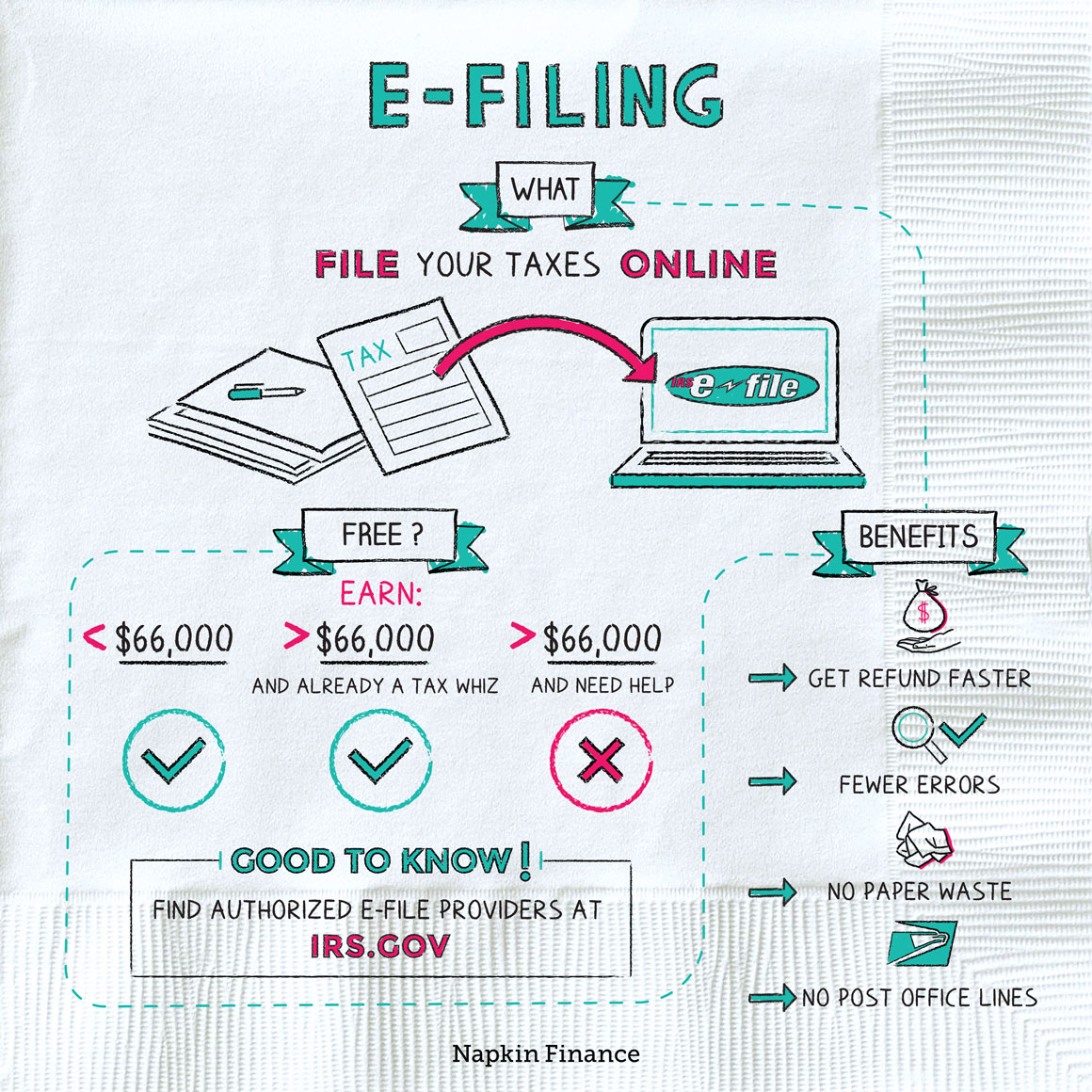
To truly understand efile, one must delve into its technological underpinnings. It’s more than just uploading a PDF; it involves intricate software systems, robust security protocols, standardized data formats, and complex backend infrastructures designed to ensure accuracy, integrity, and confidentiality. This article aims to demystify efile, exploring its core concepts, operational mechanisms, critical security measures, and the ongoing technological innovations that continue to shape its evolution, all strictly within the realm of technology.
The Core Concept: Efile Defined and Demystified
At its most basic, efile describes the transmission of information electronically from one party to another, typically for official record-keeping, processing, or compliance. This stands in stark contrast to traditional methods involving physical paper, postage, and manual processing. The emergence of efile marked a significant step forward in digital governance and enterprise efficiency, driven by the desire for speed, accuracy, and reduced administrative overhead.
Beyond Paper: The Digital Transformation of Document Submission
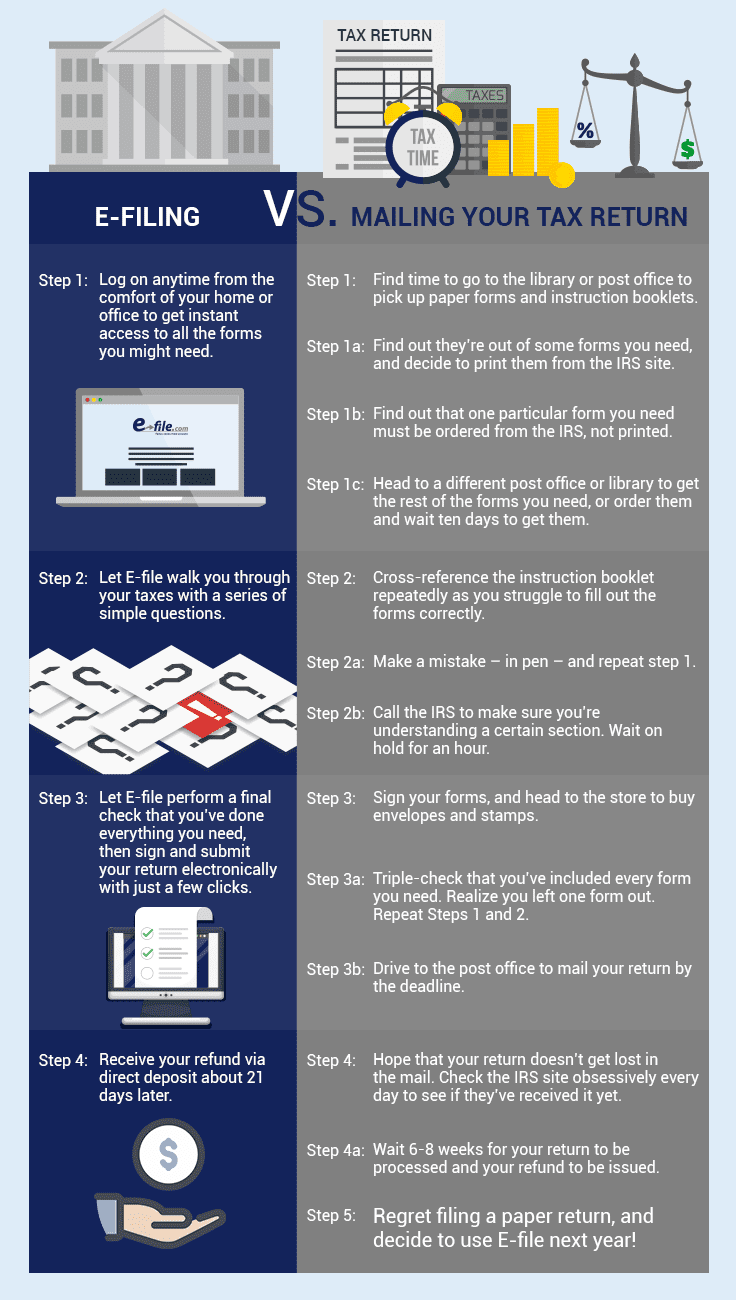
The transition from physical documents to digital submissions is not merely about changing the medium; it represents a fundamental rethinking of how information is captured, transmitted, stored, and managed. Paper-based systems are inherently slow, prone to human error in transcription or filing, susceptible to physical damage or loss, and create significant logistical challenges for storage and retrieval. Efile addresses these challenges by digitizing the entire lifecycle of a document or data set.
This digital transformation involves several stages: data capture (often via online forms or integrated software), digital signature or authentication, encrypted transmission, automated reception and processing by the recipient system, and secure digital archiving. Each stage leverages specific technologies to replicate and enhance the reliability and legality traditionally associated with paper documents. For instance, digital signatures use cryptographic techniques to provide authenticity and non-repudiation, mirroring the legal weight of a handwritten signature.
Key Components of an Efile System: Software, Portals, Data Exchange
An effective efile system is a complex ecosystem built upon several interconnected technological components:
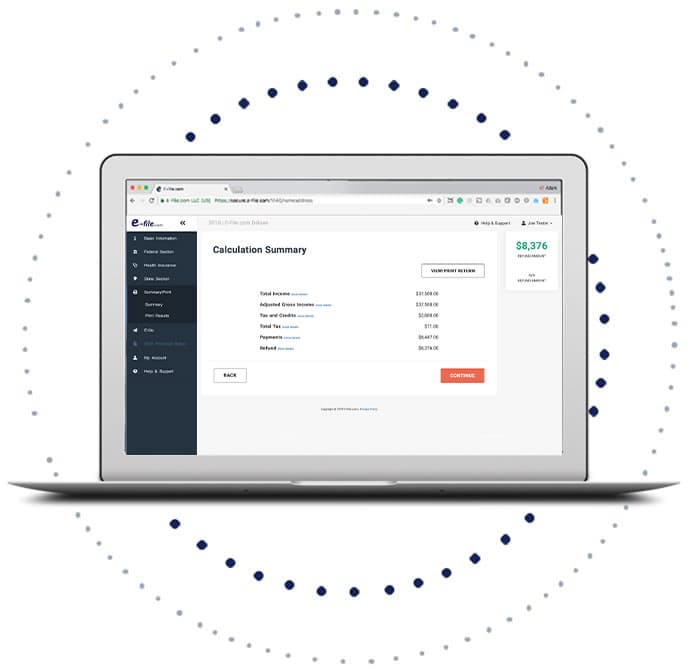
- Client-Side Software/Interfaces: This is what the user interacts with. It can be a web-based portal (e.g., a government website for tax filing), a desktop application (e.g., tax preparation software), or a mobile app. These interfaces are designed for data input, validation, and preparation for transmission. They often include intuitive forms, error-checking mechanisms, and help features to guide users.
- Data Formatting and Standards: For successful electronic exchange, both sender and receiver systems must “speak the same language.” This requires standardized data formats (e.g., XML schemas, JSON structures) that define how information is organized and presented. These standards ensure interoperability and allow automated systems to parse and understand incoming data accurately.
- Secure Transmission Mechanisms: The actual transfer of data from the client to the receiving server utilizes secure communication protocols such as HTTPS (Hypertext Transfer Protocol Secure) and often incorporates Transport Layer Security (TLS) or Secure Sockets Layer (SSL) encryption to protect data in transit.
- Backend Processing Systems: Upon arrival, the receiving server (e.g., a government agency’s server) processes the incoming efiled data. This typically involves validation against a predefined schema, integrity checks, and integration with internal databases and workflow systems. Automated rules engines often trigger subsequent actions based on the submitted data.
- Acknowledgement and Confirmation Systems: A critical component is the mechanism for providing feedback to the sender. This includes immediate acknowledgments of receipt, status updates (e.g., “pending review,” “accepted,” “rejected”), and ultimately, final confirmation. These often involve digital receipts, tracking numbers, and secure communication channels.
How Efile Systems Work: A Technical Overview
The operational mechanics of efile systems are a testament to modern software engineering and network security principles. From the moment a user begins inputting data to the final confirmation of receipt, a sophisticated chain of technological events unfolds.
Data Formatting and Standards: The Language of Digital Exchange
At the heart of any efile system’s ability to process data reliably are stringent data formatting and messaging standards. Consider, for example, the electronic filing of tax returns. The IRS, like many other agencies, mandates specific XML schemas (Extensible Markup Language) for the digital submission of tax forms. These schemas define every field, its data type, its required format, and its relationships with other fields. This structured approach ensures that when data is transmitted, the receiving system can automatically parse and interpret it without ambiguity. Without such standardization, each submission would require manual interpretation, negating the efficiency benefits of efile. Similar standards exist across various industries and government sectors for medical records (e.g., HL7), financial transactions, and legal documents.
Secure Transmission Protocols: Ensuring Data Integrity in Transit
The journey of efiled data from a user’s device to a remote server is fraught with potential risks, primarily interception and tampering. To counteract these threats, efile systems rely heavily on secure transmission protocols. The ubiquitous HTTPS protocol, which encrypts communications between a web browser and a server using TLS/SSL certificates, is foundational. This encryption scrambles the data, rendering it unreadable to unauthorized parties even if intercepted.
Beyond basic encryption, many efile systems implement additional layers of security. This can include virtual private networks (VPNs) for connecting to specific government or institutional portals, dedicated secure file transfer protocols (SFTP), and end-to-end encryption methods that ensure data remains encrypted from the moment it leaves the sender’s system until it is securely decrypted by the intended recipient’s system. The integrity of the data is also ensured through cryptographic hashing, where a unique digital fingerprint of the data is generated and transmitted alongside it, allowing the recipient to verify that the data has not been altered during transit.
Backend Processing and Acknowledgment Systems
Once the encrypted and standardized data package arrives at the receiving server, a complex backend process kicks into gear. The first step is typically decryption and validation. The system decrypts the incoming data and then validates it against the predefined schema and business rules. This validation checks for common errors, missing fields, incorrect data types, and logical inconsistencies. For instance, a tax efile system might flag an entry where income doesn’t match reported deductions.
If validation is successful, the data is then integrated into the recipient’s internal databases and workflow systems. This often involves automated data entry into enterprise resource planning (ERP) or customer relationship management (CRM) systems, triggering subsequent processes such as financial reconciliation, case management, or record updates.
Crucially, an acknowledgment system provides feedback to the sender. This usually involves several stages:
- Initial Receipt Confirmation: An immediate message confirming that the submission was received.
- Processing Status Updates: As the data moves through validation and internal processing, status updates are sent, indicating whether the submission was accepted, rejected, or requires further action.
- Final Acceptance/Rejection: A definitive notification, often including a unique tracking number, confirming the successful processing or the reasons for rejection. These acknowledgments are often delivered via secure email, within the efile portal, or through an API integration with the sender’s software, reinforcing transparency and accountability.
The Indispensable Role of Digital Security
For efile to be trusted and widely adopted, robust digital security is not optional; it is paramount. The sensitive nature of the information typically handled through efile (financial data, personal identifiers, health records) demands the highest level of protection against unauthorized access, modification, or disclosure.
Protecting Sensitive Data: Encryption and Data Integrity
Encryption is the cornerstone of efile security, applied both to data in transit and data at rest. As discussed, TLS/SSL secures data during transmission. For data stored on servers (data at rest), robust encryption algorithms (e.g., AES-256) are used to protect databases and storage volumes. This means that even if a server is compromised, the stolen data would be encrypted and thus unintelligible without the decryption key.
Data integrity is equally vital. Mechanisms like digital signatures and hashing algorithms ensure that the submitted data has not been tampered with since it left the sender’s system. Any alteration, even a single character change, would invalidate the digital signature or produce a different hash value, immediately alerting the system to a potential breach or corruption. Regular data backups and disaster recovery plans are also critical to ensure the availability and resilience of efile systems.
Authentication and Authorization: Verifying User Identity
Before any data can be efiled, the system must confirm the identity of the submitter and verify their permissions. Authentication is the process of verifying who a user claims to be. This commonly involves:
- Multi-Factor Authentication (MFA): Requiring users to provide two or more verification factors (e.g., a password and a code from a mobile app or fingerprint scan). This significantly enhances security beyond simple username/password combinations.
- Digital Certificates: X.509 certificates can be used to authenticate organizations or individuals, especially in business-to-government (B2G) or business-to-business (B2B) efile scenarios.
- Biometrics: Increasingly, mobile efile applications are integrating biometric authentication methods like fingerprint or facial recognition.
Authorization, on the other hand, determines what an authenticated user is allowed to do. Role-based access control (RBAC) is commonly implemented, ensuring that individuals only have access to the specific efile functions and data relevant to their role (e.g., an accountant can file on behalf of a client, but cannot access another accountant’s client list).
Compliance and Regulatory Frameworks: Efile’s Legal Backbone
The development and operation of efile systems are heavily influenced by a complex web of legal and regulatory frameworks. These regulations dictate standards for data privacy, security, and record retention, ensuring that efile processes meet legal requirements and build public trust. Key examples include:
- HIPAA (Health Insurance Portability and Accountability Act): For efiling medical claims and health information in the United States, mandating strict security and privacy controls.
- GDPR (General Data Protection Regulation): For efile systems handling personal data within the European Union, emphasizing data subject rights, consent, and stringent data protection measures.
- IRS e-file requirements: The Internal Revenue Service sets specific technical and security standards for tax preparation software and service providers, including encryption levels, audit trails, and data integrity checks.
- eSign Act (Electronic Signatures in Global and National Commerce Act): In the U.S., this act gives electronic signatures the same legal weight as handwritten ones, a crucial foundation for the legal validity of many efiled documents.
Adherence to these frameworks is not just about avoiding penalties; it’s about building trust and ensuring that efiled documents are legally binding and admissible.
Advantages and Innovations in Efile Technology
The technological advantages offered by efile are profound, driving efficiency, accuracy, and accessibility across various sectors. Furthermore, the field continues to evolve with exciting new innovations.
Efficiency and Accuracy Through Automation
Perhaps the most compelling advantage of efile technology is its inherent efficiency and ability to reduce human error. Manual data entry is slow and notoriously error-prone. Efile systems, through structured data formats and automated validation rules, significantly minimize these risks. Data can be transferred directly from source systems (e.g., accounting software) to the efile portal, eliminating re-keying. Automated processing at the receiving end also accelerates workflows, leading to faster approvals, refunds, or service delivery. The ability to track submissions electronically provides greater transparency and reduces the likelihood of lost documents.
Accessibility and User Experience Enhancements
Efile has democratized access to various services by allowing individuals and businesses to submit documents anytime, anywhere, provided they have an internet connection. This accessibility is crucial for those in remote areas or with limited mobility. Modern efile solutions often prioritize user experience (UX) design, featuring intuitive interfaces, step-by-step guides, and mobile responsiveness. Predictive text, auto-fill functions, and clear error messages enhance the user journey, making complex processes more manageable for the average user.
Future Trends: AI Integration and Blockchain for Efile
The technological trajectory of efile is pushing towards even greater automation, intelligence, and security.
- AI Integration: Artificial intelligence and machine learning are poised to revolutionize efile by enhancing data validation, fraud detection, and customer support. AI algorithms can identify subtle patterns in submitted data that might indicate errors or fraudulent activity more effectively than rule-based systems. Chatbots powered by AI can provide instant, personalized assistance to users navigating complex forms. Natural Language Processing (NLP) could even allow for more intuitive, conversational data input.
- Blockchain for Enhanced Security and Verifiability: Blockchain technology offers a decentralized, immutable ledger that could radically enhance the security and trustworthiness of efile systems. Each efiled document or transaction could be recorded as a block in a chain, creating an unalterable audit trail. This would provide unparalleled data integrity and transparency, making it virtually impossible to tamper with submitted records. Smart contracts on a blockchain could automate complex multi-party efiling processes, ensuring that conditions are met before documents are finalized or payments are released. While still in nascent stages for widespread efile adoption, the potential is immense for high-stakes governmental and legal submissions.
Choosing and Utilizing Efile Solutions Effectively
Navigating the landscape of efile solutions requires an understanding of their technological capabilities and a commitment to best practices for secure digital submissions.
Evaluating Software Features and Reliability
When selecting an efile solution, whether it’s commercial software for tax preparation or a platform for business compliance, a thorough technological evaluation is critical. Key considerations include:
- Security Architecture: Investigate the encryption standards, authentication methods (e.g., MFA support), and data privacy policies. Look for evidence of independent security audits or certifications.
- Data Validation and Error Checking: A robust system should offer comprehensive, real-time validation to minimize submission errors.
- Integration Capabilities: Can the solution integrate with your existing accounting software, CRM, or other business systems via APIs or other data exchange methods? This is crucial for seamless data flow.
- Scalability and Performance: Ensure the technology can handle your volume of submissions and provide reliable performance, especially during peak periods.
- User Interface and Experience: An intuitive, user-friendly interface reduces training time and improves efficiency.
- Compliance Support: Verify that the software adheres to all relevant industry-specific and governmental regulatory standards for efiling.
Best Practices for Secure Digital Submissions
Beyond choosing the right technology, users also play a vital role in maintaining the security and integrity of efile processes:
- Strong, Unique Passwords and MFA: Always use strong, unique passwords for efile accounts and enable multi-factor authentication whenever available.
- Verify Source Legitimacy: Be extremely cautious of phishing attempts. Always verify that you are on the legitimate efile portal or using official software from a trusted vendor. Check URLs carefully.
- Secure Internet Connection: Use a secure, private internet connection (not public Wi-Fi) when submitting sensitive information.
- Regular Software Updates: Keep your operating system, web browser, and efile software updated to ensure you have the latest security patches.
- Backup Records: While efile systems typically archive documents, maintaining your own digital backups of submitted forms and acknowledgments provides an extra layer of security and accessibility.
- Understand Data Privacy Policies: Be aware of how your data will be collected, stored, and used by the efile service provider.
In conclusion, “efile” is far more than just a buzzword; it represents a sophisticated technological ecosystem that has fundamentally reshaped how information is submitted and processed in the digital age. From its intricate data standards and secure transmission protocols to its reliance on robust authentication and compliance frameworks, efile is a testament to the power of technology to drive efficiency, accuracy, and accessibility. As innovations like AI and blockchain continue to emerge, the future of efile promises even greater levels of automation, intelligence, and ironclad security, solidifying its place as an indispensable component of modern digital infrastructure.
aViewFromTheCave is a participant in the Amazon Services LLC Associates Program, an affiliate advertising program designed to provide a means for sites to earn advertising fees by advertising and linking to Amazon.com. Amazon, the Amazon logo, AmazonSupply, and the AmazonSupply logo are trademarks of Amazon.com, Inc. or its affiliates. As an Amazon Associate we earn affiliate commissions from qualifying purchases.