
In the intricate world of personal and business finance, few documents hold as much weight and importance as the tax statement. Far from being mere bureaucratic paperwork, tax statements are the bedrock upon which accurate tax reporting and sound financial planning are built. They serve as official summaries of various financial activities throughout the year, detailing income earned, taxes withheld, interest paid, contributions made, and other transactions critical for fulfilling one’s tax obligations. Understanding what a tax statement is, why it’s crucial, and how to interpret the myriad forms you might receive is not just a matter of compliance; it’s a fundamental aspect of effective financial literacy and management.
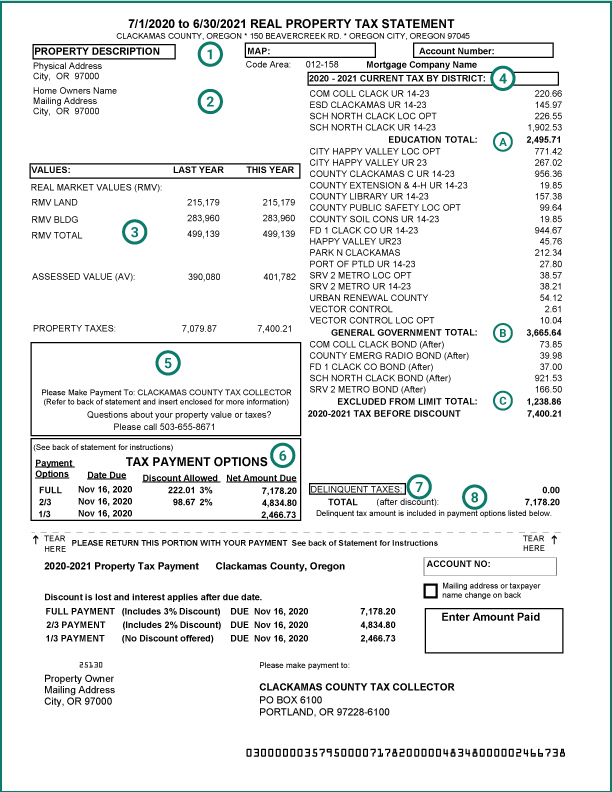
This comprehensive guide will demystify tax statements, explaining their core purpose, exploring the most common types you’ll encounter, detailing how to interpret their contents, and providing best practices for managing these vital financial records. Whether you’re a first-time taxpayer, a seasoned investor, or a small business owner, a clear grasp of tax statements is indispensable for navigating the tax season with confidence and precision.
The Core Definition and Purpose of Tax Statements
At its heart, a tax statement is an official document issued by an employer, financial institution, or other entity that reports financial information to you and, simultaneously, to a tax authority like the Internal Revenue Service (IRS). These statements encapsulate a year’s worth of transactions that have tax implications, ranging from wages and investment income to mortgage interest and student loan payments. Their primary purpose is to provide an accurate, standardized summary of these activities, enabling both individuals and businesses to correctly calculate their tax liability or claim eligible deductions and credits.
What Exactly is a Tax Statement?
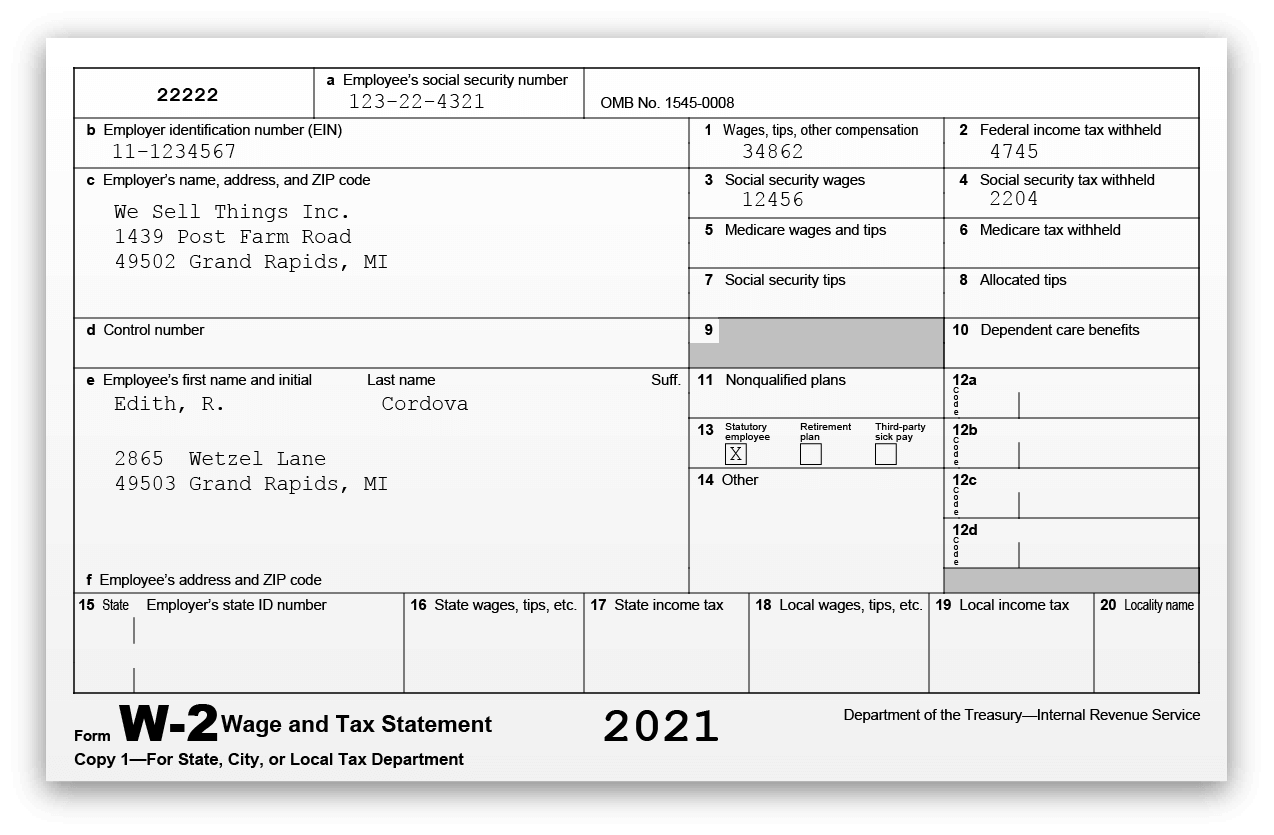
Think of a tax statement as a financial snapshot for a specific reporting period, typically a calendar year. It condenses complex financial interactions into digestible figures, often presented in numbered boxes. For instance, a W-2 statement from your employer will show your gross wages, tips, and other compensation, alongside the amounts withheld for federal, state, and local income taxes, Social Security, and Medicare. Similarly, a 1099-INT from your bank will detail the interest income you earned.
These statements are standardized forms, meaning that while the issuing entity might vary, the information presented and its location on the form are generally consistent across all issuers. This standardization is crucial, as it allows tax software and tax professionals to quickly process and accurately report the data to the IRS, streamlining the tax filing process for millions.
Why Are Tax Statements So Important?
The importance of tax statements cannot be overstated. They are not merely helpful; they are essential for several critical reasons:
- Accurate Tax Filing: Without these statements, accurately calculating your taxable income, eligible deductions, and total tax liability would be a daunting, if not impossible, task. The information on these forms directly feeds into your tax return (e.g., Form 1040), ensuring that all reportable income is declared and all legitimate deductions are claimed.
- Proof of Income and Deductions: Tax statements serve as official proof. In the event of an IRS audit, these documents are primary evidence supporting the figures you reported on your tax return. They validate income sources, taxes paid, and expenses that qualify for tax benefits.
- Preventing Errors and Penalties: Relying on estimated figures or incomplete records dramatically increases the risk of errors on your tax return. Errors can lead to delays in processing refunds, IRS inquiries, and potentially, penalties for underreporting income or incorrect deductions. Tax statements minimize this risk by providing verified data.
- Financial Planning and Analysis: Beyond tax compliance, these statements offer valuable insights for personal financial planning. They can help you track your income sources, understand your spending on deductible items (like student loan interest or healthcare premiums), and assess the impact of investments. They are invaluable tools for budgeting, forecasting, and making informed financial decisions.
- Loan and Credit Applications: When applying for mortgages, auto loans, or other forms of credit, lenders often require copies of your tax returns, which are built upon these statements. They serve as verifiable proof of income and financial stability, influencing your eligibility and loan terms.
In essence, tax statements are the backbone of a transparent and accountable financial system, facilitating fair taxation and empowering individuals and businesses with the data needed for informed financial decisions.
Common Types of Tax Statements and What They Report
The world of tax statements is vast, reflecting the myriad ways individuals earn income, incur expenses, and engage with financial institutions. While the most common taxpayer might only encounter a few forms, those with diverse financial activities will receive a broader array. Understanding the purpose of each common statement is key to managing your tax obligations effectively.
Income-Related Statements
These are arguably the most critical forms, reporting various types of income you’ve earned throughout the year.
- Form W-2, Wage and Tax Statement: This is the most widely recognized tax statement, issued by employers to employees. It reports your annual wages, salaries, tips, and other compensation, along with the amount of federal, state, and local taxes withheld from your pay. It also details Social Security and Medicare wages and taxes. You’ll receive a W-2 from each employer you worked for during the tax year.
- Form 1099-NEC, Nonemployee Compensation: Introduced in 2020, this form is used to report nonemployee compensation (e.g., payments to independent contractors, freelancers, or self-employed individuals). If you paid or received at least $600 from a trade or business for services performed, you’ll likely issue or receive this form.
- Form 1099-MISC, Miscellaneous Information: Before 2020, this form reported nonemployee compensation. Now, it primarily reports other types of miscellaneous income, such as rent payments, prizes and awards, medical and healthcare payments, and payments to attorneys, typically if the amount is $600 or more.
- Form 1099-INT, Interest Income: Banks and other financial institutions issue this form to report interest income of $10 or more paid to you. This includes interest from savings accounts, money market accounts, and certificates of deposit (CDs).
- Form 1099-DIV, Dividends and Distributions: This statement reports dividends and other distributions (like capital gain distributions) from stocks, mutual funds, and other investments, typically if the amount is $10 or more. It distinguishes between ordinary dividends and qualified dividends, which are taxed at lower capital gains rates.
- Form 1099-R, Distributions from Pensions, Annuities, Retirement or Profit-Sharing Plans, IRAs, Insurance Contracts, etc.: This form reports distributions of $10 or more from various retirement accounts, pensions, and annuities. It indicates whether the distribution is taxable and if any portion is an eligible rollover distribution.
- Form 1099-B, Proceeds From Broker and Barter Exchange Transactions: Issued by brokerage firms, this statement reports the proceeds from sales of stocks, bonds, mutual funds, and other securities. It often includes information on the cost basis (original purchase price) of these assets, which is crucial for calculating capital gains or losses.
- Form SSA-1099, Social Security Benefit Statement: If you receive Social Security benefits, this form reports the total amount of benefits you received during the year, a portion of which may be taxable depending on your other income.
Deduction and Credit-Related Statements
These forms provide information that can help you claim deductions or credits, reducing your overall tax liability.
- Form 1098, Mortgage Interest Statement: Lenders issue this form if you paid $600 or more in mortgage interest during the year. This interest is often deductible, potentially lowering your taxable income. It may also include information about property taxes paid.
- Form 1098-E, Student Loan Interest Statement: If you paid $600 or more in interest on qualified student loans, your loan servicer will send you this form. Student loan interest can be a deductible expense, reducing your taxable income.
- Form 1098-T, Tuition Statement: Colleges and universities issue this form to report tuition payments and other related educational expenses. This information is vital for claiming education tax credits (like the American Opportunity Tax Credit or Lifetime Learning Credit) or the tuition and fees deduction.
Other Essential Tax Forms
Some forms serve specific purposes or apply to less common financial situations.
- Schedule K-1 (Form 1065, 1120-S, or 1041): This form is issued to partners in a partnership (Form 1065), shareholders in an S corporation (Form 1120-S), or beneficiaries of an estate or trust (Form 1041). It reports your share of the entity’s income, deductions, credits, and other financial items, which you must include on your personal tax return.
- Form 5498, IRA Contribution Information: This form reports your contributions to an Individual Retirement Arrangement (IRA) for the year. While not directly used for tax filing (you report contributions yourself), it serves as a record and is used by the IRS to verify your reported contributions.
Each of these forms plays a specific role, acting as a piece of the larger puzzle that is your annual tax return. Collecting and understanding them all is the first step towards accurate tax reporting.
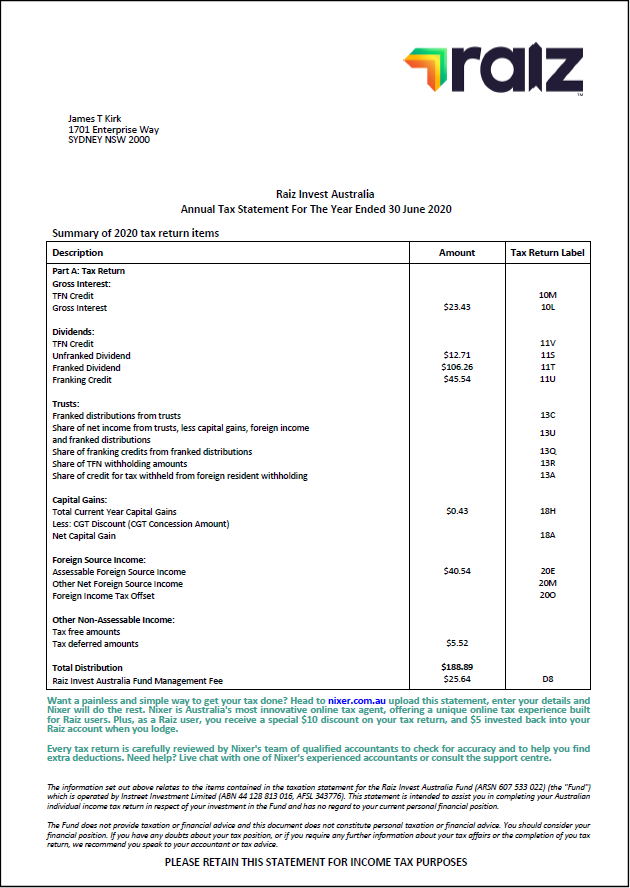
Navigating Your Tax Statements: Key Information and Interpretation
Once you start receiving your tax statements, typically from mid-January through early March, the next crucial step is to understand what they are telling you. Each form is structured to convey specific information in a standardized format, but the sheer volume of boxes and codes can initially seem daunting. Learning to identify the critical data points and understand common pitfalls will significantly streamline your tax preparation.
Deciphering the Details: Identifying Crucial Data Points
Most tax statements follow a logical layout, with specific boxes dedicated to particular types of information. While the exact box numbers and labels vary by form, there are common elements to look for:
- Payer/Recipient Information: Every statement will clearly identify the entity that issued the statement (the payer, e.g., your employer, bank, or broker) and the individual or entity it was issued to (the recipient, which is you). Ensure your name, address, and Social Security Number (SSN) or Employer Identification Number (EIN) are correct. Incorrect information can lead to processing delays or issues with the IRS.
- Reporting Period: Most statements cover the calendar year (January 1 to December 31). This is important for ensuring you’re using the correct statements for the tax year you’re filing.
- Key Financial Amounts: These are the core numbers you’ll transfer to your tax return. For a W-2, this would be Box 1 (Wages, tips, other compensation), Box 2 (Federal income tax withheld), and Boxes 3-6 (Social Security and Medicare wages and taxes). For a 1099-INT, it’s Box 1 (Interest income). For a 1099-B, it’s the proceeds from sales. Always double-check these amounts against your own records if you have them.
- Codes and Indicators: Many forms contain specific codes or check-boxes that provide additional context about the reported amounts. For example, a W-2 might have codes in Box 12 that indicate specific types of deferred compensation or health savings account contributions. A 1099-R might have a distribution code in Box 7 explaining the type of distribution (e.g., normal, early, rollover). Understanding these codes can be critical for correct tax treatment.
- State and Local Information: Many forms, particularly the W-2, also include sections for state and local income and tax withholding information. If you worked or lived in multiple states or localities, you might have entries for each.
It’s helpful to review each statement box by box, familiarizing yourself with the type of information it contains. The IRS provides detailed instructions for each form on its website, which can be an invaluable resource for clarification.
Common Pitfalls and How to Avoid Them
Even with standardized forms, certain issues can arise during the tax statement process:
- Missing Statements: It’s common for taxpayers to not receive all their statements by the typical deadline (January 31st for most forms). This can happen due to postal delays, incorrect addresses, or an oversight by the issuer. If a statement is missing, contact the issuer first. If you still can’t get it, the IRS can sometimes help by reaching out to the issuer on your behalf.
- Incorrect Information: Mistakes can happen. If you receive a statement with an incorrect name, SSN, or financial amount, immediately contact the issuer to request a corrected statement. Filing with incorrect information can lead to IRS inquiries.
- Understanding Deadlines: While issuers must generally send statements by January 31st, you have until the tax filing deadline (typically April 15th) to file your return. However, it’s always best to have all your statements in hand before you begin preparing your taxes.
- Not Receiving a Statement When Expected: Not every financial transaction warrants a tax statement. For example, some banks only issue a 1099-INT if you earned $10 or more in interest. If you earned less, you might not receive a form, but the income is still taxable and should be reported. Similarly, some payments to contractors might not reach the $600 threshold for a 1099-NEC. Always keep your own records of all income and deductible expenses, even if no formal statement is issued.
- Ignoring State-Specific Forms: Beyond federal forms, some states have their own unique tax statements or additional requirements for reporting certain income or deductions. Be aware of your state’s specific tax reporting landscape.
Proactive monitoring and maintaining good financial records throughout the year are the best ways to avoid these pitfalls and ensure a smooth tax season.
Best Practices for Managing and Utilizing Tax Statements
Effective management of your tax statements extends far beyond merely collecting them for tax filing. It encompasses strategic organization, understanding their long-term utility, and knowing how to address potential issues. Establishing robust practices for handling these documents can save you time, reduce stress, and even enhance your overall financial health.
The Art of Organization: Physical vs. Digital Record Keeping
The first step in effective management is establishing a system for organizing your statements as they arrive.
- Physical Organization: For those who prefer paper, designate a specific folder or binder for “Tax Documents [Year].” As each statement arrives, file it immediately. Categorize statements by type (e.g., “Income,” “Deductions,” “Investments”) for easier access. Keep original documents in a secure, fireproof location, away from casual access.
- Digital Organization: Many financial institutions now offer digital access to your tax statements through their online portals. Leverage these options. Create a dedicated folder on your computer or cloud storage (e.g., Google Drive, Dropbox, OneDrive) named “Tax Documents [Year].” Download PDF versions of all your statements as they become available. Ensure these digital files are password-protected or stored within an encrypted service for security.
- Hybrid Approach: A hybrid system often offers the best of both worlds. Keep physical copies of critical original documents, and maintain a digital archive for easy search and backup. This redundancy provides protection against loss or damage.
- Centralized Collection: Consider using personal finance software (like Quicken, Mint) or tax preparation software (like TurboTax, H&R Block) that can import or link to various financial accounts. While not a direct storage solution for the original PDFs, these tools can centralize your financial data, making it easier to track and verify against your statements.
Retention Policy: The IRS generally recommends keeping tax returns and supporting documents for at least three years from the date you filed the original return or two years from the date you paid the tax, whichever is later. For certain situations (e.g., if you underreported income by more than 25%), the period can extend to six years. Documents related to property you own should be kept even longer, until after you’ve sold the property and filed the relevant tax returns.
Beyond Tax Filing: Using Statements for Financial Planning
While tax statements are indispensable for filing taxes, their utility extends well beyond April 15th. They are powerful tools for personal financial analysis and planning:
- Budgeting and Expense Tracking: Reviewing your W-2s, 1099s, and 1098s at the end of the year gives you a clear picture of your total income and major deductible expenses (like mortgage interest or student loan interest). This data can inform your budget for the following year, highlight areas where you might save, or identify opportunities for tax planning.
- Net Worth Calculation: Investment-related statements (like 1099-DIV, 1099-B, K-1s) provide a snapshot of your investment income and asset performance. This data is critical for tracking your net worth and assessing the effectiveness of your investment strategies.
- Loan and Credit Applications: As mentioned, lenders frequently request past tax returns as proof of income and financial stability. Having well-organized tax statements makes it simple to compile the necessary documentation for major financial endeavors like buying a home or securing a business loan.
- Retirement Planning: Your W-2s show your Social Security and Medicare wages, impacting future benefits. Form 5498 confirms IRA contributions, which are crucial for tracking retirement savings and eligibility for tax deductions.
- Estate Planning: For complex estates, accurate and organized tax statements over many years provide a comprehensive financial history, which is invaluable for executors and beneficiaries.
By viewing tax statements not just as compliance documents but as a rich source of financial data, you can leverage them to make more informed decisions throughout your financial journey.
What to Do If a Statement is Missing or Incorrect
Despite best efforts, you might encounter issues with your tax statements. Knowing the correct steps to take can prevent significant headaches.
- Missing Statement:
- Contact the Issuer First: This is always your first step. Reach out to your employer, bank, broker, or other entity and request that they resend the missing statement. Confirm your mailing address and other personal details are correct.
- Check Online Portals: Many institutions provide digital copies of statements on their secure websites, often available before mailed copies arrive.
- Contact the IRS: If you’ve tried to obtain a missing W-2 or 1099 and haven’t received it by a certain date (usually early February for W-2s), you can call the IRS (1-800-829-1040). The IRS may contact the employer/issuer on your behalf. You can also file Form 4852, Substitute for Form W-2, Wage and Tax Statement, or Form 1099-R, Distributions From Pensions, Annuities, Retirement or Profit-Sharing Plans, IRAs, Insurance Contracts, etc., if you have sufficient information to estimate your wages and withheld taxes.
- Incorrect Information on a Statement:
- Contact the Issuer Immediately: If you find an error (e.g., wrong amount, incorrect SSN), contact the issuer and explain the discrepancy. Request a corrected statement (e.g., Form W-2c for a W-2 correction, or a corrected 1099).
- File with Corrected Information (If Necessary): If you receive a corrected statement after you’ve already filed your tax return, you may need to file an amended return (Form 1040-X) to reflect the changes.
Being proactive and meticulous in managing your tax statements is a cornerstone of responsible financial stewardship. These documents are more than just paperwork; they are essential tools that empower you to meet your tax obligations accurately, plan your financial future wisely, and maintain a clear, auditable record of your financial life.
aViewFromTheCave is a participant in the Amazon Services LLC Associates Program, an affiliate advertising program designed to provide a means for sites to earn advertising fees by advertising and linking to Amazon.com. Amazon, the Amazon logo, AmazonSupply, and the AmazonSupply logo are trademarks of Amazon.com, Inc. or its affiliates. As an Amazon Associate we earn affiliate commissions from qualifying purchases.