
Navigating the annual tax application process can seem daunting, but with a structured approach and a clear understanding of your obligations, it becomes a manageable task. For most individuals and businesses, applying for taxes is a fundamental financial responsibility that requires careful attention to detail, adherence to deadlines, and accurate reporting. This comprehensive guide breaks down the process into actionable steps, empowering you to approach tax season with confidence and ensure compliance.
Understanding Your Tax Obligations
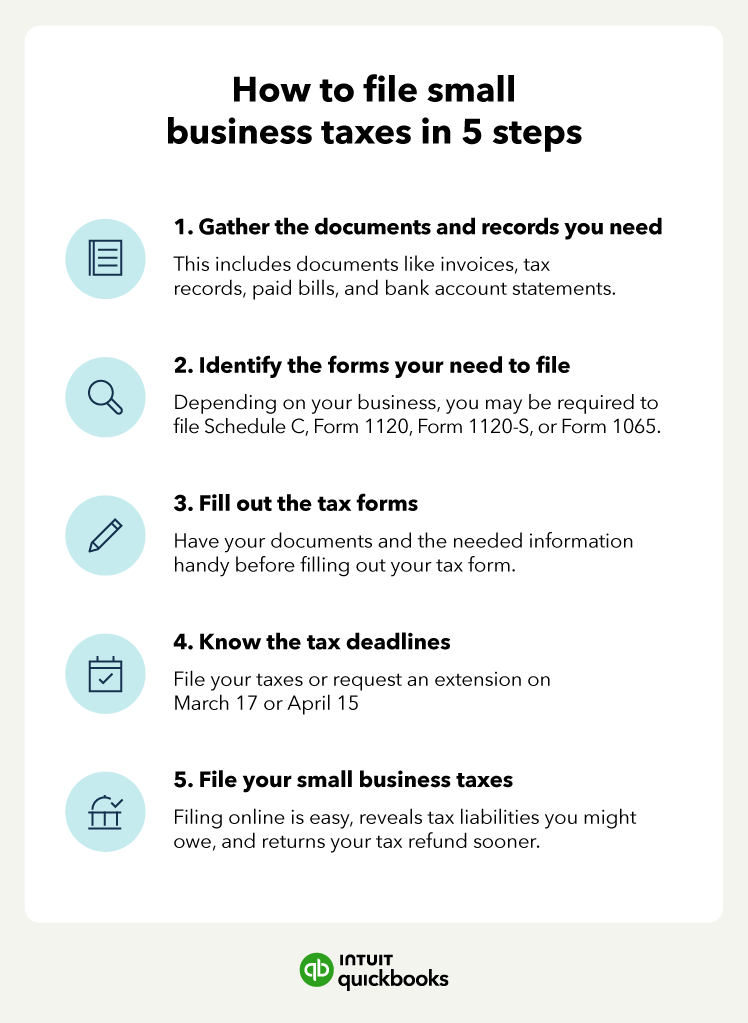
Before diving into the application itself, it’s crucial to establish a foundational understanding of who needs to file and by when. This initial step helps prevent overlooked responsibilities and potential penalties.
Who Needs to File?
Not everyone is required to file a tax return, but a significant portion of the working population is. Generally, your filing requirement depends on several factors:
- Gross Income: If your gross income (all income you receive that isn’t tax-exempt) exceeds a certain threshold, which varies by filing status (single, married filing jointly, head of household, etc.) and age, you must file. These thresholds are updated annually by tax authorities.
- Self-Employment Income: If you are self-employed and your net earnings from self-employment are $400 or more, you are typically required to file, even if your total gross income is below the standard filing threshold for others. This covers freelancers, independent contractors, and small business owners.
- Special Taxes: You might need to file if you owe special taxes, such as alternative minimum tax, additional tax on a qualified retirement plan, or uncollected social security and Medicare tax.
- Wanting a Refund: Even if you don’t meet the filing threshold, you may still want to file to claim a refund for federal income tax withheld from your pay, or to claim refundable tax credits like the Earned Income Tax Credit or the Child Tax Credit.
- Dependent Status: If you are a dependent, your filing requirements can differ based on earned income, unearned income, and gross income thresholds.
Understanding these criteria is the first step in determining your personal tax responsibilities and preparing for the application process.
Key Deadlines to Remember
Missing tax deadlines can result in penalties and interest charges, making it vital to be aware of the key dates.
- April 15th (or the next business day): This is the most common deadline for filing individual income tax returns and paying any tax due for the previous calendar year. If April 15th falls on a weekend or holiday, the deadline shifts to the next business day. This deadline also applies to various business tax filings and the first quarterly estimated tax payment for self-employed individuals.
- June 15th, September 15th, January 15th (of the next year): These are the subsequent quarterly deadlines for estimated tax payments for those who are self-employed or have other income not subject to withholding.
- October 15th (or the next business day): If you filed for an extension on your individual income tax return, this is generally the deadline to submit your return. It’s crucial to remember that an extension to file is not an extension to pay; any taxes due should still be paid by April 15th to avoid penalties.
Marking these dates on your calendar and planning your tax preparation accordingly is a prudent financial practice.
Gathering Your Essential Documents
The success of your tax application hinges on having all necessary documentation readily available. This phase requires meticulous organization and attention to detail to ensure accuracy and maximize potential deductions or credits.
Income Statements
These documents detail all sources of income you received throughout the tax year. They are fundamental to accurately reporting your earnings.
- Form W-2, Wage and Tax Statement: Received from employers, this form reports your annual wages and the amount of federal, state, and local taxes withheld from your pay.
- Form 1099-NEC, Nonemployee Compensation: If you worked as an independent contractor or freelancer and earned $600 or more from a single payer, you should receive this form detailing your gross payments.
- Form 1099-MISC, Miscellaneous Income: Used for various types of income not reported on W-2s or 1099-NECs, such as rents, royalties, or prize winnings.
- Form 1099-INT, Interest Income: Received from banks and other financial institutions, reporting interest earned on savings accounts, bonds, or other investments.
- Form 1099-DIV, Dividends and Distributions: Reports dividend income from stocks and mutual funds.
- Schedule K-1 (Form 1065/1120-S): If you are a partner in a partnership or a shareholder in an S corporation, this form reports your share of the entity’s income, losses, and deductions.
- Social Security Benefits Statement (Form SSA-1099): If you received Social Security benefits, this form details the amount received, which may be partially taxable depending on your other income.
Ensure you collect all relevant income statements from every source to avoid underreporting income, which can lead to significant issues.
Deduction and Credit Documentation
Proper documentation for deductions and credits is essential for reducing your taxable income and potentially lowering your tax liability or increasing your refund.
- Mortgage Interest Statement (Form 1098): Reports the amount of interest you paid on your home mortgage.
- Student Loan Interest Statement (Form 1098-E): Details the amount of student loan interest you paid.
- Tuition Statement (Form 1098-T): Issued by eligible educational institutions, reporting qualified tuition and related expenses for educational credits.
- Childcare Expenses: Records of payments made to childcare providers, including their name, address, and taxpayer identification number.
- Charitable Contributions: Receipts or acknowledgment letters for cash and non-cash donations to qualified charities.
- Medical Expense Records: Receipts and statements for out-of-pocket medical, dental, and vision expenses, which may be deductible if they exceed a certain percentage of your adjusted gross income.
- Retirement Contributions: Documentation of contributions to IRAs, 401(k)s, or other retirement accounts, as these may be deductible or tax-deferred.
- Property Tax Records: Statements showing the amount of state and local property taxes paid.
- Mileage Logs and Business Expenses: If self-employed, detailed records of business-related expenses, including mileage, office supplies, and professional development.
Thorough record-keeping throughout the year simplifies this step significantly. Digitizing these records can also enhance organization and accessibility.
Prior Year’s Tax Returns
While not strictly required for current-year filing, your previous year’s tax returns are invaluable. They provide a blueprint of your income, deductions, and credits, helping you recall recurring items and ensuring consistency. They also contain your Adjusted Gross Income (AGI) from the prior year, which is sometimes required for electronic filing or verifying your identity with tax authorities.
Choosing Your Filing Method
Once your documents are in order, the next decision is how you will actually prepare and submit your tax application. There are several options, each with its own advantages.
DIY Software and Online Tools
For many, especially those with straightforward tax situations, do-it-yourself (DIY) tax software and online platforms offer a cost-effective and convenient solution.
- Pros: Generally less expensive than professional preparers, accessible 24/7, guided step-by-step process, often includes audit support. Popular platforms include TurboTax, H&R Block Online, TaxAct, and FreeTaxUSA.
- Cons: Requires you to understand tax concepts to some degree, can be overwhelming for complex situations, potential for user error if information is entered incorrectly.
- Free File Alliance: If your Adjusted Gross Income (AGI) is below a certain threshold, you may qualify to use IRS Free File, which provides access to free tax preparation software from commercial providers.
These tools walk you through the process, ask relevant questions, and often perform calculations automatically, reducing the chances of mathematical errors.
Professional Tax Preparers

For individuals with complex financial situations, small business owners, or those who simply prefer expert assistance, hiring a professional tax preparer is a wise investment.
- Types of Professionals: Certified Public Accountants (CPAs), Enrolled Agents (EAs), and other professional tax preparers can offer expertise.
- Pros: In-depth knowledge of tax law, ability to handle complex returns (e.g., investments, foreign income, business deductions), can offer tax planning advice, and often provide audit representation. Reduces stress and time commitment on your part.
- Cons: Can be more expensive than DIY software, requires trust in the preparer’s expertise and ethics.
- Selecting a Preparer: Look for credentials, experience, good reviews, and ensure they are registered with the tax authority.
A good professional can identify deductions and credits you might have overlooked, potentially saving you more than their fee.
Free Tax Assistance Programs
For eligible taxpayers, several programs offer free tax preparation services.
- Volunteer Income Tax Assistance (VITA): This program offers free tax help to people who generally make $64,000 or less, persons with disabilities, and limited English-speaking taxpayers who need assistance preparing their own tax returns.
- Tax Counseling for the Elderly (TCE): This program provides free tax help, particularly for those age 60 and older, specializing in questions about pensions and retirement-related issues unique to seniors.
- AARP Tax-Aide: Often working in conjunction with TCE, AARP Tax-Aide provides free tax preparation services, primarily to middle- and low-income taxpayers, with special attention to those 50 and older.
These programs are staffed by IRS-certified volunteers and are a valuable resource for many communities.
Navigating the Application Process
Once you’ve chosen your method and gathered your documents, it’s time to complete the application. The specific steps will vary slightly depending on whether you’re using software or a professional.
Step-by-Step with Software
If you’re using tax software, the process is largely guided:
- Set Up Your Account: Create an account and select your filing status.
- Input Personal Information: Enter your name, Social Security number, address, and information for any dependents.
- Enter Income: Systematically input data from your W-2s, 1099s, and other income statements. The software will often ask clarifying questions to ensure accuracy.
- Add Deductions and Credits: Input details for all your qualified deductions and credits based on your gathered documentation. The software calculates eligibility and amounts.
- Review and Double-Check: This is a critical step. The software will typically run diagnostics to identify potential errors or missed deductions. Take your time to review every section.
- E-file: Submit your return electronically. This is generally the fastest and most secure method. You’ll receive a confirmation email once your return has been accepted by the tax authority.
- Pay Taxes (If Applicable): If you owe money, you can typically pay directly through the software using a bank account, debit card, or credit card. You can also mail a check or use the tax authority’s direct pay services.
Working with a Professional
When employing a professional preparer, the process is more collaborative:
- Initial Consultation: Discuss your financial situation, significant life changes, and any specific concerns.
- Provide Documents: Supply all your organized income statements, deduction/credit documentation, and prior year’s returns.
- Preparer Completes Return: The professional uses their expertise to prepare your return, identifying all applicable deductions, credits, and compliance requirements.
- Review and Sign: You’ll review the completed return with your preparer. Ask questions and ensure you understand all aspects. You will then sign the return, authorizing them to file it on your behalf.
- Filing and Payment: The preparer will file your return electronically. If taxes are due, they will guide you on payment options.
What Happens After Filing?
After your return is filed, one of three scenarios typically occurs:
- Refund: If you overpaid your taxes, you will receive a refund. Choosing direct deposit is the fastest way to receive it.
- Taxes Due: If you owe more taxes, you must pay the balance by the deadline.
- Zero Balance: Your tax liability matches the amount already paid through withholding or estimated payments.
Regardless of the outcome, keep a copy of your filed return and all supporting documents for at least three years, as recommended by tax authorities, in case of an audit or for future reference.
Common Mistakes to Avoid and Smart Tips
Avoiding common pitfalls can save you time, money, and stress during tax season.
Double-Check Everything
One of the most frequent mistakes is simple human error.
- Incorrect Social Security Numbers: A common mistake that can delay processing of your return and refund.
- Math Errors: Although software reduces this risk, manually prepared returns are prone to calculation errors.
- Incorrect Bank Account Information: If requesting a direct deposit, ensure your bank routing and account numbers are accurate.
- Missing Signatures: Both you and your spouse (if filing jointly) must sign a paper return.
Always take an extra moment to verify all personal and financial details before submitting.
Understanding Refunds and Payments
Manage your expectations and plan for payments proactively.
- Adjust Withholding: If you consistently receive a large refund, it means you’re overpaying taxes throughout the year. Adjust your W-4 form with your employer to have less tax withheld, giving you more take-home pay. Conversely, if you consistently owe a significant amount, consider increasing your withholding or making estimated payments to avoid penalties.
- Estimated Taxes: For the self-employed, accurately estimating and paying quarterly taxes is critical to avoid penalties for underpayment.
- Payment Plans: If you can’t pay your full tax bill by the deadline, contact the tax authority to discuss payment options, such as an installment agreement, to avoid more severe penalties.
Keeping Meticulous Records
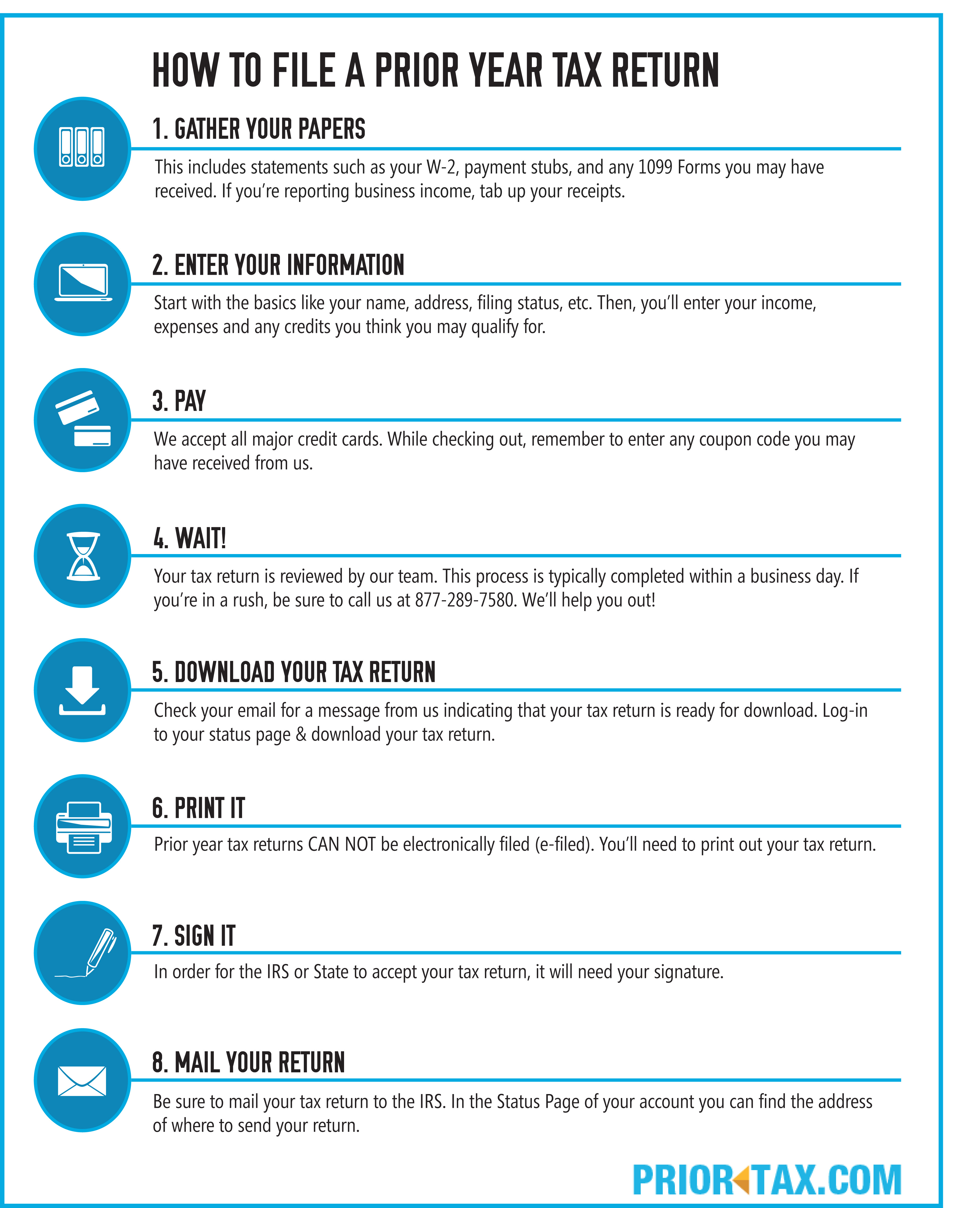
The importance of good record-keeping cannot be overstated.
- Organize Throughout the Year: Don’t wait until tax season. Keep all relevant financial documents, receipts, and statements in a designated folder or digital system as they arrive.
- Digital Backups: Scan and back up important documents to cloud storage or an external hard drive.
- Retention Period: Retain tax records for at least three years from the date you filed your original return or two years from the date you paid the tax, whichever is later. Some records, like those related to property basis, should be kept indefinitely.
By approaching your tax application with organization and an understanding of the process, you can fulfill your financial responsibilities efficiently and minimize potential stress or costly errors.
aViewFromTheCave is a participant in the Amazon Services LLC Associates Program, an affiliate advertising program designed to provide a means for sites to earn advertising fees by advertising and linking to Amazon.com. Amazon, the Amazon logo, AmazonSupply, and the AmazonSupply logo are trademarks of Amazon.com, Inc. or its affiliates. As an Amazon Associate we earn affiliate commissions from qualifying purchases.