
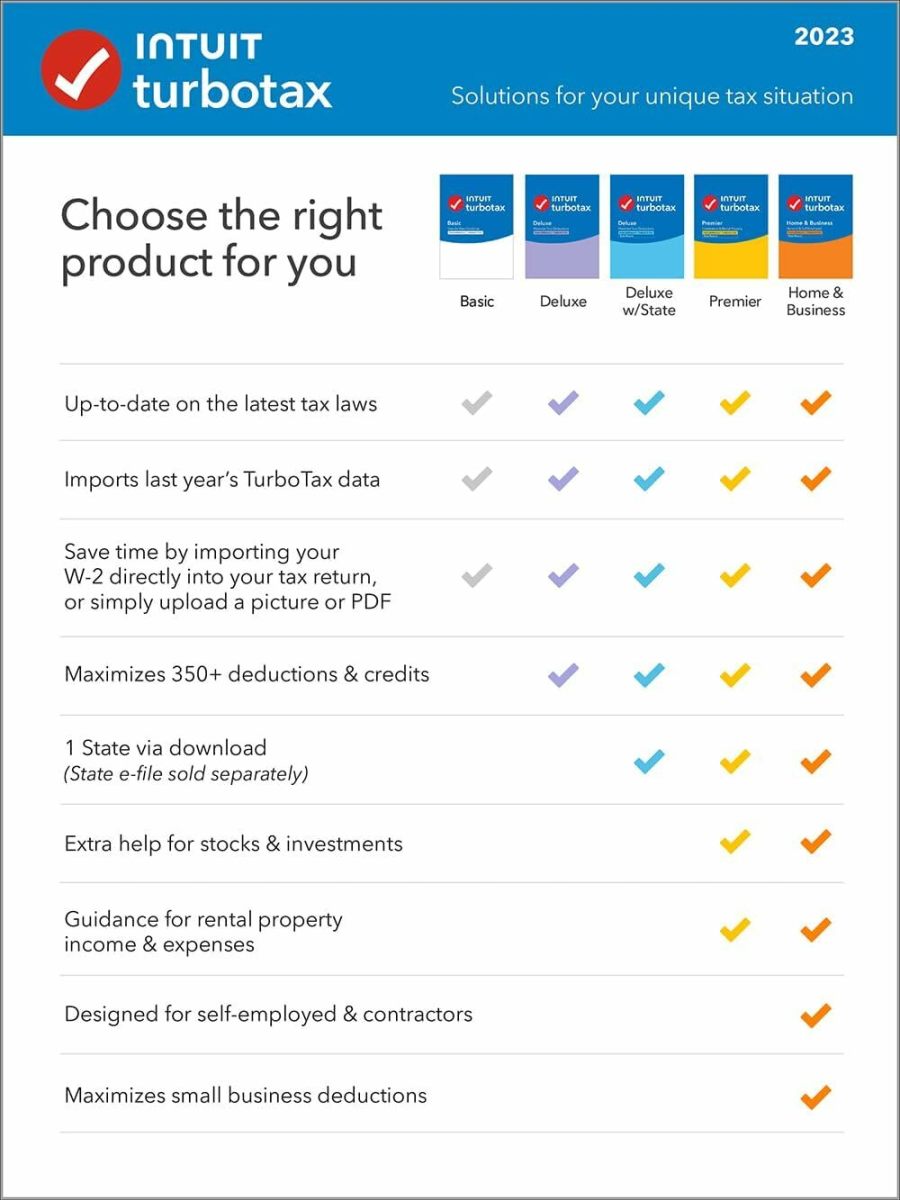
In the digital age, few pieces of software have become as synonymous with a critical annual task as TurboTax has with tax preparation. For millions, it transforms a potentially daunting process into a streamlined, guided experience. But beyond the user-friendly interface, how does TurboTax actually work? From a technological perspective, TurboTax is a sophisticated application designed to demystify complex tax codes, automate calculations, and ensure accurate, secure digital submission. This exploration delves into the underlying technology and software mechanics that power TurboTax, offering a professional and insightful look into its functional architecture, security protocols, and intelligent features.
The Core Mechanism: Guided Tax Preparation Software
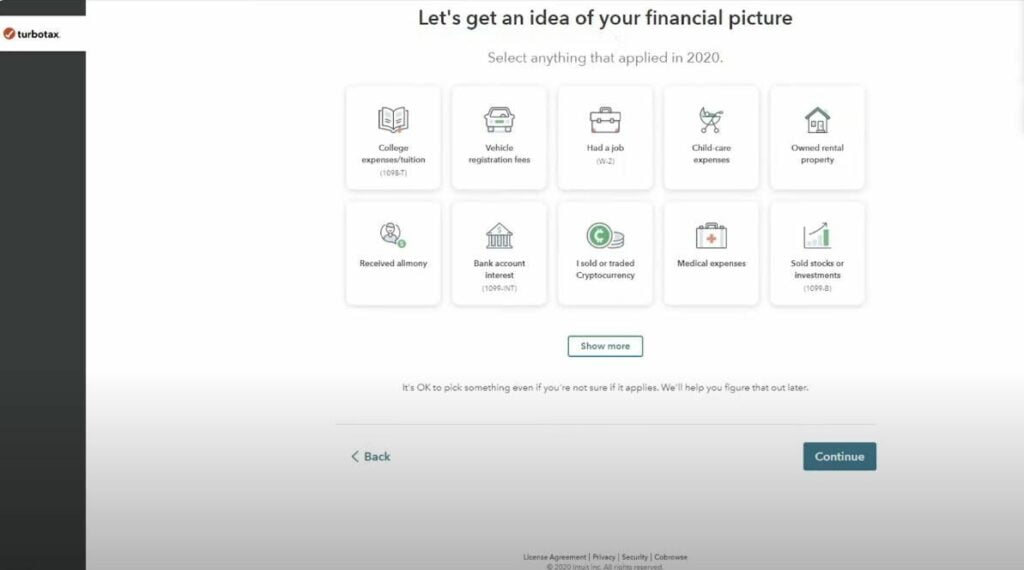
At its heart, TurboTax functions as an intelligent assistant, guiding users through the intricate landscape of tax regulations. It leverages a robust software architecture to translate complex legal jargon and IRS forms into understandable questions and prompts. The primary mechanism revolves around a dynamic, interview-style questionnaire that adapts in real-time based on user input, ensuring only relevant sections are presented.
Intuitive Interface and Data Input
The user experience (UX) design of TurboTax is central to its functionality. The software employs a clean, intuitive graphical user interface (GUI) that prioritizes clarity and ease of navigation. Users are guided step-by-step through a series of questions about their income, deductions, credits, and personal information. This question-and-answer format is a deliberate design choice, abstracting the underlying tax forms and calculations from the user.
Data input is facilitated through various methods:
- Manual Entry: Users can directly type in information as prompted.
- Smart Import: One of TurboTax’s key technological features is its ability to securely connect with financial institutions (banks, employers, investment firms) to automatically import W-2s, 1099s, and other tax documents. This significantly reduces manual data entry errors and saves time. The software uses secure API integrations and data matching algorithms to pull relevant information directly into the appropriate fields.
- Photo Capture: For certain documents, especially through its mobile app, TurboTax offers an OCR (Optical Character Recognition) feature, allowing users to snap a picture of a document (like a W-2) and have the software extract and populate the data automatically. This relies on advanced image processing and machine learning algorithms.
The software dynamically updates the tax return in the background as information is entered, providing real-time estimates of refunds or taxes owed. This immediate feedback loop is crucial for user engagement and confidence, driven by continuous background computations.
Behind the Scenes: Calculation Engines and Tax Laws
The true power of TurboTax lies in its sophisticated calculation engine. This engine houses an extensive database of federal and state tax laws, regulations, tables, and algorithms. As users input data, the engine constantly processes this information against the current tax code.
Key technical aspects include:
- Dynamic Rule Sets: The software incorporates a vast and continually updated library of tax rules. These rules are applied dynamically based on the user’s situation (e.g., marital status, income level, deductions claimed). The system must be updated annually, and sometimes mid-year, to reflect changes in tax legislation.
- Algorithmic Processing: Complex algorithms determine eligibility for various deductions and credits. For instance, an algorithm might assess if a user qualifies for the Earned Income Tax Credit based on income, family size, and other criteria. Similarly, algorithms calculate capital gains, depreciation, and other intricate financial scenarios.
- Form Generation: Based on all the gathered data and calculations, the software programmatically generates the correct IRS and state tax forms (e.g., Form 1040, Schedule A, Schedule C) in the background, populating them with the user’s specific information. This involves intricate templating and data mapping logic.
The reliability of TurboTax hinges on the accuracy and robustness of this calculation engine, which undergoes rigorous testing and validation processes to ensure compliance with the latest tax laws.
Leveraging AI and Automation for Accuracy
TurboTax’s efficiency and accuracy are significantly enhanced by its intelligent use of artificial intelligence (AI) and automation technologies. These features not only simplify the process but also help users optimize their tax outcomes by identifying potential deductions and credits they might otherwise overlook.
Smart Data Import and Recognition
Beyond basic data fetching, TurboTax employs machine learning (ML) models for “smart” data import. When users import financial documents, the system doesn’t just transfer raw data; it understands the context of different fields (e.g., identifying employer names, wages, withholdings, investment types). This is achieved through:
- Pattern Recognition: ML algorithms are trained on vast datasets of W-2s, 1099s, and other forms to recognize common layouts and data points, even with variations in formatting.
- Natural Language Processing (NLP): While not overtly conversational in its core interface, NLP principles are applied in understanding and categorizing user inputs or document text, ensuring data is mapped to the correct tax categories. For instance, recognizing keywords in bank statements or expense entries to suggest relevant deductions.
- Validation Algorithms: Once data is imported, sophisticated validation algorithms cross-reference it for consistency and potential errors, flagging discrepancies that might indicate an incorrect entry or a missing piece of information.
This level of automation drastically reduces the chances of human error inherent in manual data entry and ensures that all available information is correctly integrated into the tax return.
Automated Error Detection and Optimization
One of the most valuable AI-driven features is TurboTax’s ability to identify potential errors and suggest optimizations. As users progress, the software continuously scans for inconsistencies, missing information, or opportunities for greater tax savings.
- Audit Risk Flags: The system incorporates rules and heuristics that identify common red flags that might trigger an IRS audit, prompting users to double-check entries or provide additional documentation. This might include unusually high deductions relative to income, or significant changes from previous year’s filings.
- Deduction/Credit Identification: AI algorithms analyze a user’s entered data against thousands of potential deductions and credits. For example, if a user mentions owning a home, the software automatically prompts questions about mortgage interest, property taxes, and home improvements that could lead to significant deductions. Similarly, for self-employed individuals, it intelligently suggests business expenses based on their industry or income sources.
- “Max Refund” Feature: This involves running multiple scenarios and applying various tax strategies in the background to identify the combination of deductions and credits that yields the largest possible refund or smallest tax liability. This sophisticated computational task, which would be incredibly time-consuming manually, is executed almost instantaneously by the software.
By leveraging AI for these tasks, TurboTax not only streamlines the filing process but also acts as an expert system, guiding users towards a more accurate and advantageous tax outcome.
Digital Security and Data Privacy
Given the highly sensitive nature of financial and personal information handled by TurboTax, robust digital security and data privacy are paramount. The technology employed to protect user data is multi-layered, adhering to industry best practices and regulatory requirements.
Encryption and Authentication Protocols
Security begins with how data is transmitted and stored. TurboTax utilizes advanced encryption standards to safeguard information:
- TLS/SSL Encryption: All data transmitted between the user’s device and TurboTax servers is encrypted using Transport Layer Security (TLS) and Secure Sockets Layer (SSL) protocols. This creates a secure, encrypted tunnel, preventing unauthorized interception of data during transit.
- AES-256 Encryption: Stored data on TurboTax’s servers is protected with Advanced Encryption Standard (AES) 256-bit encryption, a military-grade standard, ensuring that even if data were to be accessed, it would be unreadable without the decryption key.
- Multi-Factor Authentication (MFA): To prevent unauthorized access to user accounts, TurboTax implements MFA. This typically requires users to provide two or more verification factors to gain access, such as a password and a code sent to their mobile phone or email. This adds a critical layer of security beyond just a username and password.
- Secure Data Centers: TurboTax’s servers are housed in highly secure data centers that employ physical security measures, environmental controls, and continuous monitoring to protect against both digital and physical threats.
These robust protocols are fundamental to maintaining user trust and protecting against cyber threats such as hacking and data breaches.
Protecting Sensitive Financial Data
Beyond encryption, TurboTax employs several other technological measures to protect sensitive financial information:
- Anonymization and Aggregation: While preparing taxes, user data is processed. For analytical purposes, data might be anonymized (stripped of personally identifiable information) and aggregated to identify trends or improve services, without compromising individual privacy.
- Regular Security Audits and Penetration Testing: TurboTax regularly undergoes independent security audits and penetration testing. Ethical hackers attempt to find vulnerabilities in the system, allowing the development team to patch and strengthen defenses proactively before malicious actors can exploit them.
- Fraud Detection Systems: Sophisticated algorithms monitor for suspicious login attempts or unusual activity patterns, which could indicate fraudulent access. These systems can automatically lock accounts or trigger additional verification steps if potential fraud is detected.
- Compliance with Regulations: TurboTax adheres to strict industry regulations like the Payment Card Industry Data Security Standard (PCI DSS) for handling payment information, and various privacy laws governing personal data.
These comprehensive security measures are integral to the platform’s operation, ensuring that users can confidently entrust their most sensitive financial details to the software.
E-filing and Beyond: Seamless Digital Submission
The culmination of the tax preparation process within TurboTax is the e-filing stage, where the prepared returns are digitally transmitted to the IRS and state tax authorities. This process is a testament to modern digital integration and efficiency.
Direct IRS/State Integration
TurboTax acts as an authorized intermediary between the taxpayer and the government tax agencies. The e-filing mechanism involves:
- Secure Data Exchange Protocols: When a user clicks “file,” the software packages the finalized tax return data into a highly secure, encrypted file format (often XML-based) compliant with IRS and state specifications. This file is then transmitted via secure protocols directly to the respective government servers.
- Acknowledgement and Confirmation System: After submission, TurboTax integrates with the IRS and state systems to receive immediate acknowledgements. These digital receipts confirm that the return has been received. Users are typically notified via email or within the software dashboard when their return has been accepted (or if there are issues requiring correction). This automated feedback loop provides critical peace of mind.
- Error Checking Prior to Submission: Before allowing e-filing, TurboTax performs a final, comprehensive error check. This includes verifying Social Security Numbers, checking for missing required fields, and ensuring logical consistency, significantly reducing the chances of a rejected return due to simple errors.
This seamless digital bridge eliminates the need for paper forms, mailing, and manual processing, drastically speeding up refund times and simplifying compliance.
Post-Filing Digital Tools and Support
TurboTax’s technological utility doesn’t end with filing. It offers several post-filing digital tools and features:
- Digital Record Keeping: All filed returns, along with supporting documents and calculations, are stored securely within the user’s online account, accessible for future reference, amendments, or audit support. This digital archive eliminates the need for physical paperwork.
- Amendment Tools: If a user needs to amend a previously filed return, TurboTax provides guided tools that simplify this process, pre-populating existing data and only asking for changes.
- Tax Expert Support (Live Assisted/Full Service): For users who require additional help, TurboTax integrates live support features. This might include screen-sharing capabilities for tax experts to directly review a user’s return, or secure messaging platforms for direct communication. The Full Service option allows users to upload documents for a tax professional to complete their taxes entirely within the TurboTax ecosystem. These services rely on secure collaboration tools and remote access technologies.
These post-filing services demonstrate TurboTax’s commitment to providing an end-to-end digital solution for tax management, leveraging technology to offer continued value beyond the initial submission.
Evolution and Future of Tax Software Technology
The technology behind TurboTax is not static; it continually evolves to meet changing user needs, tax laws, and technological advancements. The future of tax software promises even greater levels of automation, personalization, and integration.
Mobile Accessibility and Cloud Integration
The shift to mobile-first experiences has profoundly impacted TurboTax. Its mobile applications mirror the functionality of the desktop version, optimized for smaller screens and touch interfaces. This relies on responsive design principles and robust cloud infrastructure to ensure seamless data synchronization across devices. Cloud computing is fundamental, allowing users to start their taxes on one device and finish on another, with all data securely stored and accessible from anywhere with an internet connection. This also facilitates real-time updates and ensures users are always on the latest version of the software and tax codes.

Predictive Analytics and Personalized Guidance
Looking ahead, the use of predictive analytics and more advanced AI will become even more prominent. Imagine a TurboTax that:
- Proactively Suggests Actions: Based on historical filing data and real-time financial activity (with user permission), the software could proactively suggest deductions throughout the year or alert users to potential tax implications of financial decisions (e.g., selling stock, buying property).
- Personalized Tax Planning: AI could offer highly personalized tax planning advice, simulating various financial scenarios (e.g., retirement contributions, investment strategies) and showing their impact on future tax liabilities, moving beyond mere compliance to strategic financial optimization.
- Conversational AI Interfaces: Future versions might incorporate more advanced conversational AI (chatbots or voice assistants) that can understand complex queries and provide immediate, context-aware answers or guidance, making the tax preparation process even more interactive and accessible.
The evolution of TurboTax underscores a broader trend in software development: leveraging cutting-edge technology to simplify complex tasks, enhance user experience, and provide increasingly intelligent, personalized services. From its intuitive interface and powerful calculation engine to its robust security and future-forward AI integrations, TurboTax is a prime example of how technology continues to transform personal finance and compliance for millions worldwide.
aViewFromTheCave is a participant in the Amazon Services LLC Associates Program, an affiliate advertising program designed to provide a means for sites to earn advertising fees by advertising and linking to Amazon.com. Amazon, the Amazon logo, AmazonSupply, and the AmazonSupply logo are trademarks of Amazon.com, Inc. or its affiliates. As an Amazon Associate we earn affiliate commissions from qualifying purchases.