
In an automotive landscape increasingly dominated by electric vehicles, the question of a Tesla’s true market worth has become a prominent concern for owners and potential buyers alike. More than just a mode of transport, a Tesla often represents a significant financial asset, and understanding its valuation is crucial for personal financial planning, whether you’re contemplating a sale, considering a trade-in, or simply assessing your net worth. Unlike traditional internal combustion engine (ICE) vehicles, Teslas bring unique dynamics to the depreciation equation, influenced by rapid technological advancements, evolving market demand for EVs, and proprietary software features. This guide will delve into the intricate financial factors that determine your Tesla’s value, offering insights and practical strategies to accurately assess and potentially enhance its monetary standing.
Understanding the Factors Influencing Your Tesla’s Value
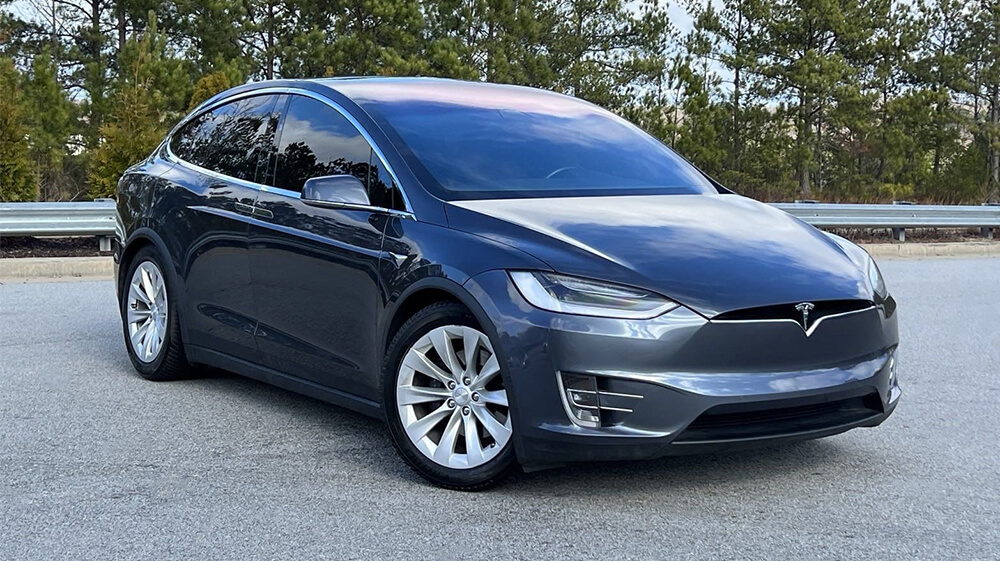
Determining the precise monetary worth of any vehicle is a complex exercise, and Teslas, with their unique blend of technology and brand appeal, add several layers of consideration. For a sound financial assessment, it’s imperative to scrutinize the multifaceted elements that collectively dictate its market value.
Model, Trim, and Battery Configuration
The foundational aspect of your Tesla’s worth begins with its specific model and configuration. Just as with any luxury or performance vehicle, the initial financial outlay for different Tesla models (e.g., Model S, 3, X, Y, Cybertruck) varies significantly, and this hierarchy tends to persist in the secondary market. A Model S Plaid, with its superior performance and larger battery, will naturally command a higher resale price than a standard range Model 3. Beyond the base model, specific trim levels, such as ‘Long Range’ versus ‘Performance,’ play a pivotal role in valuation. These designations often signify enhanced battery capacity, greater range, and upgraded motors, all of which are highly prized features that translate into a higher financial return upon resale. Furthermore, the battery configuration itself – its capacity, and subsequently, the vehicle’s range – is arguably one of the most significant financial differentiators for an EV, directly impacting its desirability and perceived future utility.
Age and Mileage
The conventional metrics of age and mileage remain powerful determinants of a vehicle’s financial depreciation, and Teslas are no exception. As a car ages, components wear, designs evolve, and warranties expire, all contributing to a gradual decline in market value. Similarly, higher mileage signifies increased wear and tear on mechanical and electrical systems, translating into a lower resale price. While Teslas are known for their robust powertrains, the cumulative effect of miles on battery health and other consumables is a factor buyers consider, particularly regarding potential future maintenance costs. Understanding the typical depreciation curve for your specific Tesla model relative to its age and mileage is a critical step in forming a realistic financial expectation.
Condition and Maintenance History
The physical and operational condition of your Tesla is a direct reflection of its care and significantly impacts its financial valuation. A meticulously maintained vehicle, both cosmetically and mechanically, will invariably fetch a higher price than one showing signs of neglect. This includes the condition of the exterior paint, interior upholstery, tires, brakes, and functional components. Crucially, a comprehensive maintenance history – detailing all service appointments, software updates, and any repairs undertaken – provides undeniable financial assurance to potential buyers. It mitigates perceived risks and demonstrates responsible ownership, often justifying a premium in the used car market. For EVs, this also includes documenting any battery health checks or relevant diagnostics, reassuring future owners about the longevity of the most expensive component.
Software Enhancements and FSD Status
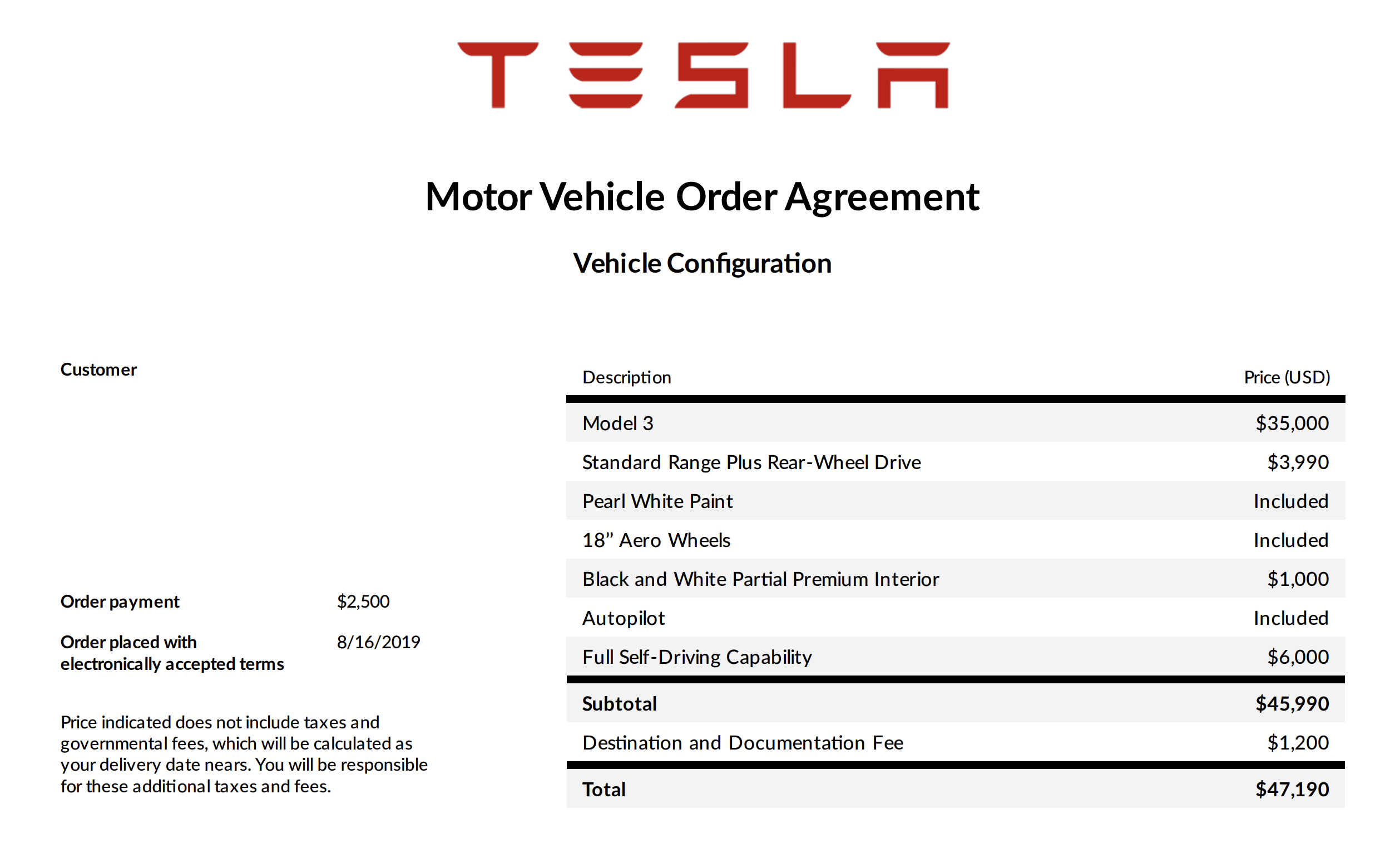
A unique financial dimension for Teslas lies in their software-defined features. Enhancements like Enhanced Autopilot (EAP) and Full Self-Driving (FSD) capability are premium software packages that, when purchased, significantly inflate the vehicle’s initial sticker price. The transferability and ongoing value of these features in the used market can be complex. While an FSD-enabled Tesla might seem inherently more valuable, the evolving nature of Tesla’s software pricing, subscription options, and the debate around the actual “full self-driving” capability mean that the premium commanded for these features on the secondary market may not always directly reflect the initial investment. Buyers weigh the financial benefit of these features against their perceived future utility and the possibility of subscription models becoming more dominant, which could impact the capitalized value of the feature embedded in the car’s price.
Geographic Location and Market Demand
The economic principle of supply and demand plays a significant role in your Tesla’s worth. The geographic location where you are selling can profoundly influence its market value. Regions with higher demand for electric vehicles, stronger EV infrastructure, or favorable local incentives for used EVs may see Teslas commanding higher prices. Conversely, areas with less EV adoption or an oversupply of particular Tesla models could result in lower valuations. Furthermore, global market trends, changes in new Tesla pricing, and the availability of competing EV models from other manufacturers also contribute to fluctuations in demand, all of which directly affect the financial landscape for used Teslas. Staying attuned to these regional and global market dynamics is essential for an accurate financial appraisal.
Navigating Depreciation: The Tesla Advantage (or Disadvantage)
Depreciation is an unavoidable financial reality for all vehicles, yet Teslas often present a unique narrative within this economic phenomenon. Understanding its specific trajectory for these EVs is key to shrewd financial planning.
Electric Vehicle Market Dynamics
The electric vehicle market is characterized by rapid innovation and a constant influx of new models and battery technologies. This accelerated pace of development has a direct financial impact on the depreciation curve of existing Teslas. As newer models boast improved range, faster charging, and advanced features, older generations can appear less competitive, potentially accelerating their depreciation. However, this is counterbalanced by a growing global appetite for EVs, which can help stabilize demand for used Teslas, particularly those offering a more accessible entry point into electric ownership. The interplay between technological advancement and increasing market acceptance creates a dynamic and somewhat unpredictable depreciation environment, demanding continuous financial vigilance from owners.
Tesla’s Brand Power vs. Market Saturation
Tesla’s unparalleled brand recognition and early market dominance have historically afforded its vehicles a relatively strong resale value compared to many conventional luxury cars. The cult-like following and perceived technological superiority contribute to robust demand in the secondary market. However, as Tesla ramps up its production volumes across multiple gigafactories and faces an increasingly competitive landscape from established automakers entering the EV space, the market could experience greater saturation. While brand loyalty remains strong, an expanded supply of both new and used Teslas, coupled with more compelling alternatives from rivals, could exert downward pressure on future resale values. Financial analysts and owners must monitor this delicate balance between enduring brand appeal and the realities of an maturing market.
Battery Health and Longevity (Financial Perspective)
A common financial concern among used EV buyers revolves around battery degradation and its associated replacement costs. The battery pack is the most expensive component of an electric vehicle, and its long-term health is paramount to the car’s functionality and resale value. Fortunately, Tesla’s battery technology has demonstrated remarkable longevity and resilience, often exceeding initial expectations. Most Tesla batteries retain a significant portion of their original capacity even after many years and hundreds of thousands of miles, and they are typically covered by lengthy warranties. From a financial perspective, while perceived battery degradation can be a hurdle in the used market, actual data and Tesla’s warranty coverage often mitigate the extreme financial risks associated with hypothetical battery replacement, making it less of a depreciation accelerator than some might assume. Providing evidence of good battery health can be a strong selling point.
Methods for Accurately Valuing Your Tesla
Moving beyond theoretical factors, practical financial tools and strategies are essential for pinpointing your Tesla’s current market value. A multi-pronged approach typically yields the most accurate assessment.
Online Valuation Tools and Websites
The digital age offers a wealth of resources for vehicle valuation. Reputable online platforms like Kelley Blue Book (KBB.com), Edmunds.com, and CarGurus.com provide free valuation tools that offer estimated trade-in and private party sale values based on your vehicle’s specific details, condition, and local market data. Tesla itself often provides an estimated trade-in value through its website. For a more robust financial estimate, it is highly recommended to consult multiple sources and average their figures. These platforms leverage vast databases of sales transactions and market trends, providing a crucial starting point for your financial assessment.
Dealership Trade-In vs. Private Sale
When it comes to liquidating your Tesla, you typically face two primary financial avenues: trading it in at a dealership or selling it privately. A dealership trade-in offers unparalleled convenience – it’s a quick transaction, often provides sales tax savings on your new vehicle purchase, and eliminates the hassle of marketing your car. However, this convenience often comes at a financial cost, as dealerships typically offer wholesale prices to ensure their own profit margin. A private sale, conversely, has the potential to yield a significantly higher financial return, often aligning closer to the retail market value. The trade-off is the investment of time and effort in advertising, communicating with potential buyers, conducting test drives, and handling paperwork. Weighing these financial pros and cons against your personal circumstances is key to making the optimal decision.
Professional Appraisals
For unique, high-value, or exceptionally well-maintained Tesla models, or in situations requiring an officially recognized valuation (e.g., for insurance purposes, estate planning, or specific financial loans), a professional appraisal can be a prudent investment. Certified auto appraisers conduct a thorough inspection, considering all aspects of the vehicle’s condition, history, and market context to provide an expert, impartial financial valuation. While there’s a cost associated with an appraisal, the detailed report and expert opinion can validate a higher asking price or provide essential documentation for financial dealings.
Analyzing Current Market Listings
One of the most effective ways to gauge real-time financial worth is to act as a pseudo-market analyst. Browse current listings for similar Tesla models on classified websites, specialized EV marketplaces, and online auction platforms. Pay close attention to vehicles that closely match your car’s year, model, trim, mileage, and condition in your geographic area. Note the asking prices and, if possible, how long they have been listed. This direct comparison provides invaluable insight into what the market is actually bearing and helps to benchmark your own financial expectations against observable trends, moving beyond mere estimates to real transactional data.
Maximizing Your Tesla’s Resale Value
Protecting and enhancing the financial worth of your Tesla is an ongoing process that begins from the moment of ownership. Strategic decisions and proactive measures can significantly impact your eventual return on investment.
Proactive Maintenance and Record Keeping
The simplest yet most impactful strategy for safeguarding your Tesla’s value is consistent and proactive maintenance. Adhering to Tesla’s recommended service intervals, addressing any issues promptly, and keeping your vehicle impeccably clean, both inside and out, conveys responsible ownership. Crucially, maintain meticulous records of all service, repairs, software updates, and even detailing. A comprehensive, organized service history provides tangible proof of care and greatly enhances buyer confidence, allowing you to justify a higher asking price. From a financial standpoint, a well-documented history reduces perceived risk for the buyer, translating into a better offer for you.
Smart Upgrades and Aftermarket Additions
While some aftermarket modifications can detract from a car’s value, certain smart upgrades can strategically enhance your Tesla’s appeal and financial worth. Official Tesla accessories, such as premium floor mats, roof racks, or genuine wheel upgrades, often retain their value and are appreciated by buyers. Performance-oriented upgrades from reputable third parties that demonstrably improve driving dynamics without compromising reliability might also be viewed favorably by specific niche buyers. However, exercise caution with highly personalized or irreversible modifications, as these can significantly narrow your potential buyer pool and negatively impact broad market appeal and ultimately, financial return. Focus on enhancements that genuinely add functionality, aesthetics, or performance in a way that aligns with Tesla’s premium image.
The Right Time to Sell
Timing can be a critical financial factor in the used car market. While not always predictable, certain periods might offer a more favorable selling environment for your Tesla. For instance, the demand for used EVs might surge when gas prices are high, or when new car production is constrained, creating a supply shortage. Additionally, the release of new models or significant software updates can impact the desirability of older vehicles. However, sometimes there can be a ‘sweet spot’ when new government incentives for EVs are introduced, which can stimulate interest across the board, including the used market. Observing broader economic trends, fuel costs, and Tesla’s own product cycle can provide insights into potentially advantageous selling periods, allowing you to optimize your financial yield.
In conclusion, understanding “how much is my Tesla worth” requires a nuanced financial perspective that accounts for a unique blend of traditional automotive depreciation factors and the specific dynamics of the rapidly evolving electric vehicle market. By diligently assessing model specifications, age, mileage, condition, software features, and market demand, and by leveraging available valuation tools, owners can arrive at a realistic financial appraisal. Furthermore, proactive maintenance, strategic upgrades, and informed timing of a sale are powerful levers to maximize the financial return on what is often a significant personal investment. As the EV landscape continues to mature, staying financially astute and well-informed will be paramount for every Tesla owner.
aViewFromTheCave is a participant in the Amazon Services LLC Associates Program, an affiliate advertising program designed to provide a means for sites to earn advertising fees by advertising and linking to Amazon.com. Amazon, the Amazon logo, AmazonSupply, and the AmazonSupply logo are trademarks of Amazon.com, Inc. or its affiliates. As an Amazon Associate we earn affiliate commissions from qualifying purchases.