
The allure of a Tesla is undeniable: cutting-edge technology, striking design, impressive performance, and a promise of a sustainable future. Yet, for many prospective buyers, the ultimate question revolves around a single, pivotal concern: its cost. The price of a Tesla, however, is far more nuanced than a simple sticker price. It encompasses an array of financial considerations, from the initial investment and ongoing operational expenses to long-term value, potential savings, and government incentives. Understanding the true financial commitment requires a comprehensive dive into various facets of ownership, moving beyond the superficial and delving into the economics that define owning one of the world’s most desirable electric vehicles.
This guide aims to dissect the multifaceted cost structure of a Tesla, offering a professional, insightful, and engaging perspective for anyone contemplating this significant financial decision. We’ll explore not just the upfront cash outlay, but also the often-overlooked expenditures and the compelling financial benefits that can offset the initial investment, providing a holistic view of what it truly costs to bring a Tesla into your life.
The Sticker Price: Understanding Tesla’s Initial Investment
The journey to Tesla ownership begins with its base price, but this figure is merely the starting point. Tesla, like many premium car manufacturers, offers a range of models, each with distinct pricing tiers, and a myriad of customization options that can significantly inflate the final purchase price.
Model Range and Base Prices
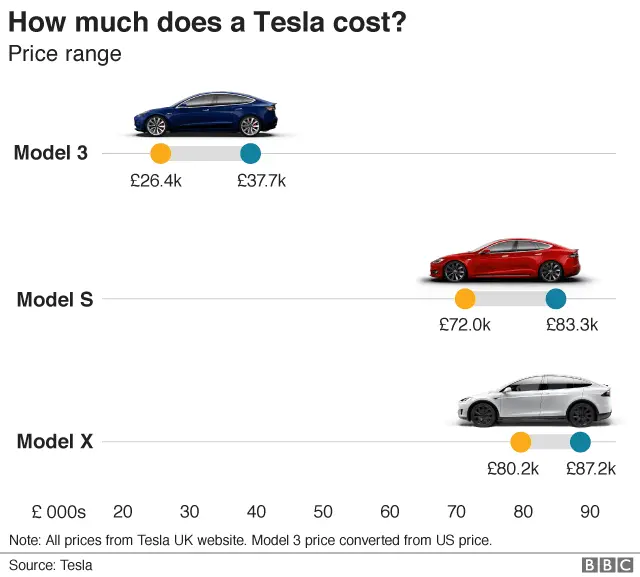
Tesla’s current lineup typically includes several core models, each catering to different needs and budgets. The entry point is often the Model 3, positioned as Tesla’s mass-market sedan, renowned for its balance of performance, range, and affordability within the Tesla ecosystem. Following that is the Model Y, a compact SUV that leverages much of the Model 3’s platform but offers greater utility and space, making it a popular choice for families. For those seeking more luxury, range, and exhilarating performance, the Model S sedan and Model X SUV sit at the pinnacle of Tesla’s offerings. These flagship models boast advanced features, larger batteries, and superior acceleration, commanding a premium price tag.
It’s crucial to note that Tesla frequently adjusts its pricing. Supply chain dynamics, production efficiencies, and market demand can lead to price fluctuations, sometimes multiple times within a year. Therefore, checking Tesla’s official website for the most current base prices for each model and its respective trim (e.g., Rear-Wheel Drive, Long Range, Performance) is always the most accurate approach. These base prices typically represent the vehicle in its most fundamental configuration, before any additions or governmental incentives.
Optional Upgrades and Feature Packages
Once a model is selected, buyers encounter a robust menu of optional upgrades, each adding to the total cost. These options are where personalization truly takes hold and where the price can climb rapidly.
- Full Self-Driving (FSD) Capability: This is arguably the most significant and often debated optional upgrade. FSD is an advanced driver-assistance system that, while not making the car fully autonomous in all situations, offers features like Navigate on Autopilot, Auto Lane Change, Autopark, Summon, and Traffic Light and Stop Sign Control. Its price is substantial, often representing a significant percentage of the car’s base cost. Tesla offers FSD as an upfront purchase or through a monthly subscription, providing financial flexibility for some.
- Premium Paint Colors: While a standard white or black might be included, opting for more vibrant or metallic finishes can add a few thousand dollars to the bill.
- Wheel Upgrades: Larger wheels or specialized designs enhance aesthetics and can subtly impact performance or range, but they come at an additional cost.
- Interior Upgrades: While Tesla interiors are generally minimalistic and high-quality, certain models might offer premium interior packages with enhanced materials, sound systems, or additional comfort features.
- Towing Package: For models like the Model Y and Model X, a towing hitch and associated software upgrade can be an optional extra for those needing to haul trailers.
- Third-Row Seating: The Model Y and Model X offer an optional third row, transforming them into seven-seater vehicles, albeit with a corresponding price increase.
Each of these choices, while enhancing the ownership experience, pushes the total investment upwards, making it essential for prospective buyers to carefully weigh their needs against their budget.
Regional Pricing Variations, Taxes, and Fees
The advertised price on Tesla’s configurator often excludes several additional costs that vary by region.
- Sales Tax: This is typically a percentage of the vehicle’s purchase price and is levied by state or local governments. The amount can be substantial, adding thousands to the final cost.
- Registration and Licensing Fees: Annual or biennial fees are required to register the vehicle with the state and obtain license plates. These vary widely by jurisdiction.
- Destination Fee: Tesla charges a non-negotiable destination fee, which covers the cost of transporting the vehicle from the factory to the delivery center. This is a standard charge across most car manufacturers.
- Order Fee: A non-refundable order fee is often required when placing an order, which is typically credited towards the final purchase price.
- Luxury Tax (where applicable): Some jurisdictions impose additional taxes on vehicles exceeding a certain price threshold.
Factoring in these additional fees and taxes is crucial for an accurate total cost assessment. They can collectively add thousands to tens of thousands of dollars to the “sticker price,” fundamentally altering the initial financial outlay.
Beyond the Purchase Price: Hidden and Ongoing Costs
The financial commitment to a Tesla doesn’t end with the initial purchase. Like any vehicle, owning a Tesla entails a range of ongoing expenses, some of which are unique to electric vehicles, and others that are common to all car ownership. Understanding these recurrent costs is vital for a realistic financial plan.
Financing and Interest Rates: Leasing vs. Buying
Most individuals finance their Tesla purchase, either through a loan or a lease. The choice between these two options carries significant financial implications.
- Buying (Loan): When buying, you own the vehicle outright after the loan is paid off. This typically involves a down payment and monthly payments over a set term (e.g., 60 or 72 months). The interest rate, determined by credit score and market conditions, directly impacts the total amount paid over the life of the loan. A higher interest rate means a higher total cost. Loans also often involve origination fees or other associated banking charges.
- Leasing: Leasing is essentially renting the vehicle for a fixed period (e.g., 24 or 36 months) with lower monthly payments compared to buying. At the end of the lease, you can return the car, purchase it, or lease a new one. While monthly payments are lower, you don’t build equity, and there are often mileage restrictions and wear-and-tear clauses that can incur additional costs if exceeded. Leasing can be attractive for those who prefer to drive new cars frequently and want to avoid the long-term commitment and depreciation risks of ownership, but it rarely results in lower overall cost if one continuously leases.
The decision between buying and leasing should be based on personal financial goals, driving habits, and an assessment of long-term ownership versus short-term flexibility.
Insurance Premiums for a Tesla
Insuring a Tesla can be significantly more expensive than insuring a comparable internal combustion engine (ICE) vehicle. Several factors contribute to this:
- Vehicle Value: Teslas are generally premium vehicles, and higher car values correlate with higher insurance premiums due to increased replacement costs in the event of a total loss.
- Repair Costs: Tesla’s advanced technology, aluminum body panels, and specialized components mean that even minor collisions can result in expensive repairs, requiring specialized technicians and parts. The battery pack, a core component, is also a high-value item to replace.
- Performance: Teslas are known for their rapid acceleration. Insurers often categorize high-performance vehicles as having a greater risk of accidents, leading to higher rates.
- Theft Risk: While not universally true, some regions may experience higher theft rates for desirable premium vehicles like Teslas.
- Data and Telematics: Some insurers offer discounts for vehicles with advanced safety features, but the overall cost structure often still makes Tesla insurance pricier.
It’s highly recommended to obtain multiple insurance quotes before purchasing a Tesla, as premiums can vary dramatically between providers and depend on the driver’s history, location, and chosen coverage. Some states even have Tesla-specific insurance options from Tesla itself.
Charging Costs: Home vs. Supercharger Network
The “fuel” cost for an electric vehicle is electricity, and this can vary significantly based on how and where you charge.
- Home Charging: The most economical way to charge a Tesla is typically at home, especially if you have access to off-peak electricity rates. Installing a Level 2 charger (like Tesla’s Wall Connector) provides faster charging than a standard wall outlet. The cost per kilowatt-hour (kWh) varies by utility provider and time of day, but generally, charging at home is substantially cheaper than buying gasoline for a comparable ICE vehicle. The initial installation cost of a home charger (including wiring and electrician fees) can range from a few hundred to over a thousand dollars, which is an upfront expense to consider.
- Tesla Supercharger Network: For long-distance travel or when home charging isn’t feasible, Tesla’s Supercharger network offers rapid charging. While incredibly convenient, Supercharger rates are higher than home electricity rates. They often vary by location and can sometimes be priced per kWh or per minute, depending on regional regulations. While still usually cheaper per mile than gasoline, frequent Supercharger use can significantly increase the operational cost compared to predominantly home charging.
- Third-Party Charging Networks: Other public charging networks (e.g., ChargePoint, EVgo) also have their own pricing structures, which can be per minute, per kWh, or a session fee. These typically fall between home charging and Supercharger costs.
Monitoring electricity rates and optimizing charging habits (e.g., charging overnight at home) can lead to considerable long-term savings.
Maintenance and Repairs
While Teslas are known for lower routine maintenance compared to ICE vehicles, they are not maintenance-free.
- Lower Routine Maintenance: EVs lack engine oil changes, spark plug replacements, air filter changes (for engine), and complex transmission services. This significantly reduces scheduled maintenance costs.
- Tire Wear: Due to the instant torque and heavier weight of EVs, tire wear can be more pronounced. Replacing tires, especially for larger performance wheels, can be a recurring expense.
- Brake Wear: Regenerative braking in Teslas means the friction brakes are used less frequently, leading to significantly longer brake pad and rotor life compared to ICE cars.
- Software Updates: Tesla vehicles receive over-the-air software updates, which can introduce new features and improve performance without physical visits to a service center.
- Unexpected Repairs: Despite robust engineering, electronic components, sensors, and the battery pack can require repairs or replacements. Out-of-warranty repairs for these specialized components can be costly. While batteries are covered by a long warranty (typically 8 years/100,000-120,000 miles), their eventual replacement cost needs to be factored into a very long-term financial outlook.
- Service Center Availability: While improving, service center availability can still be a factor for some owners, potentially requiring longer travel distances for repairs.
Overall, while the absence of traditional engine maintenance reduces many recurring costs, specific EV components and the advanced nature of the vehicle mean that certain repairs, when needed, can be more expensive.
The Long-Term Financial Picture: Value and Depreciation
Understanding the long-term financial implications of Tesla ownership involves assessing its resale value, depreciation trends, and the longevity of its core components, particularly the battery.
Resale Value and Market Demand
Historically, Teslas have demonstrated strong resale values, often outperforming many conventional luxury vehicles. Several factors contribute to this robust demand:

- Brand Appeal: Tesla’s strong brand image and desirability maintain high interest in its used vehicles.
- Technological Advancement: The perception of Teslas as being at the forefront of automotive technology, coupled with continuous over-the-air software updates, helps to keep older models feeling relatively current.
- EV Market Growth: The growing demand for electric vehicles generally supports higher resale values for popular EV models.
- Limited Supply: Despite increased production, the demand for Teslas, especially popular models like the Model 3 and Model Y, can still outstrip supply in some used markets, bolstering prices.
However, as EV technology rapidly evolves and new models or competitors enter the market, future depreciation trends could shift.
Depreciation Trends for EVs vs. ICE Vehicles
While Teslas have historically held their value well, the broader trend for electric vehicles compared to their ICE counterparts is complex.
- Early EV Depreciation: Some early EVs from other manufacturers did experience significant depreciation due to rapidly evolving battery technology and range anxiety.
- Tesla’s Resilience: Tesla, however, has often defied this trend, thanks to its superior battery tech, charging infrastructure, and software-defined vehicle approach. The ability to receive new features via software updates means a five-year-old Tesla might have capabilities that were not present at its original purchase.
- Future Market Dynamics: As battery costs decrease and range improves across the entire EV market, and as more compelling EV options emerge from traditional automakers, the depreciation curve for all EVs, including Teslas, could normalize or even accelerate for some older models if not continuously updated.
For current buyers, Tesla’s strong historical performance in retaining value offers a measure of financial confidence, but it’s not a guaranteed future trend.
Battery Longevity and Replacement Costs
The battery is the heart of an electric vehicle, and its longevity is a critical long-term financial consideration.
- Battery Warranties: Tesla offers substantial warranties on its battery packs, typically 8 years or 100,000-120,000 miles, depending on the model. This provides peace of mind for a significant portion of the vehicle’s lifespan.
- Degradation: Over time and usage, all lithium-ion batteries experience some degree of degradation, meaning their maximum capacity and therefore range slightly diminish. However, modern EV batteries are designed to be highly durable, and significant degradation within the warranty period is rare.
- Replacement Costs: If a battery pack needs replacement outside of warranty, it can be a substantial expense, potentially costing tens of thousands of dollars. However, full battery pack replacement is uncommon. More often, individual modules within the pack can be serviced or replaced, or repair techniques may evolve to be more cost-effective. The cost of batteries themselves is also continuously decreasing, which bodes well for future replacement costs.
For most owners, battery health will not be a significant financial concern during the typical ownership period (e.g., 5-10 years), thanks to robust warranties and improvements in battery technology.
Incentives, Savings, and Financial Advantages
While the upfront cost of a Tesla can be substantial, a complete financial analysis must account for the various incentives and long-term savings that can significantly offset the initial investment, making the total cost of ownership more competitive.
Federal, State, and Local Tax Credits and Rebates
Governments worldwide are incentivizing the adoption of electric vehicles to combat climate change, and these programs can provide considerable financial relief.
- Federal Tax Credits (USA): The United States offers federal tax credits for eligible new clean vehicles. The amount can be significant, often thousands of dollars, and depends on factors like battery capacity, vehicle assembly location, and the buyer’s income. Eligibility criteria and the available credit amounts can change frequently based on legislative updates, so checking current IRS guidelines is essential.
- State and Local Rebates: Many individual states, cities, and even local utility companies offer their own incentives. These can include additional rebates, tax credits, or vouchers that further reduce the effective purchase price. Some programs might also cover the cost of home charger installation.
- Purchase vs. Lease Eligibility: It’s important to understand whether these incentives apply to purchased vehicles, leased vehicles, or both, as the rules can differ. For leased vehicles, the lessor often claims the credit and may or may not pass the savings on to the lessee in the form of lower monthly payments.
These incentives can effectively reduce the purchase price by a significant margin, potentially making a Tesla more attainable for a wider range of budgets.
Fuel Savings Compared to Gasoline Vehicles
One of the most compelling financial advantages of owning an EV is the dramatic reduction in “fuel” costs.
- Lower Energy Costs: Electricity is generally much cheaper per mile than gasoline. The precise savings depend on local electricity rates, gasoline prices, and the efficiency of the vehicles being compared. However, owners can often save hundreds or even thousands of dollars annually on fuel costs.
- Home Charging Advantage: Maximizing home charging, especially during off-peak hours, further amplifies these savings. This predictable and often lower energy cost stands in stark contrast to the volatile and generally higher prices at the gas pump.
- Reduced Price Volatility: Electricity prices tend to be more stable than gasoline prices, offering greater predictability in budgeting for transportation costs.
Over several years of ownership, these cumulative fuel savings can represent a substantial return on investment.
Lower Maintenance Expenses (Generally)
As discussed earlier, the absence of complex ICE components like engines, transmissions, and exhaust systems translates into fewer moving parts and therefore less routine maintenance.
- No Oil Changes: Eliminating regular oil changes and associated filter replacements saves both time and money.
- Fewer Fluids: EVs require fewer fluid checks and replacements (e.g., no transmission fluid, less frequent coolant flushes).
- Extended Brake Life: Regenerative braking significantly extends the life of brake pads and rotors.
While specialized EV repairs can be costly if needed, the overall schedule for routine maintenance is significantly lighter and less expensive than for a comparable gasoline-powered vehicle, adding to the long-term savings.
Potential for HOV Lane Access and Other Perks
Beyond direct monetary savings, EV ownership can unlock various non-monetary, yet financially valuable, perks.
- High-Occupancy Vehicle (HOV) Lane Access: In many regions, single-occupant EVs are granted access to HOV lanes, which can save considerable time during commutes by bypassing traffic congestion. Time saved translates to value, and reduced stress.
- Preferential Parking: Some cities offer preferential parking spots or reduced parking fees for EVs.
- Exemption from Emissions Testing: EVs are exempt from emissions testing, eliminating associated fees and time commitments.
- Reduced Tolls: A few jurisdictions offer reduced or free tolls for electric vehicles.
These benefits, while not directly reducing the purchase price, enhance the ownership experience and can indirectly lead to financial savings or increased productivity.
Is a Tesla a Sound Financial Decision? A Holistic View
Ultimately, determining whether a Tesla is a sound financial decision requires a personalized cost-benefit analysis that weighs all the factors discussed against individual financial circumstances and priorities.
Cost-Benefit Analysis for Different Budgets
- For the Budget-Conscious: While not a “cheap” car, the Model 3 and Model Y, especially with federal and state incentives, can become surprisingly competitive in the total cost of ownership when compared against premium gasoline sedans or SUVs. The significant fuel and maintenance savings over several years can close the gap with lower-priced alternatives. However, the initial capital outlay remains substantial.
- For the Mid-Range Buyer: The Model 3 Long Range or Model Y Long Range offer a compelling blend of range, performance, and features. For these buyers, the combination of incentives, reduced running costs, and strong resale value can present a very attractive financial proposition, often making the total cost of ownership comparable to, or even lower than, a similarly spec’d luxury ICE vehicle.
- For the Luxury Seeker: The Model S and Model X, while expensive, provide unparalleled performance and technology. For this segment, the financial decision is often less about absolute savings and more about the value derived from cutting-edge technology, luxury, and environmental consciousness, with the operational savings being an added bonus.
Crucially, the “total cost of ownership” metric, which includes depreciation, fuel, insurance, maintenance, and finance charges over a set period, is a far more accurate gauge than just the sticker price.
Future Value Proposition and Technological Advancement
Tesla’s continuous innovation through software updates is a unique financial differentiator. A Tesla purchased today may gain new features or performance improvements through over-the-air updates, potentially enhancing its utility and mitigating some aspects of depreciation compared to a vehicle whose features are fixed at the point of sale. This commitment to continuous improvement adds an element of future-proofing that can protect the investment. However, the rapid pace of technological change also means that completely new hardware or battery architectures could emerge, potentially making older models less desirable over a very long timeframe.
The Environmental Premium
Beyond pure financial metrics, many Tesla buyers factor in an “environmental premium.” The decision to purchase an electric vehicle often stems from a desire to reduce one’s carbon footprint and contribute to a more sustainable future. While quantifying this “cost” or “benefit” in monetary terms is challenging, for many, the value of environmental responsibility is a significant driver and part of their overall financial calculus, justifying the investment even if the pure economic savings aren’t overwhelmingly superior in all scenarios.
In conclusion, the cost of a Tesla is a complex equation with many variables. It extends well beyond the initial purchase price, encompassing a spectrum of ongoing expenses, potential long-term savings, and valuable incentives. For many, the financial proposition of a Tesla, when viewed holistically through the lens of total cost of ownership, proves to be a sound and often competitive investment, delivering not just advanced mobility but also significant economic and environmental benefits over its lifetime. However, a thorough personal financial assessment and careful consideration of all factors are paramount before making this exciting, yet significant, financial commitment.
aViewFromTheCave is a participant in the Amazon Services LLC Associates Program, an affiliate advertising program designed to provide a means for sites to earn advertising fees by advertising and linking to Amazon.com. Amazon, the Amazon logo, AmazonSupply, and the AmazonSupply logo are trademarks of Amazon.com, Inc. or its affiliates. As an Amazon Associate we earn affiliate commissions from qualifying purchases.