
The allure of a Tesla is undeniable. From its sleek design and cutting-edge technology to its promise of sustainable transportation, it has captured the imagination of millions. However, for many prospective owners, the immediate and most pressing question isn’t about horsepower or autopilot features, but rather a straightforward financial inquiry: “How much is a Tesla?” This seemingly simple question opens a Pandora’s box of financial considerations that extend far beyond the initial sticker price. Owning a Tesla represents a significant investment, and understanding its true financial implications requires a deep dive into upfront costs, financing options, ongoing operational expenses, and the often-overlooked long-term value proposition. This article aims to provide a professional and insightful exploration into the full financial spectrum of Tesla ownership, empowering you to make an informed decision within the realm of personal finance and investing.
Demystifying the Upfront Price Tag of a Tesla
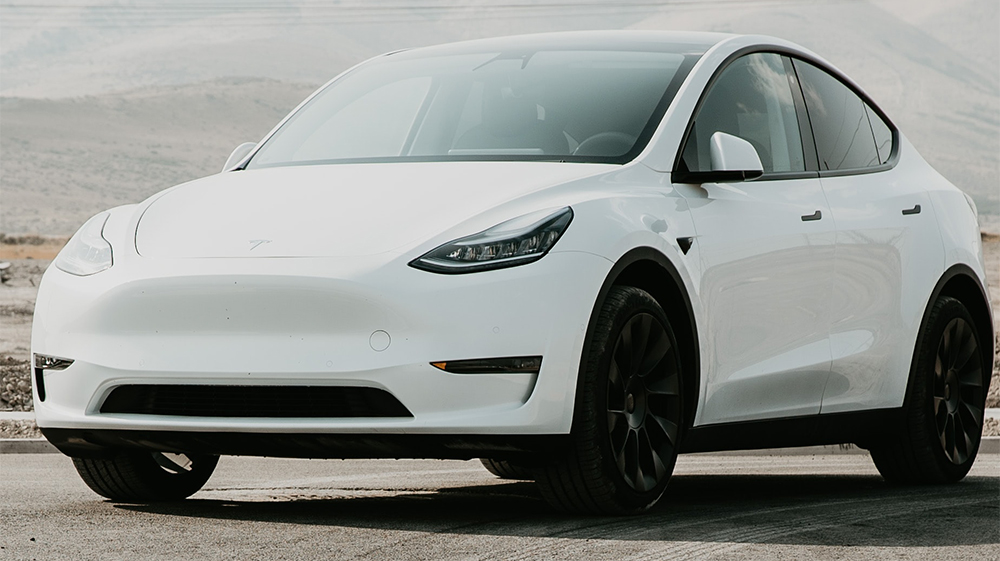
The journey to owning a Tesla begins with its initial purchase price, which varies significantly across models and configurations. Unlike traditional car buying, Tesla’s direct-to-consumer sales model provides a transparent, albeit fluctuating, pricing structure directly on their website. Understanding this starting point is crucial for any financial planning.
Exploring Model-Specific Pricing
Tesla offers a range of vehicles catering to different needs and budgets, each with its own base price. As of late 2023/early 2024, these prices are subject to frequent adjustments based on production efficiencies, demand, and market conditions, making real-time consultation of Tesla’s official site essential.
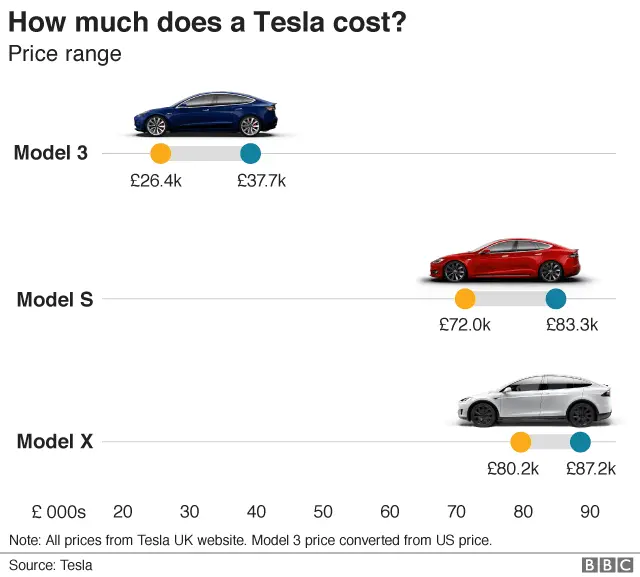
- Model 3: Often considered Tesla’s entry-level sedan, the Model 3 typically starts in the low to mid-$40,000s for its rear-wheel drive (RWD) variant. The Long Range all-wheel drive (AWD) version will command a higher price, usually in the mid-$50,000s. It’s a popular choice for those seeking performance and efficiency without the premium price tag of larger models.
- Model Y: The compact SUV variant, the Model Y, is one of Tesla’s best-sellers due to its versatility, cargo space, and competitive pricing. The RWD Model Y often begins in the upper-$40,000s, with the Long Range AWD version crossing into the mid-$50,000s. Its family-friendly nature and elevated driving position make it appealing to a broad demographic.
- Model S: Tesla’s flagship luxury sedan, the Model S, represents the pinnacle of their passenger vehicle offerings in terms of performance, range, and premium features. Its price point typically starts in the low to mid-$70,000s for the Dual Motor All-Wheel Drive, escalating significantly for the high-performance Plaid variant which can easily exceed $80,000.
- Model X: The Model X is Tesla’s luxury SUV, renowned for its distinctive Falcon Wing doors and generous seating options. It shares the premium pricing tier with the Model S, with base models often starting in the high-$70,000s and the Plaid version comfortably surpassing $90,000.
- Cybertruck: The revolutionary electric pickup truck, the Cybertruck, entered the market with various configurations. Its pricing is expected to range significantly depending on the variant (e.g., Rear-Wheel Drive, All-Wheel Drive, Cyberbeast), with initial estimates placing the entry point in the low-$60,000s and the top-tier models well over $90,000. The specific financial details for the Cybertruck are particularly fluid post-launch.
Understanding Trim Levels and Optional Add-ons
Beyond the base model, the final price of your Tesla is heavily influenced by your choice of trim level and optional features. Each model typically offers variants like “Standard Range,” “Long Range,” and “Performance,” with “Performance” trims generally adding significant cost due to enhanced motors, upgraded brakes, and performance-oriented aesthetics.
Optional add-ons can further inflate the price. Key considerations include:
- Full Self-Driving (FSD) Capability: This is arguably the most significant single optional expense. FSD, which includes features like Navigate on Autopilot, Auto Lane Change, Autopark, Summon, Traffic Light and Stop Sign Control, and Full Self-Driving Computer (upgrade), represents a substantial investment. While its capabilities are continually evolving, the upfront cost, often in the five figures, can add 15-25% to the total price of a Model 3 or Y. It can also be purchased as a monthly subscription, offering financial flexibility but potentially higher long-term cost.
- Paint Color: While a basic color (e.g., Pearl White Multi-Coat) might be standard, other premium colors like Midnight Silver Metallic, Deep Blue Metallic, Solid Black, or Red Multi-Coat can add an extra few thousand dollars to the price.
- Wheel Upgrades: Standard wheels often come with the base price, but larger or aerodynamically optimized wheel designs are available for an additional cost, typically ranging from $1,000 to $2,500.
- Interior Upgrades: While standard interiors are generally well-appointed, some models offer premium interior packages or specific color choices (e.g., black and white) for an extra charge.
- Seating Configuration: For models like the Model Y, the option for a third row of seating (seven-seater configuration) will come with an additional cost.
These choices can quickly push a Model 3 or Y into the price bracket of a base Model S or X, highlighting the importance of careful budgeting and prioritization.
The Impact of Fees, Taxes, and Delivery Charges
The advertised price on Tesla’s configurator is not the final amount you’ll pay. Several mandatory fees and taxes must be factored into your financial calculations:
- Destination Fee: Tesla charges a non-negotiable destination fee (also known as a delivery fee) for transporting the vehicle from the factory to your delivery center. This is typically around $1,390 to $1,640 and is standard across the industry.
- Order Fee: A non-refundable order fee, usually $250, is charged when you place your order.
- Sales Tax: This is often the largest additional cost and varies significantly by state, county, and city. Depending on your location and the vehicle’s price, sales tax can add thousands of dollars to your total outlay. Some states also levy excise taxes or specific EV taxes.
- Registration and Licensing Fees: These are state-specific fees required to register your vehicle and obtain license plates. They can include tag fees, title fees, and sometimes additional fees for electric vehicles to offset lost gas tax revenue.
- Documentation Fee (Doc Fee): While Tesla’s direct sales model often minimizes traditional dealer doc fees, some local regulations or specific delivery procedures might incur minor administrative costs.
Factoring in these additional costs, a Model 3 with a sticker price of $45,000 could easily push past $50,000 once taxes and fees are applied, underscoring the need for a comprehensive financial outlook from the outset.
Navigating Financing and Acquisition Strategies
Once you have a clear picture of the upfront costs, the next critical financial decision involves how you will acquire the vehicle. Tesla, like traditional dealerships, offers several pathways to ownership: cash purchase, loan, or lease. Each method carries distinct financial implications and benefits.
Cash, Loan, or Lease: Which Path Makes Financial Sense?
- Cash Purchase: Paying cash upfront is the most straightforward financially. It eliminates interest payments, simplifying your budget and making the Tesla a pure asset on your balance sheet from day one. However, it ties up a significant amount of capital that could potentially be invested elsewhere for higher returns. For those with substantial liquid assets, it offers peace of mind and no ongoing monthly car payments.
- Loan (Financing): The most common method of acquiring a Tesla, a loan allows you to spread the cost over several years, making the vehicle more accessible. You’ll make monthly payments consisting of principal and interest. The key financial factors here are the interest rate and the loan term.
- Lease: Leasing a Tesla involves paying for the depreciation of the vehicle over a set period (typically 24-48 months) rather than buying it outright. Monthly lease payments are generally lower than loan payments for the same vehicle, making it appealing for those who want lower monthly costs or prefer to drive a new car every few years. At the end of the lease, you typically return the car, although some leases may offer a purchase option. However, lessees do not build equity, face mileage restrictions, and may incur wear-and-tear charges.
Unpacking Interest Rates, Loan Terms, and Down Payments
For those opting for a loan, understanding the variables is paramount to managing your personal finance:
- Interest Rate (APR): This is the cost of borrowing money, expressed as a percentage. A lower APR directly translates to lower overall interest paid over the life of the loan. Your credit score is the primary determinant of the interest rate you’ll qualify for. Tesla works with various financial institutions, and it’s always advisable to shop around for the best rates from banks and credit unions independently, even if using Tesla’s financing portal.
- Loan Term: This refers to the duration of the loan, typically ranging from 36 to 72 months (3 to 6 years), sometimes longer. Longer terms result in lower monthly payments but accumulate more interest over time, increasing the total cost of the vehicle. Shorter terms mean higher monthly payments but less interest paid overall.
- Down Payment: A down payment is the initial sum of money you pay towards the purchase of the vehicle. A larger down payment reduces the amount you need to borrow, thereby lowering your monthly payments and the total interest you’ll pay. It also helps in securing better loan terms and reduces your loan-to-value ratio, which is attractive to lenders.
A hypothetical $50,000 Tesla loan at 6% APR over 60 months would incur approximately $7,900 in interest alone. Adjusting the term or down payment can significantly alter these figures, underscoring the importance of financial modeling before committing.
The Financial Nuances of Tesla Leasing
Leasing a Tesla offers a distinct set of financial pros and cons:
- Lower Monthly Payments: As you’re only paying for the vehicle’s depreciation, lease payments are generally lower than finance payments for the same model, freeing up cash flow.
- No Resale Hassle: At the end of the lease, you simply return the car (assuming it meets mileage and condition requirements), avoiding the complexities of selling a used vehicle.
- Always Driving New Tech: Leasing allows you to upgrade to the latest Tesla model with new features and improved battery technology every few years.
- Limited Customization: Lease agreements typically restrict modifications to the vehicle.
- Mileage Restrictions: Leases come with annual mileage limits (e.g., 10,000, 12,000, or 15,000 miles per year). Exceeding these limits results in hefty per-mile penalties, which can quickly erase any financial savings.
- No Equity: You don’t own the vehicle and therefore build no equity. This is a critical distinction from a financial perspective compared to a loan, where payments contribute to ownership.
- Excess Wear and Tear Fees: Damage beyond normal wear and tear can result in additional charges at lease end.
- Purchase Option: Some Tesla leases offer the option to buy the car at a predetermined residual value at the end of the term, though this may not always be the most financially advantageous route depending on market conditions.
From an investing standpoint, leasing can be viewed as an expense rather than an asset acquisition, aligning more with a subscription model for transportation.
Beyond the Purchase: Unveiling Tesla’s True Cost of Ownership
The financial discussion around a Tesla doesn’t end with its purchase or financing. The true cost of ownership (TCO) encompasses a range of ongoing expenses and potential savings that can significantly impact your personal budget over the vehicle’s lifespan. Ignoring these factors would lead to an incomplete financial picture.
Charging Up Your Budget: Electricity Costs vs. Fuel Savings
One of the most touted financial benefits of an EV is the elimination of gasoline costs. However, electricity isn’t free, and charging costs can vary widely.

- Home Charging: The most cost-effective method is charging at home, especially during off-peak hours if your utility offers time-of-use rates. The average cost of electricity in the U.S. can range from $0.10 to $0.30 per kWh. A Tesla Model 3 Long Range with a 75 kWh battery, if charged from empty to full at $0.15/kWh, would cost approximately $11.25. If you drive 1,000 miles a month and your Tesla averages 4 miles per kWh (a conservative estimate), your monthly electricity bill for charging could be around $37.50 ($0.15 * (1000 miles / 4 miles/kWh)). This is often significantly less than spending $100-$200+ per month on gasoline.
- Supercharger Network: Tesla’s proprietary Supercharger network offers rapid charging but at a higher per-kWh rate than home charging. Supercharger rates vary by location and time of day but can often range from $0.25 to $0.50 per kWh, sometimes higher in peak areas. While convenient for road trips, relying heavily on Superchargers can diminish the financial savings compared to gasoline.
- Third-Party Chargers: Public chargers from networks like Electrify America, ChargePoint, or EVgo also have varying pricing models, often based on kWh, time, or session.
- Solar Panel Integration: For homeowners with solar panels, the “fuel” cost can effectively drop to zero, representing a major long-term financial advantage and a substantial return on investment for the solar system.
Calculating your personal fuel savings requires comparing your current gasoline expenditure to your estimated electricity costs based on your driving habits and local electricity rates.
Maintenance and Insurance: Long-Term Financial Considerations
While EVs are generally known for lower maintenance requirements, they are not maintenance-free.
- Maintenance: Teslas have fewer moving parts than internal combustion engine (ICE) vehicles, meaning no oil changes, spark plug replacements, or fuel filter changes. However, they still require:
- Tire Rotations and Replacements: Due to instantaneous torque and vehicle weight, tires on Teslas can wear faster than on some ICE cars. Tire replacement costs can be significant.
- Brake Checks: Regenerative braking significantly reduces wear on physical brake pads, but periodic checks are still necessary.
- Cabin Air Filter Replacements: Recommended every 1-2 years.
- Windshield Wiper Fluid/Blades: Standard vehicle consumables.
- Battery Degradation: While covered by warranty for a long period, gradual battery degradation over years is a factor, although modern Tesla batteries are designed for longevity.
- Unexpected Repairs: Like any complex vehicle, components can fail, and specific EV parts or bodywork can be expensive to repair.
- Insurance: Tesla insurance premiums can be notably higher than for comparable ICE vehicles. Several factors contribute to this:
- High Repair Costs: Teslas are technologically advanced, often requiring specialized parts and labor, and even minor fender benders can involve expensive sensor replacements.
- Performance: Many Teslas are high-performance vehicles, which typically command higher insurance rates.
- Theft Risk: While Teslas have advanced security features, their desirability can make them targets.
- Tesla Insurance: In some states, Tesla offers its own insurance, which leverages real-time driving data (with owner consent) to provide potentially lower rates for safe drivers. It’s crucial to obtain quotes from multiple providers before purchasing.
Budgeting for these ongoing costs is essential, as they form a significant part of the TCO.
Government Incentives, Tax Credits, and Their Monetary Impact
One of the most attractive financial benefits of purchasing an EV is the availability of government incentives, which can significantly reduce the effective cost of a Tesla.
- Federal Tax Credits: The U.S. federal government, through the Inflation Reduction Act (IRA), offers a tax credit for new clean vehicles. The amount (currently up to $7,500) depends on several factors: the vehicle’s manufacturing location, battery component sourcing, battery material sourcing, and the buyer’s income level. Crucially, the vehicle’s Manufacturer’s Suggested Retail Price (MSRP) also has a cap ($55,000 for sedans, $80,000 for SUVs/trucks). Many Tesla models, especially higher trims or the Model S/X, may not qualify due to price caps, and eligibility for all models can change based on evolving IRS guidance.
- State and Local Incentives: Many states, municipalities, and utility companies offer additional incentives. These can include:
- State Tax Credits or Rebates: Direct cash back or tax credits for EV purchases or leases.
- HOV Lane Access: Some states grant single-occupant EVs access to high-occupancy vehicle (HOV) lanes, providing a non-monetary but valuable benefit in terms of time savings.
- Utility Rebates: Some electric utility providers offer rebates for installing Level 2 home charging stations.
- Reduced Registration Fees: A few states offer reduced registration fees for EVs.
These incentives can considerably offset the upfront cost of a Tesla, sometimes by thousands of dollars. It’s imperative for prospective buyers to research current federal, state, and local programs at the time of purchase, as eligibility criteria and availability are subject to frequent change. Consulting a tax professional for guidance on federal tax credits is highly recommended.
The Long-Term Financial Perspective: Depreciation and Resale Value
When considering the total financial picture, a key element is the vehicle’s long-term value, specifically its depreciation and potential resale value. For many, a car is a depreciating asset, but certain vehicles hold their value better than others.
Tesla’s Market Value: A Strong Asset or a Depreciating Liability?
Historically, Teslas have exhibited strong resale values compared to many traditional ICE vehicles, often due to high demand, continuous software updates (which keep older models feeling modern), and limited supply in the used market. However, market dynamics are constantly shifting.
Factors influencing Tesla’s depreciation and resale value include:
- Demand: Sustained high demand for new and used Teslas helps prop up resale prices.
- Technological Updates: Tesla’s over-the-air (OTA) software updates can add new features and improve performance, which can reduce the “obsolescence factor” that often plagues older tech-heavy cars.
- Battery Health: The condition and estimated remaining range of the battery are crucial for used EV buyers. Teslas generally have robust battery management systems.
- New Model Releases and Price Adjustments: Tesla’s frequent price adjustments for new vehicles can directly impact the value of existing used models. Aggressive price cuts on new cars can lead to a quicker depreciation for models already on the road.
- FSD Value: The transferability and perceived value of the Full Self-Driving package in the used market can be a complex factor.
While Teslas have generally been considered strong in retaining value, the rapidly evolving EV market, increased competition, and Tesla’s own pricing strategies mean that future depreciation rates could fluctuate. It’s not an appreciating asset in the traditional sense, but its rate of depreciation has often been more favorable than many competitors.
Factors Influencing Resale Value and Future Planning
For owners planning to sell their Tesla down the line, several aspects can influence its eventual resale price:
- Maintenance History: A well-documented service history, even if minimal, reassures potential buyers.
- Vehicle Condition: General wear and tear, cosmetic damage, and interior condition play a significant role.
- Mileage: Lower mileage typically translates to higher resale value.
- Software Updates: Ensuring the vehicle is up-to-date with the latest software helps maintain its technological relevance.
- FSD Status: Whether FSD is included and transferable can add value, though its exact monetary impact is still debated.
- Warranty Remaining: The balance of the original vehicle and battery warranty is a major selling point for used EVs.
Understanding these factors allows current owners to make choices that optimize their vehicle’s financial position for future resale, whether through diligent maintenance or strategic timing of upgrades.
Is a Tesla a Smart Financial Decision for You?
Ultimately, the question of “how much is a Tesla?” culminates in a personal financial assessment. Beyond the raw numbers, it’s about evaluating whether the investment aligns with your budget, financial goals, and values.
Budgeting and Affordability: Assessing Your Personal Financial Landscape
Before committing to a Tesla, a thorough self-assessment of your personal finances is paramount.
- Total Cost, Not Just Monthly Payments: Calculate the true total cost, including purchase price, taxes, fees, financing costs, insurance, and estimated charging and maintenance.
- Emergency Fund: Ensure you have a robust emergency fund to cover unexpected expenses, especially given potential higher insurance or repair costs.
- Debt-to-Income Ratio: Consider how a new car payment will affect your overall debt burden. Financial advisors often recommend that car payments (including insurance) should not exceed 10-15% of your net monthly income.
- Opportunity Cost: Consider what else that money (whether a large cash payment or ongoing monthly sums) could be doing for you financially – investing in retirement, paying down high-interest debt, or funding other life goals.
A Tesla is a significant luxury purchase for many, and it’s vital to ensure it fits comfortably within your financial means without jeopardizing other financial priorities.
Weighing the Environmental Benefits Against Economic Realities
For many, the decision to buy a Tesla extends beyond pure financial calculations. The desire to reduce one’s carbon footprint and embrace sustainable technology is a powerful motivator.
- Environmental Impact: Driving an EV contributes to reduced tailpipe emissions and supports the transition to renewable energy. This “green” dividend is a non-monetary benefit that holds significant value for environmentally conscious individuals.
- Energy Independence: Reducing reliance on fossil fuels, especially if charging with renewable energy, can be seen as a form of personal energy independence, a valuable long-term asset.
- Technological Advancement: Owning a Tesla means engaging with cutting-edge automotive technology, which can be an enriching experience in itself.
From a purely financial perspective, these benefits don’t directly save money (beyond fuel savings), but they contribute to a perceived value that goes beyond the balance sheet. For some, the premium paid for a Tesla is an investment in a cleaner future and an advanced driving experience. However, it’s crucial to distinguish between financial returns and personal values. A smart financial decision balances both, ensuring that the pursuit of personal values does not derail fundamental financial stability.
In conclusion, “how much is a Tesla?” is a multifaceted question with layers of financial implications. From the initial sticker price, influenced by model, trim, and optional features, to the significant impact of financing choices, ongoing operating costs, and long-term resale value, every aspect demands careful consideration. While the allure of sustainable technology and exhilarating performance is strong, a truly informed decision must be anchored in a comprehensive understanding of the financial commitment involved, ensuring that the dream of Tesla ownership aligns with sound personal finance principles.
aViewFromTheCave is a participant in the Amazon Services LLC Associates Program, an affiliate advertising program designed to provide a means for sites to earn advertising fees by advertising and linking to Amazon.com. Amazon, the Amazon logo, AmazonSupply, and the AmazonSupply logo are trademarks of Amazon.com, Inc. or its affiliates. As an Amazon Associate we earn affiliate commissions from qualifying purchases.