
The allure of a Tesla is undeniable, combining cutting-edge technology with sustainable driving. Yet, for many prospective buyers, the primary question isn’t about the autopilot features or acceleration, but rather, “How much does it truly cost?” Understanding the financial commitment involved in owning a Tesla goes far beyond the initial sticker price. It involves a nuanced look at model variations, optional upgrades, the total cost of ownership, and various financial incentives that can significantly alter the final outlay. This article will meticulously break down the monetary aspects of acquiring and maintaining a Tesla, providing a comprehensive financial guide for anyone considering making the switch to electric.
Decoding Tesla’s Pricing Structure: The Initial Outlay
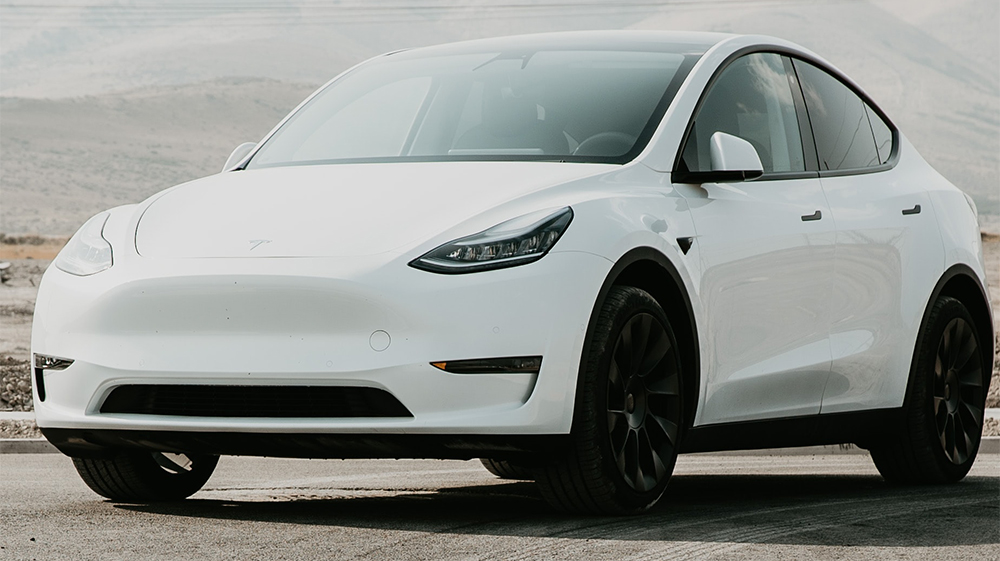
The cost of a Tesla car is not a fixed number; it’s a dynamic figure influenced by the chosen model, configuration, and market specifics. Tesla’s direct-to-consumer sales model means pricing is transparently listed on their website, but understanding what contributes to that figure is crucial.
Base Models vs. Upgrades: The Starting Point
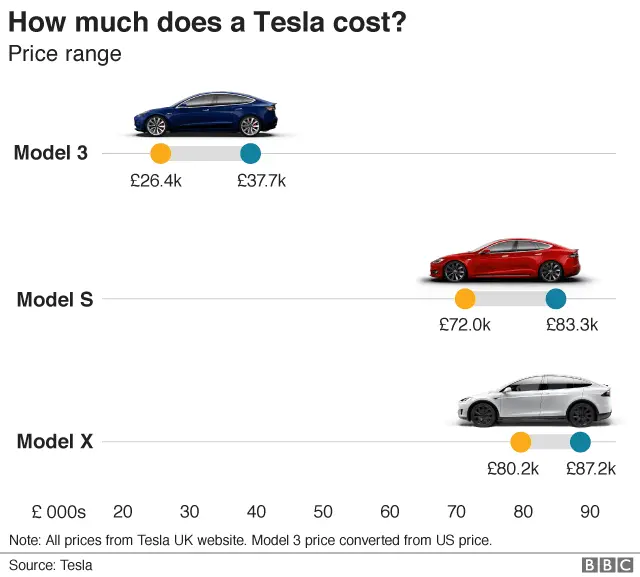
Tesla’s lineup typically includes the Model 3 (entry-level sedan), Model Y (compact SUV), Model S (luxury sedan), and Model X (luxury SUV). Each model has different trim levels, primarily differentiated by range and performance, which form the base price. For instance, a base Model 3 Rear-Wheel Drive will be significantly less expensive than a Model S Plaid.
The journey from a base model to a fully equipped vehicle involves several choices, each adding to the final price tag:
- Performance Upgrades: Higher performance variants (e.g., Long Range, Performance, Plaid) offer quicker acceleration and often longer range, commanding a substantial premium over the standard rear-wheel drive models.
- Paint Colors: While a standard color (typically white) is included, other metallic or multi-coat finishes come with an additional charge.
- Wheel Upgrades: Different wheel designs and sizes are available, impacting both aesthetics and, in some cases, range, with corresponding cost increases.
- Interior Choices: Premium interiors, usually black or white, might be standard on higher trims but an upgrade option on lower ones, sometimes at an extra cost for specific colors or materials.
- Towing Package: For models like the Model Y, a towing hitch can be added for an additional fee.
These seemingly small additions can quickly escalate the total purchase price, sometimes by thousands of dollars, pushing the vehicle into a higher budget bracket than initially anticipated.
Software Enhancements and Subscription Costs
One unique aspect of Tesla ownership, from a financial perspective, is the significant role of software. Beyond the hardware, Tesla offers powerful software enhancements that, while enhancing the driving experience, also add to the financial commitment.
- Full Self-Driving (FSD) Capability: This is arguably the most significant software add-on. FSD, which includes features like Navigate on Autopilot, Auto Lane Change, Autopark, Summon, Smart Summon, and upcoming Full Self-Driving capabilities, is a substantial upfront investment. Its price has historically fluctuated and continues to represent a significant portion of the total vehicle cost. Alternatively, Tesla offers FSD as a monthly subscription, allowing owners to access the features without the large upfront payment, but incurring ongoing costs. This choice requires careful financial consideration based on projected ownership duration and budget flexibility.
- Premium Connectivity: Essential for features like live traffic visualization, satellite-view maps, video streaming (e.g., Netflix, YouTube), Caraoke, music streaming, and an internet browser, Premium Connectivity is typically free for a trial period upon purchase. After that, it becomes a monthly subscription. While not as expensive as FSD, it’s an ongoing expense that adds to the total cost of ownership for those who wish to utilize these conveniences. Without it, the car still functions, but many of the “smart car” features are limited to Wi-Fi access.
These software elements highlight that the financial planning for a Tesla extends beyond the physical vehicle, encompassing digital services that enhance its utility and enjoyment.
Regional Differences and Taxes
The sticker price you see online is often before local taxes and fees are applied, which can vary significantly by region, country, and even state/province.
- Sales Tax/VAT: Almost every jurisdiction will levy a sales tax or Value Added Tax (VAT) on the purchase of a new vehicle. This can add thousands of dollars to the final price, depending on the tax rate and the vehicle’s cost.
- Registration and Licensing Fees: Annual or biennial fees for vehicle registration, license plates, and other administrative costs are standard across most regions.
- Delivery and Destination Fees: Tesla, like other manufacturers, charges a non-negotiable delivery or destination fee to transport the vehicle from the factory to the delivery center. This is usually listed separately but is a mandatory part of the purchase.
- Luxury Taxes/Import Duties: Some countries or regions impose additional luxury taxes on high-value vehicles or import duties if the vehicle is manufactured abroad, further inflating the final price.
Prospective buyers must research these local costs thoroughly to arrive at a realistic total purchase figure, as they can easily add 5-15% to the base vehicle price.
Beyond the Sticker Price: Total Cost of Ownership (TCO)
While the purchase price is the most immediate financial hurdle, a comprehensive understanding of Tesla ownership demands an analysis of the Total Cost of Ownership (TCO). This includes ongoing operational expenses, which for an EV, can present both significant savings and unique costs compared to traditional internal combustion engine (ICE) vehicles.
Fuel Savings vs. Electricity Costs
One of the most compelling financial arguments for an EV is the reduced “fuel” cost. Electricity is generally cheaper per mile than gasoline.
- Charging at Home: The most economical way to “fuel” a Tesla is usually by charging at home, particularly overnight when electricity rates may be lower. The cost per kilowatt-hour (kWh) varies widely by utility provider and region, but calculating your average cost per mile based on your car’s efficiency (Wh/mile or kWh/100 miles) can reveal substantial savings compared to gasoline. Installing a Level 2 charger (like Tesla Wall Connector) might be an initial investment, but it significantly enhances convenience and charging speed.
- Supercharging Network: For longer trips or when home charging isn’t an option, Tesla’s Supercharger network offers rapid charging. However, Supercharging rates are typically higher than home electricity rates and can vary by location and time of day. While still often cheaper than gasoline, frequent Supercharger use will erode some of the “fuel savings” benefit.
- Public Charging: Third-party public charging stations (Level 2 or DC fast chargers) have varying pricing structures—per kWh, per minute, or session fees. These can also add to the operational cost, sometimes at a premium for convenience.
Over several years, these electricity savings can amount to thousands of dollars, making a strong financial case for EV ownership, particularly for high-mileage drivers.
Insurance Premiums for EVs
Anecdotal evidence and some data suggest that insurance premiums for Teslas can be higher than for comparable ICE vehicles. Several factors contribute to this:
- Higher Purchase Price: More expensive vehicles generally cost more to insure.
- Repair Costs: Tesla’s advanced technology, specialized parts, and aluminum body construction can lead to higher repair costs after an accident. This is compounded by the fact that fewer body shops are certified to work on Teslas, potentially increasing labor and parts costs.
- Performance: Teslas are known for their quick acceleration, which insurers might associate with a higher risk of accidents.
- Security Features: While Teslas come with advanced security features, the overall risk profile perceived by insurers can still result in higher premiums.
It is crucial for prospective buyers to obtain insurance quotes before purchasing a Tesla to factor this significant ongoing expense into their budget.
Maintenance and Repair Realities
Electric vehicles are often touted for their lower maintenance needs due to fewer moving parts compared to ICE cars. This is largely true, but there are specific considerations for Teslas:
- Reduced Routine Maintenance: No oil changes, spark plugs, or complex exhaust systems mean less frequent scheduled maintenance. Tire rotations and cabin air filter replacements are still necessary.
- Brake Wear: Regenerative braking significantly reduces wear on physical brake pads, meaning they last much longer.
- Specialized Servicing: While routine maintenance is less frequent, when repairs are needed, they often require Tesla-certified technicians and genuine Tesla parts. This can sometimes lead to higher repair costs compared to a general mechanic for an ICE car. Battery health and replacement, though rare, represent a substantial potential future cost that owners need to be aware of, even if covered by long warranties.
- Software Updates: Over-the-air software updates can improve vehicle functionality and even range, potentially reducing the need for service center visits for certain issues.
Overall, maintenance costs are generally lower for Teslas than ICE vehicles, but potential repair costs for complex issues can be higher.
Depreciation and Resale Value
Depreciation is the largest hidden cost of vehicle ownership. For Teslas, the depreciation curve has shown interesting trends.
- Strong Resale Value (Historically): Teslas have historically held their value exceptionally well, often outperforming many luxury ICE vehicles. This is due to brand demand, constant software improvements (which can keep older models feeling modern), and limited supply.
- Market Fluctuations: However, Tesla’s aggressive pricing adjustments (frequent price cuts on new vehicles) can impact the resale value of existing cars. Owners who purchased at a higher price point might see their vehicle depreciate faster than expected if Tesla subsequently lowers the price of new models.
- Battery Degradation: While Tesla batteries are designed for longevity, some degradation occurs over time. This can eventually affect resale value, though for most vehicles within a typical ownership period, it’s not a major factor.
Understanding these dynamics is vital for anyone considering the long-term financial implications and potential equity of their Tesla investment.

Financial Incentives and How They Impact Your Wallet
Government incentives play a significant role in making EVs, including Teslas, more financially accessible. These can dramatically reduce the net cost of ownership.
Federal Tax Credits
In many countries, governments offer tax credits for the purchase of new electric vehicles to encourage adoption. In the United States, for example, the Inflation Reduction Act (IRA) introduced new federal tax credit criteria. These credits are often tied to specific manufacturing origins, battery component sourcing, and vehicle price caps. Eligibility for Teslas can vary based on the model, battery sourcing, and the buyer’s Adjusted Gross Income (AGI). A substantial federal tax credit can reduce the effective purchase price by thousands of dollars, making a Tesla significantly more affordable. It’s crucial for buyers to verify current eligibility requirements at the time of purchase.
State and Local Rebates
Beyond federal programs, many state, provincial, and local governments offer their own incentives for EV purchases or leases. These can include:
- Direct Rebates: Cash rebates provided at the point of sale or after purchase.
- Tax Credits: State-level income tax credits.
- Reduced Registration Fees: Lower annual fees for EVs.
- HOV Lane Access: Permits allowing single-occupant EVs to use high-occupancy vehicle lanes, offering a non-monetary but valuable benefit.
These localized incentives can stack on top of federal benefits, further sweetening the financial deal. Buyers should research programs specific to their residential area.
Charging Infrastructure Incentives
The cost of installing a home charging solution can be another barrier. To mitigate this, some governments and utility companies offer incentives for setting up charging infrastructure:
- Tax Credits for Home Chargers: Federal or state tax credits for the purchase and installation of Level 2 home charging equipment.
- Utility Rebates: Local utility companies might offer rebates for smart chargers or even discounted electricity rates during off-peak hours for EV charging.
These incentives help reduce the initial setup costs associated with convenient home charging, a key component of a positive EV ownership experience.
Financing Your Tesla: Options and Considerations
Once the total cost is established, the next financial step is deciding how to pay for it. Tesla offers various financing options, and the choice between them has significant long-term financial implications.
Loan vs. Lease: A Financial Comparison
- Purchasing (Loan): When you purchase a Tesla through a loan, you own the vehicle outright once the loan is repaid. This means you build equity in the car, are free to customize it, and have no mileage restrictions. However, monthly payments are typically higher than a lease, and you bear the full responsibility for maintenance and future depreciation. It’s an investment with potential long-term returns through resale.
- Leasing: Leasing a Tesla offers lower monthly payments and typically requires less upfront capital. It allows you to drive a new Tesla every few years, often under warranty, with maintenance sometimes included. However, you don’t own the car, face mileage restrictions, and any modifications are usually prohibited. At the end of the lease, you return the car or have the option to buy it (if offered), but you don’t build equity. Leasing can be appealing for those who want predictable costs and to always drive the latest model.
The decision between a loan and a lease should align with your financial goals, driving habits, and desire for ownership versus flexibility.
Understanding Interest Rates and Loan Terms
Whether you choose a loan, the interest rate and the loan term are critical factors affecting your total cost.
- Interest Rate: A lower interest rate means less money paid back over the life of the loan. Your credit score, the current economic environment, and the lender (Tesla Financing or external banks) all influence the rate you qualify for. Even a percentage point difference can translate to thousands of dollars over a multi-year loan.
- Loan Term: Shorter loan terms mean higher monthly payments but less interest paid overall. Longer terms mean lower monthly payments but accumulate more interest over time. Balancing affordability with total cost is key here.
It is wise to shop around for the best interest rates from multiple lenders before committing to a financing plan.
Impact on Personal Budgeting
Integrating a Tesla into your personal budget requires a holistic view. Consider not just the monthly payment but also:
- Insurance Costs: As discussed, EV insurance can be higher.
- Charging Costs: Estimate your average monthly electricity bill increase.
- Maintenance Fund: Even with lower maintenance, setting aside a small fund for unexpected repairs or future tire replacements is prudent.
- Opportunity Cost: Consider what else that money could be doing (e.g., investing, paying down other debt).
A Tesla can be a fantastic car, but its financial integration into your life should be carefully planned to avoid financial strain.
Is a Tesla a Smart Financial Investment?
Ultimately, the question of “how much does a Tesla cost” leads to a broader financial query: is it a smart financial investment? The answer is nuanced, depending on individual priorities and market conditions.
Long-Term Savings vs. Upfront Cost
The significant upfront cost of a Tesla is often justified by the promise of long-term savings. Lower “fuel” costs, reduced scheduled maintenance, and potential tax incentives collectively can lead to substantial savings over the lifespan of the vehicle. For high-mileage drivers, these savings accumulate faster. However, these savings must be weighed against the initial capital outlay and potentially higher insurance premiums. A Tesla might have a higher entry point, but its operational efficiency can lead to a lower total cost of ownership compared to many luxury ICE vehicles.
Environmental vs. Economic Returns
For many Tesla buyers, the decision is not purely financial. The environmental benefits of zero tailpipe emissions and reduced reliance on fossil fuels are significant motivators. While these provide an “environmental return” (contributing to cleaner air and reducing carbon footprint), it’s important to differentiate this from a direct economic return. From a strictly financial standpoint, the value proposition lies in the TCO and potential resale value.
Future Value and Market Trends
The automotive industry is in a state of rapid transformation. Tesla’s continuous innovation, battery technology advancements, and the global shift towards EVs suggest a potentially strong future market for their vehicles. However, increased competition from traditional automakers and other EV startups means that Tesla’s market dominance and pricing power could evolve. This dynamic market means that while Teslas have historically held strong resale values, future trends are subject to change. Factors like battery longevity improvements, charging infrastructure expansion, and evolving government policies will all play a role in shaping the long-term financial landscape of Tesla ownership.
In conclusion, understanding the true cost of a Tesla requires looking beyond the initial price tag. It involves meticulously accounting for model variations, software subscriptions, regional taxes, comprehensive total cost of ownership, available financial incentives, and careful financing decisions. For those who meticulously plan and budget, a Tesla can indeed be a financially sound decision, offering a blend of cutting-edge technology and long-term operational savings, alongside its undeniable environmental benefits.
aViewFromTheCave is a participant in the Amazon Services LLC Associates Program, an affiliate advertising program designed to provide a means for sites to earn advertising fees by advertising and linking to Amazon.com. Amazon, the Amazon logo, AmazonSupply, and the AmazonSupply logo are trademarks of Amazon.com, Inc. or its affiliates. As an Amazon Associate we earn affiliate commissions from qualifying purchases.