
In the intricate world of personal and business finance, understanding the fundamental tools that facilitate the movement of money is paramount. Among these, the routing number stands out as a critical identifier, acting as a digital signpost that guides financial transactions to their correct destination. For customers of TD Bank, as with any financial institution, knowing what a routing number is, where to find it, and how it’s used is not just helpful—it’s essential for seamless financial management. This article delves into the specifics of routing numbers within the context of TD Bank, providing a comprehensive guide for navigating your financial landscape with confidence.
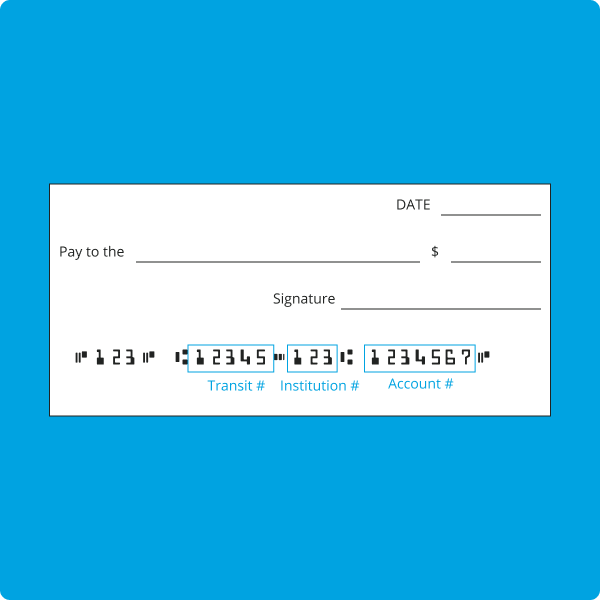
A routing number, also known as an ABA routing transit number, is a nine-digit code used by U.S. banks and other financial institutions to identify themselves. This unique identifier ensures that funds transferred electronically or via check reach the intended bank and account. Without it, the modern financial system as we know it would grind to a halt, leading to confusion, delays, and potential financial loss. For TD Bank account holders, grasping the nuances of this simple yet powerful number is key to unlocking a wide array of financial services, from direct deposits to bill payments and international transfers.
The Core Function of a Routing Number
At its heart, a routing number serves as a crucial navigational tool for the banking system. It’s the first piece of information financial institutions use to identify where funds should be sent or from where they are being received. Understanding its fundamental role is the first step in appreciating its significance in your daily financial life.
A Unique Bank Identifier
Every financial institution in the United States that can receive electronic transfers has at least one unique nine-digit routing number assigned to it by the American Bankers Association (ABA). Think of it as the bank’s address within the national financial network. The first four digits typically identify the Federal Reserve District where the bank is located, and the subsequent digits further pinpoint the specific institution and its processing center. For a large bank like TD Bank, which operates across multiple states primarily on the East Coast of the U.S., there might be several routing numbers in use, each corresponding to different regions or types of transactions. This level of detail ensures precision in a system that processes trillions of dollars daily. This unique identification system prevents misdirected funds, ensuring that your paycheck, for instance, doesn’t end up in someone else’s bank or at the wrong branch entirely. It’s a foundational element of trust and accuracy within the financial infrastructure.
Facilitating Financial Transactions
The routing number is not merely an identification tag; it’s an active participant in virtually every electronic financial transaction. When you set up direct deposit for your salary, pay a bill online, or receive a refund from a merchant, your bank’s routing number is one of the key pieces of information guiding the money. It facilitates Automated Clearing House (ACH) transfers, which are the backbone of most electronic fund transfers (EFTs) in the U.S. This includes direct deposits, direct debits for recurring bills, and electronic check payments.
Beyond ACH, routing numbers are also critical for processing traditional paper checks. When you write a check, the routing number printed at the bottom, alongside your account number and check number, tells the receiving bank exactly which institution to debit the funds from. Furthermore, domestic wire transfers also rely on routing numbers to direct funds quickly and securely between banks. While international wire transfers often involve SWIFT codes in addition to or instead of routing numbers for global identification, the routing number remains essential for the domestic leg of the transaction. The efficiency and reliability of these transactions are directly attributable to the precise identification provided by routing numbers.
Why it Matters for Your Money
The accuracy of your routing number directly impacts the success and security of your financial transactions. An incorrect routing number can lead to several problems: delays in receiving funds, misdirected payments, or even the return of a transaction, incurring fees. For instance, if your employer uses the wrong TD Bank routing number for your direct deposit, your paycheck could be delayed for days or even weeks while the error is resolved. Similarly, using an incorrect routing number for an online bill payment could result in late payment fees and damage to your credit score.
From a security perspective, while routing numbers are generally considered public information (you can find them on checks or bank websites), they are still part of your financial identity. Combining a routing number with an account number allows transactions to occur. Therefore, protecting your account number is paramount, but verifying the correct routing number for each specific transaction adds an extra layer of financial hygiene. Understanding and correctly using your TD Bank routing number is a fundamental aspect of maintaining control over your financial inflows and outflows, ensuring your money moves where and when it’s supposed to.
Finding Your TD Bank Routing Number
Locating your TD Bank routing number is usually a straightforward process, but it’s important to know the various methods, as different situations might call for different approaches. TD Bank, like most major financial institutions, makes this information readily accessible to its customers.
On Your Checks
For many years, the most common place to find your routing number has been on your personal or business checks. Look at the bottom of a physical check. You’ll typically see three sets of numbers printed in a special magnetic ink character recognition (MICR) font. From left to right, these numbers generally represent:
- The Routing Number: This is the nine-digit number, often the first set of numbers on the left.
- Your Account Number: This follows the routing number.
- The Check Number: This is the final set of numbers, matching the number at the top right corner of the check.
This method is quick and reliable, provided you have a checkbook handy and it’s for the correct account. Ensure you’re looking at a check for the specific account you intend to use, as you might have different accounts (checking, savings) with different routing numbers, especially if they were opened at different times or in different regions.
Through Online Banking and Mobile App
In today’s digital age, accessing your banking information through online portals and mobile applications is often the most convenient method. TD Bank offers robust digital platforms where customers can easily find their routing numbers.
For TD Bank Online Banking:
- Log in to your TD Bank online banking account.
- Navigate to the “Account Details” or “Account Summary” section for the specific account (checking, savings) you need the routing number for.
- The routing number is usually displayed prominently alongside your account number and current balance. Some banks might require you to click a “Show Details” or similar link.
For TD Bank Mobile App:
- Open and log in to your TD Bank mobile app on your smartphone or tablet.
- Select the specific account for which you need the routing number.
- Look for “Account Details” or “View Account Information.” The routing number should be listed there.
These digital methods are particularly useful if you don’t have a physical checkbook on hand or need to verify the number quickly for an online transaction. They also ensure you’re getting the most up-to-date information, which is especially relevant if TD Bank ever makes changes to its routing numbers (though this is rare).
Contacting TD Bank Directly
If you prefer a more direct approach, or if you’re unable to find the information through other means, contacting TD Bank’s customer service or visiting a branch are reliable options.
- Customer Service: Call TD Bank’s customer service line. After verifying your identity (which may include providing personal information like your account number, address, and security questions), a representative can provide you with the correct routing number for your account. This is a good option if you have specific questions or concerns.
- Branch Visit: Walking into a local TD Bank branch and speaking with a teller or customer service representative is another way to obtain the routing number. They can look up the information directly from their system after verifying your identity. This method is often preferred for more complex inquiries or when you need in-person assistance.
Using the ABA Website
While not bank-specific, the official American Bankers Association (ABA) website offers a routing number lookup tool. You can input the bank’s name (TD Bank) and potentially a city or state to find associated routing numbers. However, it’s crucial to cross-reference this information with official TD Bank sources (like their website or your checks) to ensure accuracy, especially since large banks may have multiple routing numbers depending on the account type or region. This is a general resource but always prioritize direct bank communication for sensitive financial details.
TD Bank Routing Numbers by Region and Purpose
Understanding that a large financial institution like TD Bank might utilize different routing numbers based on geographic location or even the type of transaction is crucial for accuracy. TD Bank primarily operates along the East Coast of the United States, and its routing numbers reflect this operational footprint.
State-Specific Variations for TD Bank (US)
Unlike smaller, local banks, large institutions often have different routing numbers for accounts opened in various states or regions where they conduct business. For TD Bank, this means that an account opened in Florida might have a different routing number than one opened in New York, Massachusetts, or Maine. This is typically due to the historical evolution of banking systems and mergers, or simply to streamline operations within specific Federal Reserve districts.

Common TD Bank Routing Numbers (for illustration, always verify):
- For accounts opened in Florida: Often a specific routing number.
- For accounts opened in Maine, New Hampshire, Vermont, Massachusetts, Rhode Island, Connecticut, New York, New Jersey, Pennsylvania, Delaware, Maryland, Washington D.C., Virginia, North Carolina, South Carolina: TD Bank may use one or a few primary routing numbers that cover these states, or distinct ones for certain states within this contiguous operational area.
It is imperative to use the routing number specifically associated with your account, not just a generic TD Bank routing number. The routing number printed on your checks or found through your online banking portal will be the correct one for your specific account. This regionalization is a common practice among national and super-regional banks and is designed to improve the efficiency and accuracy of transactions within their diverse operational areas. Always verify your particular account’s routing number, especially if you have accounts opened in different states or if you’ve moved.
Wire Transfers vs. ACH Transfers
While many banks use the same routing number for both Automated Clearing House (ACH) transfers (like direct deposits and bill payments) and domestic wire transfers, some larger banks, including potentially TD Bank, might have distinct routing numbers for these different types of transactions.
- ACH Routing Number: This is the most commonly used routing number and is what you’ll find on your checks and within your online banking details for everyday transactions. It’s used for electronic payments that are processed in batches over a day or two.
- Wire Transfer Routing Number: For domestic wire transfers, some banks specify a different routing number. Wire transfers are typically real-time, high-value transactions that often require additional security protocols. It’s always best to verify the specific routing number for wire transfers directly with TD Bank, either through their official website’s “Wire Transfer Information” section or by calling customer service. Using the wrong number for a wire transfer can lead to significant delays and fees, as wires are often irreversible once sent.
For International Wire Transfers:
It’s important to note that for international wire transfers, you will generally need a SWIFT/BIC code (Society for Worldwide Interbank Financial Telecommunication / Bank Identifier Code) in addition to or instead of a domestic routing number for the foreign bank. For funds coming into your TD Bank account from overseas, the sender will likely need TD Bank’s SWIFT code, along with your account number. For funds you are sending internationally, the recipient’s bank will provide their international banking details. Always consult TD Bank’s official guidelines for international transfers to ensure all necessary codes and details are correctly provided.
Common Uses of Your TD Bank Routing Number
Once you’ve identified your TD Bank routing number, you’ll find it’s a frequently requested piece of information for a variety of essential financial activities. Understanding these common uses reinforces the importance of knowing where to find it and how to use it correctly.
Setting Up Direct Deposit
Perhaps one of the most widespread uses of a routing number is for direct deposit. Whether it’s your paycheck from an employer, a government benefit like Social Security, a tax refund from the IRS, or a pension payment, direct deposit ensures your funds are electronically transferred directly into your TD Bank account. To set this up, your employer or the paying agency will typically require your TD Bank routing number and your specific checking or savings account number. This eliminates the need for paper checks, speeds up access to your funds, and enhances security by reducing the risk of lost or stolen checks.
Automatic Bill Payments and ACH Debits
Many individuals and businesses opt for the convenience of automatic bill payments. This often involves authorizing a service provider (like utility companies, mortgage lenders, credit card companies, or subscription services) to directly debit funds from your TD Bank account on a recurring basis. When you set up these payments, you’ll be asked for your TD Bank routing number and account number. These are examples of ACH debits, which streamline your financial obligations and help you avoid late payment fees. Similarly, if you want to pay an individual or another business electronically, you might use your routing number for an ACH credit.
Sending and Receiving Wire Transfers
For larger sums of money or when speed is critical, wire transfers are often utilized. If you need to send a domestic wire transfer from your TD Bank account, you will provide the recipient’s bank routing number and account number. Conversely, if someone needs to wire money into your TD Bank account, you’ll provide them with your TD Bank’s wire transfer routing number (if different from the ACH number) and your account number. As previously mentioned, international wires involve SWIFT codes for the global leg of the transfer, but the domestic routing number is still critical for routing funds once they reach the U.S. financial system and specifically TD Bank.
Ordering New Checks
When you run low on checks and need to order new ones from your bank or a third-party vendor, your TD Bank routing number is an essential piece of information. It ensures that the checks are correctly pre-printed with the right routing and account numbers, allowing them to be processed correctly when cashed or deposited. Incorrectly printed checks can lead to processing delays or rejection.
Electronic Tax Payments and Refunds
The Internal Revenue Service (IRS) often provides options for electronic tax payments and direct deposit of tax refunds. To utilize these convenient services, you will need to provide your TD Bank routing number along with your account number. This method is generally faster and more secure than sending physical checks or waiting for a paper refund check to arrive in the mail.
Safeguarding Your Financial Information
While a routing number is not as sensitive as your full account number or social security number, it’s still part of your financial identity. Understanding how to protect your financial data and ensure accuracy is a key aspect of responsible money management.
The Importance of Accuracy
The paramount rule when dealing with routing numbers is accuracy. Even a single digit error can cause significant problems. An incorrect routing number could lead to funds being sent to the wrong bank, delayed transactions, or returned payments. If funds are sent to an incorrect account at a different bank (especially if that account number exists), recovering them can be a complex and time-consuming process, sometimes involving legal action. Always double-check the routing number you provide or receive against official sources like your checkbook, TD Bank’s online banking portal, or direct confirmation from a bank representative. When in doubt, verify, verify, verify.
When to Share (and When Not To)
You will need to share your TD Bank routing number with trusted entities for legitimate financial purposes, such as your employer for direct deposit, utility companies for automatic payments, or individuals/businesses for wire transfers. It’s generally considered public information, as it’s printed on checks and often listed on bank websites.
However, you should exercise caution. Never provide your routing number in response to unsolicited emails, text messages, or phone calls, especially if they ask for other sensitive information like your full account number, PINs, or social security number. Legitimate institutions you have a relationship with will rarely ask for these details in such an unsolicited manner. Be wary of phishing attempts that try to trick you into revealing financial information.
Protecting Against Fraud
While a routing number alone is typically not enough for a fraudster to drain your account, it’s a piece of the puzzle. Combined with your account number, it allows for transactions. Therefore, practice general cybersecurity hygiene:
- Monitor your accounts regularly: Frequently review your TD Bank statements and online banking activity for any unauthorized transactions.
- Use strong, unique passwords: For your online banking and email accounts.
- Be wary of suspicious communications: Never click on links or open attachments from unknown senders. Always go directly to the TD Bank website or app if you need to access your account.
- Shred old financial documents: Before discarding old checks, statements, or other documents containing your routing and account numbers, shred them to prevent information theft.
By being diligent and informed, you can effectively use your TD Bank routing number for its intended purposes while minimizing risks.

Conclusion
The routing number, a seemingly simple nine-digit code, is an indispensable component of the modern financial ecosystem. For TD Bank customers, understanding “what is a routing number TD Bank” is fundamental to efficiently managing personal and business finances. From enabling the convenience of direct deposit and automated bill payments to facilitating secure wire transfers, this unique identifier ensures that your money moves accurately and reliably within the vast banking network.
By knowing where to find your TD Bank routing number—whether on your checks, through your online banking platform, or by contacting customer service—and understanding its specific applications, you empower yourself with the knowledge needed for smooth and secure financial transactions. Always prioritize accuracy when providing this crucial detail and remain vigilant against potential misuse. With a clear grasp of your TD Bank routing number, you can confidently navigate the various facets of your financial life, ensuring your money flows precisely where it needs to go.
aViewFromTheCave is a participant in the Amazon Services LLC Associates Program, an affiliate advertising program designed to provide a means for sites to earn advertising fees by advertising and linking to Amazon.com. Amazon, the Amazon logo, AmazonSupply, and the AmazonSupply logo are trademarks of Amazon.com, Inc. or its affiliates. As an Amazon Associate we earn affiliate commissions from qualifying purchases.