
Reducing your tax burden is a fundamental aspect of sound financial management, allowing you to retain more of your hard-earned income for savings, investments, or discretionary spending. While tax codes can be complex and ever-changing, a proactive and informed approach can unlock significant opportunities to minimize your liabilities legally and effectively. This guide explores key strategies for individuals and businesses to optimize their tax position, focusing on deductions, credits, strategic planning, and leveraging tax-advantaged accounts.
Maximizing Deductions and Credits
Understanding and fully utilizing available deductions and credits is often the most direct path to reducing your taxable income and, consequently, your tax bill. Deductions lower your taxable income, while credits directly reduce the amount of tax you owe, dollar-for-dollar.
Standard vs. Itemized Deductions
Every taxpayer has a choice between taking the standard deduction or itemizing their deductions. The standard deduction is a fixed dollar amount determined by your filing status, adjusted annually for inflation. Itemizing involves listing out specific deductible expenses. You should itemize if the sum of your eligible deductions exceeds the standard deduction for your filing status. Common itemized deductions include:
- Mortgage Interest: Interest paid on home mortgages can be deductible, up to certain limits.
- State and Local Taxes (SALT): Payments for state and local income, sales, and property taxes are deductible, though capped at $10,000 per household ($5,000 for married filing separately).
- Medical Expenses: Unreimbursed medical expenses exceeding a certain percentage of your Adjusted Gross Income (AGI) may be deductible.
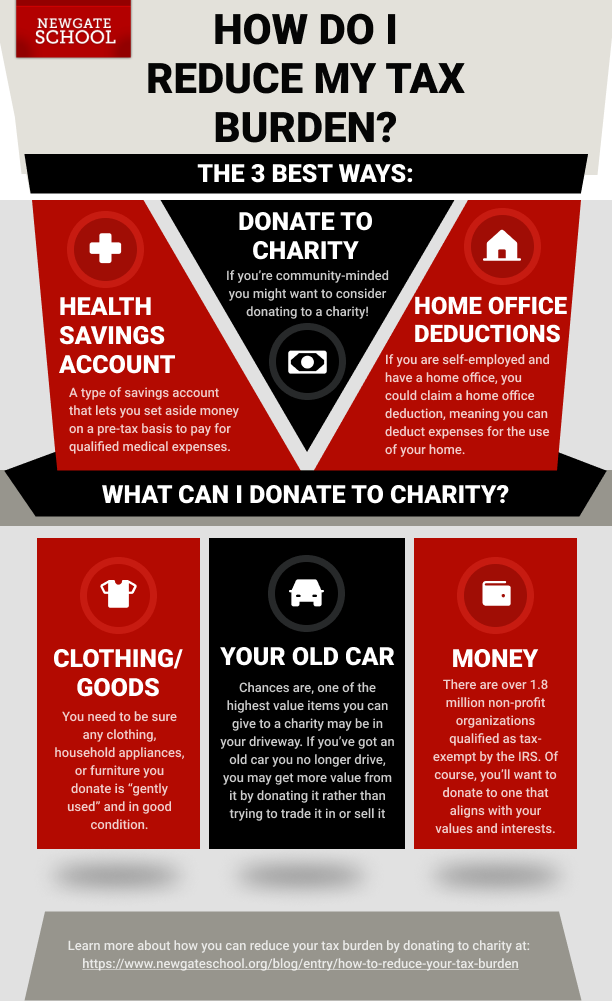
- Charitable Contributions: Donations to qualified charitable organizations can be deducted, subject to AGI limits. Keep meticulous records of all contributions, especially for non-cash donations.
Common Tax Credits
Tax credits are particularly powerful because they reduce your tax liability directly. Some credits are “refundable,” meaning you can receive a refund even if the credit reduces your tax liability below zero. Others are “non-refundable,” only reducing your tax liability to zero. Key credits to consider include:
- Child Tax Credit (CTC): A significant credit for eligible children, with a portion potentially being refundable. Eligibility and amounts vary based on income and child’s age.
- Earned Income Tax Credit (EITC): A refundable credit designed to benefit low- to moderate-income working individuals and families, varying based on income, marital status, and number of children.
- Education Credits: Credits like the American Opportunity Tax Credit and the Lifetime Learning Credit can help offset the cost of higher education, providing substantial relief for students and their families.
- Dependent Care Credit: For expenses incurred caring for a child or other dependent to allow you to work or look for work.
- Residential Energy Credits: Available for specific energy-efficient home improvements, encouraging investment in sustainable living.
Strategic Income Planning and Timing
Beyond simply claiming deductions, a strategic approach to managing and timing your income and expenses can significantly impact your annual tax outcome. This involves looking ahead and making deliberate choices about when income is realized and when deductions are taken.
Income Shifting and Deferral
One strategy involves shifting income or deductions between tax years to take advantage of lower tax brackets or maximize the impact of deductions. For instance, if you anticipate being in a lower tax bracket next year, you might defer income (e.g., delaying a bonus, postponing recognition of capital gains) or accelerate deductions into the current year. Conversely, if you expect a higher income next year, you might accelerate income into the current year while deferring deductions. This requires foresight and careful planning. For small business owners, this could mean strategically timing client invoicing or expense payments.
Tax Loss Harvesting
This sophisticated strategy involves selling investments at a loss to offset capital gains and, to a limited extent, ordinary income. If you have realized capital gains during the year, selling a losing investment can reduce or eliminate those gains. If your capital losses exceed your capital gains, you can deduct up to $3,000 of the net capital loss against your ordinary income in a given year, carrying forward any remaining loss to future years. This strategy should be executed carefully, adhering to wash-sale rules to avoid disqualification.
Qualified Dividends and Long-Term Capital Gains
Income from qualified dividends and long-term capital gains (assets held for more than one year) typically receives preferential tax treatment. Depending on your taxable income, these types of income may be taxed at 0%, 15%, or 20%, which is often lower than ordinary income tax rates. Structuring your investment portfolio to generate more of these favorably taxed income streams can significantly reduce your overall tax liability, particularly for high-income earners. Understanding the holding periods for investments is crucial to ensure gains qualify as “long-term.”
Leveraging Tax-Advantaged Accounts
Utilizing specialized accounts designed to offer tax benefits is a cornerstone of effective tax reduction and long-term financial planning. These accounts allow your money to grow tax-deferred or tax-free, or enable you to deduct contributions.
Retirement Accounts
Contributions to retirement accounts are among the most powerful ways to reduce current taxable income and save for the future.
- Traditional 401(k)s and IRAs: Contributions are typically made pre-tax, reducing your current taxable income. Investments grow tax-deferred, meaning you don’t pay taxes until you withdraw funds in retirement. This is particularly advantageous if you expect to be in a lower tax bracket during retirement.
- Roth 401(k)s and IRAs: Contributions are made with after-tax dollars, meaning they don’t provide an immediate tax deduction. However, qualified withdrawals in retirement are entirely tax-free. This is beneficial if you anticipate being in a higher tax bracket in retirement or want to diversify your tax exposure.
- SEP IRAs and SIMPLE IRAs: For self-employed individuals and small business owners, these accounts offer higher contribution limits than traditional IRAs, providing substantial tax deferral opportunities.

Health Savings Accounts (HSAs)
HSAs offer a unique “triple tax advantage” that makes them incredibly valuable for those with high-deductible health plans (HDHPs):
- Tax-deductible contributions: Contributions reduce your taxable income, even if you don’t itemize.
- Tax-free growth: Investments within the HSA grow tax-free.
- Tax-free withdrawals: Qualified medical expenses can be paid for with tax-free withdrawals at any time.
Furthermore, after age 65, HSA funds can be withdrawn for any purpose without penalty, taxed only as ordinary income if not used for qualified medical expenses, making them a supplemental retirement savings vehicle.
529 Plans
Designed for education savings, 529 plans offer tax-free growth and tax-free withdrawals for qualified education expenses, including tuition, fees, room and board, books, and supplies. While contributions are generally not federally deductible, many states offer a state income tax deduction or credit for contributions to their respective 529 plans, providing an additional incentive. This makes them an excellent tool for families saving for college or other post-secondary education.
Navigating Self-Employment and Small Business Taxes
For entrepreneurs, freelancers, and small business owners, understanding and utilizing business-related tax benefits is paramount. The tax landscape for self-employed individuals differs significantly from that of traditional employees, offering unique opportunities for tax reduction.
Deductible Business Expenses
Virtually every ordinary and necessary expense incurred in the operation of your business is deductible. This significantly reduces your taxable business income. Common deductible expenses include:
- Home Office Deduction: If you use a portion of your home exclusively and regularly for business, you can deduct a percentage of your housing costs (rent/mortgage interest, utilities, insurance, repairs). There’s also a simplified option based on square footage.
- Business Travel and Meals: Expenses for business trips, including transportation, lodging, and 50% of qualifying business meals.
- Supplies and Equipment: The cost of office supplies, software, and necessary equipment for your business.
- Professional Development: Education, training, and subscriptions related to improving your business skills.
- Business Insurance and Professional Fees: Premiums for business insurance, legal fees, accounting services, and other professional advice.
Meticulous record-keeping is critical for all business expenses to substantiate deductions in case of an audit.
Qualified Business Income (QBI) Deduction (Section 199A)
Many self-employed individuals and owners of pass-through entities (e.g., sole proprietorships, partnerships, S corporations, LLCs) may be eligible for the Qualified Business Income (QBI) deduction. This deduction allows eligible taxpayers to deduct up to 20% of their qualified business income, subject to various limitations based on taxable income, the type of business, and the amount of W-2 wages paid by the business. This can be a substantial tax saver and requires careful calculation based on your business structure and income levels.
Estimated Taxes
Unlike W-2 employees whose taxes are withheld from each paycheck, self-employed individuals are responsible for paying estimated taxes quarterly. These payments cover income tax and self-employment taxes (Social Security and Medicare). Failing to pay estimated taxes adequately throughout the year can result in penalties. Proactively calculating and remitting these payments is essential to avoid year-end surprises and penalties. Many choose to work with a tax professional to ensure accurate quarterly estimations.
Proactive Tax Planning and Record Keeping
Effective tax reduction is not a once-a-year event; it’s an ongoing process that benefits from foresight and meticulous organization. Integrating tax considerations into your financial decision-making throughout the year can yield significant benefits.
Year-Round Tax Review
Instead of scrambling at tax time, make tax planning a continuous activity. Regularly review your financial situation, income streams, and potential deductions. This allows for timely adjustments, such as increasing retirement contributions, planning charitable donations, or executing tax loss harvesting before year-end. Staying informed about changes in tax law can also help you adapt your strategies.
Professional Guidance
While this guide provides general strategies, the intricacies of tax law often warrant professional assistance. A qualified tax professional, such as a Certified Public Accountant (CPA) or Enrolled Agent (EA), can provide personalized advice tailored to your unique financial situation. They can identify overlooked deductions, navigate complex regulations, help with strategic planning, and ensure compliance, ultimately saving you money and stress. Their expertise can be particularly valuable for significant life changes like marriage, starting a business, buying a home, or receiving an inheritance.

Meticulous Record Keeping
The foundation of successful tax reduction is impeccable record-keeping. Maintain organized documentation for all income, expenses, and deductions. This includes receipts, invoices, bank statements, investment account statements, charitable donation acknowledgments, and any other relevant financial records. Whether you use digital tools, cloud storage, or physical files, having easily accessible and verifiable records is crucial for accurate tax filing and defending your claims in the event of an audit. Robust record-keeping not only facilitates tax preparation but also provides a clear financial picture for better overall money management.
aViewFromTheCave is a participant in the Amazon Services LLC Associates Program, an affiliate advertising program designed to provide a means for sites to earn advertising fees by advertising and linking to Amazon.com. Amazon, the Amazon logo, AmazonSupply, and the AmazonSupply logo are trademarks of Amazon.com, Inc. or its affiliates. As an Amazon Associate we earn affiliate commissions from qualifying purchases.