
Navigating the landscape of federal student loans can often feel like deciphering a complex financial code. At the heart of this system are key entities like MOHELA and the U.S. Department of Education (DoED), particularly its Federal Student Aid (FSA) office. Understanding their respective roles is crucial for anyone managing student debt, from initial disbursement to final repayment. This article delves into the functions of these pivotal organizations, offering insights into how they shape your financial journey as a student loan borrower.
Understanding the Landscape of Federal Student Aid
The vast majority of student loans originated in the United States are federal loans, backed by the U.S. government. This system is designed to provide accessible financial assistance for higher education, but its operational structure involves multiple layers, each with distinct responsibilities.
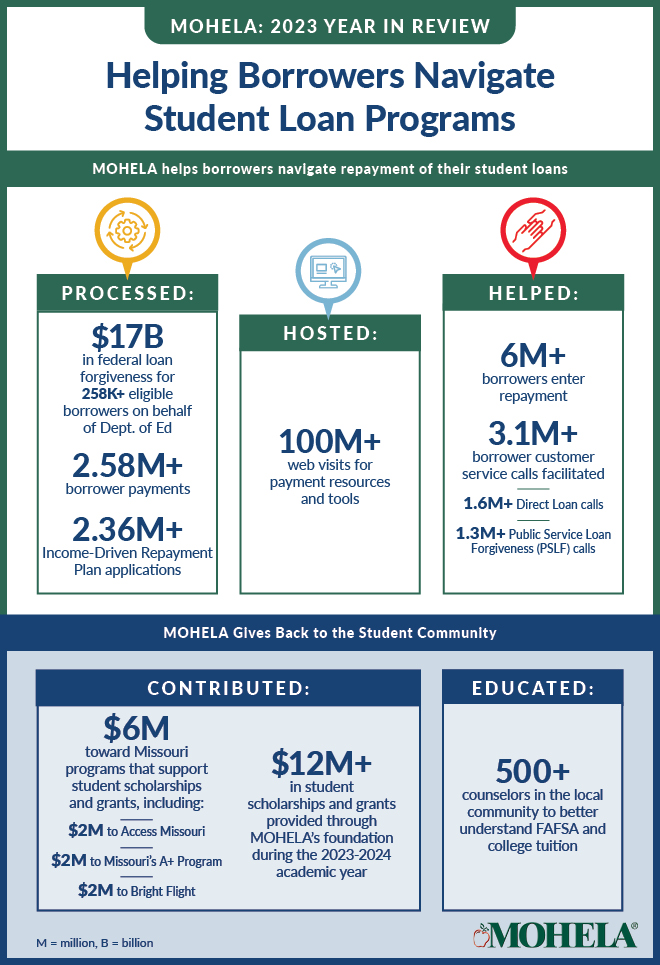
The Role of the U.S. Department of Education (DoED)
The U.S. Department of Education (DoED), often referred to informally or by its primary student aid arm as “DoFED,” is the overarching federal agency responsible for establishing policy, administering programs, and distributing funds related to education. Within the DoED, the office of Federal Student Aid (FSA) is the largest provider of financial assistance for higher education in the nation. FSA is effectively the “lender” for federal student loans.
FSA’s responsibilities are extensive:
- Policy Formulation: Developing and implementing regulations that govern federal student aid programs, including eligibility criteria, interest rates, and repayment options.
- Program Management: Overseeing the various federal student aid programs, such as Stafford Loans (Direct Subsidized and Unsubsidized), PLUS Loans, and Perkins Loans (though new Perkins loans are no longer issued).
- Funding and Disbursement: Ensuring that funds are available and disbursed to eligible students through their chosen educational institutions.
- Information and Resources: Providing comprehensive information to students and families about financial aid options through its primary website, StudentAid.gov.
- Oversight of Servicers: Contracting with and overseeing student loan servicers, who are the operational backbone for managing borrower accounts.
For borrowers, DoED/FSA dictates the terms of your federal loans, from the moment you sign a Master Promissory Note to the final payment or forgiveness. It sets the rules for income-driven repayment plans, deferments, forbearances, and loan forgiveness programs like Public Service Loan Forgiveness (PSLF).
The Ecosystem of Student Loan Servicers
While the DoED/FSA is the lender, it does not directly manage the day-to-day accounts of millions of borrowers. This operational responsibility falls to student loan servicers. These are private companies contracted by the DoED to handle all aspects of loan management after the funds are disbursed. Their roles include:
- Collecting and processing monthly payments.
- Responding to borrower inquiries.
- Helping borrowers understand their repayment options.
- Processing applications for deferment, forbearance, and income-driven repayment plans.
- Providing tax information and statements.
- Assisting with specific programs like PSLF.
Over the years, the roster of federal loan servicers has changed. Currently, the major servicers include Aidvantage, EdFinancial, Nelnet, OSLA Servicing (winding down operations, accounts being transferred), and MOHELA. Each servicer plays a critical role in the financial ecosystem, acting as the primary point of contact between the federal government and individual borrowers.
MOHELA: A Key Player in Your Student Loan Journey
Among the federal student loan servicers, MOHELA stands out as a significant entity, particularly for certain types of borrowers. Understanding MOHELA’s specific functions and history is essential for those whose loans are assigned to them.
MOHELA’s History and Mission
MOHELA, which stands for the Missouri Higher Education Loan Authority, began its operations in 1981 as a state-chartered servicer. Initially, its primary role was to administer student loans for residents of Missouri. Over time, MOHELA expanded its reach, growing into one of the largest servicers of federal student loans across the United States. Its mission, broadly, aligns with facilitating access to higher education through financial services and supporting borrowers through the repayment process.
In recent years, MOHELA gained particular prominence when the DoED streamlined its servicer contracts. MOHELA was specifically chosen to be the exclusive servicer for the Public Service Loan Forgiveness (PSLF) program, a designation that significantly elevated its profile and importance to hundreds of thousands of public service workers.
Services Provided by MOHELA
If your federal student loans are assigned to MOHELA, they become your primary point of contact for all loan-related matters. MOHELA provides a comprehensive suite of services designed to help you manage your debt effectively:
- Account Management: MOHELA provides an online portal where borrowers can access their loan details, view payment history, and update personal information. They also send monthly statements and important communications regarding your loan status.
- Payment Processing: They are responsible for collecting and accurately processing your monthly loan payments, whether made manually, via auto-debit, or through other methods.
- Repayment Option Guidance: MOHELA representatives assist borrowers in understanding the various repayment plans available for federal loans, including Standard, Graduated, Extended, and the crucial Income-Driven Repayment (IDR) plans (e.g., SAVE, PAYE, IBR, ICR). They can help you determine eligibility and apply for these plans.
- Deferment and Forbearance: If you face temporary financial hardship, MOHELA helps you understand and apply for options like deferment (postponing payments with potential interest subsidy) or forbearance (postponing payments, usually with interest accruing).
- Public Service Loan Forgiveness (PSLF) Support: As the dedicated servicer for PSLF, MOHELA plays a critical role in helping borrowers navigate this complex program. This includes processing Employment Certification Forms (ECFs), tracking qualifying payments, and ultimately determining eligibility for forgiveness.
Why MOHELA Matters to You
For federal student loan borrowers, your assigned servicer—be it MOHELA or another—is not just an administrative entity; it’s a critical partner in managing your financial obligations. Effective communication and understanding your servicer’s role can significantly impact your loan experience. MOHELA’s specific importance for PSLF-eligible borrowers cannot be overstated, as their accurate tracking of employment and payments is directly tied to the ultimate goal of loan forgiveness. Maintaining clear communication and diligently monitoring your account with MOHELA is paramount.
Navigating Your Financial Obligations: Repayment Strategies and Tools
Successfully managing federal student loans requires more than just making timely payments; it demands a strategic approach to repayment, leveraging the various options available through servicers like MOHELA and policies set by the DoED.
Key Repayment Plans
The DoED offers several repayment plans designed to accommodate diverse financial situations. Your choice of plan can dramatically affect your monthly payment, the total interest paid, and the overall duration of your repayment.
- Standard Repayment Plan: This is the default plan, designed to repay your loan in fixed monthly payments over a 10-year period. It typically results in the lowest total interest paid but often has higher monthly payments compared to other options.
- Income-Driven Repayment (IDR) Plans: These plans are crucial for borrowers facing financial constraints. Payments are calculated based on your income and family size, rather than your loan balance, making them more affordable.
- SAVE Plan (Saving on a Valuable Education): The newest IDR plan, replacing REPAYE. It offers significant benefits, including reducing monthly payments for many borrowers, preventing interest accumulation if payments are met, and offering earlier forgiveness for lower loan balances.
- Pay As You Earn (PAYE): Generally caps payments at 10% of discretionary income and offers forgiveness after 20 years.
- Income-Based Repayment (IBR): Caps payments at 10% or 15% of discretionary income, with forgiveness after 20 or 25 years.
- Income-Contingent Repayment (ICR): Payments are capped at 20% of discretionary income or what you’d pay on a fixed 12-year plan, whichever is less. Forgiveness after 25 years.
- Extended Repayment Plan: Offers lower monthly payments over a longer period (up to 25 years) but results in more interest paid overall.
- Graduated Repayment Plan: Payments start low and gradually increase over time, typically over a 10-year period. This can be useful for those expecting their income to rise.
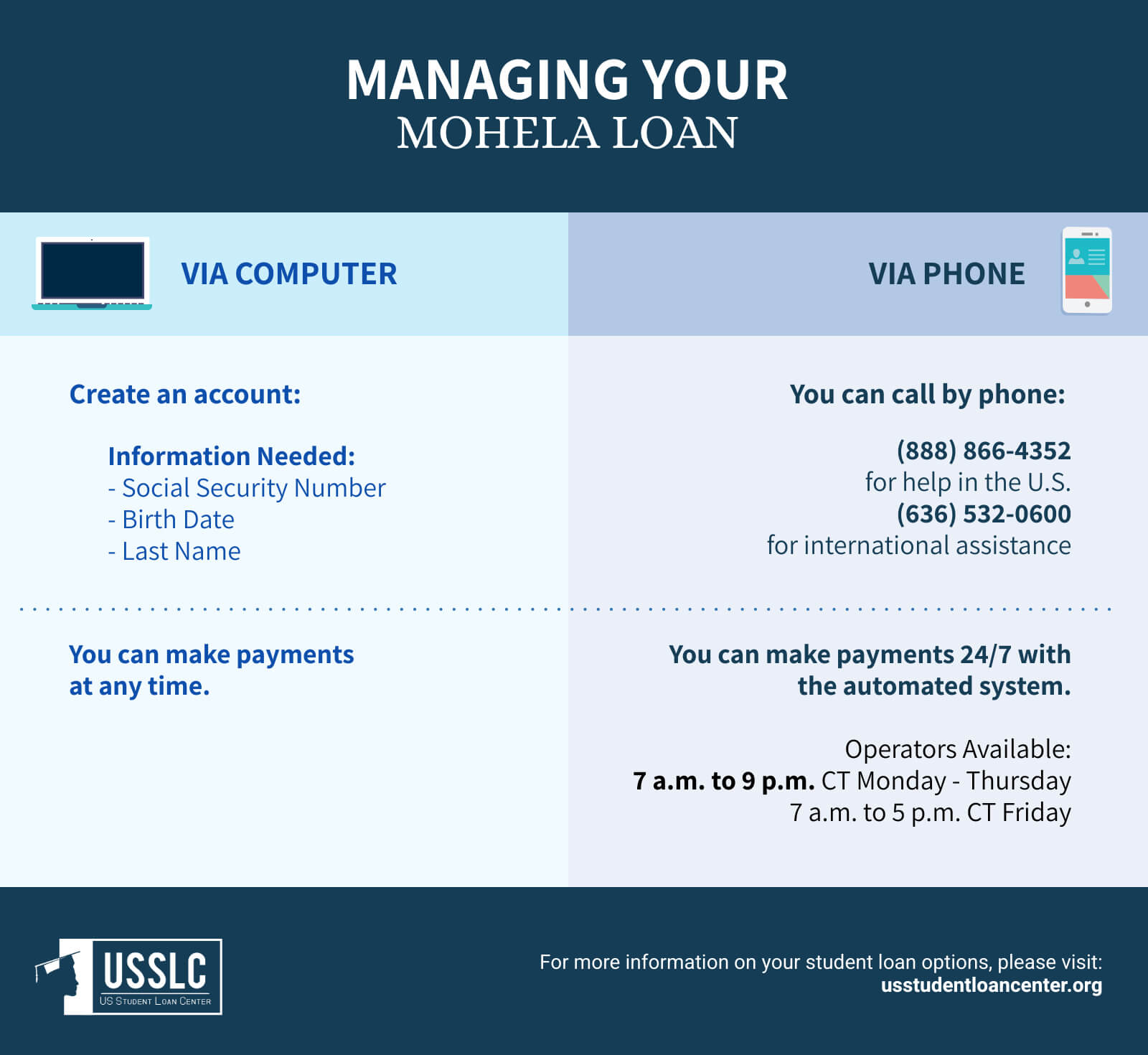
MOHELA can help you understand the nuances of each plan, assess your eligibility, and process your application, especially for the annual recertification required for IDR plans.
Understanding Deferment and Forbearance
Life can present unexpected challenges, making it difficult to meet your monthly loan obligations. Deferment and forbearance are temporary options to pause or reduce your payments.
- Deferment: Allows you to postpone payments, and for some types of federal loans (Subsidized Direct Loans, Perkins Loans), the government pays the interest that accrues during this period. Common reasons include enrollment in school, unemployment, or economic hardship.
- Forbearance: Also allows you to temporarily stop or reduce payments, but interest typically accrues on all loan types during this period and will be added to your principal balance (capitalized) once the forbearance ends. It’s often used when you don’t qualify for deferment but still face financial difficulty.
While these options provide short-term relief, it’s crucial to understand their long-term financial implications, particularly regarding accruing interest. MOHELA will be your contact point for applying and managing these temporary solutions.
Public Service Loan Forgiveness (PSLF) and MOHELA’s Role
The PSLF program is a critical financial tool for individuals working in qualifying public service jobs (government, non-profit organizations). After making 120 qualifying monthly payments under an eligible repayment plan while working full-time for a qualifying employer, the remaining balance on Direct Loans can be forgiven tax-free.
MOHELA is the designated servicer for all borrowers pursuing PSLF. Their role is pivotal:
- Employment Certification: Borrowers must submit an Employment Certification Form (ECF) periodically to confirm their qualifying employment. MOHELA processes these forms and tracks your progress toward the 120 payments.
- Payment Tracking: MOHELA monitors your monthly payments to ensure they are made on time, for the full amount, and under a qualifying repayment plan (typically an IDR plan).
- Final Forgiveness Application: When you believe you’ve made 120 qualifying payments, you submit a PSLF application through MOHELA, who then reviews your eligibility and processes the forgiveness.
Given the complexities and strict requirements of PSLF, diligent communication with MOHELA and consistent submission of ECFs are non-negotiable for success.
Empowering Borrowers: Tips for Effective Loan Management
Proactive and informed management of your student loans can prevent financial distress and optimize your repayment journey.
Proactive Communication is Key
Your loan servicer, MOHELA, is your primary resource.
- Stay in Touch: Respond promptly to any communications from MOHELA or DoED. Keep your contact information updated in their system and on StudentAid.gov.
- Ask Questions: If you’re unsure about your repayment plan, eligibility for assistance, or any aspect of your loan, contact MOHELA directly. Document all conversations, including dates, times, and the names of representatives.
- Understand Recertification: For IDR plans, you must recertify your income and family size annually. MOHELA will notify you, but mark your calendar and submit documentation well in advance to avoid payment increases.
Leveraging Online Resources
Both MOHELA and the DoED provide robust online tools to help you manage your loans.
- MOHELA Borrower Portal: This is your primary hub for checking account balances, payment history, payment due dates, and making payments. You can also apply for various repayment plans and deferments/forbearances here.
- StudentAid.gov: The official website for Federal Student Aid offers comprehensive information on all federal loan programs, detailed explanations of repayment options, eligibility requirements, and access to your full federal student loan history. It’s an invaluable resource for understanding the broader context of your loans.
- Financial Literacy Tools: Utilize calculators available on both MOHELA’s and StudentAid.gov’s websites to compare repayment plans and understand the impact of different choices on your budget and total cost of borrowing.
Avoiding Common Pitfalls
Many borrowers encounter issues that could be avoided with careful attention:
- Ignoring Mail/Emails: Overlooking important communications can lead to missed deadlines for recertification, payment changes, or critical program updates.
- Not Understanding Repayment Options: Sticking to the standard plan when an IDR plan could make payments more manageable is a common mistake that can lead to default.
- Assuming Forgiveness: Forgiveness programs like PSLF have strict rules. Failing to submit ECFs regularly or making non-qualifying payments can derail your progress.
- Loan Scams: Be wary of third-party companies promising quick fixes or “guaranteed” forgiveness for a fee. MOHELA and FSA will never charge you for help with your federal student loans.
The Future of Federal Student Loans and MOHELA
The landscape of federal student loans is dynamic, often subject to policy changes that can significantly impact borrowers. Staying informed is crucial for effective long-term financial planning.
Policy Changes and Their Impact
Recent years have seen substantial shifts, including:
- The SAVE Plan: The introduction of the Saving on a Valuable Education (SAVE) Plan is a major reform, designed to be the most affordable IDR plan ever, especially for low- and middle-income borrowers.
- IDR Account Adjustments: The DoED has implemented one-time adjustments to ensure past payments count towards IDR and PSLF forgiveness, correcting historical administrative errors.
- PSLF Program Reforms: Temporary waivers and expanded eligibility during the COVID-19 pandemic significantly broadened access to PSLF, retrospectively counting periods of repayment that might not have previously qualified.
These changes underscore the importance of regularly checking official sources like StudentAid.gov and MOHELA’s communications for updates that could affect your financial strategy.

Adapting to Evolving Financial Landscapes
For borrowers, the evolving nature of student loan policy means taking an active role in managing their debt. This includes:
- Regular Review: Periodically review your repayment plan to ensure it still aligns with your current income and financial goals.
- Leveraging New Programs: Explore new plans like SAVE, or revisit existing programs, as eligibility or benefits may have changed.
- Financial Planning: Integrate student loan repayment into your broader financial planning, considering how it impacts savings, investments, and other debt.
MOHELA, as a key servicer, will continue to play a critical role in implementing these policy changes, providing the operational support necessary for borrowers to adapt. Understanding “What is MOHELA/DoFED” is not just about identifying entities; it’s about empowering yourself with the knowledge to navigate your financial journey wisely and strategically.
aViewFromTheCave is a participant in the Amazon Services LLC Associates Program, an affiliate advertising program designed to provide a means for sites to earn advertising fees by advertising and linking to Amazon.com. Amazon, the Amazon logo, AmazonSupply, and the AmazonSupply logo are trademarks of Amazon.com, Inc. or its affiliates. As an Amazon Associate we earn affiliate commissions from qualifying purchases.