
The confetti has fallen, the chants have subsided, and another Major League Soccer season has crowned its champion. While the immediate focus often gravitates towards the sporting spectacle, the athletic prowess, and the sheer elation of victory, the financial implications for the winning club, its owners, and even the broader market are profound and multifaceted. Winning the MLS Cup isn’t just about hoisting a trophy; it’s a significant financial catalyst, reverberating through revenue streams, brand valuations, and long-term strategic investments. For those tracking the business of sports, the outcome of the MLS final is a critical data point that dictates a ripple effect across various financial dimensions.

The Immediate Financial Windfall of Championship Glory
The moment a team clinches the MLS Cup, a series of immediate financial benefits are unlocked, translating athletic success directly into economic gain. These aren’t merely symbolic rewards but tangible boosts to the club’s bottom line.
Prize Money and Performance Bonuses
While specific figures for MLS Cup prize money are not always publicly disclosed with the same transparency as some European leagues, the winning club certainly receives a significant sum from the league, alongside a portion of gate receipts from playoff matches. This prize money acts as an immediate injection of capital. Beyond this, clubs typically have performance-based bonus structures embedded in player and coaching staff contracts. Winning the championship triggers these clauses, rewarding the individuals who delivered the success. For many players, especially those on contracts nearing expiration, a championship win can significantly enhance their leverage in future negotiations, potentially leading to higher salaries or more lucrative endorsement deals. From a club’s perspective, while these bonuses represent an expense, they are a pre-planned investment in performance, directly tied to achieving the ultimate goal and unlocking further revenue streams.
Sponsorship Activation and Merchandise Sales
A championship victory provides an unparalleled platform for sponsor activation. Existing sponsors eagerly leverage the win in their marketing campaigns, tying their brand to success and often triggering performance bonuses written into their contracts with the club. This heightened visibility can also attract new sponsorship inquiries, offering premium rates for association with a reigning champion. Furthermore, merchandise sales experience an immediate and substantial spike. Championship apparel – jerseys emblazoned with special patches, commemorative t-shirts, scarves, and other memorabilia – flies off the shelves. This isn’t just a temporary bump; the “champion” designation extends the sales window well into the following season, allowing the club to capitalize on sustained demand for celebratory gear and general team merchandise. The brand halo of being a champion is a powerful sales driver.
Long-Term Economic Impact on the Winning Franchise
Beyond the immediate spoils, an MLS Cup victory lays the groundwork for sustained financial growth and strategic advantages that can significantly alter a franchise’s trajectory for years.
Franchise Valuation and Investor Appeal
Perhaps one of the most significant long-term impacts of winning the MLS Cup is on the franchise’s overall valuation. A championship elevates the club’s profile, increases its fan base, enhances its brand equity, and solidifies its position within the league. These factors are meticulously assessed by financial analysts and potential investors. A winning team is perceived as a more stable, successful, and thus more valuable asset. For owners, a championship title translates into a higher return on investment (ROI) if they choose to sell the club in the future. It also makes the club a more attractive proposition for equity partners or minority investors looking to buy into a successful and growing sports enterprise. The “champion” moniker adds a quantifiable premium to the franchise’s market value, reflecting enhanced prestige and future earning potential.
Season Ticket Sales and Matchday Revenue
Fan engagement is directly correlated with on-field success, and a championship is the ultimate engagement driver. Following an MLS Cup win, clubs often see a significant surge in season ticket renewals and new sales. Fans are eager to witness the reigning champions defend their title and share in the continued success. This boost in season ticket holders provides a stable, predictable revenue stream year after year. Moreover, matchday revenue – encompassing individual game ticket sales, concessions, and in-stadium merchandise – also sees a sustained uplift. Opposing teams visiting the champions often draw larger crowds, further contributing to gate receipts. The atmosphere generated by a winning team fosters greater loyalty and spending habits among its fan base, solidifying its economic foundation.
Player Market Value and Contract Negotiations
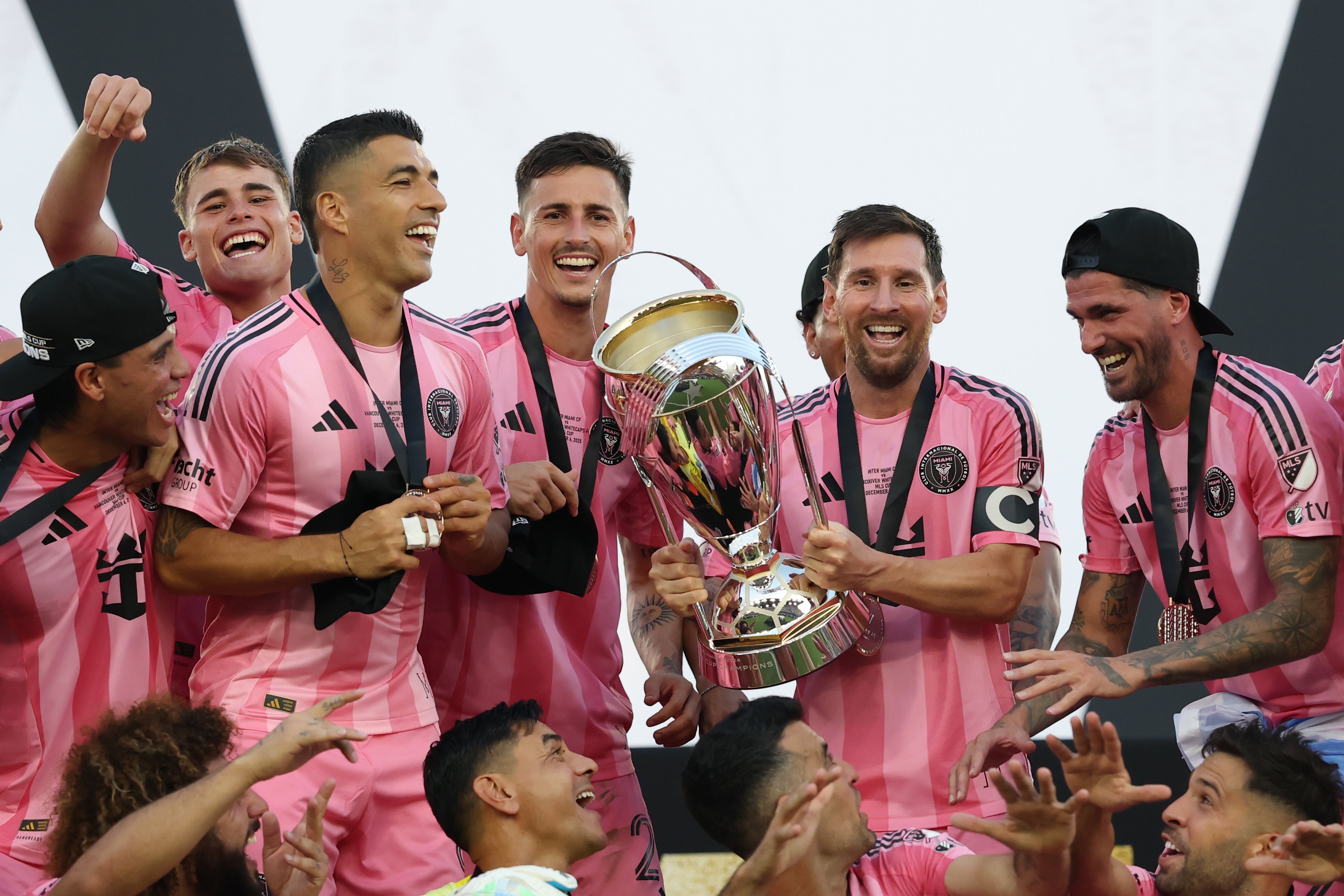
A championship run often showcases the talent of individual players, significantly enhancing their market value. Stellar performances in high-stakes playoff games and the final elevate players’ profiles, not only within MLS but also on the international stage. This can lead to increased interest from larger European clubs, potentially resulting in lucrative transfer fees for the selling club. For players the club wishes to retain, their elevated status means new contract negotiations will likely command higher salaries. While this represents increased operational costs for the club, it’s a necessary investment to maintain a competitive squad. Furthermore, the prestige of being a “champion” club can be a powerful tool in attracting top-tier talent during transfer windows, allowing the club to build stronger rosters without necessarily overpaying for every player, as the allure of joining a winning project holds its own value.
The Broader Financial Ecosystem of Major League Soccer
The financial ripple effect of an MLS Cup winner extends beyond the immediate club, influencing the entire league’s financial health and market dynamics.
City-Wide Economic Boost
A championship victory is not just a club affair; it’s a city-wide celebration that translates into an economic boom for the host city. Fan expenditures on travel, accommodation, dining, and entertainment surge during the playoffs and immediately after the final. Local businesses, from restaurants and bars to hotels and retail shops, experience increased foot traffic and sales. Victory parades and celebrations further stimulate local economies, drawing crowds and encouraging consumer spending. This creates a positive feedback loop, enhancing the city’s profile, potentially boosting tourism, and reinforcing the idea that investing in a successful sports franchise brings tangible economic benefits to the wider community.
Media Rights and League Expansion
A compelling MLS Cup story, especially one involving an exciting champion, enhances the league’s overall appeal to media partners. Strong viewership numbers during the playoffs and final are critical data points for negotiating future media rights deals, which constitute a substantial portion of the league’s collective revenue. A vibrant, competitive league with celebrated champions makes the entire product more marketable globally. Moreover, sustained interest and success for individual clubs contribute to the league’s ongoing expansion efforts. New ownership groups are more willing to invest hundreds of millions in expansion fees when the league demonstrates financial viability and the capacity to produce compelling, marketable champions, further enriching the league’s overall financial health and stability.
Betting Markets and Financial Speculation
The outcome of the MLS Cup has direct implications for sports betting markets. For individual bettors, a successful wager on the champion can mean a significant payout. For sportsbooks, the event drives substantial betting volume, generating revenue through margins and attracting new users. Beyond direct betting, the performance of MLS teams, particularly a championship winner, can influence financial speculation in related areas. For instance, the stock prices of publicly traded companies associated with team ownership (if applicable), league sponsors, or even local businesses heavily reliant on game-day traffic might see minor fluctuations based on perceived team success and future prospects. While often less direct, these connections underscore the broader financial entanglement of sports success.
Strategic Investment in Sports: Beyond the Trophy
For sophisticated investors and business owners, the MLS Cup outcome is viewed through a lens of strategic asset management, brand building, and long-term portfolio growth.
Owner ROI and Portfolio Diversification
For multi-club owners or investment groups with diversified portfolios, an MLS Cup win validates their investment strategy. It demonstrates the efficacy of their management, talent acquisition, and marketing efforts. The increased franchise valuation contributes directly to the overall value of their sports portfolio. Furthermore, successful sports franchises can serve as a unique asset class, offering diversification benefits against traditional investments. While individual teams can be volatile, a well-managed league with growing viewership and strategic expansion, exemplified by its champions, presents a compelling long-term investment opportunity. The championship trophy, in this context, is not just silverware; it’s a tangible marker of a high-performing asset.
Community Investment and Brand Equity as Financial Assets
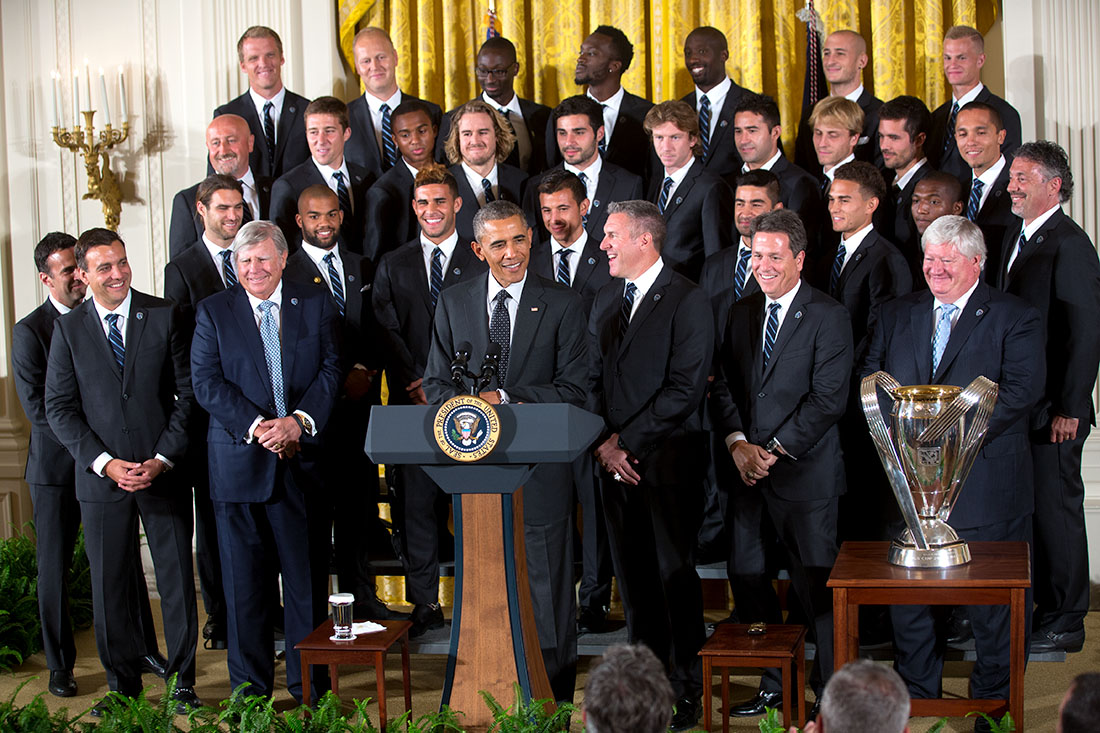
Finally, a championship creates immense goodwill within the community, which translates into invaluable brand equity. This isn’t just about fleeting popularity; it’s about building a loyal, emotionally invested fan base that views the club as an integral part of their identity. This strong community connection and positive brand perception can be leveraged for various financial benefits, from higher attendance and merchandise sales to stronger philanthropic partnerships and a greater voice in local development projects. For modern sports franchises, brand equity and community integration are recognized as crucial financial assets, contributing to long-term sustainability and growth. Winning the MLS Cup is perhaps the most powerful accelerator of this virtuous cycle, transforming athletic triumph into enduring financial strength.
aViewFromTheCave is a participant in the Amazon Services LLC Associates Program, an affiliate advertising program designed to provide a means for sites to earn advertising fees by advertising and linking to Amazon.com. Amazon, the Amazon logo, AmazonSupply, and the AmazonSupply logo are trademarks of Amazon.com, Inc. or its affiliates. As an Amazon Associate we earn affiliate commissions from qualifying purchases.