
The question “when was the MLS founded?” is a simple query about a date, but its answer unravels a fascinating and complex narrative in the realm of brand strategy. The Major League Soccer (MLS) officially began play in 1996, but its true genesis – and the intensive branding effort that underpinned it – started much earlier. The league’s formation was not merely the establishment of a new sporting entity; it was a deliberate, strategic endeavor to build a viable soccer brand from the ground up in a market historically resistant to the sport. This makes the MLS founding a compelling case study in corporate identity, market positioning, and the relentless pursuit of brand longevity.

The Genesis of a Brand: The 1994 World Cup Mandate
The catalyst for MLS wasn’t a spontaneous surge of entrepreneurial spirit but a contractual obligation tied to the biggest sporting event on the planet. To understand the branding imperatives from day one, one must look to the 1994 FIFA World Cup.
The FIFA Condition: A Catalyst for Creation
The United States was awarded the rights to host the 1994 FIFA World Cup, a monumental event that captivated the nation and broke attendance records. However, this prestigious honor came with a significant condition from FIFA: a commitment that the U.S. would establish a Division I professional outdoor soccer league following the tournament. This mandate, while externally imposed, proved to be the ultimate impetus for what would become Major League Soccer.
This wasn’t just about launching a league; it was about launching the league that would fulfill FIFA’s vision and, critically, succeed where previous attempts had failed. The North American Soccer League (NASL), which peaked in the late 1970s with stars like Pelé and Franz Beckenbauer, had ultimately collapsed in 1984. Its demise left a lingering skepticism about professional soccer’s viability in the U.S. market. The new league, therefore, had to overcome this historical baggage. Its brand couldn’t simply be “another soccer league”; it had to embody stability, professionalism, and a future-oriented vision that distinguished it from its predecessors. The foundational branding challenge was clear: to convince investors, players, and crucially, the American public, that this time would be different.
Overcoming Skepticism: The Brand Challenge
The environment into which MLS was born was characterized by widespread skepticism. Soccer was often perceived as a “foreign” sport, struggling to compete for airtime and fan loyalty against the established behemoths of American sports: football, basketball, baseball, and hockey. Media coverage was minimal, and the general public’s understanding of the sport, beyond the excitement of the World Cup, was limited.
For MLS, the challenge was immense: not just to build a product, but to build a brand that could resonate with an American audience. This meant more than just assembling teams; it required a concerted effort to define what “American soccer” would look like, feel like, and represent. It involved a nuanced branding strategy that had to acknowledge the sport’s global roots while simultaneously tailoring its presentation to local tastes and existing sports consumption habits. The very credibility of soccer as a mainstream sport in the U.S. hinged on the success of this new venture, making the league’s initial branding a high-stakes gamble on cultural acceptance and market penetration.
Crafting the Identity: From Concept to Corporate Entity
With the mandate established and the challenge understood, the next critical phase involved actively crafting the league’s identity. This went beyond just a logo; it encompassed its operational structure, its visual language, and its strategic market positioning.
The Single-Entity Structure: A Branding and Business Necessity
One of the most defining and arguably most controversial aspects of MLS’s early days was its adoption of a single-entity ownership structure. Unlike most professional sports leagues where individual teams are separately owned and operate as competing businesses, in MLS, the league itself owned all the teams and player contracts. Team operators (often referred to as “investor-operators”) purchased a stake in the league and managed a specific club.
From a branding perspective, this structure was a shrewd, if necessary, move. It allowed for centralized control over key decisions, including player allocation, salary caps, and, crucially, marketing and branding initiatives. In a nascent league with limited resources and facing a skeptical market, this ensured a unified brand message. It prevented individual teams from developing disparate or conflicting identities that might dilute the overall league brand. The goal was to build “MLS” as the primary, overarching brand first, establishing its credibility and visibility, and then allow individual team brands to flourish within that established framework. This centralized approach fostered consistency in quality, financial stability, and public perception, all vital ingredients for building a credible new brand.
Visual & Verbal Branding: Early Decisions
The initial visual and verbal branding choices made by MLS were a bold attempt to carve out a unique identity in the crowded American sports landscape. The original MLS logo, a stylized boot kicking a three-star ball, was distinctly 1990s in its aesthetic. It aimed to be dynamic, modern, and unmistakably soccer-focused, while the stars subtly evoked an American identity. It was an attempt to be contemporary and energetic, visually communicating the essence of the game.
Perhaps more memorably, the initial team names and logos represented a conscious effort to “Americanize” the sport. We saw names like the Tampa Bay Mutiny, San Jose Clash, Dallas Burn, and Kansas City Wiz (later Wizards). These names, often accompanied by vibrant, sometimes cartoonish, logos, departed sharply from the more traditional, often European-inspired, club names common in global soccer. While some found them quirky or even a bit jarring, they were a deliberate attempt to be distinct, memorable, and appealing to a younger, American audience accustomed to names like the “Dolphins” or “Lakers.” This strategy aimed to make soccer feel less foreign and more accessible, albeit sometimes at the expense of traditional soccer aesthetics. These choices were fundamental to establishing a brand identity that was neither purely American nor purely global, but an intriguing hybrid designed to find its own niche.
Market Positioning: Defining the Niche
Defining its market position was paramount for MLS. How could a new soccer league differentiate itself and capture attention amidst the dominance of the NFL, NBA, MLB, and NHL? The strategy involved several key elements.
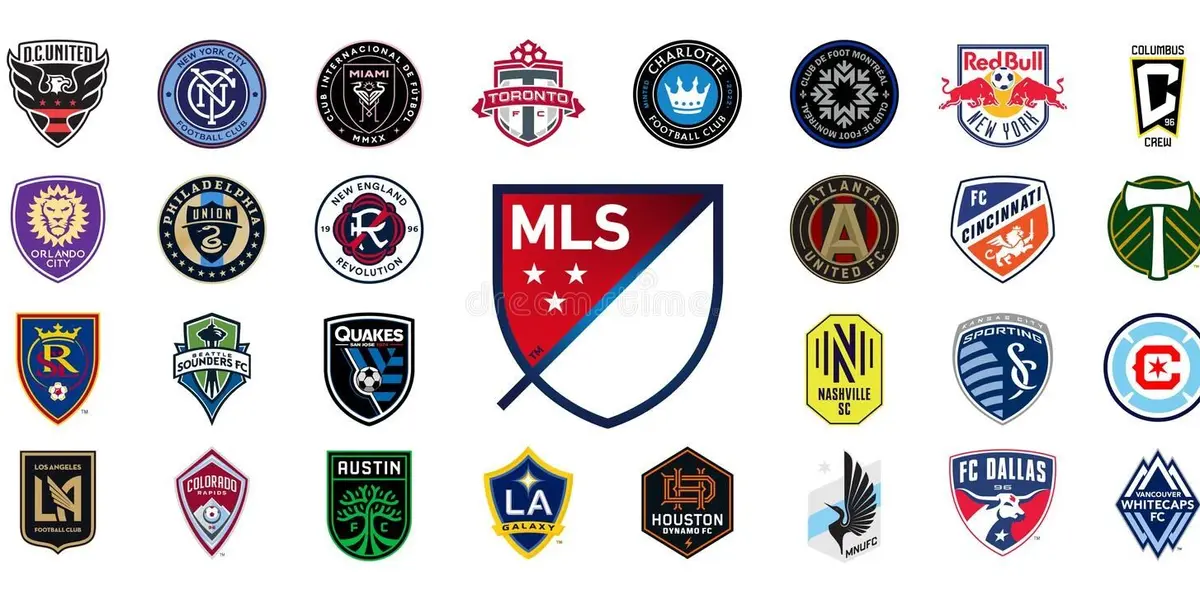
Firstly, MLS consciously targeted a younger, more diverse demographic. The sport’s global appeal already resonated with immigrant communities and a growing youth soccer base in the U.S. The league aimed to tap into this existing passion and cultivate new fans.
Secondly, the league initially experimented with rules designed to make the game more palatable to American sports fans, such as a countdown clock, shootouts to decide ties (rather than draws), and larger goals. While many of these experiments were later abandoned as the league matured and embraced more traditional soccer norms, they illustrate a foundational branding effort to adapt the product to market expectations. It was an attempt to position “American soccer” as an exciting, high-scoring alternative, even if it meant diverging from international standards. This early positioning was crucial in establishing a unique, albeit evolving, brand narrative.
The Early Years: Brand Building Through Adversity
The initial excitement surrounding the launch of MLS quickly gave way to the harsh realities of building a brand in a competitive market. The league’s early years were characterized by a constant struggle to gain traction and establish enduring credibility.
Navigating Brand Perception & Public Acceptance
Despite the initial fanfare, MLS faced significant challenges with attendance and media coverage. Stadiums were often sparsely filled, and mainstream media largely ignored the league. The skepticism that preceded its founding continued, making it difficult to shift public perception and cultivate a dedicated fan base. This period was a testament to the fact that simply launching a brand is not enough; sustained effort in brand building and reputation management is essential.
To combat this, the league and its individual clubs engaged in extensive grassroots marketing and community engagement. Teams invested in youth soccer programs, hosted community events, and worked tirelessly to connect with local populations. This strategy was critical for establishing local team brands, which then organically fed into strengthening the overall league brand. The belief was that by fostering deep roots within communities, the league could gradually build a loyal following that would weather the lean years. It was a long-game branding play, prioritizing genuine connection over immediate mass appeal.
Adapting and Evolving: A Dynamic Brand Strategy
A defining characteristic of MLS’s journey is its willingness to adapt and evolve its brand strategy. As the league matured, it recognized that some of its early “Americanized” experiments, while well-intentioned, were alienating traditional soccer fans and limiting its global appeal. The decision to revert to FIFA standard rules (dropping shootouts, introducing draws) was a significant step in aligning the MLS brand with global soccer authenticity.
Perhaps the most impactful brand adaptation came with the introduction of the “Designated Player” rule in 2007, famously allowing the LA Galaxy to sign David Beckham. This was a masterstroke in brand elevation. Beckham’s arrival brought unprecedented global media attention, new sponsors, and a surge in attendance. It signaled a new era for MLS, where it was capable of attracting world-class talent, thereby elevating its brand prestige and perceived quality. This move fundamentally repositioned MLS from a struggling niche league to one with international aspirations and legitimate star power.
Furthermore, the league’s focus on building soccer-specific stadiums became a cornerstone of its evolving brand. These modern venues, designed exclusively for soccer, provided an authentic match-day experience that further solidified the league’s commitment to the sport and enhanced the fan experience, crucial for building a premium brand. The consistent investment in infrastructure and talent demonstrated a long-term commitment that resonated with fans and investors alike.
The Legacy of Founding: A Blueprint for Brand Longevity
Today, MLS stands as a testament to strategic brand building and resilience. It has transformed from a struggling startup into a vibrant, growing league with increasing global recognition. The lessons learned from its founding years provide an invaluable blueprint for any organization seeking to establish and grow a powerful brand.
From Niche to Mainstream: The Power of Persistent Branding
The foundational decisions made in the 1990s, even the ones that were later refined or abandoned, laid the groundwork for MLS’s current success. The commitment to a single-entity structure in its infancy provided stability, and the early, sometimes awkward, attempts at Americanization eventually gave way to a more sophisticated brand that blended global soccer culture with a distinct North American identity.
The long-term vision of building a genuine soccer culture in the U.S. and Canada, rather than just launching a league, has been crucial. This persistent branding effort, focusing on youth development, community engagement, and strategic expansion, has steadily moved MLS from a niche curiosity to a mainstream fixture in the North American sports landscape. Each expansion team, carefully chosen for its market potential and local ownership, represents a further extension and strengthening of the overall MLS brand, connecting with new communities and deepening the league’s footprint.

MLS as a Case Study in Sports Branding
The story of MLS’s founding and subsequent growth offers a compelling case study for brand strategists. It illustrates several critical principles:
- Resilience and Adaptability: The willingness to confront initial challenges, learn from mistakes, and pivot strategy demonstrates a dynamic brand that isn’t afraid to evolve.
- Strategic Identity Creation: From its single-entity structure to its visual branding and rule experiments, every initial decision was an attempt to forge a distinct identity in a crowded market.
- Market-Specific Positioning: The league’s early efforts to understand and cater to the American sports consumer, even if some methods were later revised, were vital for initial penetration.
- Long-Term Vision: MLS’s success is not an overnight phenomenon but the result of decades of consistent investment in talent, infrastructure, and grassroots development, all contributing to a progressively stronger brand narrative.
- Community and Authenticity: The emphasis on local team brands, community engagement, and a gradual embrace of authentic soccer traditions has built a genuine connection with fans.
In conclusion, the answer to “when was the MLS founded?” – 1996 – marks the beginning of a profound branding journey. It’s a narrative of overcoming historical skepticism, meticulously crafting a corporate identity, adapting through adversity, and persistently building a brand that has defied expectations and carved out a significant place in the global sports arena. MLS stands as a powerful testament to how strategic branding, executed with vision and adaptability, can transform a mandated venture into a thriving, impactful entity.
aViewFromTheCave is a participant in the Amazon Services LLC Associates Program, an affiliate advertising program designed to provide a means for sites to earn advertising fees by advertising and linking to Amazon.com. Amazon, the Amazon logo, AmazonSupply, and the AmazonSupply logo are trademarks of Amazon.com, Inc. or its affiliates. As an Amazon Associate we earn affiliate commissions from qualifying purchases.