
The question “how long is the MLS season?” might seem a straightforward inquiry about sports scheduling, but for those immersed in the world of finance, business operations, and sports economics, it unlocks a deeper understanding of Major League Soccer’s strategic financial model. The duration and structure of the MLS season are not arbitrary; they are meticulously crafted elements designed to optimize revenue streams, manage costs, sustain fan engagement, and attract investment within a highly competitive entertainment landscape. Understanding the seasonal calendar provides critical insights into the league’s operational efficiency, commercial viability, and long-term financial health.
From broadcasting rights and sponsorship deals to player contracts and ticketing revenue, every aspect of the season’s length has a direct impact on the bottom line. It defines the revenue-generating window, dictates the rhythm of expenditures, and ultimately shapes the financial narrative of a league that has grown exponentially in value and global recognition.
The Core MLS Season Structure: A Financial Lens
At its heart, the MLS season is a carefully orchestrated sequence of events designed to maximize commercial opportunities and maintain a consistent revenue flow. Far from being a simple timetable, each phase of the season is strategically optimized for distinct financial objectives.
Regular Season Duration and Revenue Generation
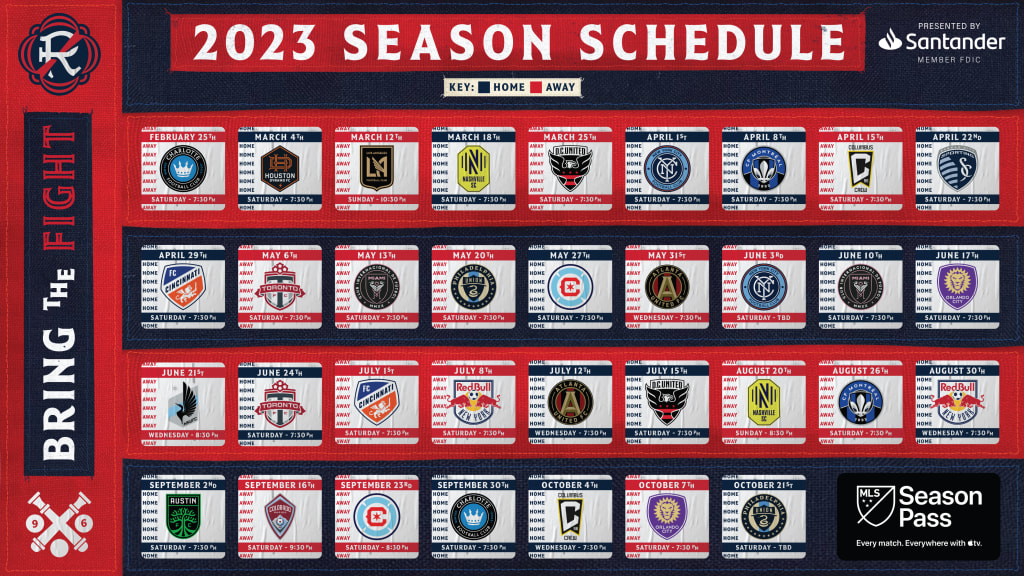
The MLS regular season typically spans from late February or early March through early to mid-October, lasting approximately seven to eight months. During this period, each team plays 34 matches. This extensive schedule is a cornerstone of the league’s financial strategy for several reasons. Firstly, it provides a prolonged window for generating ticketing revenue. With 17 home games per team, the consistent flow of matchdays ensures a steady stream of income from gate receipts, concessions, and merchandise sales at stadiums across North America. This sustained engagement keeps the fan base active and loyal throughout a significant portion of the calendar year.
Secondly, the extended regular season is crucial for maximizing broadcasting rights value. A longer season means more content hours for media partners, translating into more games to televise, more advertising slots to sell, and greater potential viewership across linear and digital platforms. The predictability of a multi-month schedule allows broadcasters to plan their programming, secure advertisers, and build narratives around teams and players, all of which enhance the value of the rights agreements—a significant revenue pillar for the league and its owners. This consistent content stream is particularly attractive to sponsors looking for sustained brand visibility.
The Playoff Push: Amplifying End-of-Season Value
Following the regular season, the MLS Cup Playoffs typically commence in late October and culminate with the MLS Cup final in early December. This short, intense knockout tournament phase, lasting roughly five to six weeks, serves as a high-stakes, high-reward financial accelerator. The playoffs generate an immediate surge in interest, driving increased television viewership and corresponding advertising revenue due to the “win or go home” drama.
For participating teams, home playoff games offer significant additional gate receipts and merchandise sales at premium prices. Beyond direct revenue, the playoff narrative elevates the league’s profile, creating storylines that attract broader media attention and capture the imagination of casual fans. This late-season surge reinforces the value proposition for current sponsors and creates compelling content for potential future partners, demonstrating the league’s capacity to deliver peak excitement and engagement when it matters most. From a financial perspective, the playoffs are an investment in excitement that yields substantial dividends in media attention and direct revenue.
Economic Impact of Season Length on League Operations
The extended nature of the MLS season has profound implications for the operational economics of the league and its constituent clubs. It dictates budgeting, resource allocation, and talent management strategies.
Player Compensation and Contractual Implications
The length of the season directly influences player salaries and contracts. MLS players are typically on multi-year contracts, and the compensation structure must account for the duration of their competitive involvement. A longer season means more games, more training, and more travel, which inherently demands greater physical and mental commitment from players. This increased demand can justify higher compensation packages, impacting the overall salary cap and individual team budgets. From a financial planning perspective, clubs must budget for salaries that cover up to 10 months of active duty, including pre-season training, the regular season, and potential playoff runs. The financial stability offered by a predictable season length is also a factor in attracting international talent, as players and their agents can clearly assess the earning potential and workload.
Operational Costs and Resource Allocation
Beyond player wages, the extended MLS season necessitates substantial operational expenditures. These include extensive travel costs for teams, requiring flights, accommodation, and ground transportation across the vast North American continent. Stadium operations, including maintenance, utilities, staffing for game days, and security, represent significant fixed and variable costs that must be managed for an eight-month period. Training facilities, medical staff, and equipment also require continuous investment throughout the long season.
From a financial management perspective, clubs and the league office must meticulously budget for these prolonged operational demands. Efficient resource allocation becomes paramount to ensure financial solvency while maintaining competitive standards. This includes negotiating favorable deals with travel partners, optimizing energy consumption in stadiums, and investing in durable equipment. The challenge is to balance the need for high-quality operations with the imperative to control costs over an extended period.

Maximizing Commercial Value: Broadcast Rights and Sponsorships
The financial success of any major sports league, including MLS, hinges significantly on its ability to leverage its product for lucrative broadcast rights and sponsorship deals. The season’s length and structure are pivotal in this commercial strategy.
Strategic Scheduling for Media Partners
The lengthy MLS regular season offers a consistent stream of content, which is invaluable for media partners. By spanning much of the calendar year, the league can strategically schedule matches to fill various programming slots across different broadcast windows—weekends, mid-week, and prime time. This extensive inventory allows media companies to build a robust programming schedule, attract diverse audiences, and maximize advertising impressions. The new 10-year, $2.5 billion broadcasting deal with Apple TV, which made Apple the exclusive home for all MLS matches, underscores the league’s ability to monetize its extended season. This partnership is a testament to the league’s consistent product and its ability to deliver a predictable content volume over a significant portion of the year, translating directly into a substantial financial gain that supports league growth and profitability for teams.
Sponsorship Opportunities Across a Defined Calendar
A long, structured season provides unparalleled opportunities for sponsorship activation. Brands can engage with fans and gain visibility over multiple months, rather than just a fleeting period. This allows for multi-faceted marketing campaigns that align with different phases of the season: pre-season excitement, regular season consistency, and playoff drama. Sponsors can integrate their brands into various touchpoints, including jersey sponsorships, stadium naming rights, in-game advertising, digital content, and community outreach programs that run parallel to the competitive schedule. The sustained visibility offered by the season’s duration increases the attractiveness of MLS as a marketing platform, enabling the league to command higher fees from corporate partners, which, in turn, contributes directly to the financial health of the league and its clubs.
Fan Engagement, Market Dynamics, and Investor Confidence
Beyond direct financial transactions, the season’s length impacts the intangible assets of fan loyalty and market perception, which are critical for long-term financial stability and growth.
Sustaining Fan Interest and Ticket Revenue
A well-defined and lengthy season is crucial for sustaining fan interest over time. It allows fans to form deep connections with their teams, follow narratives, and plan their engagement activities, from attending games to purchasing merchandise and subscribing to digital content. The consistent presence of MLS matches in the sports calendar helps to cultivate a strong, loyal fanbase—an invaluable asset for sustained ticket revenue and overall market value. Conversely, an overly long or erratic schedule could lead to fan fatigue or make it difficult for fans to commit financially and emotionally. The current length strikes a balance, offering enough content to maintain engagement without oversaturating the market.
Attracting Investment and Franchise Valuation
The predictability and stability of the MLS season structure are significant factors in attracting investors and influencing franchise valuations. Investors seek leagues with a clear business model, predictable revenue streams, and a defined operational calendar. The consistent length of the season provides this clarity, allowing potential owners and equity partners to perform due diligence and project future financial performance with greater confidence. The league’s structured calendar, combined with its continued growth in viewership and commercial partnerships, signals a stable and promising investment environment. This has directly contributed to the soaring valuations of MLS franchises, making them attractive assets for high-net-worth individuals and investment groups seeking opportunities in the burgeoning North American sports market.
Future Financial Horizons: Potential Adjustments and Growth
As MLS continues its rapid expansion and seeks to integrate further into the global soccer landscape, the financial implications of its season length will remain a critical strategic consideration.
Expansion Teams and Schedule Congestion
The ongoing expansion of MLS, with new teams joining the league in recent years, presents both opportunities and challenges for the season’s financial model. While each expansion team brings an immediate infusion of expansion fees and introduces new markets for revenue generation, it also adds to scheduling complexity. More teams mean more games to accommodate within the existing window, potentially leading to increased schedule congestion, more mid-week matches, and greater travel demands. From a financial perspective, the league must carefully weigh the revenue gains from expansion against the increased operational costs and potential for player fatigue or fan saturation, which could indirectly impact the quality of play and long-term engagement. Maintaining competitive balance and ensuring a viable match schedule are crucial for sustaining the financial health of all franchises.

Global Integration and International Competitions
MLS’s increasing global footprint, particularly through competitions like the Leagues Cup (against Liga MX teams) and the CONCACAF Champions Cup, further impacts the financial calculus of the season length. These tournaments offer additional revenue streams through broadcasting, sponsorships, and gate receipts, but they also add more fixtures to an already packed schedule. The integration of these international competitions requires careful financial planning to manage player welfare, travel logistics, and potential conflicts with the domestic league schedule. While these global ventures enhance the league’s brand and provide new commercial opportunities, the financial trade-offs of an even longer season or a more congested fixture list must be rigorously analyzed to ensure that the gains outweigh the increased operational burdens and risks of player burnout or diminished league play quality.
In conclusion, the question of “how long is the MLS season?” transcends a mere factual answer. It delves into the intricate financial architecture of a modern sports league. The meticulously planned duration of the regular season, the strategic timing of the playoffs, and the careful integration of international competitions are all finely tuned components of a sophisticated financial strategy aimed at maximizing revenue, controlling costs, engaging fans, and fostering investor confidence. As MLS continues its trajectory of growth and expansion, the balance between season length, operational demands, and commercial opportunities will remain a central pillar of its long-term financial success.
aViewFromTheCave is a participant in the Amazon Services LLC Associates Program, an affiliate advertising program designed to provide a means for sites to earn advertising fees by advertising and linking to Amazon.com. Amazon, the Amazon logo, AmazonSupply, and the AmazonSupply logo are trademarks of Amazon.com, Inc. or its affiliates. As an Amazon Associate we earn affiliate commissions from qualifying purchases.