
The story of Lululemon Athletica, an undisputed titan in the athleisure industry, begins not just with a date, but with a visionary idea that blossomed into a global brand phenomenon. Understanding “when Lululemon was made” is more than a historical footnote; it’s a deep dive into the foundational elements of its brand strategy, corporate identity, and the marketing genius that transformed a niche concept into a lifestyle movement. From its humble beginnings in Vancouver to its current status as a household name synonymous with wellness and high-performance activewear, Lululemon’s birth year marks the inception of a brand journey that has profoundly influenced how we perceive and consume athletic apparel.
The Spark of Innovation: Lululemon’s Conception in the Late 90s
The late 1990s were a fertile ground for new ideas, particularly as societal trends began to shift towards health, wellness, and a more active lifestyle. It was within this evolving landscape that Lululemon found its initial spark, born from a keen observation and an unmet market need. The brand’s genesis is inextricably linked to the foresight of its founder, Chip Wilson, and his revolutionary approach to product development and community engagement.
The Visionary Founder: Chip Wilson’s Background and Inspiration
Lululemon Athletica was founded by Chip Wilson in 1998. Wilson, a serial entrepreneur with a background in surfing and the sportswear industry, had already made his mark with “Westbeach Sports,” a snowboard, skateboard, and surfwear company he founded in 1979 and sold in 1997. This prior experience had endowed him with invaluable insights into manufacturing, design, and understanding the subcultures that drive athletic fashion.
After selling Westbeach, Wilson noticed a burgeoning trend that was largely underserved: yoga. While yoga studios were starting to proliferate, the apparel available to women practicing yoga was often ill-fitting, uncomfortable, and not designed for the specific demands of the practice. Traditional gym wear was boxy, cotton-based, and lacked the stretch, moisture-wicking properties, and flattering fit that active women desired. Wilson recognized this gaping hole in the market, foreseeing the potential for high-quality, technically advanced athletic wear that could transition seamlessly from the studio to everyday life. This observation was the critical catalyst for Lululemon’s creation, driven by a desire to empower women through innovative apparel.
The First Store and the Genesis of the Brand Name
The initial iteration of Lululemon wasn’t a sprawling retail empire, but a single storefront in the Kitsilano neighborhood of Vancouver, British Columbia. In 1998, Wilson established what was initially a design studio by day, transforming into a yoga studio at night. This unique dual-purpose space allowed for direct feedback from the target demographic – active women – regarding product design, fit, and functionality. This immediate, iterative design process was crucial in refining the initial offerings and ensuring they met the exact needs of the end-user.
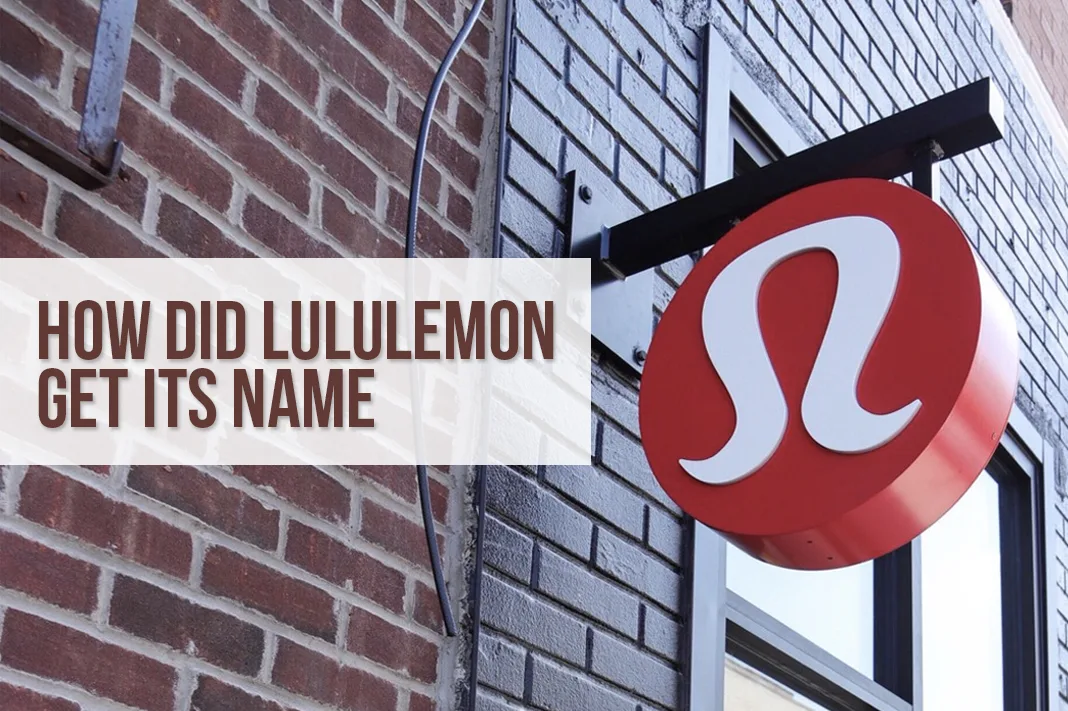
The official retail store, selling the first Lululemon designs, opened its doors in November 2000. The name “Lululemon Athletica” itself was a carefully crafted element of the nascent brand’s identity. Wilson has often explained the name’s origins as a reflection of his marketing approach. He noticed that many Japanese consumers struggled to pronounce the “L” sound, and he intentionally included multiple “L’s” in the name, believing that it would appear authentically North American and aspirational to the Japanese market. While this anecdote has generated debate, it highlights a deliberate, albeit unconventional, strategy to create a distinctive, memorable, and potentially aspirational brand name that stood out in a crowded market. The combination of “Lululemon” (unique, evocative) and “Athletica” (functional, sporty) perfectly encapsulated the brand’s hybrid identity.
Crafting a Unique Brand Identity: Early Strategies and Product Focus
From its earliest days, Lululemon didn’t just sell clothes; it sold a lifestyle, an experience, and an aspiration. This foundational approach to brand identity building was key to its rapid ascent and enduring appeal, setting it apart from traditional sportswear companies. The focus on revolutionary products, combined with a deep commitment to community engagement, forged a powerful brand narrative.
The Core Product: Yoga Pants and Technical Fabrics
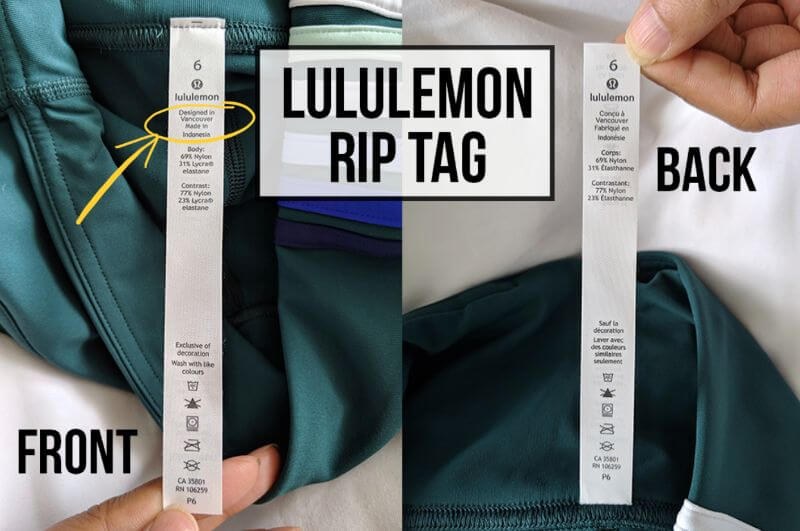
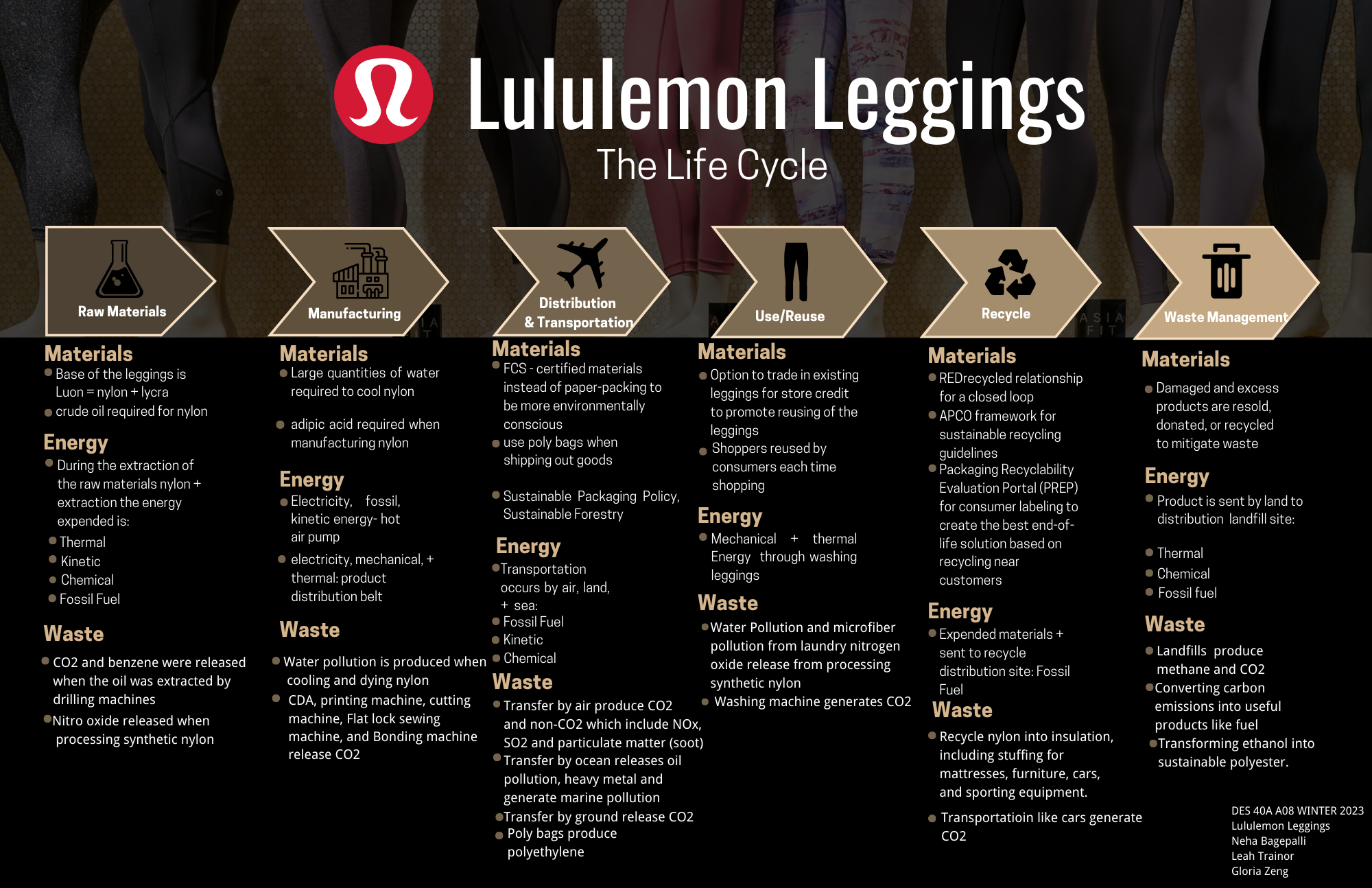
At the heart of Lululemon’s initial brand identity was its revolutionary product: yoga pants. Wilson and his team weren’t just making leggings; they were engineering a garment designed for performance, comfort, and aesthetic appeal. The innovation began with proprietary technical fabrics, most famously “Luon,” a blend of nylon and Lycra. This fabric was groundbreaking for its four-way stretch, moisture-wicking properties, and soft, comfortable feel. Unlike the stiff cotton blends prevalent at the time, Luon offered unparalleled freedom of movement, shape retention, and breathability, making it ideal for yoga and other athletic pursuits.
The design philosophy emphasized fit and flattery, understanding that women wanted to feel confident and comfortable in their activewear. Lululemon pants were designed to hug the body, provide support, and sculpt the silhouette, creating an aspirational look that went beyond mere functionality. This commitment to superior product quality and thoughtful design instantly elevated Lululemon beyond competitors, establishing it as a premium brand with a distinct product offering. The yoga pant became the brand’s signature item, a symbol of its innovation and a magnet for its target demographic.
Community Building and Experiential Retail
Beyond innovative products, Lululemon’s early branding success was largely fueled by its pioneering approach to community building and experiential retail. Long before “community” became a buzzword in marketing, Lululemon was building one from the ground up. The company fostered a deep connection with its customers by offering free in-store yoga classes, workshops, and fitness events. This created a hub where like-minded individuals could connect, share experiences, and implicitly, engage with the brand in an authentic, low-pressure environment.
The brand also developed a robust ambassador program, enlisting local yoga instructors, fitness trainers, and athletes to represent Lululemon within their communities. These ambassadors were genuine advocates, embodying the brand’s values and sharing its story organically. This grassroots marketing strategy built trust and credibility, transforming customers into loyal fans who felt a personal connection to the brand. The retail stores themselves were designed as vibrant, welcoming spaces, staffed by knowledgeable educators rather than just salespeople. They were places to “sweat, grow, and connect,” reinforcing the idea that Lululemon was more than just apparel; it was a partner in one’s wellness journey. This experiential approach created an emotional bond, fostering a sense of belonging that cemented Lululemon’s unique brand identity in the minds of its consumers.
Evolution and Expansion: From Niche to Global Powerhouse
Having established a strong foundation with innovative products and a fervent community, Lululemon strategically transitioned from a niche player to a global powerhouse. This journey involved careful market penetration, diversified product lines, and a remarkable resilience in navigating various challenges, all while staying true to its core brand identity.
Strategic Growth and Market Penetration
After solidifying its presence in Vancouver, Lululemon embarked on an ambitious expansion strategy. The success of its community-driven model proved highly scalable, allowing the brand to open stores in other major cities across Canada and then rapidly into the United States. This expansion wasn’t just about opening new locations; it was about replicating the unique in-store experience and community-building initiatives that had proven so effective. Each new store became a local hub, mirroring the original Vancouver blueprint.
A significant milestone in Lululemon’s growth trajectory was its Initial Public Offering (IPO) in July 2007. Going public provided the necessary capital to fuel its aggressive international expansion plans, allowing the brand to invest further in manufacturing, retail infrastructure, and marketing. The IPO also brought increased visibility, transforming Lululemon from a cult favorite into a publicly traded company with a broader investor and consumer base. While financial in nature, this move was strategically vital for the brand’s ability to achieve global reach and scale. Concurrently, the brand began diversifying its product portfolio beyond women’s yoga wear, introducing popular men’s athletic apparel lines, as well as accessories and other fitness-related gear, expanding its market appeal and reinforcing its identity as a comprehensive athletic lifestyle brand.
Navigating Challenges and Brand Resilience
Like many rapidly growing brands, Lululemon has faced its share of controversies and challenges. These moments tested the brand’s resilience and its ability to adapt while maintaining its core identity. In 2013, the company faced a significant product recall due to an issue with the sheerness of some of its black Luon yoga pants, leading to a temporary dip in sales and damage to its quality reputation. This incident, combined with a series of controversial remarks by founder Chip Wilson regarding the fit of Lululemon’s clothing on certain body types, led to his eventual resignation from the chairman role and later from the board.
These events represented a critical juncture for the brand. However, Lululemon demonstrated remarkable resilience. Under new leadership, the company doubled down on quality control, improved product innovation, and reaffirmed its commitment to inclusivity and customer satisfaction. The brand leveraged its strong community foundation, engaged in transparent communication, and focused on reinforcing its core values of well-being and personal growth. This ability to weather storms, learn from mistakes, and re-center its brand message proved that Lululemon’s identity was built on more than just products; it was built on a robust internal culture and a deeply loyal customer base.
Lululemon’s Enduring Legacy: A Blueprint for Modern Branding
Today, Lululemon stands as a powerful testament to the impact of strategic branding and a visionary approach to market development. Its journey from a single studio in 1998 to a global empire offers invaluable lessons for contemporary brands looking to forge deep connections with their consumers.
The Power of Authenticity and Purpose
Lululemon’s enduring legacy is rooted in its unwavering commitment to authenticity and purpose. From day one, the brand aligned itself with a clear mission: to elevate the world through the power of movement and personal growth. This purpose resonated deeply with consumers who sought more than just clothing; they sought a brand that reflected their values and supported their aspirations. Lululemon’s emphasis on mindfulness, self-care, and an active lifestyle went beyond marketing slogans; it was embedded in its product design, retail experience, and community initiatives.
The brand played a pivotal role in popularizing “athleisure” as a legitimate fashion and lifestyle category, demonstrating that activewear could be stylish, functional, and versatile enough for various aspects of daily life. By consistently promoting a holistic vision of wellness, Lululemon positioned itself not merely as an apparel company, but as a lifestyle enabler, attracting a dedicated following that valued health, well-being, and personal development. This purpose-driven approach has been a cornerstone of its brand identity, fostering loyalty that transcends fleeting trends.
Innovation Beyond Apparel: Experiential Future
As Lululemon looks to the future, its brand strategy continues to evolve, extending beyond traditional apparel to encompass a broader wellness ecosystem. The acquisition of MIRROR, a home fitness technology company, in 2029 marked a significant strategic move, signifying Lululemon’s ambition to become a full-fledged experiential brand. This expansion into digital fitness and interactive home workouts demonstrates a continued commitment to innovation and meeting the evolving needs of its community. By integrating technology and personalized wellness experiences, Lululemon aims to deepen its relationship with consumers, providing value that extends beyond the physical products. This forward-thinking approach ensures the brand remains relevant, continues to differentiate itself, and maintains its position at the forefront of the wellness industry.
In essence, Lululemon’s journey since its founding in 1998 is a masterclass in modern branding. It illustrates the power of identifying an unmet need, innovating with purpose, building a strong community, and adapting resiliently to challenges. The brand’s ability to create a deep emotional connection with its audience, transforming customers into advocates, is its most profound legacy, solidifying its place as an icon in the landscape of global brands.
aViewFromTheCave is a participant in the Amazon Services LLC Associates Program, an affiliate advertising program designed to provide a means for sites to earn advertising fees by advertising and linking to Amazon.com. Amazon, the Amazon logo, AmazonSupply, and the AmazonSupply logo are trademarks of Amazon.com, Inc. or its affiliates. As an Amazon Associate we earn affiliate commissions from qualifying purchases.