
Lululemon has solidified its position as a powerhouse in the activewear market, synonymous with quality, performance, and a distinct aesthetic. However, this premium status often comes with a price tag that gives many consumers pause. For those drawn to the brand’s allure but mindful of their personal finances, the question invariably arises: “What is the cheapest thing at Lululemon?” This article delves into the financial realities of shopping at Lululemon, exploring not just the lowest-priced items, but also the broader concepts of value, investment, and strategic spending within a high-end retail environment. Understanding the true cost—and potential value—of Lululemon products requires a nuanced financial perspective, moving beyond simple sticker shock to a more informed approach to consumer choices.

Deconstructing Lululemon’s Pricing Model: More Than Just Fabric
Before pinpointing the absolute cheapest items, it’s crucial to understand why Lululemon commands its price points. This isn’t merely about brand cachet; a combination of strategic factors contributes to their premium financial positioning, influencing every item from a humble hair tie to a sophisticated jacket. For the financially savvy consumer, recognizing these underlying drivers is key to making informed purchasing decisions.
The “Lululemon Effect”: Brand Perception vs. Cost
The “Lululemon Effect” describes the phenomenon where consumers are willing to pay a premium for products due to a perception of superior quality, style, and even a certain lifestyle status. This isn’t unique to Lululemon, but it’s particularly pronounced in the activewear sector. From a financial perspective, this effect means that the psychological value attributed to wearing Lululemon often transcends the purely functional utility of the garment. Consumers aren’t just buying leggings; they’re buying into a promise of comfort, performance, and a subtle signal of dedication to health and wellness. This perceived value allows Lululemon to maintain higher margins than many competitors, directly impacting the baseline cost of entry into their product ecosystem. While this doesn’t directly dictate the cheapest item, it explains why even their most basic offerings might feel expensive compared to generic alternatives. Understanding this interplay between brand and cost is the first step in assessing financial prudence when approaching a Lululemon purchase.
Material Innovation and Manufacturing Costs
At the heart of Lululemon’s premium pricing is its significant investment in material innovation and high-quality manufacturing. The brand is renowned for its proprietary fabrics such as Luon, Nulu (used in Align products), Everlux, and Swift, each engineered for specific performance attributes like stretch, breathability, moisture-wicking, and compression. Developing these advanced textiles involves considerable research and development expenditure, and their production often utilizes specialized processes and higher-grade raw materials. These upstream costs inevitably trickle down to the consumer price. Manufacturing also plays a role; Lululemon often partners with factories known for meticulous craftsmanship and ethical labor practices, which, while beneficial, can also contribute to higher production costs compared to manufacturers prioritizing sheer volume and lower wages. For the consumer, this translates into products that might offer enhanced durability, comfort, and performance, potentially justifying a higher initial outlay through a better cost-per-wear over the garment’s lifespan. From a personal finance standpoint, recognizing this investment in materials helps one weigh the long-term value against the immediate financial outlay.
Supply Chain and Retail Strategy
Lululemon’s supply chain and retail strategy further contribute to its pricing structure. Historically, the brand has maintained tight control over its distribution, primarily selling through its own retail stores and e-commerce platform. This direct-to-consumer model, while offering greater control over brand experience and customer data, bypasses the typical wholesale markups that might make products cheaper in multi-brand retailers. Furthermore, Lululemon has historically been less prone to frequent, deep discounts compared to other apparel brands. While they do have a “We Made Too Much” section for clearance items, these tend to be limited in stock and specific sizes, rather than widespread promotional events. This strategy helps maintain brand exclusivity and perceived value, but it means that consumers rarely find Lululemon items at significantly reduced prices outside of specific channels. For the budget-conscious shopper, this implies that finding a true “bargain” requires strategic timing and knowledge of specific purchasing avenues, making the hunt for the cheapest items a more deliberate financial endeavor.
Unearthing the Most Affordable Lululemon Items
Navigating Lululemon’s extensive product line to find the absolute cheapest item requires a targeted approach, focusing on categories that naturally carry lower material and manufacturing costs. While “cheap” is a relative term within the brand’s premium context, there are definite entry points that allow consumers to experience Lululemon’s quality without committing to a major apparel investment.
Accessories: The Entry Point
Without a doubt, the lowest-priced items at Lululemon are typically found within their accessories category. These small, functional additions require minimal material and simpler manufacturing processes compared to apparel, making them the most financially accessible way to own a piece of the brand. Items like hair ties, scrunchies, headbands, and socks frequently retail for under $20, and sometimes even under $10. Keychains, small pouches, and wristbands also fall into this segment. For individuals who admire the brand but are operating on a tight budget, these accessories offer a low barrier to entry. They can serve as a way to test the brand’s material quality and durability without a significant financial commitment, or simply as an affordable treat that carries the coveted Lululemon logo. From a personal finance perspective, purchasing a hair tie rather than a pair of leggings offers an immediate gratification at a fraction of the cost, aligning with responsible budgeting for discretionary spending.
Small Apparel and Everyday Essentials
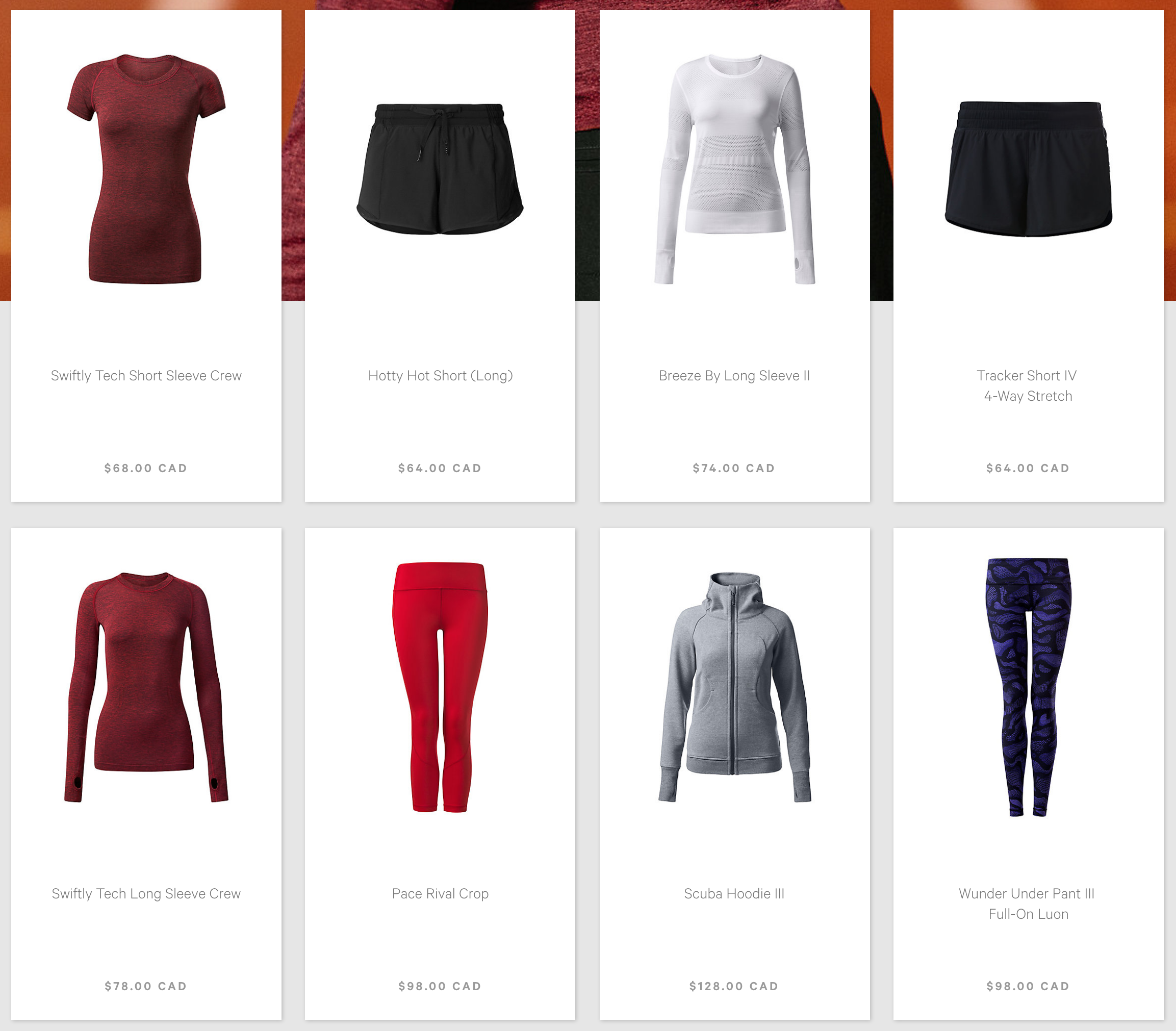
Beyond accessories, the next tier of affordability generally includes smaller apparel items and everyday essentials. These might not be the absolute cheapest things in the store, but they represent the most budget-friendly clothing options available. Basic underwear, particularly single pairs, can sometimes be found in the $18-$28 range. Certain styles of basic tanks or short-sleeve tops, especially those made with simpler fabric compositions or designed with minimalist features, might start around the $38-$48 mark. Examples include specific Swiftly Tech Racerback tanks or simple cotton-blend t-shirts. These items offer a practical entry into Lululemon’s apparel line, often serving as foundational pieces for workouts or casual wear. While still more expensive than comparable items from fast-fashion retailers, their design, material quality, and expected longevity might offer a better cost-per-wear proposition over time, which is a key financial consideration for discerning consumers.
Strategic Shopping: Leveraging “We Made Too Much” and Outlet Stores
For those seeking to acquire Lululemon apparel at a lower price point, strategic shopping through specific channels is paramount. The “We Made Too Much” section, available both online and in-store, is Lululemon’s dedicated clearance area. Here, consumers can find discounted items that are being phased out, are seasonal, or are simply overstocked. While finding specific “cheapest items” here can be hit-or-miss depending on inventory, it’s an excellent place to find core apparel pieces like leggings, bras, or tops at significant reductions, often 20-50% off their original retail price. From a financial planning perspective, regularly checking this section, especially at specific times of the year (e.g., post-holiday, end of season), can yield substantial savings. Additionally, Lululemon outlet stores, where available, offer a similar opportunity to purchase older styles or factory seconds at reduced prices. These outlets are less common than standard retail stores but represent a prime target for budget-conscious consumers. The strategy here isn’t about finding the inherently cheapest item, but rather finding the best value for money on more substantial purchases, aligning with principles of smart financial management and patient consumerism.
The True Cost of “Cheap” vs. Value at Lululemon: A Financial Perspective
Focusing solely on the lowest price can sometimes be a financial misstep. When evaluating a premium brand like Lululemon, the true cost extends beyond the initial purchase price, encompassing factors like durability, resale value, and the psychological impact of the investment. Understanding these nuances is vital for making financially sound decisions.
Durability and Longevity: An Investment Perspective
One of the most compelling arguments for Lululemon’s higher price point is the supposed durability and longevity of its products. From a personal finance standpoint, a garment that costs more upfront but lasts significantly longer ultimately boasts a lower “cost-per-wear.” While a $10 pair of leggings from a fast-fashion brand might seem cheaper, if it stretches out, pills, or falls apart after a few washes, it quickly becomes a recurring expense. A $98 pair of Lululemon leggings, if it withstands years of washes and wear while maintaining its shape and performance, effectively costs pennies per wear over its lifespan. This shifts the financial paradigm from an immediate outlay to a long-term investment. While not every Lululemon item lives up to this ideal, the brand’s reputation for quality often means a more robust product. Smart consumers consider the total ownership cost, recognizing that sometimes, spending more initially can save money in the long run by reducing the need for frequent replacements.
Resale Value and Financial Sustainability
Another often-overlooked financial aspect of Lululemon products is their strong resale value. Unlike many apparel brands that rapidly depreciate once purchased, Lululemon items, particularly popular styles and good condition pieces, maintain a significant portion of their original value in the second-hand market. Platforms like Poshmark, Mercari, eBay, and even dedicated Lululemon resale groups demonstrate this robust demand. From a financial sustainability perspective, this means that a portion of your initial investment can potentially be recouped if you decide to sell an item later. This effectively lowers the true net cost of ownership. For instance, if you purchase a pair of leggings for $98 and can sell them for $40-$50 after a year or two of wear, your actual cost for owning them was much lower than the original price. This financial benefit is a strong differentiating factor for premium brands and encourages a more circular economy model, where consumers can responsibly divest items while recovering capital, reinforcing prudent financial habits.
The Psychological “Cost” of Aspiration
Beyond tangible costs, there’s also a psychological “cost” or benefit associated with purchasing premium brands. For some, owning Lululemon items provides a sense of motivation, confidence, or belonging. It might inspire them to work out more, feel better about themselves, or simply enjoy the comfort of high-quality activewear. This psychological uplift, while not quantifiable in dollars, can contribute to overall well-being and satisfaction. However, from a financial perspective, it’s crucial to distinguish between genuine motivation and succumbing to aspirational spending that strains your budget. Is the purchase genuinely adding value to your life, or is it driven by external pressure or a desire for status that you can’t comfortably afford? Financial prudence dictates a self-assessment: can you truly afford this psychological benefit, or would the money be better allocated to other financial goals? Balancing the desire for brand aspiration with one’s personal financial health is a critical component of mindful consumption.
Budgeting for Lululemon: Smart Spending Strategies
For those committed to incorporating Lululemon into their lifestyle while maintaining financial discipline, strategic budgeting and shopping practices are essential. It’s about making deliberate choices that align with personal finance goals, rather than impulsive buys.
Setting Financial Limits and Prioritizing Purchases
The cornerstone of smart spending at Lululemon, or any premium brand, is establishing clear financial limits. This involves creating a personal budget that allocates specific funds for discretionary spending on apparel. Before making a purchase, ask yourself: “Do I need this, or do I want this?” Prioritize items that fill a genuine wardrobe gap or significantly enhance your fitness routine. For example, if you frequently run, investing in a high-quality running tight might be a more financially sound decision than buying another casual hoodie, even if the hoodie is slightly cheaper. Distinguishing between essential investments (like durable workout gear) and purely aspirational purchases (like a trendy color you already have in another brand) is critical. By setting a hard budget and sticking to it, you transform Lululemon shopping from an open-ended expenditure into a managed financial decision, ensuring it complements rather than compromises your broader financial health.
Alternative Strategies: Second-Hand Market and Sales Alerts
Smart budgeting for Lululemon extends beyond the brand’s direct retail channels. The burgeoning second-hand market offers an excellent opportunity to acquire quality Lululemon items at significantly reduced prices. Platforms such as Poshmark, Mercari, eBay, and even local consignment stores frequently feature gently used Lululemon gear. This approach not only provides financial savings but also supports a more sustainable consumption model. Additionally, for those eyeing new items, signing up for Lululemon’s email newsletters is a practical strategy. These alerts often notify subscribers about new additions to the “We Made Too Much” section, seasonal sales, or limited-time promotions, allowing you to snag desired items when they hit a more palatable price point. Patience and vigilance are financial virtues in this context, enabling consumers to wait for opportunities to buy high-quality goods at a discount, thereby maximizing their purchasing power.
Cost-Per-Wear Calculation: A Financial Metric
To truly evaluate the financial wisdom of a Lululemon purchase, adopt the “cost-per-wear” calculation. This simple metric helps contextualize the value of a more expensive, durable item against a cheaper, less robust alternative. The formula is: Total Cost of Item / Number of Times Worn. For example, a $98 pair of leggings worn 100 times costs $0.98 per wear. If a $30 pair of leggings only lasts 10 wears before needing replacement, its cost-per-wear is $3.00. This calculation reveals that the initial sticker price doesn’t always reflect the long-term financial outlay. Incorporating this metric into your purchasing decisions allows for a more financially sophisticated approach, justifying higher-priced, quality items as sound long-term investments rather than extravagant splurges. It transforms shopping from a purely emotional act into a data-driven financial decision, aligning with the principles of intelligent personal finance.

Conclusion
When asking “what is the cheapest thing at Lululemon?”, the immediate answer often points to small accessories like hair ties or scrunchies. These items serve as accessible entry points, offering a taste of the brand’s quality at a minimal financial outlay. However, a truly insightful financial perspective on Lululemon extends far beyond simply finding the lowest price tag. It involves understanding the brand’s pricing philosophy, appreciating the investment in materials and manufacturing, and strategically leveraging sales channels and the robust resale market.
Ultimately, the cheapest thing at Lululemon might be a small accessory, but the cheapest approach to shopping there is one rooted in careful financial planning. By adopting strategies like calculating cost-per-wear, prioritizing purchases, exploring the second-hand market, and being patient for sales, consumers can make intelligent, value-driven decisions that align with their personal finance goals. Lululemon, like any premium brand, presents an opportunity to practice conscious consumerism, where every purchase is a deliberate choice, balancing aspiration with financial prudence, and ultimately finding true value beyond the immediate cost.
aViewFromTheCave is a participant in the Amazon Services LLC Associates Program, an affiliate advertising program designed to provide a means for sites to earn advertising fees by advertising and linking to Amazon.com. Amazon, the Amazon logo, AmazonSupply, and the AmazonSupply logo are trademarks of Amazon.com, Inc. or its affiliates. As an Amazon Associate we earn affiliate commissions from qualifying purchases.