
In an era increasingly defined by conscious consumerism and environmental accountability, established brands are compelled to reimagine their business models. Lululemon, a titan in athletic apparel, has responded to this imperative with “Like New”—a revolutionary re-commerce program designed to extend the lifecycle of its premium products. This initiative is more than just a marketplace for used goods; it’s a strategic move that significantly reshapes Lululemon’s brand identity, marketing narrative, and commitment to a sustainable future. By embracing circularity, Lululemon is not merely selling pre-owned items; it is actively cultivating a new dimension of brand engagement, driving customer loyalty, and setting a precedent for responsible retail in the activewear industry. Understanding “Like New” means dissecting a sophisticated brand strategy that integrates sustainability, customer value, and market innovation into its core operations.

The Strategic Imperative Behind “Like New”
Lululemon’s “Like New” program is a masterclass in modern brand strategy, born from a confluence of shifting consumer values, environmental pressures, and the evolving competitive landscape. It represents a proactive decision to not just adapt but to lead within the retail sector, intertwining commercial success with social and environmental responsibility. This initiative transcends typical marketing ploys; it’s a fundamental recalibration of the brand’s identity to resonate with a globally conscious audience.
Responding to Consumer Demand for Sustainability
Today’s consumers, particularly the influential Gen Z and millennial demographics, are increasingly discerning about the ethical and environmental footprint of the brands they support. Fast fashion’s negative externalities—resource depletion, waste generation, and exploitative labor practices—have cultivated a strong demand for more sustainable alternatives. Lululemon, known for its high-quality, durable products, recognized that its existing merchandise inherently possessed a long lifespan. “Like New” capitalizes on this inherent durability by offering an official, brand-sanctioned pathway for products to continue their journey, thereby directly addressing consumer desires for sustainable choices. This move enhances Lululemon’s corporate identity as a responsible player, building trust and aligning its values with those of its target demographic. It’s a strategic embrace of circularity that positions the brand as a leader rather than a follower in the eco-conscious movement.
Enhancing Brand Loyalty and Accessibility
Beyond sustainability, “Like New” serves as a powerful tool for deepening brand loyalty and expanding market reach. For existing Lululemon customers, the program offers a convenient, trusted avenue to responsibly offload items they no longer wear, receiving a Lululemon e-gift card in return. This creates a circular value proposition: consumers get value for their old items, which often fuels new purchases within the Lululemon ecosystem, whether new or “Like New.” This exchange reinforces brand engagement and encourages continued patronage. Furthermore, the program makes Lululemon’s often premium-priced products more accessible to a broader audience. By offering certified, high-quality pre-owned items at a more approachable price point, “Like New” lowers the barrier to entry for new customers who might have previously found the brand financially out of reach. This dual benefit—rewarding existing loyalists and attracting new segments—is a testament to the strategic foresight embedded within the program’s design, enhancing the brand’s overall market penetration and customer lifetime value.
Pioneering a Circular Economy in Activewear
Lululemon’s “Like New” initiative is a significant step towards pioneering a circular economy within the activewear industry. Traditionally, the linear “take-make-dispose” model dominates fashion production. “Like New” actively disrupts this by emphasizing reuse and extending the utility of products. The program creates a closed-loop system where Lululemon maintains ownership and control over the secondary market for its products. This allows the brand to not only reduce waste but also gain valuable insights into product durability, wear patterns, and end-of-life solutions. By operating its own resale platform, Lululemon ensures the quality and authenticity of its pre-owned items, protecting its brand reputation and guaranteeing a consistent customer experience. This strategic control over the secondary market is a competitive differentiator, distinguishing Lululemon from brands that merely encourage third-party resale. It signals a long-term commitment to sustainability that permeates its entire corporate identity, setting a new benchmark for brand responsibility and operational innovation in the retail landscape.
Deconstructing the “Like New” Operational Model
The success of Lululemon’s “Like New” program hinges on a meticulously designed operational model that ensures quality, efficiency, and a seamless customer experience. This process is a complex logistical and brand management undertaking, requiring sophisticated systems to maintain Lululemon’s high standards while processing thousands of pre-owned garments.
The Trade-In and Vetting Process
The journey for a Lululemon garment to become “Like New” begins with the customer trade-in. Individuals can bring eligible Lululemon apparel—typically pants, tops, shorts, and outerwear—to participating Lululemon stores or initiate a trade-in online. The eligibility criteria are crucial; items must be in “good condition” with no major damage, excessive wear, or alterations. This initial vetting is critical for maintaining the integrity of the “Like New” brand promise. Once received, each item undergoes a rigorous inspection process. Trained personnel meticulously evaluate the garment’s condition, checking for tears, stains, pilling, fading, and overall structural integrity. This stringent quality control is paramount. Unlike generic thrift stores, Lululemon is putting its brand name directly on these pre-owned items, meaning the quality must reflect the premium standards customers associate with the brand. Items that do not meet the “good condition” criteria are either rejected or, in some cases, responsibly recycled, further demonstrating the brand’s commitment to minimizing waste regardless of resale potential.
Quality Assurance and Product Rejuvenation
For items that pass the initial vetting, the next stage involves comprehensive quality assurance and product rejuvenation. This is where “Like New” truly distinguishes itself from general second-hand sales. Garments are sent to specialized facilities where they undergo thorough cleaning, sanitization, and, if necessary, minor repairs. This might include mending small tears, re-stitching loose seams, or removing stubborn stains that were missed during initial assessment. The goal is to restore each item to a condition that closely approximates its “like new” state, ensuring it meets the brand’s exacting standards for appearance and functionality. This meticulous process is vital for upholding Lululemon’s brand identity; customers buying “Like New” expect the same level of quality and durability they would from a brand-new item, albeit with the understanding that it is pre-owned. The investment in this rejuvenation process underscores Lululemon’s commitment to the program’s success and its dedication to delivering premium value across all its product offerings, new or circular.
The Resale Journey: From Closet to New Life
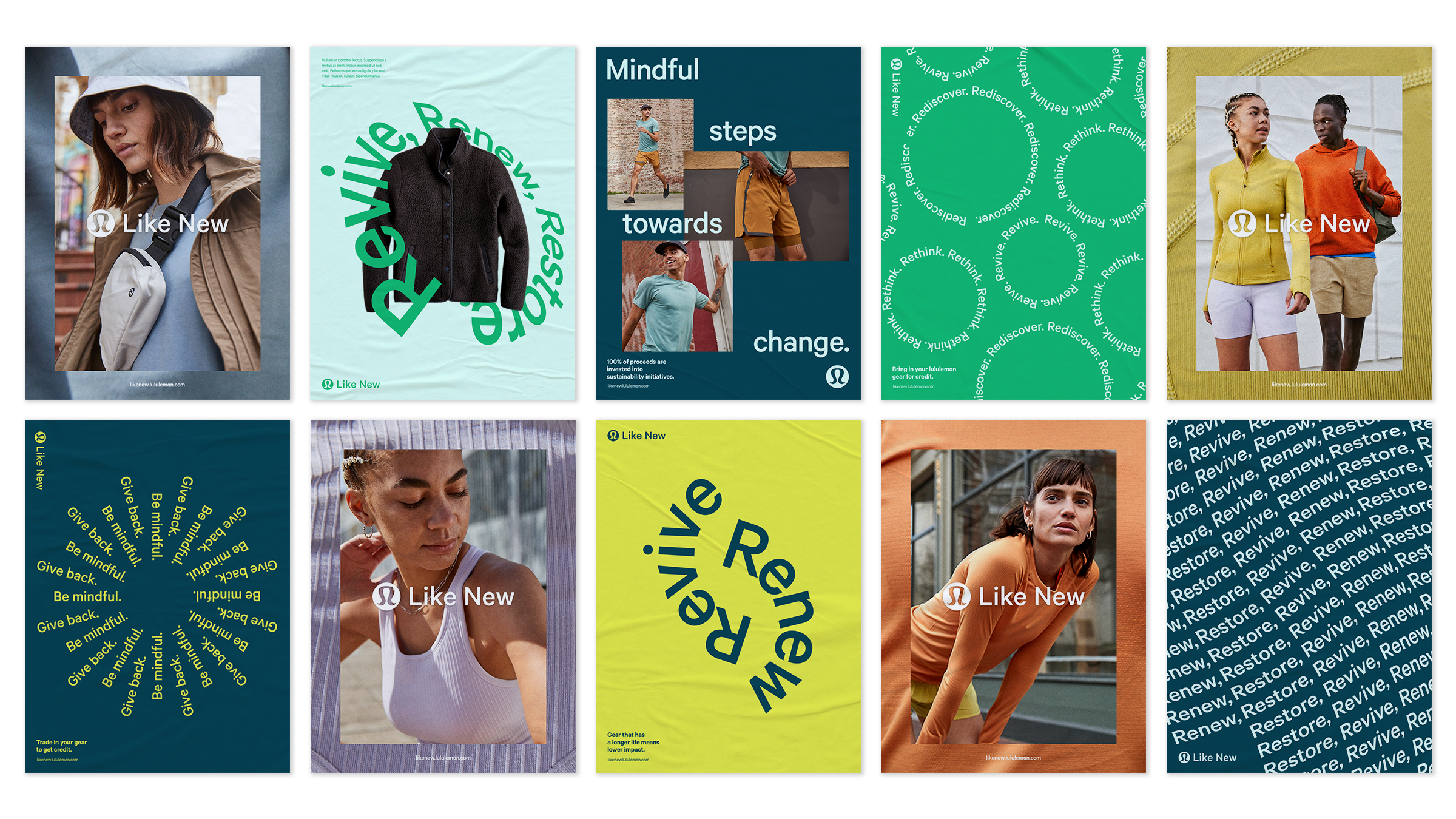
Once an item has been thoroughly vetted, cleaned, and repaired, it is then ready for its new life in the “Like New” marketplace. These refurbished garments are typically sold through a dedicated section on Lululemon’s website, distinct from its new product offerings. The presentation of “Like New” items is carefully curated, often featuring detailed product descriptions, clear grading of condition (e.g., “Great Condition,” “Good Condition”), and professional photography. This thoughtful approach to merchandising ensures that the shopping experience for pre-owned items aligns with the premium aesthetic of the main Lululemon brand. Customers purchasing “Like New” items benefit from Lululemon’s official backing, knowing they are receiving an authentic, quality-checked product with the assurance of the Lululemon brand behind it. This integrated resale journey not only provides an eco-conscious alternative for shoppers but also seamlessly extends the Lululemon brand experience, ensuring consistency and trust whether one is buying brand new or “Like New.” The process effectively closes the loop, allowing products to circulate within the Lululemon community, benefiting both the environment and consumers.
The Multifaceted Benefits for Lululemon and its Community
Lululemon’s “Like New” program delivers a cascade of benefits that extend far beyond simply selling used clothes. It strategically reinforces the brand’s market position, deepens customer relationships, and solidifies its progressive corporate identity in an increasingly competitive and conscious marketplace. These advantages underscore the program’s significance as a pivotal element of Lululemon’s long-term brand strategy.
Fortifying Brand Image and ESG Credentials
In an era where environmental, social, and governance (ESG) factors profoundly influence corporate reputation and investor sentiment, “Like New” significantly fortifies Lululemon’s brand image and bolsters its ESG credentials. By actively engaging in a circular economy, the brand demonstrates a tangible commitment to reducing waste, conserving resources, and promoting sustainability—a critical component of modern corporate responsibility. This initiative positions Lululemon as an industry leader in eco-conscious practices, enhancing its reputation among environmentally aware consumers, stakeholders, and potential employees. The marketing narratives around “Like New” naturally align with themes of longevity, quality, and responsible consumption, weaving these values into the core of Lululemon’s corporate identity. This proactive approach to sustainability not only garners positive media attention but also builds a reservoir of brand trust and goodwill, making Lululemon more resilient to criticism and more attractive to a market that increasingly values authentic brand purpose.
Expanding Market Reach and Customer Acquisition
The “Like New” program serves as an ingenious mechanism for expanding Lululemon’s market reach and attracting new customer segments. The premium pricing of new Lululemon products, while justified by quality, can be a barrier for some consumers. By offering authenticated, high-quality pre-owned items at a more accessible price point, “Like New” lowers this barrier, inviting a broader demographic into the Lululemon family. This strategy targets budget-conscious consumers, younger demographics who are often more open to second-hand goods, and those who prioritize sustainability without wanting to compromise on brand quality. Once these new customers experience the durability and performance of Lululemon products through “Like New,” they are more likely to become full-price customers for future purchases. It’s a strategic “gateway drug” to the full brand ecosystem, cultivating loyalty from the outset. This careful segmentation and acquisition strategy is a testament to savvy brand management, transforming what could be a secondary market into a primary channel for growth and brand evangelism.
Cultivating a More Engaged and Sustainable Consumer Base
Perhaps one of the most profound benefits of “Like New” is its ability to cultivate a more engaged and inherently sustainable consumer base. The program encourages customers to think differently about their clothing consumption—moving away from a disposable mindset towards valuing longevity and reuse. By offering a convenient trade-in option, Lululemon empowers its community to participate directly in the circular economy, transforming passive consumers into active contributors to a more sustainable system. This participation fosters a deeper connection with the brand, as customers feel they are part of a larger, positive movement. The e-gift card received for trade-ins creates a direct incentive for continued engagement with the Lululemon brand, reinforcing a virtuous cycle of buying, using, trading in, and re-purchasing. This continuous interaction builds a loyal, informed, and ethically minded community around the brand, creating a powerful marketing effect through word-of-mouth and shared values. The “Like New” initiative thus transcends a simple transaction; it fosters a lifestyle, aligning perfectly with Lululemon’s broader brand strategy of inspiring well-being and active living.
Navigating the Challenges and Future Outlook
While “Like New” represents a significant leap forward for Lululemon’s brand strategy and sustainability goals, its implementation is not without complexities. Effectively scaling and managing such a program requires continuous innovation and careful attention to operational details, customer perception, and the evolving retail landscape.
Logistical Complexities and Quality Control
The operational intricacies of a large-scale re-commerce program like “Like New” present substantial logistical challenges. Managing the collection, transportation, sorting, cleaning, repair, and redistribution of thousands of individual garments across a vast geographical footprint demands a robust and efficient supply chain. Maintaining consistent quality control for pre-owned items is paramount to upholding Lululemon’s premium brand image. Each garment must be thoroughly inspected, categorized, and, if necessary, restored to a condition that meets the brand’s exacting standards. This process is far more complex and labor-intensive than simply manufacturing and distributing new items. Any lapse in quality control could erode consumer trust and damage the “Like New” brand, and by extension, the core Lululemon brand. Overcoming these hurdles requires significant investment in infrastructure, technology, and specialized training for staff, ensuring the program’s scalability without compromising on the brand promise.
Educating the Consumer and Shifting Perceptions
Another significant challenge lies in educating consumers and subtly shifting their perceptions around purchasing pre-owned luxury activewear. Despite growing environmental awareness, some consumers may still harbor reservations about buying used clothing, particularly from a brand known for its pristine, high-performance apparel. Lululemon’s marketing and communication strategies must skillfully address these potential hesitations. This involves clearly articulating the rigorous vetting and rejuvenation processes, emphasizing the authenticated quality of “Like New” items, and highlighting the environmental benefits. The brand needs to reinforce that “Like New” is not merely second-hand but rather a curated collection of Lululemon items given a renewed life, backed by the brand itself. Shifting cultural norms around consumption and actively promoting the value proposition—both financial and environmental—of circular retail is an ongoing, long-term marketing endeavor crucial for the sustained success and growth of the “Like New” initiative.

The “Like New” Blueprint for the Retail Industry
Looking ahead, Lululemon’s “Like New” program is poised to serve as a pivotal blueprint for the broader retail industry, particularly within the premium apparel segment. As consumer demand for sustainability intensifies and resource scarcity becomes more pronounced, re-commerce is no longer a niche market but a strategic imperative for brand longevity and relevance. The success of “Like New” demonstrates that brands can effectively integrate circular business models without diluting their luxury appeal or compromising profitability. This initiative showcases how strategic design, robust logistics, and clear communication can transform pre-owned goods into a valuable new revenue stream and a powerful tool for brand differentiation and customer engagement. As Lululemon continues to refine and scale “Like New,” it will undoubtedly influence other brands to explore similar initiatives, driving a more sustainable and circular future for the entire retail sector. Its pioneering spirit in this space reinforces Lululemon’s image as not just a leader in activewear, but a visionary in responsible brand management and the evolution of consumerism.
aViewFromTheCave is a participant in the Amazon Services LLC Associates Program, an affiliate advertising program designed to provide a means for sites to earn advertising fees by advertising and linking to Amazon.com. Amazon, the Amazon logo, AmazonSupply, and the AmazonSupply logo are trademarks of Amazon.com, Inc. or its affiliates. As an Amazon Associate we earn affiliate commissions from qualifying purchases.