
To understand “what is a Lululemon” is to delve deep into the anatomy of a modern lifestyle brand that has transcended mere athletic apparel to become a cultural touchstone. Lululemon Athletica Inc., often simply referred to as Lululemon, is far more than just a purveyor of yoga pants and running gear; it is a meticulously crafted brand identity built on pillars of community, aspiration, and a distinct approach to product design and marketing. From its origins in Vancouver, Canada, in 1998, Lululemon has cultivated a global following, mastering the art of creating not just products, but an immersive brand experience that resonates deeply with its target audience. This exploration will dissect the core elements that define Lululemon, examining its brand strategy, corporate identity, marketing prowess, and the lasting impact it has made on the retail landscape.

The Genesis of a Lifestyle Giant: From Niche to Global Icon
Lululemon’s journey began with a clear vision: to create technical athletic apparel for women to wear for yoga and other sweaty pursuits. This initial focus, while seemingly niche, laid the groundwork for a brand that would eventually redefine an entire clothing category. The founder, Chip Wilson, recognized an unmet need in the market for comfortable, functional, and stylish workout wear that could seamlessly transition from the studio to daily life. This foresight proved to be a foundational element of Lululemon’s brand strategy, establishing it as an innovator rather than a follower.
Defining a Premium Niche and Cultivating Exclusivity
In its nascent stages, Lululemon consciously positioned itself as a premium brand, distinct from mass-market sportswear companies. This wasn’t just about pricing; it was about product quality, design philosophy, and the overall brand narrative. By focusing initially on women’s yoga apparel, Lululemon tapped into a burgeoning wellness movement, associating itself with health, mindfulness, and self-improvement. This deliberate segmentation allowed the brand to cultivate an air of exclusivity and high performance, attracting customers who valued both function and fashion. The early success was built on word-of-mouth marketing, driven by satisfied customers who became de facto brand ambassadors, sharing their positive experiences with Lululemon’s innovative fabrics and flattering designs. This organic growth strategy contributed significantly to building a loyal customer base and a strong brand reputation before large-scale advertising campaigns became necessary. The perceived value and aspirational quality were baked into the brand from the outset, rather than being an afterthought.
The Visionary Product: More Than Just Fabric
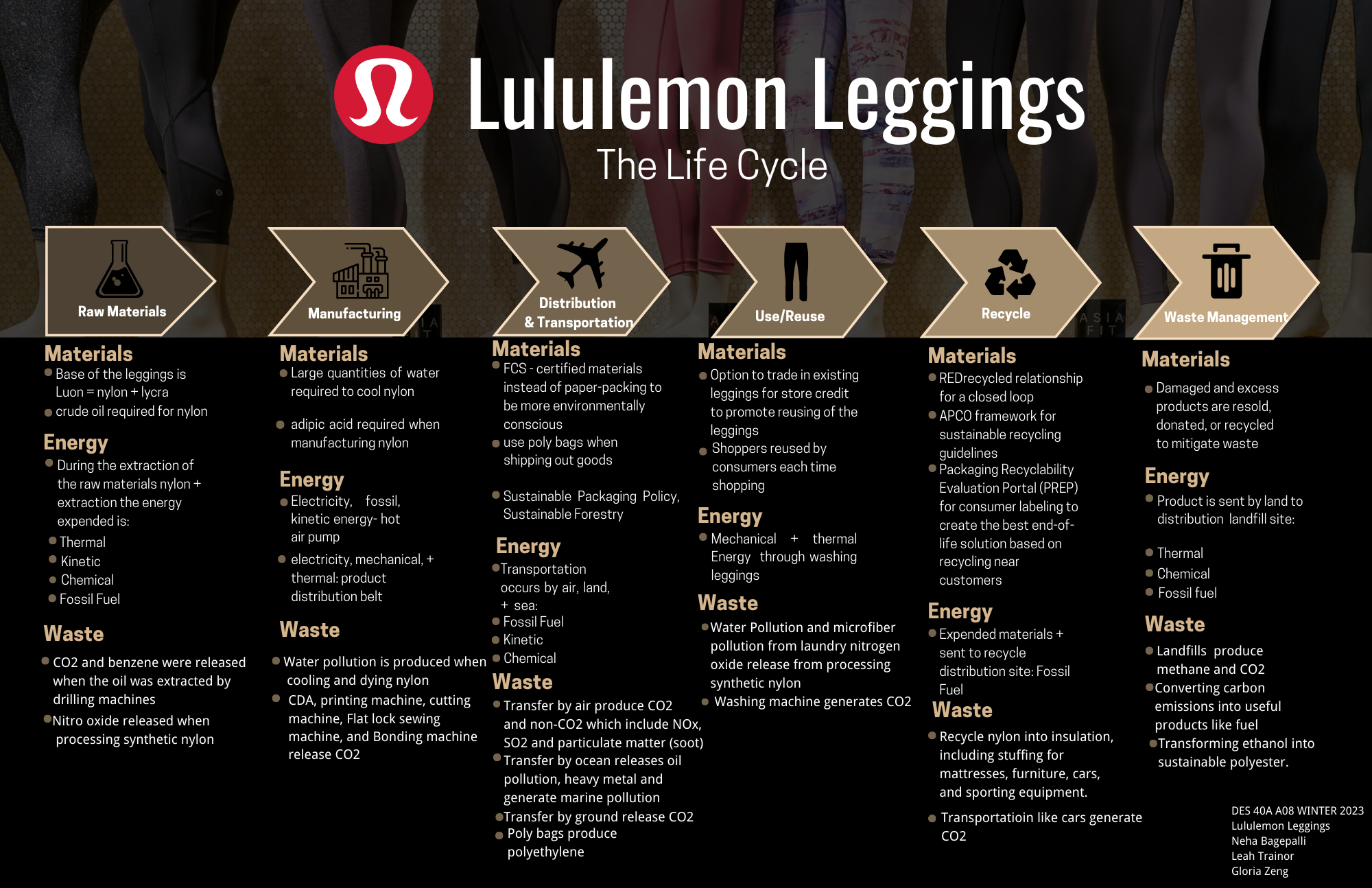
Central to Lululemon’s initial brand appeal was its relentless focus on product innovation. The brand became synonymous with its proprietary fabric, Luon, a blend of nylon and Lycra designed for superior stretch, moisture-wicking properties, and a soft, comfortable feel. This material became a key differentiator, offering a tactile experience that set Lululemon apart. Beyond the fabric, the design philosophy emphasized fit, functionality, and aesthetic appeal. Lululemon’s garments were engineered to enhance performance while flattering the wearer’s physique, creating a powerful emotional connection. The iconic “Scuba Hoodie” and “Align Pant” became emblematic of the brand’s commitment to combining technical performance with everyday style. This product-centric approach ensured that the brand’s promise of quality and innovation was consistently delivered, fostering trust and loyalty among its discerning customer base.
Crafting a Distinctive Brand Identity and Corporate Narrative
Lululemon’s brand identity is a masterclass in weaving together product excellence, aspirational messaging, and a clear corporate philosophy. It’s a brand that doesn’t just sell clothes; it sells a lifestyle, a mindset, and a sense of belonging. This identity is meticulously managed across all touchpoints, from product design to retail environments and digital presence. The result is a cohesive and compelling narrative that resonates deeply with its target demographic.
The Lululemon Aesthetic: Minimalism, Function, and Aspiration
The visual identity of Lululemon is characterized by a clean, minimalist aesthetic that embodies sophistication and functionality. Its distinctive “A-line” logo is instantly recognizable, symbolizing movement and the human form. This minimalist approach extends to its product designs, which feature clean lines, subtle branding, and a focus on essential performance elements. The color palettes often lean towards earthy tones, muted pastels, and classic blacks and whites, conveying a sense of calm, elegance, and timelessness. This aesthetic not only makes the products versatile but also reinforces the brand’s image as refined and thoughtful. It suggests that Lululemon wearers are discerning individuals who value understated quality and effortless style, aligning the brand with a modern, active, and health-conscious lifestyle. The aspiration isn’t just to look good, but to feel good and embody a particular way of living.
Beyond Apparel: Expanding the Brand Universe
While rooted in athletic apparel, Lululemon has strategically expanded its brand universe to encompass a broader range of wellness and self-care products and experiences. This diversification isn’t random; it’s a logical extension of its core brand promise: supporting a holistic, healthy lifestyle. The acquisition of MIRROR, an in-home fitness platform, exemplifies this strategy, allowing Lululemon to move beyond physical products into digital fitness experiences. Similarly, the brand has ventured into personal care items, bags, and accessories that complement the active lifestyle it promotes. By offering a wider ecosystem of products and services, Lululemon reinforces its corporate identity as a comprehensive wellness partner, not just a clothing retailer. This expansion strengthens customer loyalty and increases brand touchpoints, ensuring Lululemon remains relevant and indispensable in the evolving wellness landscape. It shows a commitment to providing solutions for the “sweatlife” in its entirety.
The Power of Community and Experiential Marketing
Perhaps one of the most potent elements of Lululemon’s brand strategy is its unparalleled ability to foster a strong sense of community. Unlike traditional advertising that pushes messages outwards, Lululemon has masterfully built an inward-looking, participatory brand experience that transforms customers into loyal advocates. This community-centric approach has been instrumental in distinguishing Lululemon in a crowded market and cultivating an almost cult-like following.
Building the “Sweat Collective”: Brand Ambassadors and Local Connection
At the heart of Lululemon’s community strategy is its “Sweat Collective” program and the empowerment of local ambassadors. Rather than relying solely on celebrity endorsements, Lululemon identifies and partners with local yoga instructors, fitness trainers, and wellness leaders who genuinely embody the brand’s values. These ambassadors are not just faces for the brand; they are active participants, providing product feedback, hosting events, and genuinely connecting with the community. This grassroots approach creates authentic connections and builds trust. When a respected local instructor recommends Lululemon, it carries more weight than a generic advertisement. This strategy leverages the power of social proof and word-of-mouth marketing, creating a network of influence that extends organically. By supporting and celebrating these local heroes, Lululemon embeds itself deeply within the communities it serves, forging strong, genuine bonds that are invaluable for brand loyalty.
In-Store Experience as Community Hubs
Lululemon’s retail stores are far more than mere points of sale; they are designed as community hubs and experiential centers. The layout, ambiance, and staff training all contribute to an inviting and inspiring atmosphere. Crucially, many Lululemon stores offer free yoga classes, meditation sessions, and fitness events, transforming them into gathering places for like-minded individuals. These events provide opportunities for customers to connect with each other, with local instructors, and directly with the brand in a low-pressure, high-value environment. This experiential marketing approach allows customers to immerse themselves in the Lululemon lifestyle, fostering a sense of belonging and camaraderie. The staff, known as “educators,” are trained to be knowledgeable, approachable, and passionate about wellness, further enhancing the positive brand experience. By focusing on connection and shared experiences, Lululemon cultivates emotional loyalty that transcends transactional relationships.
The “Lululemon Effect”: Creating Aspiration and Belonging
The cumulative effect of Lululemon’s brand strategy, product excellence, and community building is what might be termed the “Lululemon Effect.” It’s the phenomenon where wearing Lululemon becomes a subtle signal of an aspirational lifestyle – one of health, wellness, mindfulness, and a commitment to self-care. It suggests a person who invests in themselves and their well-being. This powerful brand association creates a feedback loop: customers aspire to be part of the Lululemon community, and by wearing the brand, they feel they are embodying its values. This sense of belonging, coupled with the high quality and stylish design of the products, generates a strong emotional bond. The brand has successfully engineered a perception where its products are not just garments, but tools and symbols that help individuals achieve their wellness goals and express their identity. This blend of aspiration and belonging is a formidable force in cementing brand loyalty and driving continued growth.
Strategic Branding and Market Position: A Masterclass in Retail
Lululemon’s sustained success is a testament to its shrewd brand strategy, which encompasses everything from its premium pricing model to its distinctive retail approach and its ability to adapt and evolve. Its market position is carefully maintained through deliberate choices that prioritize brand integrity and customer experience.
The Premium Pricing Strategy: Justifying Value and Exclusivity
One of the most defining aspects of Lululemon’s brand strategy is its premium pricing. While often debated, this strategy is not arbitrary; it is a deliberate choice that reinforces the brand’s perception of quality, exclusivity, and aspirational value. By positioning its products at a higher price point than many competitors, Lululemon signals that its offerings are superior in terms of material, design, and performance. This premium status also creates a psychological effect: customers often associate higher price with higher quality and desirability. Furthermore, the pricing strategy aligns with the brand’s target demographic, which often consists of affluent individuals willing to invest in their health and wellness. This approach has allowed Lululemon to maintain strong profit margins and avoid diluting its brand image by engaging in frequent discounting, thereby preserving its luxury appeal.
Direct-to-Consumer (DTC) Model and Controlled Retail Presence
Lululemon has historically favored a direct-to-consumer (DTC) model, primarily selling through its own branded stores and e-commerce platform. This strategy provides several critical brand advantages. Firstly, it allows Lululemon to maintain absolute control over the customer experience, from the moment a customer steps into a store or visits the website to post-purchase support. This control ensures brand consistency and the delivery of the premium experience Lululemon promises. Secondly, the DTC model allows for direct engagement with customers, providing invaluable feedback and fostering stronger relationships. Thirdly, it provides better margin control by cutting out intermediaries. While Lululemon has explored partnerships (e.g., with Peloton), its core strategy remains centered on owning the customer journey. Its strategically located retail stores are carefully designed to reflect the brand’s aesthetic and community focus, acting as extensions of the brand’s ethos rather than just transactional spaces. This controlled distribution reinforces its premium positioning and protects its brand integrity.
Navigating Brand Challenges and Evolution
No brand is immune to challenges, and Lululemon has faced its share, from quality control issues with sheer yoga pants to controversial statements by its founder. However, the brand’s response to these challenges demonstrates its commitment to evolving and protecting its corporate identity. Lululemon has learned to navigate PR crises by acknowledging issues, implementing solutions, and reinforcing its core values. More broadly, the brand has continually evolved its product lines, expanding into men’s apparel, accessories, and new technologies like MIRROR. This evolution is critical for staying relevant and appealing to a broader audience while remaining true to its brand essence. The ability to adapt to changing consumer preferences, technological advancements, and market dynamics while maintaining a consistent brand voice is a hallmark of Lululemon’s robust brand strategy, ensuring its enduring appeal and growth.
Lululemon’s Enduring Brand Legacy and Future
Lululemon has not just created a successful business; it has etched an indelible mark on the fashion and wellness industries, influencing trends and shaping consumer expectations. Its brand legacy is one of innovation, community building, and aspirational living.
Cultural Impact and Influence: Shaping Athleisure Trends
Lululemon played a pivotal role in popularizing and legitimizing “athleisure” wear as a mainstream fashion category. Before Lululemon, workout clothes were largely confined to the gym. The brand demonstrated that activewear could be both functional and stylish enough to be worn in everyday settings, from coffee shops to casual workplaces. This shift in cultural perception dramatically expanded the market for athletic apparel and inspired countless competitors. The Lululemon aesthetic – sleek, comfortable, and performance-driven – became the gold standard, influencing design trends across the entire apparel industry. Its success proved that consumers were willing to invest in high-quality, versatile clothing that supported an active lifestyle, cementing Lululemon’s status as a true trendsetter.
Diversification and Growth Strategies: Expanding Horizons
Looking ahead, Lululemon’s brand future is characterized by continued diversification and strategic global expansion. The successful integration of MIRROR into its ecosystem points to a future where Lululemon offers a comprehensive suite of physical products and digital services that support holistic well-being. Its growing men’s line, which has successfully shed the initial “women’s brand” perception, represents a significant growth vector. Furthermore, international expansion into key markets globally signifies Lululemon’s ambition to become a truly omnipresent wellness brand. These growth strategies are carefully executed to maintain brand integrity, ensuring that as the brand expands, its core values of quality, community, and aspiration remain at the forefront.

What Lies Ahead: Sustainability and Continued Innovation
As consumer awareness around sustainability grows, Lululemon is increasingly focusing on integrating eco-friendly practices into its supply chain and product lifecycle, a critical component for modern brand relevance. Commitments to sustainable materials, ethical manufacturing, and circularity initiatives will be crucial for maintaining its aspirational appeal among a conscious consumer base. Simultaneously, continuous innovation in fabric technology, product design, and digital experiences will ensure Lululemon remains at the forefront of the athletic apparel and wellness industry. Ultimately, “what is a Lululemon” continues to evolve, but its essence remains rooted in its powerful brand identity: a meticulously crafted lifestyle brand that champions wellness, community, and aspirational living through exceptional products and an immersive customer experience.
aViewFromTheCave is a participant in the Amazon Services LLC Associates Program, an affiliate advertising program designed to provide a means for sites to earn advertising fees by advertising and linking to Amazon.com. Amazon, the Amazon logo, AmazonSupply, and the AmazonSupply logo are trademarks of Amazon.com, Inc. or its affiliates. As an Amazon Associate we earn affiliate commissions from qualifying purchases.