
In an increasingly digital economy, the way consumers manage their finances and make purchases has undergone a significant transformation. Among the most impactful innovations of recent times is the rise of Buy Now, Pay Later (BNPL) services, with Klarna standing as a prominent leader in this space. At the heart of Klarna’s appeal lies its concept of “purchase power”—a dynamic assessment of a user’s ability to make immediate purchases while deferring payment, often interest-free, over a set period. Understanding Klarna purchase power is crucial for anyone considering utilizing this financial tool, as it illuminates not only how the service works but also its potential benefits and inherent responsibilities from a personal finance perspective.
Klarna’s system is designed to provide flexibility, allowing consumers to spread the cost of purchases without necessarily incurring interest, provided payments are made on time. This financial innovation has democratized access to credit-like facilities, enabling consumers to manage their cash flow more effectively, especially for larger purchases. However, this flexibility comes with a need for informed decision-making and a clear understanding of one’s own financial limits. This article will delve into what Klarna purchase power truly entails, how it’s determined, its financial implications for consumers, and strategies for leveraging it responsibly within a sound personal financial plan.
Understanding Klarna: A Modern Financial Tool
Klarna is far more than just a payment processor; it’s a global financial technology (fintech) company that has redefined the shopping experience by integrating payment and retail services. Born in Sweden, Klarna has grown to become one of the most valuable private fintech companies worldwide, serving millions of consumers and thousands of retailers. Its core offering revolves around empowering consumers with flexible payment options at the point of sale, whether online or in-store.
The Rise of Buy Now, Pay Later (BNPL)
The BNPL model is predicated on the idea of micro-installments. Instead of paying the full price upfront, consumers can split their purchase into several smaller, manageable payments over a few weeks or months. This model gained significant traction due to its simplicity, speed, and often, the absence of interest fees, distinguishing it from traditional credit cards which typically charge interest from day one if the balance isn’t paid in full. For many, BNPL represents a more accessible and transparent form of short-term financing, especially beneficial for those wary of credit card debt or looking for immediate budgetary relief.
Klarna’s Place in the FinTech Landscape
Klarna differentiates itself within the crowded fintech landscape not only by its expansive merchant network but also by its diverse range of payment products: “Pay in 4,” “Pay in 30 days,” and longer-term financing options. It positions itself as a smarter, more convenient alternative to traditional payment methods, focusing on a seamless user experience. Through its app, Klarna offers shopping features, personalized recommendations, and sophisticated spending management tools, evolving beyond a mere payment gateway into a comprehensive shopping companion. Its integration with budgeting apps and focus on financial transparency further solidifies its position as a key financial tool in the modern consumer’s arsenal.
Decoding “Purchase Power” in the Klarna Context
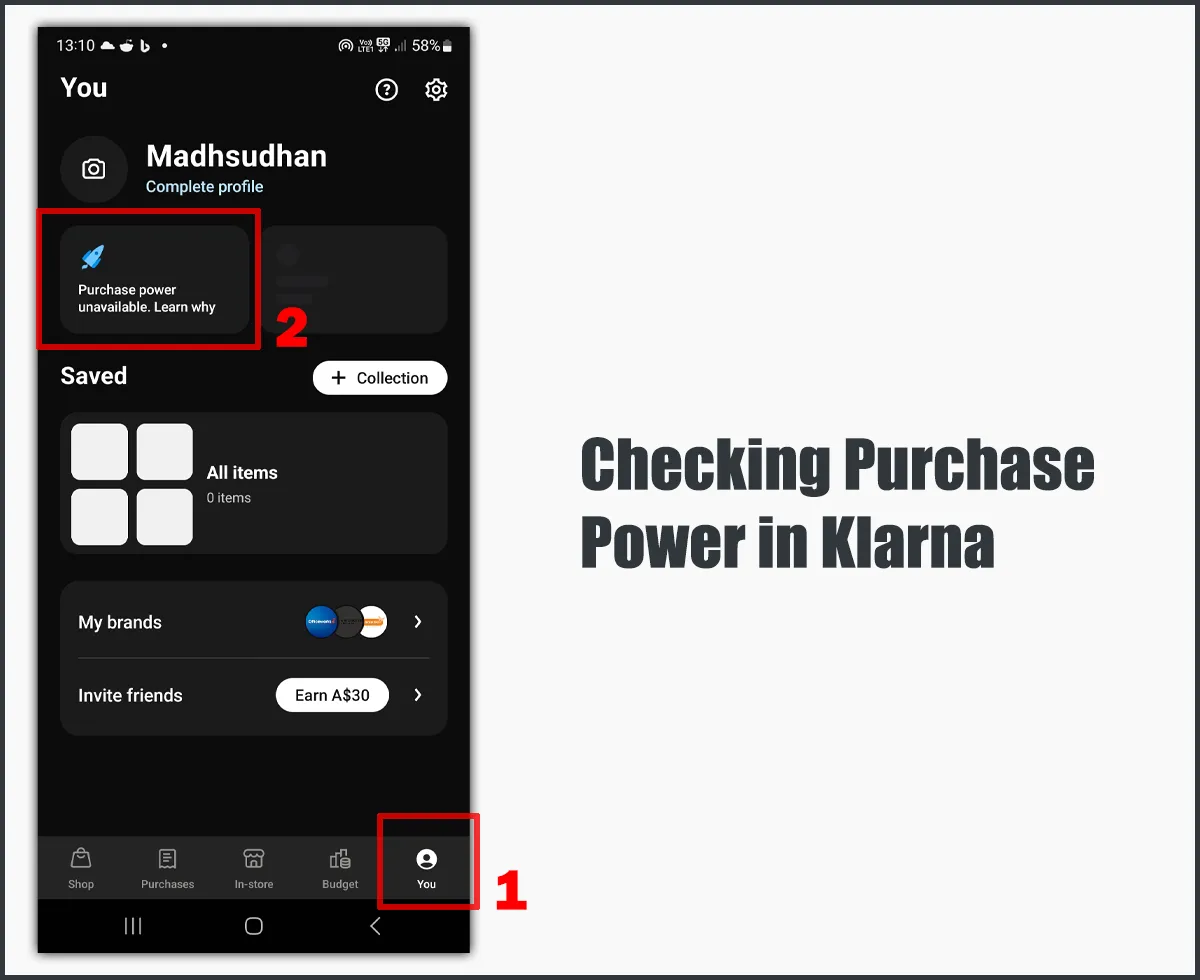
At its core, Klarna purchase power refers to the maximum amount a user is approved to spend using Klarna’s payment options. Unlike a fixed credit limit on a credit card, Klarna’s purchase power is dynamic and transaction-specific, meaning it can vary depending on a multitude of factors, even for the same user. This flexibility is both a feature and a point of complexity that users must understand.
How Klarna Assesses Your Spending Limit
When a user attempts to make a purchase with Klarna, the system performs a real-time assessment to determine if the transaction can be approved and, if so, what the payment terms will be. This assessment is not a one-time approval but rather a continuous process for each new transaction. Klarna employs sophisticated algorithms that analyze various data points to make these instantaneous decisions.
Factors Influencing Your Klarna Purchase Power
Several key factors contribute to the determination of your Klarna purchase power for a specific transaction:
- Payment History with Klarna: This is perhaps the most significant factor. A history of successful, on-time payments with Klarna significantly boosts your purchase power. Conversely, missed or late payments can lead to reduced limits or even rejection of future purchases.
- Creditworthiness (Soft Credit Checks): While Klarna typically performs “soft credit checks” that don’t impact your credit score, these checks provide an indication of your overall financial health and ability to manage debt. Factors like current outstanding debts, payment history with other creditors, and credit utilization can influence Klarna’s assessment.
- Transaction Details: The value of the specific purchase you’re trying to make, the retailer, and even the type of goods being purchased can play a role. Lower-risk purchases from trusted retailers might be approved more readily than very high-value items or purchases from unknown merchants.
- Existing Klarna Balance: If you have multiple active Klarna purchases with outstanding balances, your purchase power for new transactions may be reduced, as Klarna considers your current debt load.
- Time as a Klarna User: Newer users might start with lower purchase power, which can gradually increase as they establish a positive payment history with the service.
Dynamic Limits and Real-time Adjustments
One of the unique aspects of Klarna’s purchase power is its dynamic nature. Your approved spending limit isn’t static; it can change with each shopping attempt. This means you might be approved for a £200 purchase one day and a £500 purchase the next, or vice-versa, depending on your current financial situation, recent Klarna activity, and other real-time data. This dynamic system aims to offer flexibility while simultaneously mitigating risk for both Klarna and the consumer by preventing over-extension. It underscores the importance of not assuming a consistent spending limit and checking your approval status for each desired transaction.
The Financial Upsides and Potential Pitfalls
Klarna’s purchase power offers undeniable advantages for consumers, yet it also presents certain risks that must be carefully managed. A balanced perspective is essential for integrating Klarna effectively into one’s personal finance strategy.
Benefits for Budgeting and Cash Flow Management
For many, Klarna serves as an excellent tool for budgeting. By splitting larger expenses into smaller, interest-free installments, consumers can better manage their monthly cash flow, preventing a single large purchase from straining their immediate funds. This allows for purchasing necessary items or taking advantage of sales without needing to dip into savings or resort to high-interest credit options. It can provide a buffer, particularly for individuals on a fixed income or those experiencing temporary cash flow fluctuations.
Accessibility and Financial Inclusion
Klarna and other BNPL services have opened doors for individuals who might not have access to traditional credit cards due to a lack of credit history or low credit scores. The typically “soft” credit checks make it easier for a broader demographic to finance purchases, promoting financial inclusion. This can be particularly empowering for younger consumers building their credit profiles or new immigrants establishing their financial footing.
Risks of Overspending and Debt Accumulation
Despite the appeal of interest-free payments, the primary risk associated with Klarna purchase power is the potential for overspending. The ease of “paying later” can create a false sense of affordability, leading consumers to make purchases they might otherwise defer or avoid. Accumulating multiple BNPL plans simultaneously across different retailers can quickly lead to an unmanageable debt load, even if individual payments seem small. Failure to make payments on time can result in late fees and, in some cases, reporting to credit bureaus, negatively impacting one’s credit score.
Impact on Credit Scores
The impact of Klarna on credit scores is nuanced. Unlike traditional credit cards, BNPL services often don’t report regular on-time payments to major credit bureaus. However, this is changing, with some BNPL providers beginning to report positive payment histories. Crucially, missed or late payments can definitely be reported to credit bureaus, severely damaging a consumer’s credit score. Furthermore, if Klarna uses a hard credit check for certain financing options, this will appear on your credit report and could temporarily lower your score. It’s vital to understand Klarna’s specific reporting policies and to treat BNPL payments with the same diligence as any other loan.
Maximizing Klarna Responsibly: A Financial Strategy
To truly benefit from Klarna’s purchase power without falling into financial pitfalls, users must adopt a disciplined and strategic approach. Integrating BNPL into a broader financial plan is key.
Establishing Clear Spending Limits
Before making any purchase with Klarna, or any BNPL service, assess your current budget and determine how much you can realistically afford to pay back over the installment period. Do not solely rely on Klarna’s approved purchase power, which is merely what the system thinks you can afford. Your personal budget should always be the ultimate arbiter of your spending. Set a personal monthly limit for all BNPL commitments to prevent over-extension.
Monitoring Your Payments and Due Dates
The “Pay in 4” or “Pay in 30 days” models mean frequent, smaller payment obligations. It’s easy to lose track, especially if you have multiple active plans. Utilize Klarna’s app to monitor all your purchases, upcoming due dates, and payment schedules. Setting calendar reminders or integrating with personal finance apps can prevent missed payments and associated fees or credit score damage.
Utilizing Klarna for Planned Purchases, Not Impulse Buys
Klarna is most financially beneficial when used for planned, necessary purchases that align with your budget. For instance, replacing a broken appliance, buying work essentials, or spreading the cost of holiday gifts, provided you’ve budgeted for them. Using Klarna for impulse purchases, especially those that are non-essential, can quickly lead to buyer’s remorse and financial strain. Differentiate between wants and needs, and apply Klarna strategically.
Integrating Klarna with Your Overall Financial Plan
View Klarna as one tool among many in your financial toolkit. It should complement, not replace, fundamental financial practices such as building an emergency fund, managing savings, and responsibly using traditional credit. Before committing to a Klarna payment plan, consider if you have the cash on hand to cover the full purchase. If you do, consider whether using Klarna makes sense, or if direct payment is more prudent. The goal is to use Klarna to enhance financial flexibility, not to patch over underlying financial instability.
The Broader Financial Implications of BNPL
Klarna’s emergence and the widespread adoption of BNPL services are not just about individual purchasing habits; they signify a broader shift in consumer finance and retail.
Shifting Consumer Debt Paradigms
BNPL services are changing the nature of consumer debt. While traditional credit card debt might accrue significant interest, BNPL often offers interest-free periods. However, this doesn’t mean it’s debt-free. It simply reconfigures how debt is accumulated and managed, moving towards smaller, more frequent obligations rather than a consolidated revolving balance. This shift requires consumers to be more diligent in tracking multiple micro-debts to avoid accumulating unmanageable total liabilities. It also raises questions about whether consumers fully understand their obligations compared to traditional credit.
The Evolution of Retail and E-commerce Finance
For retailers, offering Klarna and similar BNPL options has become a powerful conversion tool. It reduces cart abandonment rates, increases average order values, and attracts new customer segments who prefer flexible payment terms. This has forced traditional financial institutions to re-evaluate their offerings and compete with the agile, customer-centric approach of fintech companies. The lines between banking, retail, and payment processing are increasingly blurring, driven by consumer demand for convenience and flexibility.

Regulatory Scrutiny and Future Outlook
Given the rapid growth and widespread adoption of BNPL, regulatory bodies globally are increasing their scrutiny. Concerns center around consumer protection, responsible lending, debt accumulation, and the potential impact on credit reporting. As these services become more ingrained in the financial ecosystem, it’s likely that regulations will evolve to ensure transparency, fairness, and consumer education. The future of Klarna’s purchase power and the BNPL sector will undoubtedly be shaped by these evolving regulatory frameworks, aiming to strike a balance between innovation and consumer safeguarding.
In conclusion, Klarna purchase power is a dynamic financial tool that offers significant flexibility and convenience in managing purchases. When used wisely and integrated into a robust personal financial strategy, it can be a powerful asset for budgeting and cash flow management. However, like any financial instrument, it demands careful consideration, disciplined payment habits, and an awareness of its potential pitfalls. Understanding the nuances of Klarna’s assessment, recognizing the risks of overspending, and proactively managing your obligations are all critical steps to harnessing Klarna’s capabilities for a healthier financial future.
aViewFromTheCave is a participant in the Amazon Services LLC Associates Program, an affiliate advertising program designed to provide a means for sites to earn advertising fees by advertising and linking to Amazon.com. Amazon, the Amazon logo, AmazonSupply, and the AmazonSupply logo are trademarks of Amazon.com, Inc. or its affiliates. As an Amazon Associate we earn affiliate commissions from qualifying purchases.