
Understanding your car’s trade-in value is a critical step in managing your personal finances, especially when considering a new vehicle purchase. Far from being a simple estimate, this figure represents a complex interplay of market dynamics, your vehicle’s condition, and strategic financial planning. Accurately assessing this value allows you to negotiate effectively, optimize your next vehicle investment, and ensure you’re making the most financially sound decision. This guide delves into the multifaceted aspects of determining and maximizing your car’s trade-in worth, helping you navigate this often-daunting process with confidence.
The Core Determinants of Your Car’s Financial Worth
The value a dealership places on your car for trade-in is not arbitrary; it’s a calculated figure influenced by several key factors that directly impact its resale potential and the dealership’s profit margin.
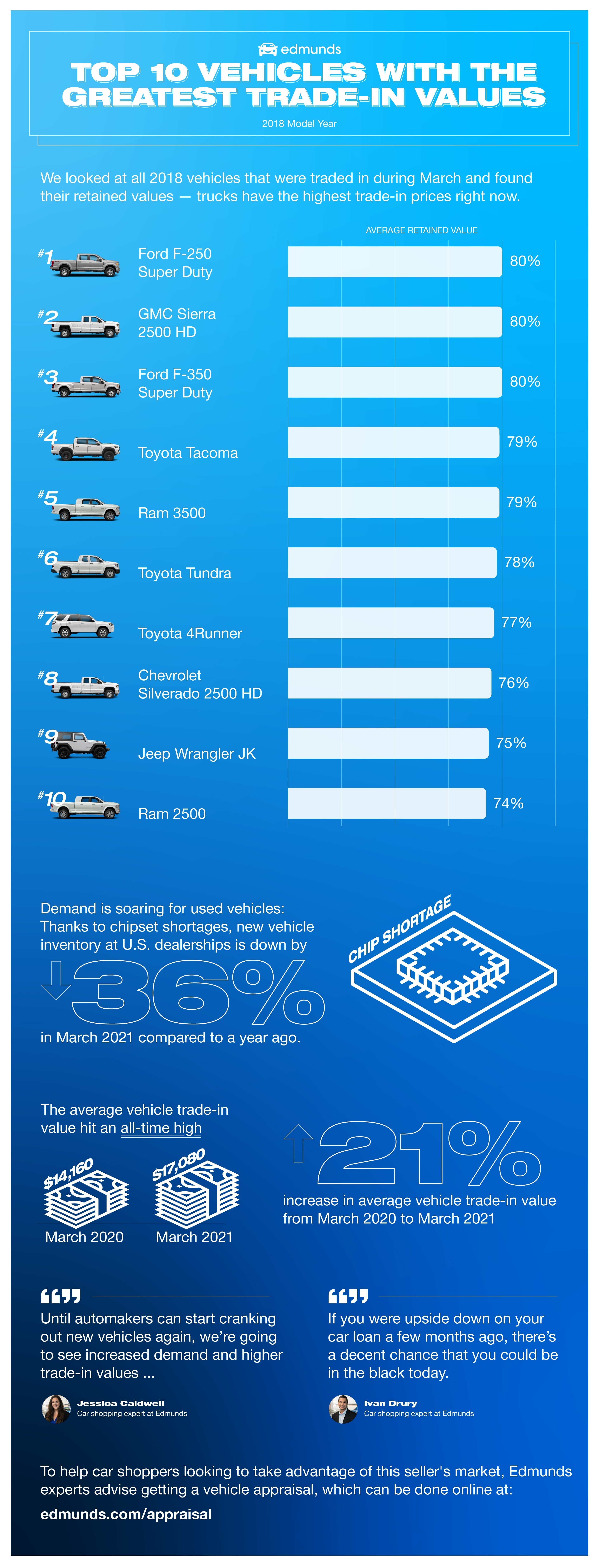
Make, Model, and Year
The fundamental identity of your vehicle plays the most significant role. Certain makes and models inherently depreciate faster than others. Luxury vehicles, for instance, often see steeper initial depreciation than their economy counterparts. Conversely, reliable, fuel-efficient models from popular brands tend to hold their value better. The year of manufacture is crucial because it directly correlates with the vehicle’s age and its position on the depreciation curve. While a new car loses a significant portion of its value in the first year, depreciation typically slows down over subsequent years until around the five-year mark, after which it tends to accelerate again. Researching your specific make and model’s historical depreciation trends can provide valuable insights into its current market position.
Mileage
Mileage is arguably the most straightforward indicator of a vehicle’s wear and tear, and thus, a major determinant of its value. While there’s no magic number, higher mileage generally translates to lower trade-in value. Dealerships often use benchmarks like 12,000-15,000 miles per year as an average. If your car significantly exceeds this, its value will likely be lower. Conversely, exceptionally low mileage for its age can command a premium, assuming the vehicle has been regularly maintained. High mileage suggests components are closer to the end of their service life, necessitating more reconditioning costs for the dealer, which is then reflected in a lower offer to you.
Condition (Interior and Exterior)
Beyond age and mileage, the physical and mechanical condition of your vehicle profoundly impacts its trade-in worth. This encompasses everything from cosmetic details to critical operational systems.
- Exterior: Dents, scratches, rust, paint chips, and the condition of tires (tread depth and age) all contribute to the visual appeal and perceived value. Flaws here often require costly repairs or detailing for the dealership.
- Interior: Stains, rips, excessive wear on upholstery, dashboard damage, and the functionality of infotainment systems, air conditioning, and power windows are all scrutinized. A clean, well-maintained interior signals responsible ownership.
- Mechanical: Any known mechanical issues, warning lights on the dashboard, strange noises, or poor performance will significantly devalue your car. Dealerships will factor in the cost of necessary repairs to bring the vehicle to a resellable standard. Even minor issues, if left unaddressed, can create the impression of a poorly maintained vehicle, leading to a lower appraisal.
Optional Features and Trim Level
Premium trim levels and desirable optional features can add significant value to your trade-in. Features like advanced safety systems (adaptive cruise control, blind-spot monitoring), navigation, heated seats, panoramic sunroofs, premium sound systems, and larger alloy wheels can make your car more attractive to potential buyers. However, not all features add equal value, and some can become obsolete or less desirable over time. Dealerships assess demand for these features in the used car market to determine their impact on your trade-in offer.
Market Demand and Location
The desirability of your specific car model in the current local market also plays a pivotal role. If a particular model is in high demand, or if local dealerships have low inventory, they might offer more for your trade-in. Conversely, if the market is saturated with similar vehicles, or if your car is a niche model with limited appeal, offers might be lower. Economic factors, fuel prices, and regional preferences (e.g., SUVs in snowy climates, convertibles in sunny ones) all influence market demand. Dealerships are businesses; they want to acquire vehicles they can quickly turn over for a profit in their specific geographic market.
Leveraging Digital Tools and Research for Accurate Estimates
Before you ever step foot into a dealership, arming yourself with comprehensive research is crucial. Digital tools and local market analysis can provide a realistic range for your car’s trade-in value, empowering you during negotiations.
Online Valuation Tools
Several reputable online platforms offer estimated vehicle values based on vast databases of sales data and market trends. These tools are indispensable for getting a preliminary idea of your car’s worth:
- Kelley Blue Book (KBB): KBB is widely recognized and offers various values (trade-in, private party, retail) based on your car’s condition, mileage, and features.
- Edmunds: Edmunds provides its own appraisal tool, often breaking down values by trim level and optional features, giving you detailed insights.
- NADAguides: Historically used by financial institutions, NADAguides offers values that can sometimes be higher than KBB or Edmunds, representing a “clean trade-in” or retail value.
- CarGurus: This platform focuses on listing cars for sale and provides an “Instant Market Value” that compares your car to similar listings in your area.
When using these tools, be scrupulously honest about your car’s condition, mileage, and features. Inputting accurate data is paramount to receiving a realistic estimate. Remember that each tool uses its own proprietary algorithm and data sets, so comparing estimates from two or three different platforms will give you a more balanced and robust valuation range. These are estimates, not guarantees, but they set a strong baseline.
Local Market Analysis
While online tools provide national averages, your car’s value is ultimately determined by local supply and demand. Supplement online estimates with a manual search of local listings:
- Online Classifieds: Websites like AutoTrader, Craigslist, Facebook Marketplace, and local dealer websites allow you to search for vehicles identical or very similar to yours that are currently for sale in your area. Look for models with similar mileage, age, and condition. Pay attention to both asking prices and how long vehicles stay listed.
- Dealership Inventory: Check the used car inventory of dealerships in your region. This gives you an idea of what similar vehicles are retailing for, providing context for what a dealer might be willing to pay for your trade-in.
This local market analysis provides real-world data points, often reflecting what buyers are actually paying, rather than just theoretical valuations. It helps you understand if your vehicle is a hot commodity or if it might sit on a lot for a while.
Dealership Appraisals
The most concrete way to get an actual offer for your trade-in is to visit multiple dealerships.
- Multiple Offers: Don’t settle for the first offer. Visit at least three different dealerships, ideally those that sell brands similar to your trade-in, or potentially the brand you are looking to buy. Each dealer will have different inventory needs and pricing strategies.
- Separate Negotiations: When getting an appraisal, emphasize that you are only seeking a trade-in offer at this stage, not necessarily buying a new car immediately. This helps prevent them from conflating the trade-in offer with the new car purchase price, which can muddy the waters.
- Physical Inspection: A true appraisal involves a physical inspection of your car by a dealership’s used car manager. They’ll check for dents, dings, tire wear, interior condition, and often take it for a short test drive to assess mechanical health. Be prepared for a thorough examination.
These dealership appraisals give you firm, actionable figures to work with, acting as the foundation for your negotiation strategy.
Strategic Approaches to Maximizing Your Trade-In Offer

Once you understand your car’s value, the next step is to strategize how to present it in the best light and negotiate for the most favorable financial outcome.
Pre-Sale Preparation and Minor Repairs
Invest some time and a reasonable amount of money to prepare your car. This isn’t about overhauling it but about making smart, cost-effective improvements that enhance perceived value.
- Detail Cleaning: A professionally detailed car (or a thorough cleaning yourself) makes a significant difference. A clean interior and sparkling exterior create an immediate positive impression and suggest careful ownership. Remove all personal belongings.
- Addressing Minor Flaws: Fix small dents, scratches, or paint chips that are inexpensive to repair. Replace worn floor mats or wiper blades. Ensure all lights and signals are working.
- Tires and Fluids: Check tire pressure and tread depth. Top off all fluids (oil, coolant, washer fluid). Make sure the engine bay is clean.
- Consider ROI: Don’t spend hundreds or thousands on major repairs unless the cost of the repair is significantly less than the value it will add. Dealerships can often do repairs cheaper than you can. Focus on inexpensive fixes that improve aesthetics and basic functionality.
Comprehensive Maintenance Records
A meticulously organized record of all maintenance, repairs, and service appointments is invaluable. This demonstrates to the dealership that you have taken excellent care of the vehicle.
- Organized Documentation: Gather all receipts, service logs, and inspection reports in a clear, presentable folder.
- Proof of Care: A full service history mitigates risk for the dealership, as it indicates a lower likelihood of hidden mechanical issues. This transparency builds trust and can directly translate into a higher trade-in offer. It assures them they won’t have to spend as much to get it retail-ready.
Negotiation Tactics
The negotiation phase is where your research and preparation pay off. Approach it with confidence and clarity.
- Separate Negotiations: Always negotiate the price of the new car first. Once you’ve agreed on a purchase price for the new vehicle, then introduce your trade-in. Combining these negotiations allows dealers to “play with the numbers,” potentially giving you a seemingly good deal on one while shortchanging you on the other.
- Know Your Value Range: Armed with your online estimates and multiple dealership appraisals, you should have a solid idea of your car’s realistic trade-in value range. Don’t reveal your lowest acceptable figure immediately.
- Be Prepared to Walk Away: If the offer is too low, be prepared to walk away or explore selling privately. Your willingness to do so is your most powerful negotiating tool.
- Highlight Positives: Point out any recent upgrades, new tires, or significant maintenance performed (backed by your records).
- Consider Sales Tax Benefits: In many states, trading in a vehicle reduces the taxable amount of your new car purchase. This can effectively increase the net financial benefit of your trade-in. Factor this into your overall financial calculation.
Timing Your Trade
The timing of your trade can also influence the offer.
- End of Month/Quarter: Dealerships often have sales targets to meet by month-end or quarter-end. This can make them more aggressive in making deals, including trade-in offers.
- New Model Year Releases: When new model years are released, the value of older models (even current year models) can dip. If you’re trading in an older model, consider doing so before its replacement hits the market.
- Used Car Market Trends: Keep an eye on the broader used car market. Periods of high demand for used cars can result in better trade-in offers.
Understanding the Dealer’s Perspective: Why Trade-In Value Differs
It’s crucial to understand why a dealership’s trade-in offer is almost always lower than what you might get selling privately. They operate a business with inherent costs and risks.
The Dealer’s Business Model
A dealership acquires your car with the intention of reselling it for a profit. This means the trade-in offer must be low enough to cover their costs and provide a reasonable margin. They aren’t buying your car for its intrinsic value to you; they’re buying it as inventory.
Associated Costs
When a dealership takes your car as a trade-in, they incur several expenses before it can be sold on their lot:
- Reconditioning: This includes cleaning, detailing, any necessary mechanical repairs, tire replacement, brake service, and state inspections. These costs can range from a few hundred to several thousand dollars.
- Holding Costs: While your car sits on their lot, the dealership incurs interest on the capital tied up in that inventory. The longer it sits, the more it costs them.
- Sales and Marketing: They will spend money advertising the vehicle, paying sales commissions, and covering administrative costs associated with the sale.
- Warranty/Certification: If they offer a dealership warranty or certify the used vehicle, there are additional costs involved.
All these costs are deducted from the potential retail sale price of your vehicle, resulting in a lower trade-in offer.
Risk Assessment
A dealership takes on the risk that your car might not sell quickly or for the anticipated price. The used car market is dynamic, and demand can shift. They also bear the risk of uncovering unforeseen mechanical issues after purchase that require expensive repairs. This inherent risk is factored into the initial trade-in offer. They aim to buy low to mitigate these potential losses.
Sales Tax Benefits (in some states)
While the cash offer for your trade-in might be lower than a private sale, a significant financial benefit in many states is the reduction in sales tax on your new car purchase. For example, if you buy a $40,000 new car and trade in your old car for $10,000, you would only pay sales tax on the $30,000 difference (in states that allow this). If your state has a 7% sales tax, this translates to a $700 saving ($10,000 * 0.07). This “tax equity” effectively increases the net value of your trade-in and can make the trade-in option financially competitive with a private sale, especially on higher-priced new vehicles. Always calculate this potential saving into your total financial equation.
Trade-In vs. Private Sale: A Financial Comparison
The decision to trade in your car or sell it privately boils down to a balance between convenience, time investment, and potential profit.
Convenience vs. Profit
- Private Sale: Generally, selling your car privately will yield a higher price than a trade-in offer from a dealership. You bypass the dealer’s profit margin and associated costs. However, it requires significantly more effort, time, and potential hassle.
- Trade-In: Trading in is undeniably more convenient. It’s a one-stop transaction where you drop off your old car and drive away in your new one. There’s no advertising, no dealing with potential buyers, and no paperwork besides the new car sale. The trade-off is often a lower financial return.
Time and Effort Investment
- Private Sale: This route demands considerable time and effort: cleaning and detailing the car, taking quality photos, writing an engaging advertisement, posting it on various platforms, fielding inquiries (some serious, some not), arranging test drives with strangers, negotiating prices, handling paperwork (title transfer, bill of sale), and ensuring secure payment. This process can take weeks or even months.
- Trade-In: This is typically a matter of a few hours during your new car purchase. The dealership handles all the paperwork for your old vehicle.
Tax Implications
As discussed, the sales tax benefit of a trade-in (where applicable) can significantly narrow the gap between the gross trade-in offer and the net profit from a private sale. Before deciding, calculate the actual dollar savings from reduced sales tax if you trade in. Sometimes, this saving can make the trade-in financially comparable or even superior to a private sale, especially if the private sale takes significant time and effort that you value highly.

Weighing Your Personal Situation
Consider your personal comfort level and financial priorities:
- How quickly do you need to sell your current car? If time is of the essence, a trade-in is usually faster.
- How comfortable are you with the private selling process, including negotiating and meeting strangers?
- What is the actual financial difference after accounting for potential sales tax benefits and the value of your time? For example, if a private sale nets you an extra $1,000 but takes 20 hours of your time, is that $50/hour worth it to you?
Ultimately, accurately determining your car’s trade-in value is an exercise in financial diligence. By understanding the factors at play, leveraging available resources, and employing smart negotiation strategies, you can significantly influence the financial outcome, ensuring your next vehicle transaction is as economically advantageous as possible.
aViewFromTheCave is a participant in the Amazon Services LLC Associates Program, an affiliate advertising program designed to provide a means for sites to earn advertising fees by advertising and linking to Amazon.com. Amazon, the Amazon logo, AmazonSupply, and the AmazonSupply logo are trademarks of Amazon.com, Inc. or its affiliates. As an Amazon Associate we earn affiliate commissions from qualifying purchases.