
Understanding the true market value of your travel trailer is a critical financial exercise, whether you’re contemplating an upgrade, facing an insurance claim, or simply curious about the worth of a significant asset. Unlike traditional vehicles, travel trailers have unique depreciation curves and market dynamics influenced by a blend of structural, cosmetic, and functional factors. Accurately assessing its value can mean the difference between a fair return and leaving money on the table, impacting your personal finance strategy significantly.
Key Factors Driving Travel Trailer Valuation
The worth of your travel trailer is not static; it’s a fluid figure shaped by an array of characteristics that prospective buyers and financial institutions scrutinize. A thorough understanding of these elements is the foundation for any valuation process.
Age and Depreciation Dynamics
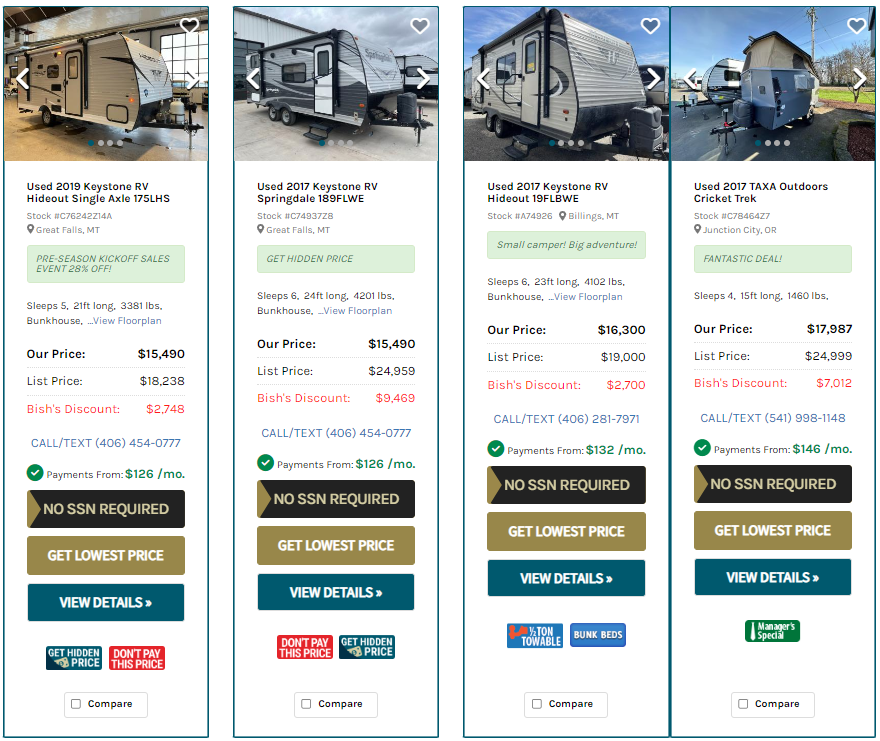
Like most depreciating assets, travel trailers lose a significant portion of their value rapidly in the initial years. A new trailer can shed 15-20% of its value in the first year alone. However, this depreciation tends to slow down considerably after the first 3-5 years. Older, well-maintained trailers can hold their value surprisingly well, especially if they are from a reputable brand or feature desirable, timeless layouts. The age affects not only the structural integrity and finishes but also the expected lifespan of major appliances and systems. A trailer that is 7-10 years old might offer the sweet spot for buyers seeking value, as the initial depreciation has largely occurred, but many years of useful life remain.
Make, Model, and Brand Reputation
The manufacturer and specific model play a pivotal role in valuation. Premium brands, known for their superior build quality, durable materials, and innovative designs, typically command higher resale values. Brands with a strong reputation for reliability, customer service, and readily available parts will often maintain their worth better than lesser-known or budget-oriented brands. The popularity of a specific model – for example, a bunkhouse layout ideal for families or a lightweight model suitable for smaller tow vehicles – can also significantly influence its demand and, consequently, its market price.
Condition: Interior, Exterior, and Mechanical
The overall condition is arguably the most impactful factor. This encompasses:
- Exterior Condition: The integrity of the roof, walls, and seals is paramount. Water damage, delamination (separation of exterior layers), or significant dents and scratches will drastically reduce value, often signaling costly repairs. Tire age and wear, as well as the condition of the awning, slide-outs, and exterior graphics, also contribute.
- Interior Condition: This includes the cleanliness, absence of odors (especially smoke or mildew), condition of upholstery, flooring, cabinets, and countertops. Functioning appliances (refrigerator, stove, AC, furnace, water heater), plumbing, and electrical systems are non-negotiable for a good valuation. Any signs of leaks, mold, or structural damage inside will be a major red flag for buyers and appraisers alike.
- Mechanical and Structural Integrity: Frame condition, axle health, brake functionality, and overall chassis integrity are often unseen but critical. Any issues here can lead to expensive fixes and significantly devalue the trailer.
Features, Upgrades, and Floor Plan
Certain features and upgrades enhance a trailer’s desirability and financial worth. Popular amenities such as solar power systems, upgraded battery banks, larger holding tanks, central vacuum systems, or premium entertainment setups can add tangible value. Similarly, a highly sought-after floor plan, perhaps one with a dedicated office space, an outdoor kitchen, or a versatile sleeping arrangement, will attract more buyers and potentially higher offers. Conversely, highly personalized or niche modifications might not appeal to a broad market and may not recoup their investment.
Practical Methods for Estimating Your Trailer’s Worth
Once you understand the factors influencing value, the next step is to apply practical methods to arrive at a credible financial figure. Relying on a single source or gut feeling can lead to inaccuracies; a multi-pronged approach is always recommended.
Online Valuation Tools and Databases
Several online resources offer valuation estimates, providing a crucial starting point for your financial assessment.
- NADAguides: Often considered the industry standard, NADAguides provides pricing for various RV types, including travel trailers. It offers different values (low retail, average retail, high retail) based on condition and includes options for adding or subtracting value for specific features and upgrades. Lenders frequently use NADA values for financing purposes.
- RVUSA and RV Trader: These popular online marketplaces allow you to search for trailers similar to yours based on make, model, year, and location. While these primarily show asking prices, they offer a good snapshot of current market sentiment. Look for trailers that have been listed for a while to gauge the high end, and pay attention to recently sold listings if available, as these reflect actual transaction prices.
- Facebook Marketplace and Specialized RV Forums: These platforms are excellent for identifying local market trends and comparing private party sales. Engage with communities to understand what features are currently in demand and what price points are achieving sales.
It’s vital to use several of these resources and average their findings, adjusting for your trailer’s specific condition and any unique features that might not be fully captured by generic tools.
Professional Appraisals
For higher-value trailers, complex situations, or when facing insurance claims, a professional RV appraisal can be a sound investment. Certified appraisers conduct a comprehensive inspection, considering all aspects of the trailer’s condition, features, and market context. They provide an objective, detailed report that is often accepted by insurance companies, financial institutions, and legal entities. While there’s a cost associated with an appraisal, the accuracy and credibility it provides can be invaluable, potentially securing a better settlement or a more confident sales price, directly impacting your financial outcome.
Comparing Recent Sales and Listings
The most reliable indicator of your trailer’s worth is what similar units have recently sold for in your local market. While online listings show asking prices, they don’t always reflect the final transaction.
- Focus on “Sold” Data: If possible, look for data on recently completed sales, either through dealer records (though these are proprietary) or by tracking listings that disappear.
- Local Market Dynamics: Geographic location can significantly influence value. A trailer popular in a warm-weather state might command a different price than the same model in a colder climate where demand is seasonal.
- Condition Matching: When comparing, be meticulous about matching your trailer’s year, make, model, and crucially, its condition and feature set. A pristine unit will obviously fetch more than one needing significant repairs, even if they are the same model year.
Maximizing Your Travel Trailer’s Resale Value
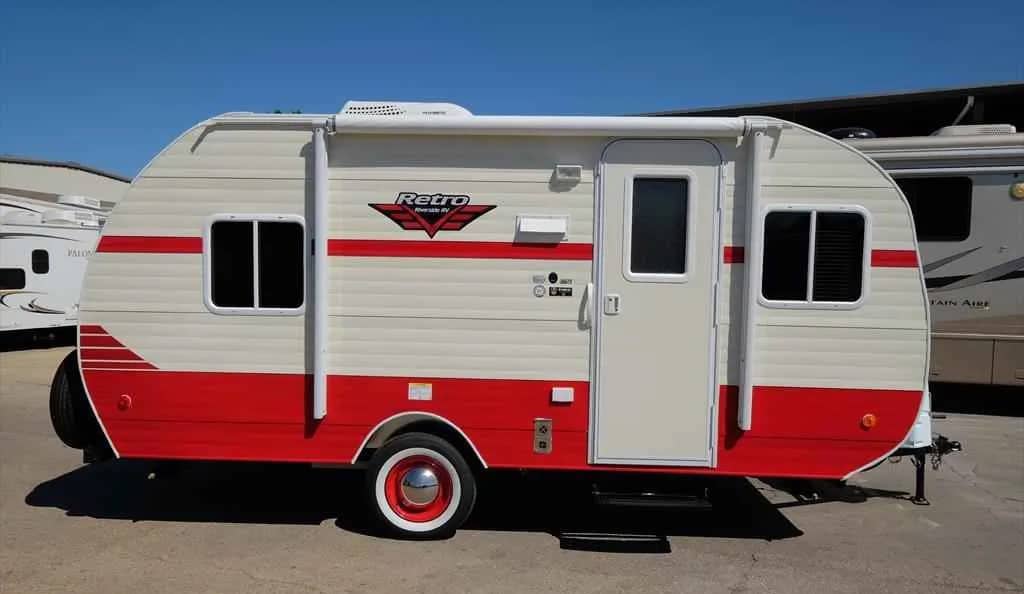
Optimizing your trailer’s financial worth isn’t just about understanding its current value; it’s about strategically enhancing it. A modest investment of time and resources can significantly boost your return when it’s time to sell.
Proactive Maintenance and Comprehensive Records
Consistent, proactive maintenance is perhaps the single most important factor in preserving and enhancing your trailer’s value. Regular inspections of the roof and seals, proper winterization, timely servicing of appliances, and meticulous tire care prevent minor issues from escalating into expensive problems. Critically, maintain a detailed service history. Keep receipts for all repairs, maintenance, and upgrades. A prospective buyer or appraiser will view a well-documented history as evidence of responsible ownership, translating directly into higher confidence and a willingness to pay a premium. This financial transparency demonstrates the trailer’s reliability and reduces perceived future risks for the buyer.
Addressing Repairs and Cosmetic Fixes
Before listing your trailer for sale, evaluate necessary repairs and cosmetic improvements. Not all repairs offer the same return on investment.
- Essential Repairs: Prioritize fixing any major functional issues, such as non-working appliances, leaky plumbing, or faulty electrical systems. These are non-starters for most buyers and will drastically depress your asking price. Even if the cost of repair is substantial, not addressing them will likely result in an even greater reduction in sale price.
- High-ROI Cosmetic Fixes: Small, inexpensive cosmetic improvements can have a disproportionately positive impact on perceived value. A thorough deep clean, inside and out, removing all personal items, can make a huge difference. Replace worn out caulk, touch up minor paint chips, polish dull surfaces, and ensure all lights are working. Clean or replace dirty filters. These small details convey an image of a well-cared-for asset and can justify a higher asking price. Eliminate any odors, as they are significant deterrents.
Upgrades with High Return on Investment (ROI)
While major renovations rarely recoup their full cost, certain upgrades can enhance appeal and boost your trailer’s value.
- Solar Power: Especially for boondocking enthusiasts, a well-installed solar power system can be a strong selling point.
- LED Lighting: An inexpensive upgrade that modernizes the interior, reduces power consumption, and improves ambiance.
- Mattress Upgrades: A comfortable, clean mattress can significantly improve a buyer’s perception of comfort and care.
- Minor Aesthetic Improvements: Updating cabinet hardware, replacing worn window treatments, or installing a modern backsplash can refresh the interior without breaking the bank. Focus on universal appeal rather than highly personalized tastes.
Navigating the Market: When and How to Sell for the Best Price
Successfully selling your travel trailer for its maximum value involves more than just setting a price; it requires strategic timing, effective marketing, and a clear understanding of your selling options.
Timing Your Sale
Seasonality plays a significant role in the RV market. Generally, the optimal time to sell a travel trailer is in late winter or early spring (February to May). During these months, buyers are anticipating the upcoming camping season and demand is at its peak. This heightened demand often translates to quicker sales and higher prices. Conversely, selling in late fall or winter (October to January) often sees lower demand and a buyer’s market, potentially requiring you to lower your asking price or wait longer for a sale. Regional climate can also influence this; trailers in warmer states might have a less pronounced seasonal swing.
Pricing Strategies
Setting the right price is crucial. Overpricing will lead to your trailer sitting on the market, while underpricing means you’re losing money.
- Initial Asking Price: Start by setting an initial asking price slightly above your target sale price, leaving room for negotiation. Use the valuation methods discussed earlier to establish a realistic range.
- Psychological Pricing: Prices ending in .99 or .95 often appear more appealing to buyers.
- Justify Your Price: Be prepared to back up your asking price with documentation – service records, receipts for upgrades, and comparable sales data. Transparency builds trust and confidence in your valuation.
- Flexibility: Be ready to negotiate. While you want to maximize your profit, a reasonable compromise can lead to a quicker sale and prevent the asset from depreciating further while it’s on the market.
Selling Platforms and Channels
You have several avenues for selling your travel trailer, each with its own financial implications:
-
Private Sale (Direct to Consumer):
- Pros: This typically yields the highest net profit because you avoid dealership commissions and fees. You have complete control over the pricing, marketing, and negotiation process.
- Cons: It requires the most effort, including creating compelling listings, taking high-quality photos, handling inquiries, scheduling viewings, and managing the sales paperwork. You are also responsible for all aspects of the transaction.
- Platforms: Online marketplaces like RV Trader, RVUSA, Facebook Marketplace, Craigslist, and specific RV forums are excellent for reaching a wide audience.
-
Consignment through a Dealership:
- Pros: The dealership handles all the marketing, showings, negotiations, and paperwork. They often have a broader reach and more established sales processes.
- Cons: They charge a commission (often 10-15% of the sale price), which significantly reduces your net profit. You also have less control over the pricing and sales timeline. Ensure the consignment agreement clearly outlines fees, insurance responsibilities, and the minimum acceptable sale price.
-
Trade-in to a Dealership:
- Pros: This is the most convenient and quickest option. It allows for an immediate exchange, eliminating the hassle of selling privately. In some states, trading in can also reduce the sales tax on your new purchase, offering a unique financial advantage.
- Cons: You will almost always receive the lowest offer for your trailer compared to a private sale or consignment. Dealers need to buy low to cover their overheads, reconditioning costs, and profit margin.
Financial Documentation and Transparency
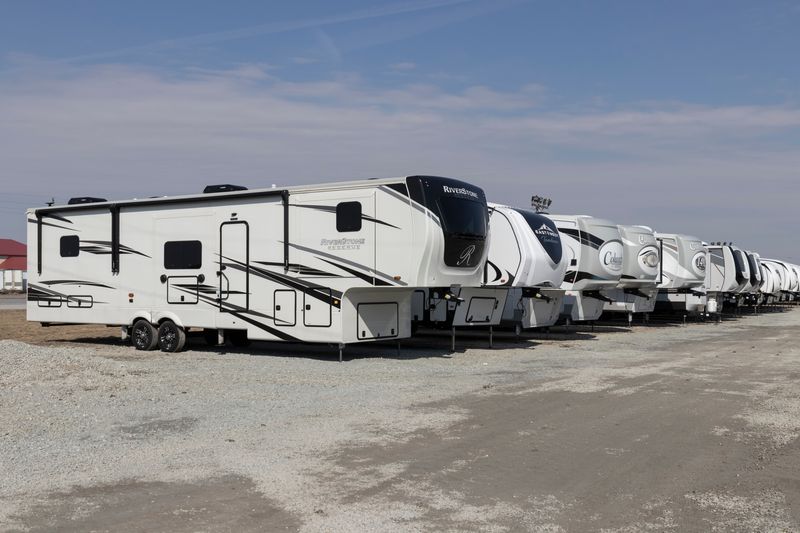
Having all necessary financial and ownership documentation organized and readily available is critical for a smooth transaction. This includes:
- The Title/Certificate of Origin: Essential for transferring ownership.
- Loan Payoff Information: If you still owe money on the trailer.
- Service Records and Maintenance History: As discussed, these add significant value.
- Original Manuals and Appliance Guides: Demonstrates thorough care.
- Warranty Information: If any transferable warranties are still active.
Being transparent about your trailer’s history, condition, and financial obligations builds trust with potential buyers, which can expedite the sale and secure a better price. Understanding your travel trailer’s worth and employing these strategies are key financial decisions that can significantly impact your bottom line.
aViewFromTheCave is a participant in the Amazon Services LLC Associates Program, an affiliate advertising program designed to provide a means for sites to earn advertising fees by advertising and linking to Amazon.com. Amazon, the Amazon logo, AmazonSupply, and the AmazonSupply logo are trademarks of Amazon.com, Inc. or its affiliates. As an Amazon Associate we earn affiliate commissions from qualifying purchases.