
The prospect of purchasing a used car can be both exciting and daunting. While the allure of a good deal is strong, many buyers find themselves wondering just how much wiggle room truly exists in the sticker price. The answer, unfortunately, isn’t a simple percentage; it’s a dynamic interplay of market conditions, vehicle specifics, seller motivations, and, crucially, your own negotiation prowess. Understanding the factors that influence a used car’s price and equipping yourself with the right strategies can significantly impact the final cost, potentially saving you hundreds, if not thousands, of dollars.

Negotiating a used car purchase is not merely about haggling; it’s a strategic financial exercise rooted in research, patience, and a clear understanding of value. It’s about ensuring you’re not just getting a car, but getting the right car at the right price, aligning with your personal finance goals. This guide will delve into the intricacies of used car negotiation, empowering you with the knowledge to approach your next purchase with confidence and achieve a financially savvy outcome.
Understanding the Used Car Market Dynamics
Before you even step onto a lot or contact a private seller, it’s essential to grasp the forces that shape used car prices. These dynamics create the environment in which negotiation takes place, dictating how much leverage you might have as a buyer.
Supply and Demand Fluctuations
Like any commodity, the price of used cars is heavily influenced by supply and demand. Periods of high demand (e.g., after tax refunds, during economic upswings) with limited supply can lead to higher prices and less negotiation room. Conversely, a surplus of similar vehicles in the market, or a general slowdown in sales, can empower buyers with more leverage. Keep an eye on automotive industry news and local market trends; a simple search for “used car market conditions [your city/region]” can provide valuable insights. For instance, if new car production is limited, demand for used cars often increases, tightening negotiation margins.
Vehicle Depreciation and Age
Cars are depreciating assets, losing value from the moment they are driven off the lot. The steepest depreciation typically occurs within the first few years. Older cars, while less expensive, also tend to have slower depreciation rates. Understanding a specific car’s depreciation curve can help you gauge its true market value. A car that has already experienced its significant value drop might offer less dramatic negotiation room percentage-wise, but still presents opportunities for savings. Conversely, a relatively new used car (1-3 years old) might have more flexibility in its pricing if the dealer is keen to move it before it depreciates further on their lot.
Seller Motivation: Dealership vs. Private Seller
The “why” behind the sale significantly impacts negotiation potential.
- Dealerships: Often have overheads (staff, lot maintenance, advertising) and profit margins built into their pricing. Their motivation is to maximize profit while moving inventory. They might be more willing to negotiate if a car has been on their lot for an extended period, if they need to meet sales quotas, or if they have internal targets for particular models. They also often have more flexibility with add-ons and financing.
- Private Sellers: Typically sell for personal reasons (upgrading, downsizing, needing cash). Their asking price is often what they hope to get, but they may be more emotionally attached to the car or simply unaware of its true market value. Negotiation here can be more direct and personal, often based on the seller’s urgency or willingness to be rid of the vehicle.
Geographic and Seasonal Influences
Where and when you buy can also play a role. Certain regions might have higher or lower demand for specific vehicle types (e.g., SUVs in snowy climates, convertibles in sunny states). Seasonally, demand often peaks in spring and summer, tapering off towards the end of the year. Buying in colder months or towards the end of a sales quarter (for dealerships) can sometimes offer better negotiation opportunities as sellers look to clear inventory. Local sales tax rates, registration fees, and insurance costs also vary by location and should be factored into your overall financial planning.
Research is Your Most Powerful Negotiation Tool
In the world of used car buying, knowledge truly is power. Walking into a negotiation armed with comprehensive research is the single most effective way to secure a favorable deal. It shifts the dynamic from guessing to informed decision-making, ensuring you speak from a position of authority.
Valuing the Vehicle (KBB, Edmunds, NADAguides)
Before you even look at a car, know its fair market value. Websites like Kelley Blue Book (KBB.com), Edmunds.com, and NADAguides.com are invaluable resources. They provide estimated private party sale prices, trade-in values, and dealer retail prices based on make, model, year, mileage, condition, and features. Use multiple sources and average them to get a realistic price range. This gives you a clear baseline for what you should pay, not just what the seller wants you to pay. For example, if a dealer is asking $18,000 for a car that KBB suggests is worth $16,500-$17,500 in excellent condition, you immediately know you have negotiation room.
Checking Vehicle History Reports (CarFax, AutoCheck)
A vehicle’s past can significantly impact its present value and future reliability. Services like CarFax and AutoCheck provide detailed history reports that can reveal crucial information such as:
- Accident history (minor fender bender vs. major collision)
- Previous owners and service records
- Mileage discrepancies (“rolled back” odometers)
- Flood damage or salvage titles
- Recalls
- Lien information
A clean report is valuable, but any red flags can be powerful negotiation points, allowing you to argue for a lower price to offset potential future repair costs or diminished resale value. This is a critical financial safeguarding step.
Comparative Shopping and Market Analysis
Don’t just look at one car; compare similar vehicles for sale in your area. Check online marketplaces, other dealership inventories, and private seller listings. If you find a similar car with lower mileage and a comparable price elsewhere, or the same car for less, this information is gold. You can present these comparable listings to the seller to justify your offer, demonstrating that you’ve done your homework and understand the current market value. This comparative data underpins your financial argument for a better deal.
Understanding Your Financing Options
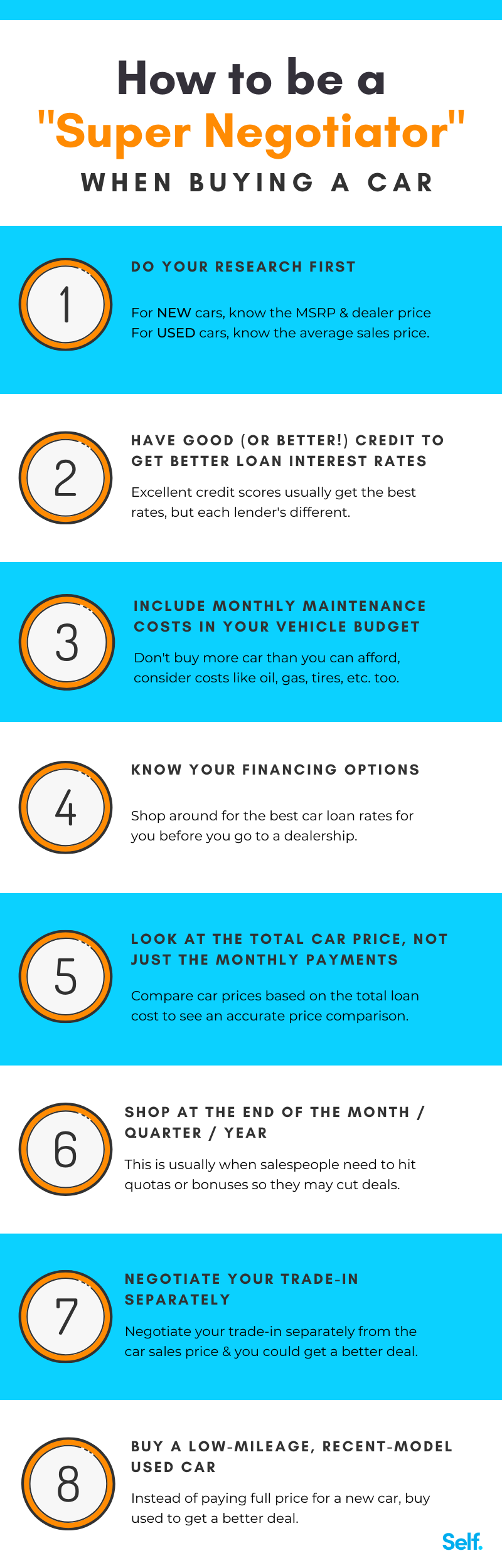
Separate your financing from the car purchase. Secure pre-approved financing from your bank or credit union before you start negotiating. This not only gives you a clear budget but also provides leverage. You can walk into the dealership knowing your interest rate and monthly payment, which allows you to focus solely on the car’s price. If the dealership offers a better rate, great! But having your own financing prevents them from manipulating the overall deal by inflating the interest rate while seemingly lowering the car’s price. This financial preparation is key to avoiding hidden costs.
Key Strategies for Effective Negotiation
Negotiation is an art, but it’s also a skill that can be learned and refined. Approaching it with a clear strategy and a confident mindset can significantly improve your chances of securing a fantastic deal.
Setting Your Target Price
Before engaging, establish your absolute maximum price you are willing to pay, and a target price that represents a good deal. Your initial offer should always be below your target price, giving you room to move up. For a used car, a reasonable initial offer might be 10-20% below the asking price, especially for a private seller, or 5-10% below for a dealership (depending on market conditions and the car’s desirability). Be prepared to justify your offer with your research. Having a firm budget also protects you from overspending and ensures the purchase aligns with your financial planning.
The Power of Silence

After making an offer, resist the urge to fill the silence. Let the seller or salesperson respond. This creates a moment of contemplation and puts the ball in their court. Sometimes, silence can pressure them to reconsider or even offer concessions. Many people feel uncomfortable with silence and tend to speak first, often revealing information or making concessions they didn’t intend to. Use this psychological tactic to your financial advantage.
Identifying and Leveraging Flaws
During your inspection and test drive, pay close attention to any imperfections. Minor dents, scratches, tire wear, an overdue service, or anything revealed in the vehicle history report can be used as negotiation points. Even if these are minor, they contribute to the overall “condition” of the car and can justify a lower price, as they represent potential future costs or a reduction in the car’s aesthetic appeal. Frame these points objectively: “I noticed the tires are quite worn, which will be an immediate expense, so I’d like to adjust my offer accordingly.”
Remaining Calm and Objective
Keep emotions out of the negotiation. Dealers are experts at reading buyers and will use emotional attachment to their advantage. If you seem desperate or overly enthusiastic about a particular car, they’ll be less likely to budge on price. Maintain a polite but firm demeanor. It’s a business transaction, not a personal one. Your objective is a financially sound purchase, not making a new friend.
The “Always Be Ready to Walk” Mindset
This is perhaps the most potent negotiation strategy. If you’re not getting the deal you want, or if the seller is unwilling to budge significantly, be genuinely prepared to walk away. There are always other cars. This mindset gives you incredible power because it removes desperation from your side of the table. Sometimes, a seller will call you back with a better offer once they realize they might lose the sale entirely. Your financial discipline is your ultimate weapon here.
Beyond the Sticker Price: Other Negotiable Items
The negotiation doesn’t stop at the car’s advertised price. Savvy buyers understand that there are several other components of the deal that can be negotiated, further reducing your overall financial outlay.
Interest Rates on Financing
If you’re financing through the dealership, the interest rate they offer is highly negotiable. Even a half-percent reduction on a multi-year loan can save you hundreds of dollars over the life of the loan. This is where your pre-approved financing becomes crucial leverage. Show them your pre-approval rate and challenge them to beat it. Dealerships often make a profit on financing, so they have room to maneuver here. Always calculate the total cost of the loan (principal + interest) to understand the true financial impact of different rates.
Extended Warranties and Service Plans
Dealerships often push extended warranties, service plans, and paint protection packages. While some might offer value, many are overpriced and have strict terms and conditions. These are almost always negotiable. Question their necessity, compare them to third-party options, and if you do decide to purchase one, negotiate its price aggressively. Sometimes, you can even purchase a warranty later directly from the manufacturer or a reputable third party, often at a lower cost. Assess the financial risk versus the cost of the warranty.
Trade-in Value
If you’re trading in your old car, negotiate its value separately from the purchase of the new car. Many dealers will offer a low trade-in value to make the new car seem like a better deal. Get an independent appraisal of your trade-in’s value (again, KBB, Edmunds). If the dealer’s offer is too low, consider selling your car privately – it often yields more money, though it requires more effort. Remember, the goal is to maximize the money you get for your old car and minimize the money you spend on the new one, making it a two-part financial negotiation.
Fees and Add-ons
Scrutinize the “out-the-door” price for any hidden or unnecessary fees. Common fees include documentation fees (doc fees), prep fees, and marketing fees. While some (like state-mandated registration and taxes) are unavoidable, others might be negotiable or even questionable. Challenge any fee that seems arbitrary or excessive. For instance, if a “dealer prep” fee is listed, but the car hasn’t been detailed or inspected to your satisfaction, you have grounds to negotiate. Every dollar saved on these small items adds up to a significant financial benefit.
Knowing When to Walk Away
The ultimate power in any negotiation, especially one involving a significant financial commitment like a car purchase, lies in your ability to walk away. This isn’t just a tactic; it’s a fundamental principle of sound personal finance.
Recognizing a Stalled Negotiation
There will be times when, despite your best efforts, the seller simply isn’t willing to meet your price or make sufficient concessions. If you’ve made your best offer, justified it with your research, and they are still unwilling to budge to a point you’re comfortable with, the negotiation has stalled. Continuing to push beyond this point often leads to frustration or, worse, an impulsive decision to overpay. Recognize when further effort is futile.
Sticking to Your Budget and Boundaries
Your pre-determined maximum price and budget are non-negotiable for you. If accepting the seller’s terms means exceeding your financial comfort zone or compromising other financial goals, then it’s time to walk away. This is a crucial aspect of responsible personal finance – knowing your limits and adhering to them. Emotional attachment to a specific car should never override your financial discipline.
The Abundance of Alternatives
Remind yourself that the market is vast. Unless you’re looking for an extremely rare or unique vehicle, there are likely many other suitable used cars available. This mindset empowers you to be patient and avoid rushing into a sub-optimal deal. Walking away from one car simply opens the door to finding an even better deal on another. This perspective reinforces your financial strength.
Avoiding Emotional Pitfalls
Car buying can be an emotional roller coaster. The excitement of a new vehicle, the pressure from a salesperson, or the fear of missing out can cloud judgment. Be aware of these emotional triggers. Take a break, step outside, or bring a level-headed friend or family member who can provide an objective perspective. Walking away, even if temporarily, allows you to regain perspective and make a decision based on logic and financial prudence, rather than impulse. Your financial future depends on these rational choices.
In conclusion, the question of “how much can I negotiate on a used car” doesn’t have a fixed answer, but it’s rarely zero. By diligently researching market values, understanding seller motivations, preparing your financing, and employing disciplined negotiation strategies, you can significantly influence the final price. Remember, every dollar saved on the purchase price, interest rate, or unnecessary fees contributes directly to your personal financial well-being. Approach your next used car purchase as a financial project, armed with knowledge and the confidence to walk away, and you’ll drive off with a deal you can truly be proud of.
aViewFromTheCave is a participant in the Amazon Services LLC Associates Program, an affiliate advertising program designed to provide a means for sites to earn advertising fees by advertising and linking to Amazon.com. Amazon, the Amazon logo, AmazonSupply, and the AmazonSupply logo are trademarks of Amazon.com, Inc. or its affiliates. As an Amazon Associate we earn affiliate commissions from qualifying purchases.