
Intel Corporation, a name synonymous with computing for decades, stands as a pillar of the global technology sector. Yet, for many, the precise nature of its ownership remains a nuanced question. Unlike a privately held company with a clear individual or family at its helm, Intel is a publicly traded entity, meaning its ownership is distributed among millions of shareholders worldwide. This fundamental characteristic places Intel squarely within the realm of investing and business finance, where understanding its ownership structure offers critical insights into its governance, financial stability, and strategic direction for potential and existing investors alike.

The journey to uncover “who owns Intel Corp” is not about identifying a single person or small group, but rather dissecting a complex web of individual investors, institutional powerhouses, and strategic corporate entities. This article delves into the financial intricacies of Intel’s ownership, exploring how its shares are distributed, who the major players are, and why this ownership mosaic profoundly impacts its operations and market valuation. For anyone looking to understand the financial mechanics behind one of the world’s most influential companies, grasping its ownership model is an essential first step.
The Publicly Traded Reality: A Distributed Ownership Model
At its core, Intel Corporation is a publicly traded company, listed on the NASDAQ stock exchange under the ticker symbol INTC. This status means that fragments of ownership, known as shares, are bought and sold in the open market. Unlike private enterprises where ownership is often concentrated, public companies like Intel operate under a distributed ownership model. No single individual or entity typically holds a majority stake, ensuring a broad and diverse base of financial interest in the company’s success. This characteristic is central to understanding the “who owns” question from a financial perspective.
Understanding Shareholder Ownership
Every share of Intel stock represents a tiny sliver of ownership in the company. When an individual or an institution purchases these shares, they become a co-owner, entitled to certain rights, including voting on corporate matters (like electing the board of directors) and a claim on a portion of the company’s earnings (through dividends). The total value of all these outstanding shares constitutes Intel’s market capitalization, a key metric for investors assessing the company’s size and value. For a company like Intel, with billions of shares outstanding, the ownership is incredibly atomized among a vast number of shareholders.
The Role of Institutional Investors
While individual investors form a significant component of Intel’s ownership, the lion’s share is typically held by large institutional investors. These are professional organizations that manage substantial portfolios on behalf of their clients. This category includes mutual funds, pension funds, hedge funds, sovereign wealth funds, and asset management firms. These institutions pool capital from millions of individuals and corporations, investing it across a diversified range of assets, including stocks like Intel. Their holdings are often in the hundreds of millions, sometimes even billions, of dollars, giving them considerable influence and a vested interest in Intel’s long-term performance. Their investment decisions are driven by rigorous financial analysis, market trends, and a long-term strategic outlook.
Retail Investors and Employee Stock Programs
Beyond the institutional giants, millions of retail investors—everyday individuals investing through brokerage accounts—also hold Intel stock. Whether through direct stock purchases, exchange-traded funds (ETFs) that include Intel, or mutual funds, these individual investors contribute to the broad distribution of ownership. Furthermore, many publicly traded companies, including Intel, offer employee stock purchase programs (ESPPs) or grant restricted stock units (RSUs) as part of compensation. These programs allow employees to acquire company stock, directly aligning their financial interests with the company’s performance and adding another layer to the distributed ownership model. These diverse shareholder groups collectively form the intricate ownership structure of Intel Corp.
Diving Deeper: Key Institutional Stakeholders
The sheer volume of shares held by institutional investors means that a closer look at these entities is crucial for understanding Intel’s ownership landscape. These firms are not just passive holders; their large stakes often grant them a significant voice in corporate governance and strategic direction. Their investment decisions can move markets and shape a company’s financial future.
Top Investment Firms and Their Holdings
Leading the charge among institutional owners are some of the world’s largest asset management firms. Giants like Vanguard Group Inc., BlackRock Inc., and State Street Corp. frequently appear as top shareholders in major corporations, including Intel. These firms manage trillions of dollars in assets, often through a vast array of index funds and actively managed funds. Their ownership of Intel is typically spread across hundreds of different funds, meaning while they hold a substantial aggregate percentage, no single fund within their umbrella necessarily owns a controlling stake. For instance, Vanguard might hold a significant percentage of Intel’s outstanding shares through its S&P 500 index funds, technology sector funds, and various actively managed portfolios. These firms’ investment thesis is generally focused on long-term growth and stability, reflecting their fiduciary duties to millions of investors.
Pension Funds and Mutual Funds
Beyond the mega asset managers, a plethora of pension funds and other mutual funds contribute significantly to Intel’s institutional ownership. Pension funds, which manage retirement savings for workers, often invest in stable, blue-chip companies like Intel to ensure long-term capital appreciation and income generation for their beneficiaries. Similarly, a wide array of sector-specific mutual funds (e.g., technology funds), growth funds, and value funds will include Intel in their portfolios if it aligns with their investment strategy and risk profile. These funds are constantly evaluating Intel’s financial performance, competitive landscape, and future growth prospects to make informed buy, sell, or hold decisions, impacting the stock’s liquidity and valuation.
Influence of Major Institutional Blocks
While no single institutional investor typically holds a majority stake, the collective power of these major blocks is undeniable. Their significant holdings mean they can collectively exert influence on Intel’s board of directors, management decisions, and key corporate actions. Through proxy voting, dialogue with management, and participation in shareholder meetings, these large investors can advocate for policies ranging from executive compensation and environmental, social, and governance (ESG) initiatives to capital allocation strategies like dividends and share buybacks. Understanding who these major institutional players are and their typical investment philosophies provides crucial context for Intel’s strategic trajectory and financial priorities.
Why Ownership Structure Matters for Investors
The specifics of who owns Intel are far more than a mere curiosity; they have tangible implications for the company’s operational strategies, financial performance, and overall investor appeal. For anyone considering an investment in Intel or analyzing its market position, understanding the dynamics of its ownership structure is paramount.
Impact on Corporate Governance and Strategic Decisions
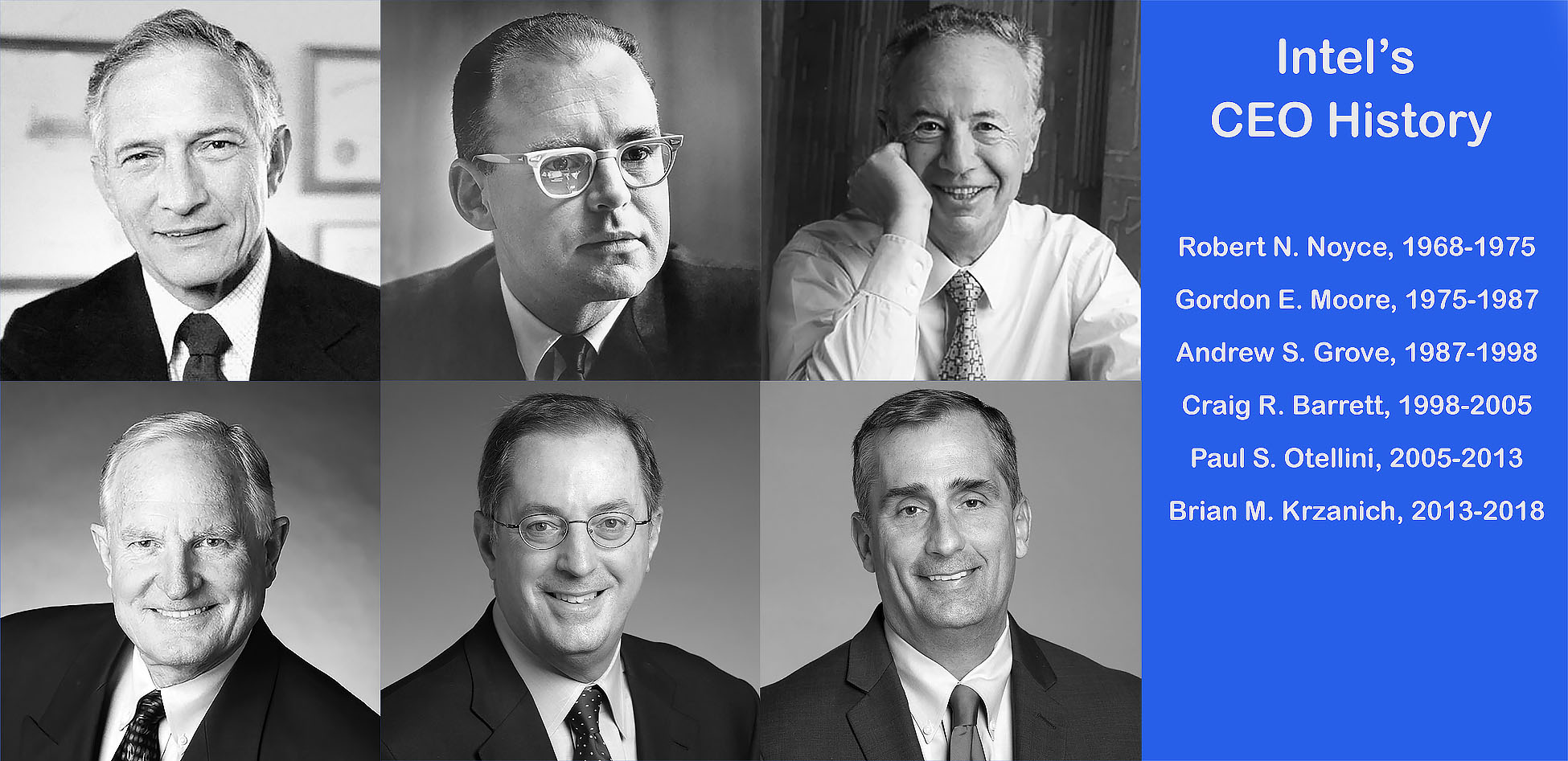
A dispersed ownership structure, characterized by a large number of shareholders with relatively small individual stakes, often leads to a strong emphasis on professional management and an independent board of directors. This structure generally promotes greater transparency and accountability, as management must answer to a diverse group of stakeholders rather than a single dominant owner. Institutional investors, with their significant but not controlling stakes, play a crucial role in corporate governance. They often demand high standards of financial reporting, ethical conduct, and strategic clarity. Their ability to influence the election of directors and vote on major proposals can shape Intel’s long-term strategic decisions, from major acquisitions and divestitures to significant investments in new technologies or manufacturing capabilities.
Implications for Stock Performance and Volatility
The composition of Intel’s ownership can also influence its stock performance and volatility. A high percentage of institutional ownership, particularly from long-term-oriented funds like pension funds and index funds, can contribute to stock stability. These investors are less likely to react to short-term market fluctuations, providing a consistent demand for shares. Conversely, a significant presence of short-term hedge funds or speculative investors might increase volatility, as these entities are more prone to rapid buying and selling based on immediate news or market sentiment. Understanding the balance between long-term institutional holders, retail investors, and more speculative funds helps investors gauge the potential for price swings and the underlying stability of the shareholder base.
Shareholder Activism and ESG Considerations
In recent years, shareholder activism has become an increasingly prominent force in corporate finance. Large institutional investors, often prompted by ESG (Environmental, Social, and Governance) concerns, can use their collective voice and voting power to push for changes in a company’s operations, sustainability practices, diversity initiatives, or financial policies. For Intel, this could mean pressure to invest more in renewable energy for its foundries, improve labor practices in its supply chain, or enhance board diversity. These shareholder-led initiatives, driven by financial and ethical considerations, can impact Intel’s public image, regulatory compliance, and ultimately, its long-term financial viability and attractiveness to a broader base of socially conscious investors.
Intel’s Financial Health and Investor Confidence
Understanding Intel’s ownership structure is incomplete without an appreciation for the underlying financial health that attracts and retains its diverse shareholder base. Investors scrutinize Intel’s financial performance, capital allocation, and future prospects, as these factors directly impact their return on investment.
Revenue Streams and Profitability Outlook
Intel’s core business revolves around designing and manufacturing microprocessors for a wide array of devices, from personal computers and data centers to edge computing and IoT applications. Its primary revenue streams come from its Client Computing Group (CCG) and Data Center and AI Group (DCAI), alongside contributions from Mobileye (autonomous driving) and Intel Foundry Services (IFS). Investors continuously evaluate Intel’s ability to maintain technological leadership, grow market share against competitors like AMD and NVIDIA, and expand into lucrative new segments like AI accelerators and custom chip manufacturing. Profitability outlook hinges on efficient operations, successful product launches, and managing the high capital expenditure required for advanced semiconductor fabrication. Financial analysts examine gross margins, operating income, and net profit trends to assess Intel’s ongoing earnings power and future growth potential.
Debt Structure and Capital Allocation
A company’s debt structure and how it allocates its capital are critical indicators for investors. Intel, like many large corporations, utilizes debt to finance operations, expansion, and research and development. Investors analyze Intel’s debt-to-equity ratio, interest coverage, and credit ratings to understand its financial leverage and ability to meet its obligations. Equally important is capital allocation: how Intel uses its free cash flow. This includes significant investments in R&D to stay competitive, capital expenditure (CapEx) for building new fabs and upgrading existing ones, strategic acquisitions to enhance capabilities, and returns to shareholders through dividends and share buybacks. Each decision reflects management’s priorities and directly impacts shareholder value.
Dividend Policy and Share Buybacks
For many investors, particularly those seeking income or long-term value, Intel’s dividend policy and share buyback programs are significant considerations. Intel has a history of paying dividends, providing shareholders with a direct cash return on their investment. The sustainability and growth of this dividend are closely monitored as an indicator of financial stability and confidence in future earnings. Share buybacks, where the company repurchases its own stock from the open market, reduce the number of outstanding shares, which can boost earnings per share (EPS) and signal management’s belief that the stock is undervalued. Both dividends and buybacks are tools for enhancing shareholder value, and their strategic use reflects Intel’s financial strength and commitment to its owners.
The Future of Intel Ownership: Trends and Challenges
The ownership landscape of a dynamic company like Intel is never static. It evolves in response to market forces, technological shifts, and geopolitical developments. For investors, anticipating these trends and challenges is crucial for making informed financial decisions about Intel’s stock.
Geopolitical Factors and Supply Chain Investments
The semiconductor industry has become a focal point of geopolitical competition, particularly between the United States and China. This has significant implications for Intel, a major chip manufacturer. Governments worldwide are prioritizing domestic semiconductor production, leading to substantial subsidies and incentives for companies to build new fabrication plants (fabs) in their home countries. Intel’s “IDM 2.0” strategy, which includes significant investments in new fabs in the U.S. and Europe, is a direct response to these geopolitical and supply chain resilience initiatives. For investors, this means considering the impact of government funding, potential trade restrictions, and the long-term implications of a more geographically diversified but potentially costlier supply chain on Intel’s financial performance and investor appeal.
Competition and Market Share Dynamics
Intel operates in an intensely competitive landscape. Its traditional dominance in CPUs has been challenged by AMD, while NVIDIA has emerged as a powerhouse in GPUs and AI accelerators, areas where Intel is striving to strengthen its position. New entrants and changing technological paradigms, such as the rise of ARM-based processors in data centers, also pose ongoing threats and opportunities. Investors continuously monitor Intel’s ability to innovate, bring competitive products to market on time, and regain or maintain market share across its diverse product lines. Success or failure in these competitive battles directly impacts revenue growth, profitability, and ultimately, investor confidence and the demand for Intel’s stock.
Attracting and Retaining Investor Capital
Looking ahead, Intel’s ability to attract and retain investor capital will depend on several critical factors. Its success in executing its IDM 2.0 strategy, including ramping up Intel Foundry Services to serve external customers, will be key. Demonstrating consistent technological leadership in AI, advanced packaging, and next-generation CPU architectures is paramount. Furthermore, maintaining financial discipline, managing a significant debt load (from CapEx), and delivering sustainable returns to shareholders through earnings growth and capital appreciation will dictate its appeal to a broad investor base. As the technology sector continues its rapid evolution, Intel’s financial narrative—its innovation pipeline, market execution, and commitment to shareholder value—will ultimately define “who owns Intel Corp” in the years to come, as investors continually re-evaluate their stakes in this foundational tech giant.
aViewFromTheCave is a participant in the Amazon Services LLC Associates Program, an affiliate advertising program designed to provide a means for sites to earn advertising fees by advertising and linking to Amazon.com. Amazon, the Amazon logo, AmazonSupply, and the AmazonSupply logo are trademarks of Amazon.com, Inc. or its affiliates. As an Amazon Associate we earn affiliate commissions from qualifying purchases.