
In an increasingly complex world, navigating personal finances can feel like sailing uncharted waters. Without a compass, even the most resilient vessel can lose its way. A financial plan serves as that essential compass, providing direction, stability, and a clear roadmap to achieving your monetary aspirations. It’s more than just a budget; it’s a comprehensive strategy encompassing your income, expenses, savings, investments, and risk management, all aligned with your life goals.
Many people associate financial planning with wealth management or retirement, but its scope is far broader. It’s about making informed decisions today that will shape your financial future, whether that’s buying a home, funding your children’s education, starting a business, or simply building a robust safety net. This article will guide you through the essential steps to construct a personalized financial plan, empowering you to take control of your financial destiny and build a life of security and abundance.
Understanding the Foundation of Financial Planning
Before you can build an effective financial plan, you must establish a solid foundation by understanding your current standing and what you aim to achieve. This initial phase is crucial for setting realistic expectations and identifying your priorities.
Defining Your Financial Goals
The cornerstone of any financial plan is a clear articulation of your goals. These goals give purpose to your financial efforts and help you prioritize where your money should go. It’s helpful to categorize them by timeline:
- Short-term Goals (1-3 years): These might include building an emergency fund, paying off a credit card debt, saving for a down payment on a car, or taking a vacation. They often require immediate action and consistent effort.
- Mid-term Goals (3-10 years): These could involve saving for a home down payment, funding a child’s education, starting a small business, or undergoing a career change that requires retraining. These goals demand more substantial savings and often involve a combination of saving and strategic investing.
- Long-term Goals (10+ years): Retirement planning is the quintessential long-term goal, but others might include legacy planning, purchasing a vacation property, or achieving financial independence. These goals benefit most from compounding returns and require a disciplined, consistent investment strategy over many years.
When defining your goals, make them SMART: Specific, Measurable, Achievable, Relevant, and Time-bound. For example, instead of “save money,” aim for “save $10,000 for a down payment on a house in three years.”
Assessing Your Current Financial Situation
To know where you’re going, you need to know where you are. This involves a thorough, honest assessment of your financial health.
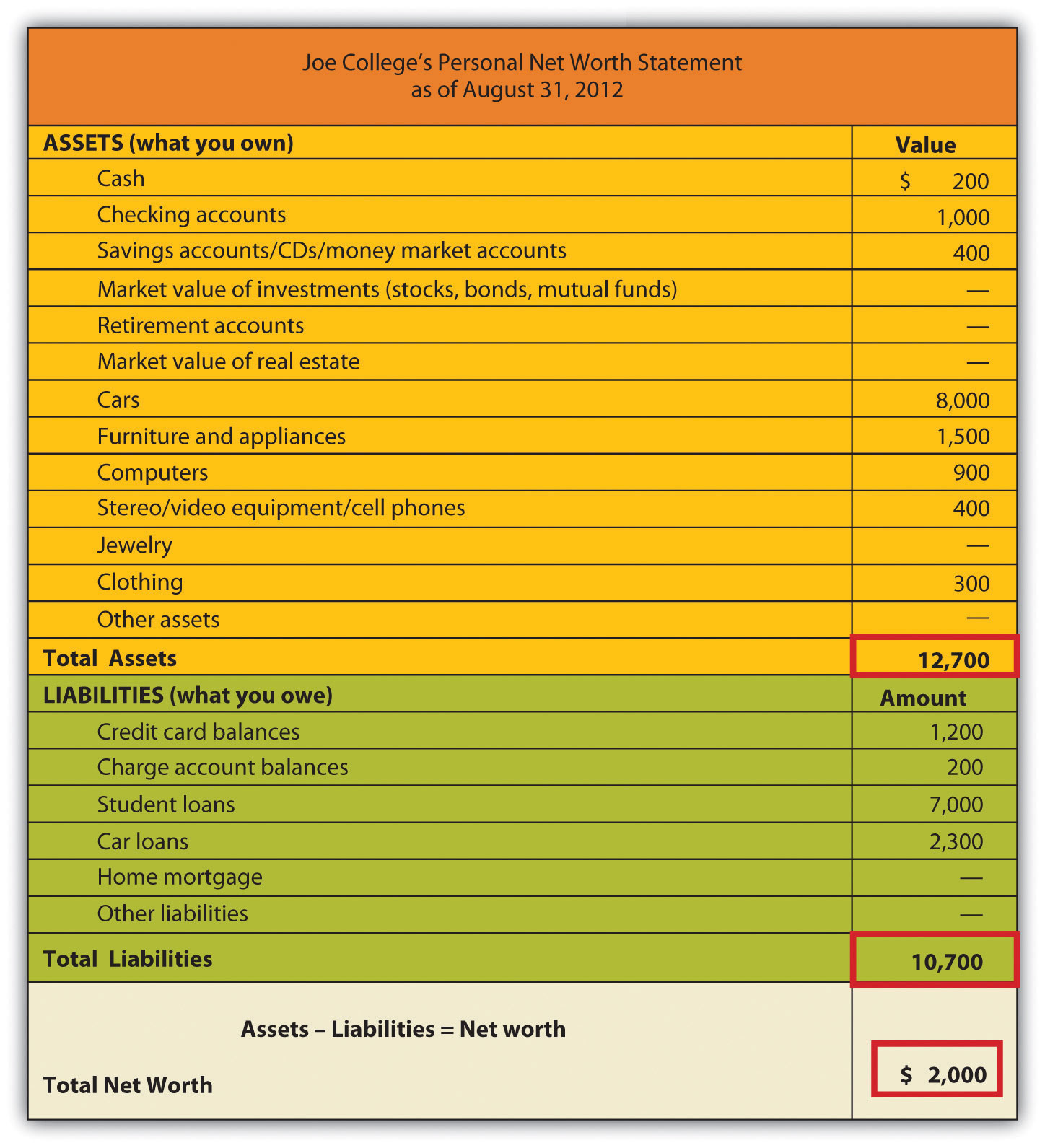
- Net Worth Calculation: Your net worth is simply your assets (what you own – savings, investments, real estate, car value) minus your liabilities (what you owe – mortgages, loans, credit card debt). Calculating this figure gives you a snapshot of your financial health at a specific point in time and helps you track progress.
- Cash Flow Analysis: Understanding your cash flow means tracking all income and all expenses. This reveals where your money is coming from and, more importantly, where it’s going. Categorize your expenses into fixed (rent, loan payments) and variable (groceries, entertainment). This analysis is critical for identifying areas where you can save more and direct funds towards your goals. Without a clear understanding of your cash flow, budgeting becomes guesswork.
The Importance of a Financial Plan
A well-crafted financial plan isn’t just about money; it’s about peace of mind and the freedom to live the life you envision. It helps you:
- Gain Control: You move from passively reacting to financial situations to actively managing them.
- Reduce Stress: Uncertainty about money is a major source of stress. A plan provides clarity and a sense of security.
- Make Informed Decisions: Every financial decision, from a new purchase to an investment, can be weighed against your overall plan.
- Achieve Goals: It provides the framework and discipline necessary to turn aspirations into reality.
- Prepare for the Unexpected: Life is unpredictable. A robust plan includes provisions for emergencies and unforeseen circumstances.
Building Your Financial Plan: Core Components
With your foundation laid, it’s time to construct the pillars of your financial plan. These core components address the practical aspects of managing your money day-to-day and for the long term.
Budgeting and Cash Flow Management
Budgeting is the backbone of financial planning. It’s not about restriction; it’s about intentional spending and saving, ensuring your income is allocated to align with your goals.
- Tracking Income & Expenses: Start by meticulously tracking every dollar in and out for a month or two. This can be done with spreadsheets, budgeting apps (like Mint, YNAB), or even a simple notebook. The goal is to identify your fixed and variable expenses.
- Choosing a Budgeting Method: Several popular methods exist:
- 50/30/20 Rule: 50% of income for needs (housing, utilities, food), 30% for wants (dining out, entertainment), 20% for savings and debt repayment.
- Zero-Based Budgeting: Assign every dollar of income to a specific category (saving, spending, debt) until your income minus expenses equals zero.
- Envelope System: Physically allocate cash into envelopes for different spending categories.
- Automating Savings: Once you have a budget, automate transfers from your checking to your savings and investment accounts immediately after payday. This “pay yourself first” strategy is incredibly effective.
Emergency Fund Creation
An emergency fund is your financial safety net, designed to cover unexpected expenses without derailing your long-term goals or forcing you into high-interest debt.
- Why It’s Critical: Life throws curveballs – job loss, medical emergencies, car repairs, home repairs. An emergency fund provides peace of mind and protects you from financial ruin during such times.
- How Much to Save: A common recommendation is 3-6 months’ worth of essential living expenses (rent/mortgage, utilities, food, transportation, insurance). For those with less job security or higher fixed costs, 9-12 months might be more appropriate.
- Where to Keep It: This money should be easily accessible but separate from your everyday spending account. A high-yield savings account is ideal, as it offers liquidity and earns a modest amount of interest without significant risk.
Debt Management Strategies
Not all debt is bad (e.g., a mortgage can be an asset builder), but high-interest consumer debt can be a major impediment to financial progress.
- Prioritization: List all your debts, including interest rates and minimum payments. Prioritize paying off debts with the highest interest rates first (the “debt avalanche” method) to minimize the total interest paid. Alternatively, some prefer the “debt snowball” method, paying off the smallest balance first for psychological momentum.
- Negotiation and Consolidation: Explore options like negotiating lower interest rates with credit card companies, or consolidating high-interest debts into a single loan with a lower interest rate, though be wary of fees and extended repayment periods.
- Avoid New Debt: While working to eliminate existing debt, make a conscious effort to avoid taking on new, unnecessary debt.
Investing for Growth
Investing is where your money starts working for you, enabling your long-term goals to become a reality through the power of compounding.
- Understanding Risk Tolerance: Before investing, assess your comfort level with risk. Younger individuals with a longer time horizon can typically afford to take on more risk for potentially higher returns, while those closer to retirement may prefer more conservative investments.
- Diversification: Never put all your eggs in one basket. Diversify your investments across different asset classes (stocks, bonds, real estate), industries, and geographies to mitigate risk.
- Investment Vehicles:
- Retirement Accounts: Maximize contributions to tax-advantaged accounts like 401(k)s, IRAs (Traditional or Roth), and HSAs. Employer match programs are essentially free money.
- Brokerage Accounts: For savings beyond retirement accounts, open a taxable brokerage account to invest in stocks, bonds, mutual funds, and Exchange-Traded Funds (ETFs).
- Real Estate: Consider real estate for long-term appreciation and potential rental income.
- Long-term Perspective: Investing is a marathon, not a sprint. Market fluctuations are normal. Stay disciplined, avoid emotional decisions, and focus on your long-term goals.
Protecting Your Financial Future
A comprehensive financial plan isn’t just about accumulating wealth; it’s also about safeguarding it from unforeseen events and ensuring your legacy.
Insurance Essentials
Insurance acts as a protective shield, mitigating financial risks associated with various life events.
- Health Insurance: Crucial for covering medical expenses, protecting you from potentially catastrophic healthcare costs.
- Life Insurance: Provides financial security for your dependents in the event of your death. Term life insurance is often sufficient for most families, covering specific periods when financial obligations (mortgage, child-rearing) are highest.
- Disability Insurance: Replaces a portion of your income if you become unable to work due to illness or injury. This is often overlooked but incredibly important, as your ability to earn is your greatest asset.
- Property & Casualty Insurance: Homeowner’s, renter’s, and auto insurance protect your assets from damage, theft, and liability claims.
- Umbrella Insurance: Offers additional liability coverage beyond the limits of your standard home and auto policies, providing extra protection against large lawsuits.
Estate Planning Basics
Estate planning ensures your wishes are honored regarding your assets and dependents after your passing or if you become incapacitated.
- Wills: A legal document outlining how your assets should be distributed and who will be the guardian of any minor children.
- Trusts: Can provide more control over how and when assets are distributed, potentially avoiding probate, and offering tax advantages.
- Power of Attorney: Designates someone to make financial and/or healthcare decisions on your behalf if you become unable to do so yourself.
- Beneficiary Designations: Review and update beneficiaries on all your financial accounts (retirement plans, life insurance) regularly, as these typically supersede your will.
Tax Planning Considerations
Taxes are a significant expense. Strategic tax planning can help you keep more of your hard-earned money.
- Maximizing Deductions and Credits: Understand which deductions and credits you qualify for and utilize them.
- Tax-Advantaged Accounts: Leverage accounts like 401(k)s, IRAs, and HSAs, which offer tax deferral or tax-free growth, depending on the account type.
- Tax-Efficient Investing: Consider the tax implications of different investment strategies. For instance, holding growth stocks in a taxable account long-term might be more tax-efficient than frequently trading.
- Professional Advice: For complex situations, consulting a tax professional can identify opportunities and ensure compliance.
Implementing and Maintaining Your Plan
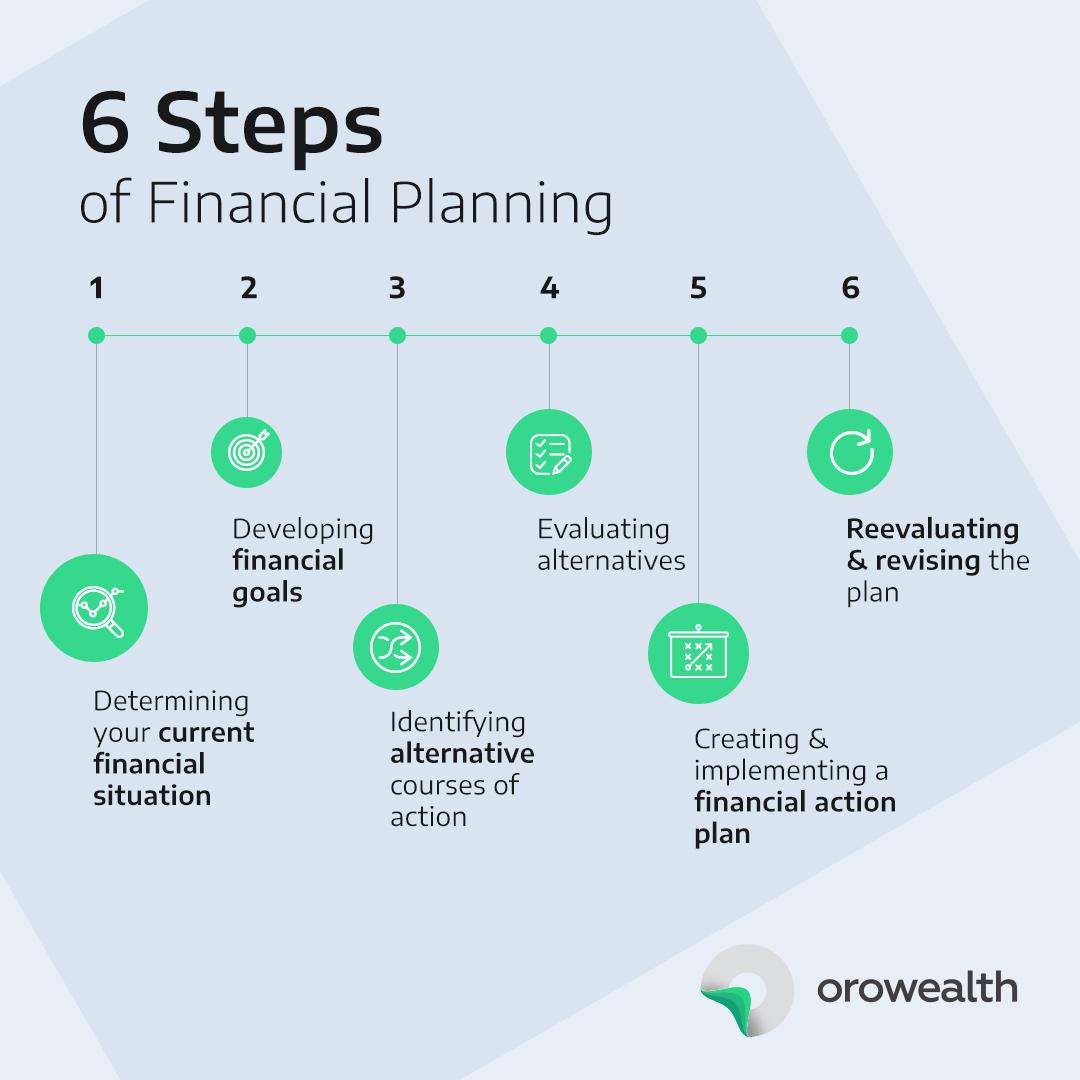
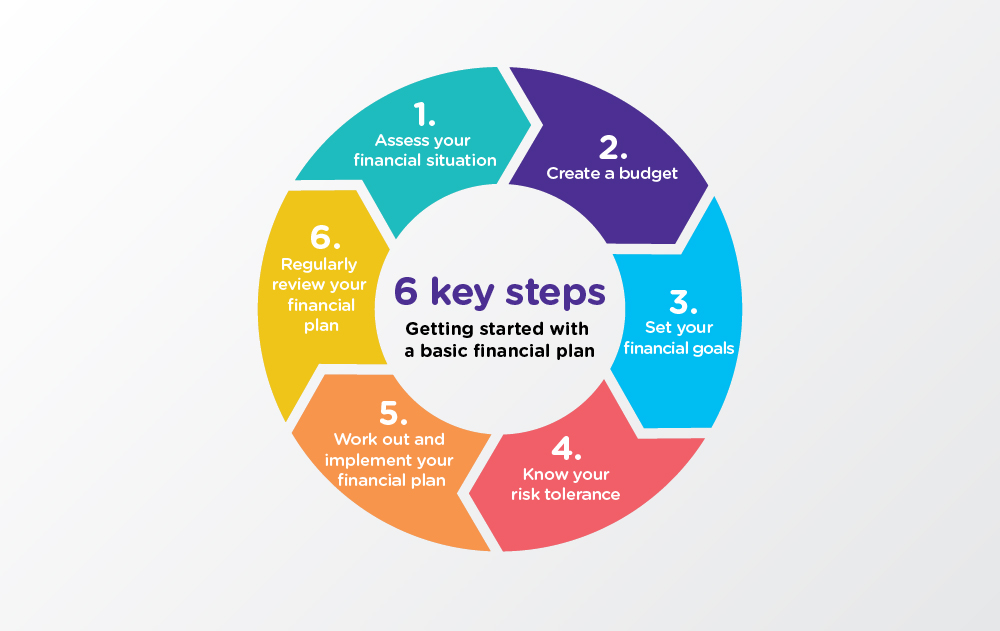
A financial plan isn’t a static document; it’s a living guide that requires ongoing attention and adjustment. The final stage involves putting your plan into action and regularly reviewing its effectiveness.
Choosing the Right Financial Tools and Resources
The right tools can simplify implementation and tracking.
- Budgeting Apps: Tools like Mint, YNAB, Personal Capital (now Empower) can automate expense tracking, budgeting, and net worth calculations.
- Investment Platforms: Robo-advisors (e.g., Betterment, Wealthfront) offer automated, low-cost investment management, while traditional brokerages (e.g., Fidelity, Vanguard, Charles Schwab) provide more control for self-directed investors.
- Financial Advisors: For those with complex financial situations, a certified financial planner (CFP) can provide personalized advice, help with comprehensive planning, and offer guidance on investments, taxes, and estate planning. Ensure you choose a fee-only fiduciary advisor who legally must act in your best interest.
Regular Review and Adjustment
Life changes, market conditions evolve, and your goals may shift. Your financial plan needs to be flexible enough to adapt.
- Annual Check-ups: Schedule an annual review of your entire financial plan. Assess your progress towards goals, re-evaluate your budget, and check your investment performance.
- Life Events: Significant life changes (marriage, divorce, birth of a child, job loss, promotion, inheritance) warrant an immediate review and adjustment of your plan.
- Market Shifts: While you shouldn’t react to every market fluctuation, significant economic changes or prolonged market trends might necessitate rebalancing your portfolio or adjusting your risk exposure.
Staying Disciplined and Patient
Financial planning is a marathon, not a sprint. It requires discipline, consistency, and patience. There will be temptations to stray from your plan, market downturns that test your resolve, and moments of frustration.
- Consistency is Key: Small, consistent actions over time yield significant results. Stick to your budget, continue to save, and invest regularly, even when it feels challenging.
- Celebrate Milestones: Acknowledge and celebrate your financial achievements, no matter how small. This positive reinforcement can help maintain motivation.
- Learn and Adapt: The financial landscape is always changing. Continuously educate yourself, stay informed, and be willing to adapt your strategies as needed.
Crafting a comprehensive financial plan is one of the most empowering steps you can take for your future. It provides clarity, reduces stress, and transforms abstract dreams into actionable steps. By understanding your goals, assessing your current situation, building robust financial components, protecting your assets, and diligently reviewing your progress, you are not just making a plan – you are building the foundation for a life of financial security and freedom. Start today, and watch your financial future unfold with purpose and confidence.
aViewFromTheCave is a participant in the Amazon Services LLC Associates Program, an affiliate advertising program designed to provide a means for sites to earn advertising fees by advertising and linking to Amazon.com. Amazon, the Amazon logo, AmazonSupply, and the AmazonSupply logo are trademarks of Amazon.com, Inc. or its affiliates. As an Amazon Associate we earn affiliate commissions from qualifying purchases.