
In the intricate tapestry of personal and business finance, few terms are as frequently invoked yet sometimes as fundamentally misunderstood as “budget.” Far from being a mere financial straitjacket or a tedious exercise for the fiscally anxious, a budget is, in its purest form, a strategic financial blueprint. It is a detailed plan that outlines how you will allocate your financial resources – your income – to cover your expenses, savings, and investments over a specific period. It’s a powerful tool for clarity, control, and empowerment, transforming abstract financial aspirations into concrete, actionable steps.
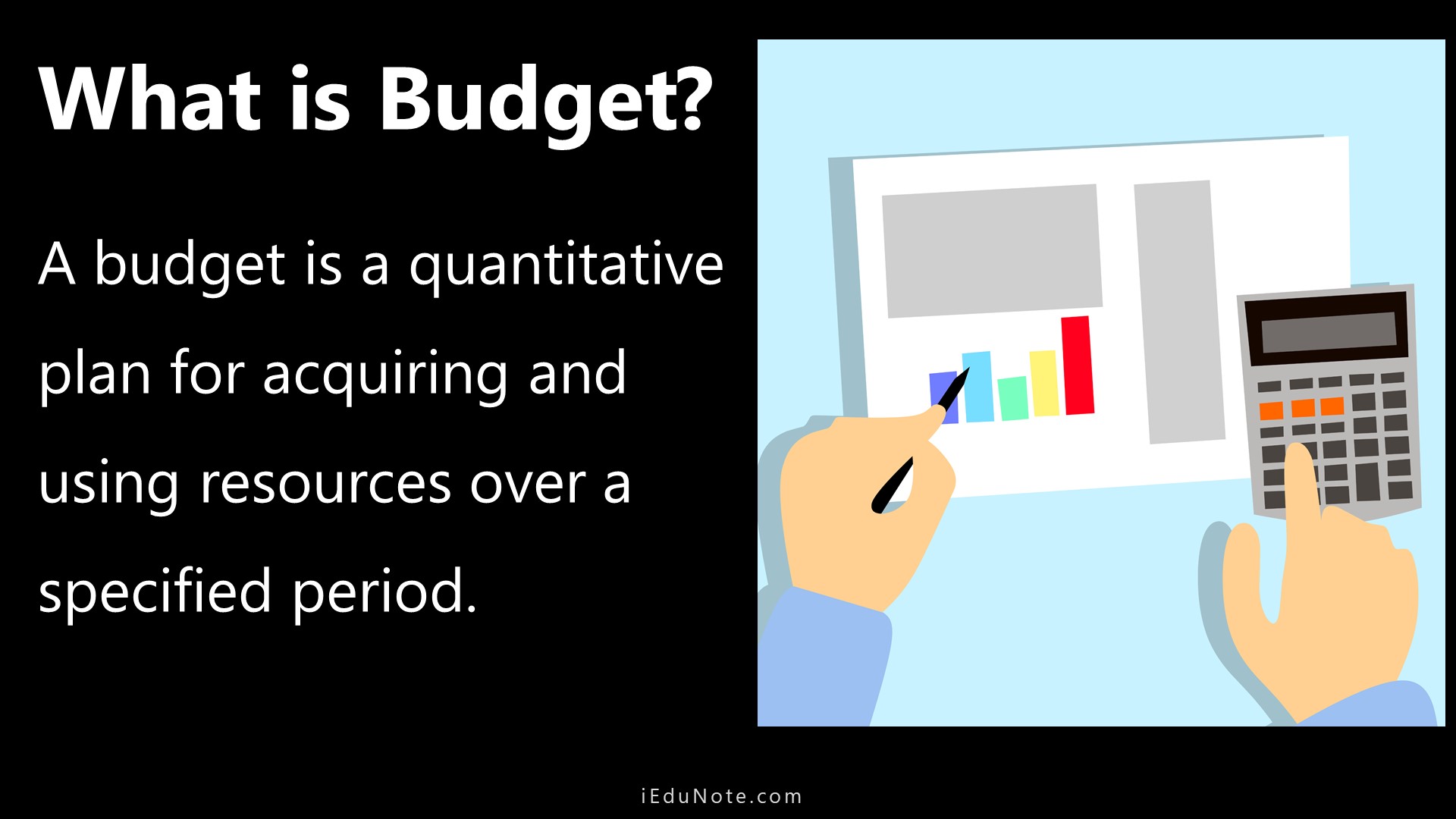
At its core, a budget provides a snapshot of your financial health, allowing you to see where your money comes from and, more importantly, where it goes. It’s an ongoing conversation with your finances, a dynamic process rather than a static document. Whether you’re an individual navigating household bills, a burgeoning entrepreneur managing startup costs, or a large corporation overseeing multi-million dollar operations, the principles remain the same: understand your inflows, categorize your outflows, and make informed decisions to align your spending with your financial goals. This article will delve into the essence of budgeting, exploring its critical components, diverse methodologies, and the transformative impact it can have on your financial well-being.
The Foundational Pillar of Financial Health
To truly grasp the significance of a budget, one must look beyond its basic definition and understand its role as the bedrock of financial stability and growth. It’s not merely about restricting spending; it’s about optimizing resource allocation to achieve desired outcomes.
Beyond Just Numbers: A Tool for Control and Clarity
Many perceive budgeting as a restrictive chore, a necessary evil that curtails spontaneity and enjoyment. However, this perspective fundamentally misses the point. A well-constructed budget is, in fact, an instrument of liberation. It grants you control over your money instead of letting your money control you. By clearly delineating income and expenses, a budget sheds light on your spending habits, often revealing blind spots and opportunities for optimization. This newfound clarity allows you to make conscious choices about where your money goes, ensuring that your spending aligns with your values and long-term objectives. It empowers you to direct your funds proactively, rather than reacting to dwindling bank balances or unexpected bills. It provides peace of mind, reducing financial anxiety by offering a clear path forward and a buffer against unforeseen circumstances.
Why Every Individual and Business Needs a Budget
The universality of budgeting’s importance cannot be overstated. For individuals, a budget is crucial for:
- Achieving Financial Goals: Whether saving for a down payment, retirement, a child’s education, or a dream vacation, a budget provides the roadmap to reach these milestones.
- Debt Reduction: It helps identify surplus funds that can be aggressively applied to high-interest debts, accelerating their payoff.
- Building an Emergency Fund: A budget ensures that a portion of income is consistently set aside for unexpected expenses, preventing financial crises.
- Minimizing Financial Stress: Knowing where you stand financially reduces anxiety and promotes a sense of security.
- Identifying Wasteful Spending: It highlights areas where money might be needlessly leaking, allowing for adjustments.
For businesses, budgeting is even more critical, acting as a strategic compass:
- Resource Allocation: Businesses use budgets to allocate funds to different departments, projects, and operational needs, ensuring efficient use of capital.
- Performance Evaluation: Budgets serve as benchmarks against which actual financial performance can be measured, helping management identify successes and areas needing improvement.
- Forecasting and Planning: They enable businesses to anticipate future revenues and expenses, aiding in strategic planning, investment decisions, and risk management.
- Controlling Costs: By setting spending limits, budgets help prevent overspending and maintain profitability.
- Attracting Investment: A well-structured budget demonstrates financial acumen and stability, essential for attracting investors and securing loans.
In essence, a budget is not a luxury; it’s a fundamental necessity for anyone or any entity aspiring to financial stability, growth, and independence.
Anatomy of an Effective Budget
Understanding what constitutes an effective budget is the next step. While the specific categories might vary, the core components remain consistent, forming the backbone of any sound financial plan.
Income: The Fuel for Your Financial Engine
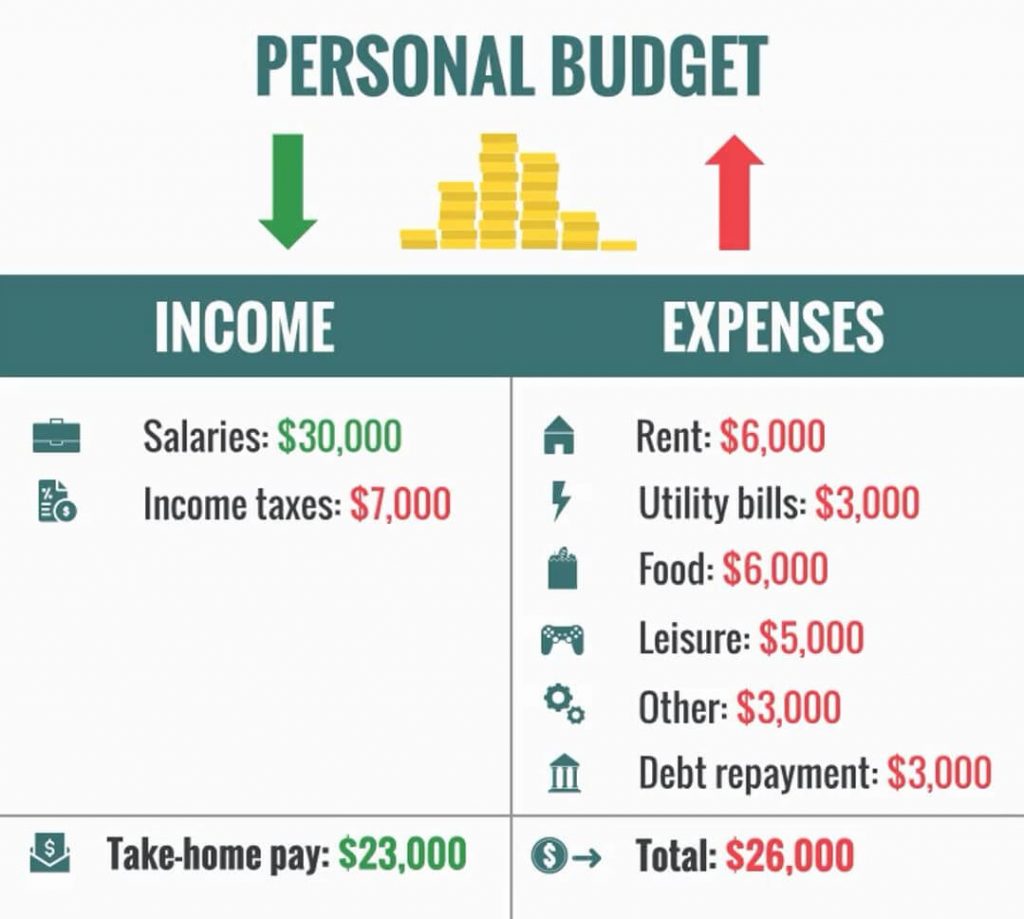
Income is the starting point of any budget. It represents all the money flowing into your accounts over a specific period, typically a month. For individuals, this includes salaries, wages, freelance earnings, passive income from investments, rental income, alimony, or government benefits. For businesses, income comprises revenue from sales of goods or services, interest earned, or other operational gains. It’s crucial to calculate your net income (after taxes and deductions) when budgeting, as this is the actual amount you have available to spend, save, or invest. Accurately tallying all sources of income provides a realistic picture of your financial capacity.
Expenses: Decoding Your Outflows
Once income is established, the next critical step is to identify and categorize all your expenses. This is often where the most significant insights (and sometimes surprises) emerge. Expenses can generally be divided into two main types:
- Fixed Expenses: These are costs that typically remain the same amount each month and are non-negotiable. Examples include rent/mortgage payments, loan repayments (car, student), insurance premiums, subscription services (Netflix, gym membership), and property taxes. They are predictable and easier to account for.
- Variable Expenses: These costs fluctuate from month to month and offer more flexibility for adjustment. Examples include groceries, utilities (electricity, water, gas), transportation (gas, public transit), dining out, entertainment, clothing, and personal care. Managing variable expenses is often key to finding savings and adapting to changing financial circumstances.
Accurately tracking and categorizing every expense, no matter how small, is paramount. This meticulous approach prevents “mystery money” situations where you wonder where your funds disappeared.
Tracking and Analysis: The Ongoing Process
A budget is not a set-it-and-forget-it tool. It requires continuous tracking and analysis to remain effective. This involves:
- Monitoring Spending: Regularly checking actual spending against budgeted amounts. This can be done manually with spreadsheets, through budgeting apps, or using banking tools.
- Identifying Discrepancies: Pinpointing areas where actual spending deviates significantly from the budget.
- Analyzing Trends: Observing spending patterns over time to understand financial behavior and identify recurring issues or opportunities.
- Regular Review: Periodically (e.g., monthly or quarterly) reviewing the entire budget to ensure it still aligns with current income, expenses, and financial goals. Life changes, and so should your budget.
This iterative process of tracking and analysis transforms a static plan into a dynamic financial management system that adapts to your evolving needs.
Diverse Budgeting Approaches for Every Lifestyle
While the core principles of budgeting remain constant, various methodologies cater to different preferences, financial situations, and levels of detail. Finding the right approach is crucial for sustained success.
The 50/30/20 Rule: A Simple Framework
Popularized by Senator Elizabeth Warren, the 50/30/20 rule is an intuitive and straightforward budgeting guideline. It suggests allocating your after-tax income as follows:
- 50% for Needs: Essential expenses like housing, utilities, groceries, transportation, insurance, and minimum loan payments.
- 30% for Wants: Discretionary spending such as dining out, entertainment, hobbies, travel, shopping, and subscription services beyond the basics.
- 20% for Savings & Debt Repayment: Contributions to emergency funds, retirement accounts, investments, and any debt payments above the minimum.
This rule is ideal for beginners or those who prefer a less granular approach, offering a broad framework for financial allocation without micromanaging every dollar.
Zero-Based Budgeting: Giving Every Dollar a Job
Zero-based budgeting (ZBB) is a more rigorous approach where every dollar of income is assigned a specific purpose – whether it’s an expense, saving, or debt repayment – until your income minus your expenses equals zero. The idea is to have no “unassigned” funds at the end of the budgeting period. This method demands meticulous planning and tracking but offers unparalleled control and insight into your financial flows. It’s particularly effective for those who want to be highly intentional with their money and ensure no dollar is spent without conscious decision. While it requires more effort upfront, ZBB can be incredibly empowering, eliminating wasteful spending and maximizing financial efficiency.

Envelope System: A Tangible Approach
The envelope system is a classic, tangible budgeting method best suited for managing variable expenses and those who prefer a physical interaction with their money. You allocate a specific amount of cash for certain spending categories (e.g., groceries, entertainment, dining out) into physical envelopes at the beginning of each budgeting period. Once the cash in an envelope is gone, you stop spending in that category until the next period. This system makes spending limits very concrete and prevents overspending by visually and physically limiting available funds. It’s particularly effective for curbing impulsive spending and regaining control over discretionary categories.
Pay Yourself First: Prioritizing Savings
This philosophy, rather than a strict budgeting system, emphasizes prioritizing savings and investments by automatically transferring a predetermined amount of money to savings or investment accounts before any other expenses are paid. The idea is to treat savings as a non-negotiable “expense” – one that benefits your future self. Whatever remains after this automatic transfer is then used for living expenses and discretionary spending. This approach ensures consistent progress towards financial goals and builds wealth proactively, making savings a default rather than an afterthought. It can be integrated with other budgeting methods.
Crafting Your Budget: A Step-by-Step Guide
Embarking on the budgeting journey can seem daunting, but breaking it down into manageable steps makes the process accessible and effective.
Step 1: Calculate Your Monthly Income
Begin by compiling all sources of income you receive in a typical month after taxes and deductions. This is your net income. Be realistic and conservative; if your income fluctuates, use an average or your lowest expected income to avoid overestimating your available funds.
Step 2: List and Categorize Your Expenses
This is where you track where your money goes. Gather bank statements, credit card statements, and receipts from the past few months. List every expense, from rent and utilities to that daily coffee run. Group them into categories like housing, transportation, food, debt payments, personal care, entertainment, etc. Be as granular as possible initially; you can consolidate later.
Step 3: Differentiate Fixed vs. Variable Costs
Once you have a comprehensive list of expenses, distinguish between fixed costs (unchanging, essential) and variable costs (fluctuating, discretionary). This distinction is crucial for identifying areas where you have flexibility to adjust spending.
Step 4: Analyze and Adjust
Compare your total income with your total expenses.
- If Income > Expenses: You have a surplus! Decide how to allocate this extra money: more savings, investments, debt acceleration, or targeted “wants.”
- If Income < Expenses: You’re spending more than you earn. This is a red flag. You must identify areas to cut back, starting with variable expenses. Look for non-essential spending that can be reduced or eliminated. Could you cook more at home? Cancel unused subscriptions? Reduce dining out? Sometimes, increasing income might also be necessary.
- If Income = Expenses (Zero-Based): Ensure every dollar has been assigned a specific purpose, including savings and debt repayment.
The goal is to create a budget where your income comfortably covers your needs, allows for wants, and prioritizes savings and debt reduction.
Step 5: Monitor and Review Regularly
A budget is a living document. Financial circumstances change, and so should your budget. Set aside time each week or month to review your spending against your budget. Track your progress, celebrate small victories, and identify areas where you’ve deviated. Don’t be discouraged by setbacks; simply adjust and move forward. Regular review keeps your budget relevant and reinforces good financial habits.
Common Budgeting Pitfalls and How to Overcome Them
Even with the best intentions, budgeting can present challenges. Recognizing common pitfalls allows you to proactively avoid them and build a more resilient financial plan.
Unrealistic Expectations and Over-Restriction
One of the quickest ways to derail a budget is to make it too restrictive or set unrealistic expectations. Drastic cuts to all discretionary spending can lead to feelings of deprivation, making the budget unsustainable. If you love your morning coffee, don’t cut it out entirely if it brings you joy and you can afford it within your “wants” category. Instead, aim for balance. Create a budget that reflects your actual lifestyle, with reasonable allowances for discretionary spending. Small, consistent adjustments are more effective than drastic, unsustainable overhauls. A sustainable budget is one you can stick to long-term.
Ignoring Irregular Expenses
Many budgets focus solely on monthly income and expenses, often overlooking less frequent but significant costs like annual insurance premiums, car registration, holiday gifts, or semi-annual maintenance. These “surprise” expenses can derail an otherwise perfectly planned monthly budget. To overcome this, create a separate sinking fund category within your budget for irregular expenses. Estimate the annual cost of these items, divide by 12, and set aside that amount monthly. When the expense arises, the funds are already there, preventing financial stress.
Lack of Consistency and Discipline
The most meticulously crafted budget is useless without consistent application and discipline. Forgetting to track expenses, procrastinating on budget reviews, or giving in to impulse spending can quickly undermine your efforts. Overcoming this requires building habits. Use tools that make tracking easy (apps, spreadsheets). Schedule dedicated “money dates” with yourself each week or month to review your finances. Find an accountability partner. Remember, consistency is more important than perfection. It’s okay to have off-days, but quickly get back on track.
Fear of the Numbers
For some, the sheer thought of delving into their financial numbers can be anxiety-inducing. This “ostrich effect” – burying your head in the sand – prevents individuals from gaining control. The fear often stems from the unknown or the anticipation of discovering uncomfortable truths. Overcoming this involves taking small, incremental steps. Start by just listing your income, then your fixed expenses. Don’t try to solve everything at once. Use positive self-talk and remember that knowledge is power. The more you understand your numbers, the more empowered you become to change them. Financial advisors or budgeting coaches can also provide guidance and support in overcoming this initial hurdle.
Conclusion: Empowering Your Financial Future
Ultimately, a budget is far more than a simple accounting ledger; it is a declaration of intent for your financial future. It’s a commitment to understanding, managing, and optimizing your money to achieve your deepest aspirations, whether they involve building wealth, eliminating debt, funding dreams, or simply enjoying peace of mind. By embracing the definition of a budget not as a limitation but as a powerful strategic tool, you gain clarity, control, and the confidence to navigate the complexities of personal and business finance.
The journey of budgeting is a continuous one, requiring patience, consistency, and a willingness to learn and adapt. It will reveal insights into your spending habits, challenge your assumptions, and ultimately empower you to make conscious decisions that align your financial actions with your most cherished goals. So, “what do you mean by budget?” It means taking charge. It means building a foundation for security. It means sculpting the financial future you envision, one informed decision at a time.
aViewFromTheCave is a participant in the Amazon Services LLC Associates Program, an affiliate advertising program designed to provide a means for sites to earn advertising fees by advertising and linking to Amazon.com. Amazon, the Amazon logo, AmazonSupply, and the AmazonSupply logo are trademarks of Amazon.com, Inc. or its affiliates. As an Amazon Associate we earn affiliate commissions from qualifying purchases.