
In the ever-evolving digital landscape, understanding key performance indicators (KPIs) is paramount for success. Whether you’re a tech enthusiast exploring the latest AI tools, a brand manager crafting a compelling corporate identity, or an individual looking to boost your online income, certain metrics consistently surface as crucial indicators of performance. Among these, Click-Through Rate (CTR) stands out as a fundamental metric that, when properly understood, can unlock significant improvements across your technological endeavors, brand visibility, and financial goals. But what exactly constitutes a “good” CTR, and how can you leverage this knowledge to your advantage?
The concept of CTR, at its core, is simple: it measures the ratio of users who click on a specific link or advertisement to the total number of users who view it. It’s a direct reflection of how compelling and relevant your offering is to your target audience. In the realm of Tech, a strong CTR on a software tutorial might indicate clear and engaging content, leading to more adoption of a new app. For Brand, a high CTR on a marketing campaign signals effective messaging and targeting, driving traffic to your website and enhancing brand recognition. And in the world of Money, a good CTR on an investment opportunity or an online income platform can directly translate to more leads and ultimately, more revenue.
However, the definition of “good” is far from universal. A CTR that’s stellar in one context might be mediocre in another. This nuanced understanding is what separates those who simply track metrics from those who strategically use them to drive growth. This article will delve into the factors that influence CTR, explore benchmarks across different platforms and industries, and provide actionable strategies to improve your click-through rates, ultimately impacting your success in technology, brand building, and financial ventures.
Understanding the Pillars of a Good CTR: Context is King
Before we can define what makes a CTR “good,” it’s essential to acknowledge that the answer is deeply contextual. A single, universal CTR benchmark simply doesn’t exist. Instead, what constitutes a strong performance is dictated by a confluence of factors, each playing a vital role in shaping user behavior and, consequently, your click-through rates.
1. Platform and Ad Format: Where are You Showing Up?
The platform on which your content or advertisement appears is a primary determinant of expected CTR. Different platforms have different user expectations and advertising ecosystems.
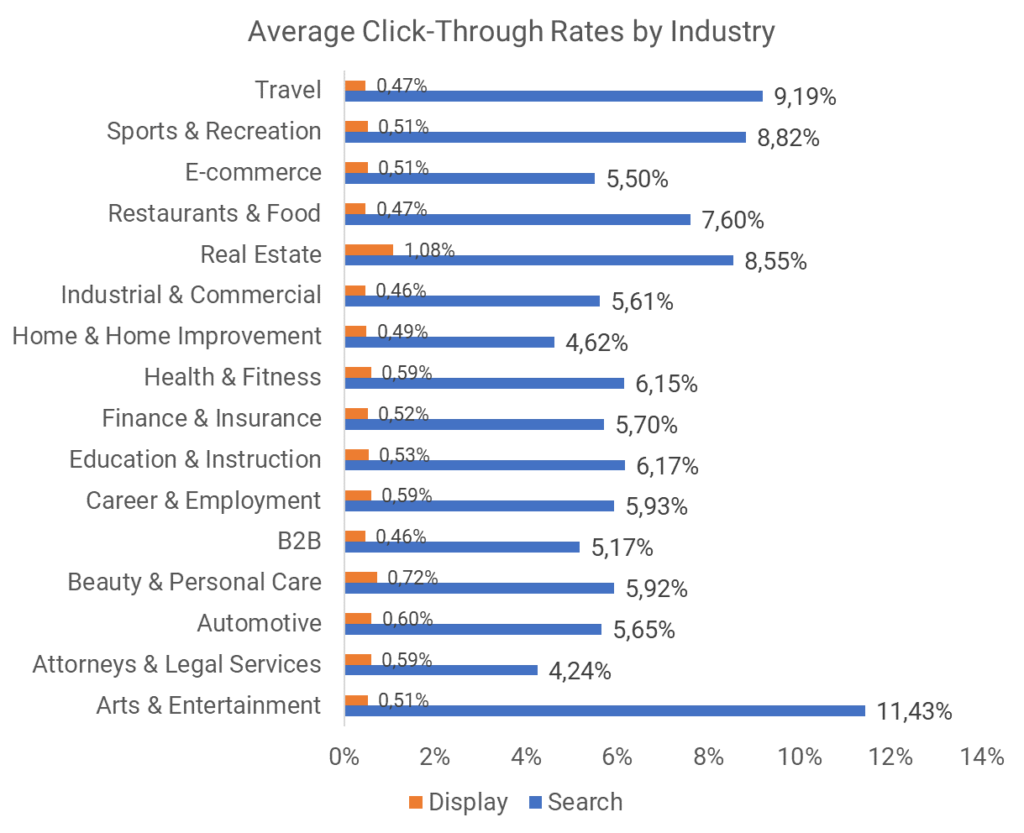
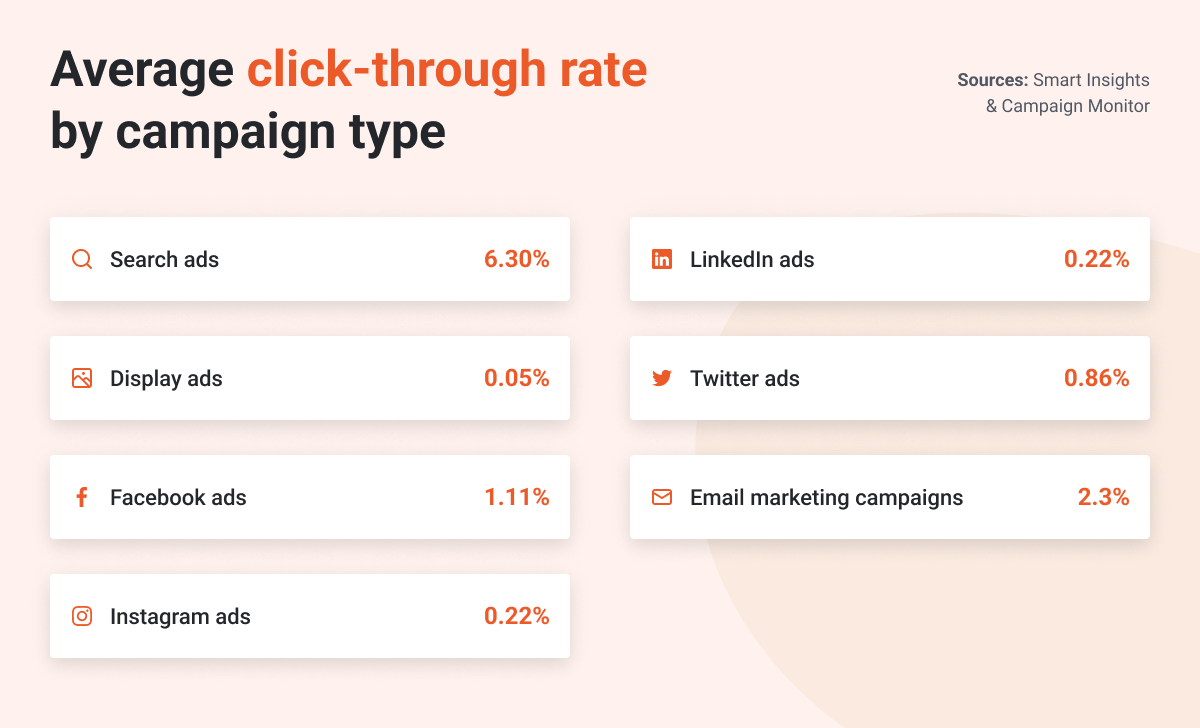
- Search Engine Marketing (SEM) / Pay-Per-Click (PPC): In Google Ads, for instance, CTRs can vary significantly based on keyword competition, ad quality, and ad position. For highly specific, long-tail keywords with lower competition, a CTR of 2-5% might be considered good. For broader, more competitive keywords, a CTR below 1% might be acceptable, while anything above 3% is often excellent. This is because users on search engines are actively looking for solutions, making their intent high.
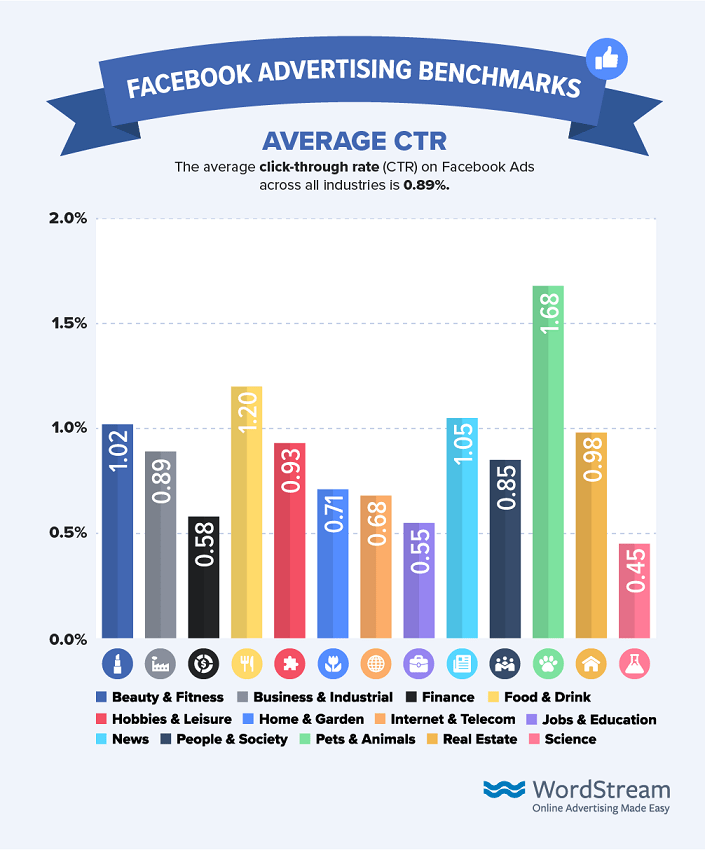
- Social Media Advertising: Platforms like Facebook, Instagram, and LinkedIn have different user engagement patterns. Social media ads often compete for attention amidst a stream of personal content. Here, a CTR of 0.5% to 1% might be considered average, while anything above 2% can be seen as very effective, especially for visually appealing or highly targeted campaigns.
- Display Advertising: Banner ads on websites typically have lower CTRs due to their more passive nature. A CTR of 0.1% to 0.5% is often considered standard for display ads. However, this can be significantly influenced by the placement, size, and targeting of the ad.
- Email Marketing: Within email campaigns, CTRs are heavily influenced by the segmentation of your list, the subject line’s effectiveness, and the relevance of the email’s content. A good CTR for an email campaign can range from 2% to 5%, but for highly targeted or promotional emails, it could be even higher.
2. Industry Benchmarks: What’s the Norm in Your Niche?
Just as platforms differ, so do industries. What’s considered a high CTR in the e-commerce sector might be different in the B2B software space.
- E-commerce: Businesses selling physical products often see higher CTRs on product-specific ads, especially when paired with compelling visuals and clear calls to action.
- SaaS (Software as a Service): Companies offering software solutions might focus on driving users to free trials or demo pages. CTRs here can be influenced by the perceived value and complexity of the software.
- Finance: The financial sector, particularly for investment opportunities or online banking services, often requires a higher degree of trust. CTRs can be moderate, with a focus on driving qualified leads rather than mass clicks.
- Technology and Gadgets: Given the inherent interest in new technology, campaigns promoting innovative gadgets or cutting-edge software might see above-average CTRs, especially if the messaging highlights unique features and benefits.
3. Audience Targeting and Relevance: Speaking Their Language
Perhaps the most significant factor influencing CTR is the relevance of your offering to the audience viewing it. A highly targeted ad or piece of content that directly addresses the needs, desires, or pain points of a specific audience will naturally garner more clicks.
- Precision Targeting: If your ad for a niche AI tool is shown only to developers who have expressed interest in machine learning, its CTR will likely be far higher than if it’s shown to a general audience.
- Keyword Match: In SEM, the tighter the match between a user’s search query and the keywords your ad is targeting, the higher the likelihood of a click.
- Personalization: Tailoring your messaging and offers to individual user preferences, past behavior, or demographic information can dramatically increase engagement and CTR.
Decoding CTRs Across Tech, Brand, and Money: Practical Implications
Now, let’s explore how understanding CTR specifically impacts the core domains of our website: Tech, Brand, and Money. Each area benefits from a strategic approach to CTR optimization, leading to tangible results.
1. Tech: Driving Adoption and Engagement with Digital Solutions
In the Tech sphere, CTR is a vital metric for evaluating the effectiveness of various initiatives.
- Software and App Promotion: For app developers or SaaS companies, CTRs on app store listings, promotional ads, or landing pages for free trials are direct indicators of user interest. A low CTR might suggest that the app’s value proposition isn’t clear, the visuals are unappealing, or the target audience isn’t being reached effectively. Optimizing ad copy with strong benefit-driven language and compelling screenshots can significantly boost CTR.
- Content Marketing for Tech Trends: For blogs or publications covering technology trends, AI tools, or gadget reviews, CTRs on links within articles (e.g., to related articles, product pages, or affiliate links) reveal how engaging and valuable your content is. A good CTR on an affiliate link for a new gadget, for instance, directly translates to potential income and validation of your review’s influence.
- Digital Security and Productivity Tools: When promoting cybersecurity solutions or productivity apps, a high CTR on educational content or feature spotlights indicates that users understand the benefits and are motivated to learn more or explore the solution. This can lead to higher conversion rates for sign-ups or purchases.
- Tutorials and How-Tos: For tech tutorials, the CTR of links to related software, tools, or even other advanced tutorials signals that users find the information helpful and want to delve deeper. This reinforces the value of your educational content.
2. Brand: Measuring the Resonance of Your Identity and Marketing
For Brand building and marketing efforts, CTR is a direct measure of how well your message is cutting through the noise and resonating with your desired audience.
- Brand Strategy and Awareness Campaigns: While brand awareness is often measured by reach and impressions, CTR on ads promoting brand stories, corporate identity initiatives, or thought leadership content indicates how effectively you are capturing audience attention and prompting further engagement. A strong CTR here means people are not just seeing your brand, but are actively curious to learn more.
- Marketing and Design Effectiveness: CTR on digital advertisements, social media posts, or even design-focused case studies showcases the effectiveness of your marketing creative and strategic messaging. If a visually striking ad with a bold call to action has a low CTR, it might suggest a disconnect between the design and the intended audience, or a lack of perceived value in clicking.
- Personal Branding: For individuals building their personal brand, CTR on links shared across social media, personal websites, or email newsletters can indicate how well their personal narrative and expertise are being received. A good CTR on a link to a featured article or a professional portfolio signifies that people are interested in what the individual has to offer.
- Reputation Management: While not a direct CTR metric, campaigns designed to highlight positive customer testimonials or corporate social responsibility initiatives can see their effectiveness amplified by good CTRs on associated content, demonstrating public interest and positive sentiment.
3. Money: Driving Leads and Monetizing Opportunities
In the Money domain, CTR often has a more immediate and quantifiable impact on financial outcomes.
- Online Income and Side Hustles: For platforms offering online income opportunities, affiliate marketing, or tools for freelancers, CTRs on promotional ads or affiliate links are directly correlated with potential earnings. A higher CTR on a link to a “Start Your Side Hustle Today” page means more potential customers are exploring the opportunity, increasing the likelihood of sign-ups and revenue.
- Personal Finance and Investing: When promoting financial advice, investment platforms, or budgeting apps, CTRs on links to relevant resources, calculators, or sign-up pages indicate user interest in managing their money better. A good CTR on an ad for a specific investment product suggests the targeting and messaging are effectively reaching individuals looking for such opportunities.
- Business Finance and Financial Tools: For businesses seeking financial services or software, CTRs on ads for accounting software, loan providers, or business consulting services signal strong lead generation potential. A high CTR on a link to a “Request a Demo” page for a financial tool means more businesses are interested in exploring how it can benefit them.
Strategies to Elevate Your CTR: From Tech to Brand to Money
Understanding the context and implications of CTR is only the first step. The real power lies in actively working to improve it. Here are actionable strategies that apply across all three domains:
1. Craft Compelling and Clear Ad Copy and Creative
- Benefit-Oriented Language: Focus on what the user gains. Instead of “Learn about our software,” try “Boost your productivity by 30% with our AI assistant.”
- Strong Calls to Action (CTAs): Make it unambiguous what you want the user to do. Use action verbs like “Download,” “Learn More,” “Shop Now,” or “Sign Up.”
- Relevant Keywords: For SEM, ensure your ad copy and keywords are tightly aligned with user search intent.
- High-Quality Visuals: For display ads and social media, use eye-catching, professional images or videos that are relevant to your offering.
- Emotional Appeal: Connect with your audience on an emotional level, addressing their pain points or aspirations.
2. Optimize for Relevance and Targeting
- Deep Audience Segmentation: Understand your ideal customer profile (ICP) intimately. Utilize platform-specific targeting options to reach the most relevant demographics, interests, and behaviors.
- A/B Testing: Continuously test different ad headlines, descriptions, images, and CTAs to see what resonates best with your audience. This is crucial for refining your message in Tech, Brand, and Money contexts.
- Landing Page Optimization: Ensure that the page users land on after clicking is highly relevant to the ad they clicked. A mismatch here will lead to high bounce rates and a wasted click. For a tech app, the landing page should clearly showcase its features. For a brand campaign, it should reinforce the brand message. For a financial opportunity, it should clearly outline the benefits and next steps.
- Remarketing: Re-engage users who have previously interacted with your brand but haven’t converted. Tailored remarketing ads can often achieve higher CTRs.
3. Leverage Platform Strengths and Data Insights
- Understand Platform Algorithms: Each platform has its own way of ranking and displaying ads. Familiarize yourself with best practices for each.
- Analyze Performance Data: Regularly review your CTRs and other relevant metrics. Identify which ads and targeting strategies are performing best and reallocate your budget accordingly.
- Utilize Ad Extensions (for SEM): These can provide additional information, such as site links, callouts, and structured snippets, which can increase the visibility and relevance of your ads, thereby boosting CTR.
- Mobile Optimization: With the majority of internet traffic coming from mobile devices, ensure your ads and landing pages are fully responsive and load quickly on mobile.
In conclusion, “what’s a good CTR” isn’t a question with a single numerical answer. It’s an ongoing exploration of context, relevance, and strategic optimization. By understanding the interplay between platform, industry, and audience, and by applying the principles of effective communication and targeting, you can significantly improve your click-through rates. This, in turn, will empower you to achieve greater success in your technological pursuits, strengthen your brand’s presence, and ultimately, drive better financial outcomes across your digital endeavors. The journey to a good CTR is a continuous process of learning, testing, and refining, leading to more engaged audiences and more impactful results.
aViewFromTheCave is a participant in the Amazon Services LLC Associates Program, an affiliate advertising program designed to provide a means for sites to earn advertising fees by advertising and linking to Amazon.com. Amazon, the Amazon logo, AmazonSupply, and the AmazonSupply logo are trademarks of Amazon.com, Inc. or its affiliates. As an Amazon Associate we earn affiliate commissions from qualifying purchases.