
Receiving a refund can feel like finding forgotten money, offering a welcome boost to your personal finances. However, the precise amount you’ll get back is rarely a simple calculation. It’s influenced by a complex interplay of policies, product or service condition, timing, and various deductions. Understanding these dynamics is crucial for setting realistic expectations and effectively managing your money. This article delves into the intricacies of refunds, exploring the factors that determine your final payout across a range of financial scenarios.
Deconstructing the Refund: More Than Just the Money Back
At its core, a refund is the return of money paid for a product or service. Yet, the journey from purchase to reimbursement is rarely linear. It’s a fundamental aspect of consumer protection and contractual agreements, designed to provide recourse when goods are faulty, services are unsatisfactory, or circumstances change.
The Fundamental Principle of a Refund
A refund typically aims to restore the consumer to their financial position prior to the transaction. However, this ideal is often tempered by practicalities and the need to protect businesses from undue losses. While a full refund might be the goal, partial refunds are a common reality, especially when conditions are not perfectly met.
Types of Refunds: A Broad Spectrum
Refunds manifest in various forms, each with its own set of rules and expectations:
- Retail Product Refunds: The most common, involving physical goods returned to a store or online retailer.
- Service Cancellations: Pertaining to memberships, subscriptions, courses, or contractual services that are terminated early.
- Tax Refunds: Overpayments of income tax or returns from specific government programs.
- Investment Refunds/Reversals: Though less common, these can occur in cases of erroneous transactions or specific investment product unwinds.
- Subscription Refunds: For digital services, software, or content platforms.
Distinguishing Between Full and Partial Refunds
The crucial distinction lies here. A full refund typically returns the entire purchase price, including any sales tax. A partial refund, on the other hand, means you receive less than the original amount paid. This could be due to restocking fees, usage deductions, depreciation, or non-refundable elements of the original transaction. Understanding when each applies is key to managing your financial expectations.
Unpacking the Factors That Shape Your Refund Amount
The “how much” question hinges on several critical variables. Each plays a significant role in determining the exact sum that will be credited back to you.
The Primacy of the Refund Policy
Every retailer, service provider, and financial institution operates under a defined refund policy. This is the single most important document governing your eligibility and the amount you can expect. Policies vary wildly:
- Timeframes: The window within which a return is accepted (e.g., 30 days, 90 days, or specific deadlines for service cancellations).
- Condition Requirements: For products, whether it must be “new and unused,” “original packaging,” or “defective.”
- Proof of Purchase: The necessity of receipts, order numbers, or account statements.
- Non-Refundable Items: Clearly stated categories like final sale items, personalized goods, or used services.
Thoroughly reviewing these policies before making a purchase or committing to a service is your best defense against unexpected deductions.
Condition and Usage: The Depreciation Factor
For physical products, the item’s condition upon return is paramount. If a product is returned used, damaged, or without original packaging, retailers often reserve the right to offer a partial refund, charge a restocking fee, or even refuse the refund altogether. Similarly, for services, if you’ve already utilized a portion of the service (e.g., attended a few classes of a course, used data on a plan), your refund will likely be prorated based on the unused portion. This depreciation or usage factor directly impacts the refund amount.
Restocking Fees, Administrative Charges, and Other Deductions
Many businesses, particularly for high-value items, electronics, or special orders, may levy a restocking fee. This covers the cost of processing the return, inspecting the item, and preparing it for resale. These fees, typically a percentage of the purchase price (e.g., 10-25%), are explicitly outlined in the refund policy. Similarly, service cancellations might involve administrative fees to cover the cost of processing the termination of a contract. These deductions are subtracted from the original purchase price.
Shipping Costs and Original Transaction Fees
Often, the cost of original shipping is non-refundable, especially if the return is not due to a seller’s error. If you paid for expedited shipping, that amount is typically forfeited. For returns that require you to ship the item back, you may also bear the cost of return shipping, further reducing your net refund. Additionally, some payment processors or platforms might charge small, non-refundable transaction fees, though these are less common for direct consumer refunds.
Timing is Everything: Deadlines and Processing Delays
Adhering to the refund timeframe is critical. Missing a deadline can result in a partial refund, store credit, or outright refusal. Once a refund is initiated, processing times can vary. Credit card refunds typically take 5-10 business days to appear on your statement, while bank transfers or checks might take longer. Delays, while frustrating, do not reduce the refund amount but impact when you actually receive your money.
Sales Tax and Other Levies
In most cases, if you receive a refund for a product or service, any sales tax paid on that item will also be refunded. However, specific levies or taxes tied to the consumption of a service (e.g., certain utility taxes) might not be recoverable if the service was partially used. Always check if the refunded amount specifies inclusion of applicable taxes.
Specific Scenarios: What to Expect Across Different Financial Contexts
The “how much” question plays out differently depending on the context of your refund claim.
Retail Product Returns: Navigating Store Policies
For physical goods, your refund amount is directly tied to the store’s policy, the item’s condition, and the presence of a receipt. A new, unopened item with a receipt returned within the window typically guarantees a full refund. Without a receipt, you might get store credit at the lowest recent sale price. For defective items, consumer protection laws often mandate a full refund or replacement, irrespective of the standard return policy.

Service Cancellations: Pro-Rata and Contractual Obligations
Cancelling a gym membership, an internet plan, or an educational course often involves a prorated refund. You’ll typically be charged for the portion of the service already rendered, with the remainder refunded. Some contracts include early termination fees, which will be deducted from any refund due. Reviewing the contract’s cancellation clause is vital to understand potential penalties.
Travel and Accommodation: Understanding Cancellation Windows and Penalties
Travel refunds (flights, hotels, rental cars) are highly dependent on the cancellation window and the type of fare/booking. Non-refundable bookings offer little to no refund outside of specific, unforeseen circumstances (e.g., severe weather, documented medical emergencies, or travel insurance claims). Flexible bookings allow for refunds, but often with administrative fees or within specific deadlines. Understanding the terms at the time of booking is crucial here.
Subscription Services: Usage-Based vs. Unused Portions
Digital subscriptions often have “no questions asked” refund periods (e.g., 7 or 30 days), offering a full refund. Beyond that, it varies. Some services do not offer partial refunds for unused portions of a billing cycle once it has begun. Others might prorate the refund if you cancel mid-period, especially for annual subscriptions. Free trials that automatically convert to paid subscriptions are a common pitfall; cancellation before the trial ends is necessary to avoid charges and subsequent refund issues.
Tax Refunds: Beyond the Initial Calculation
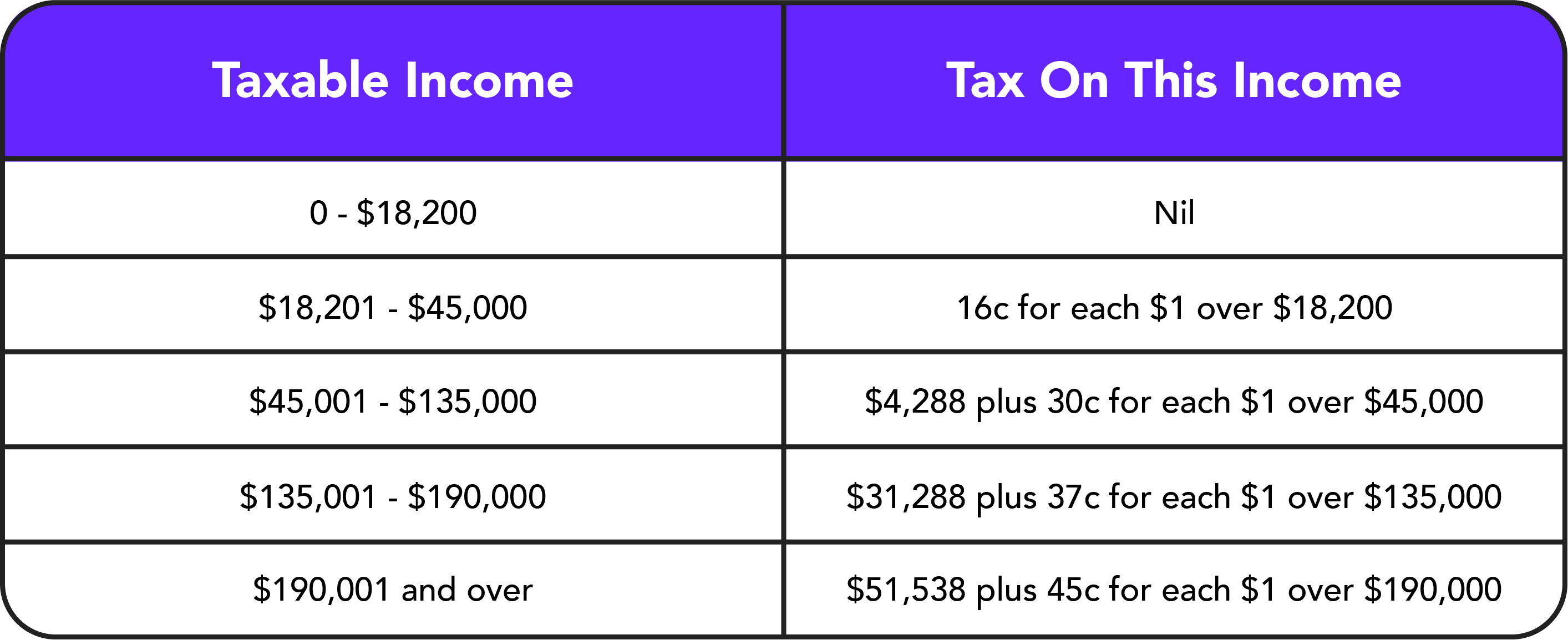
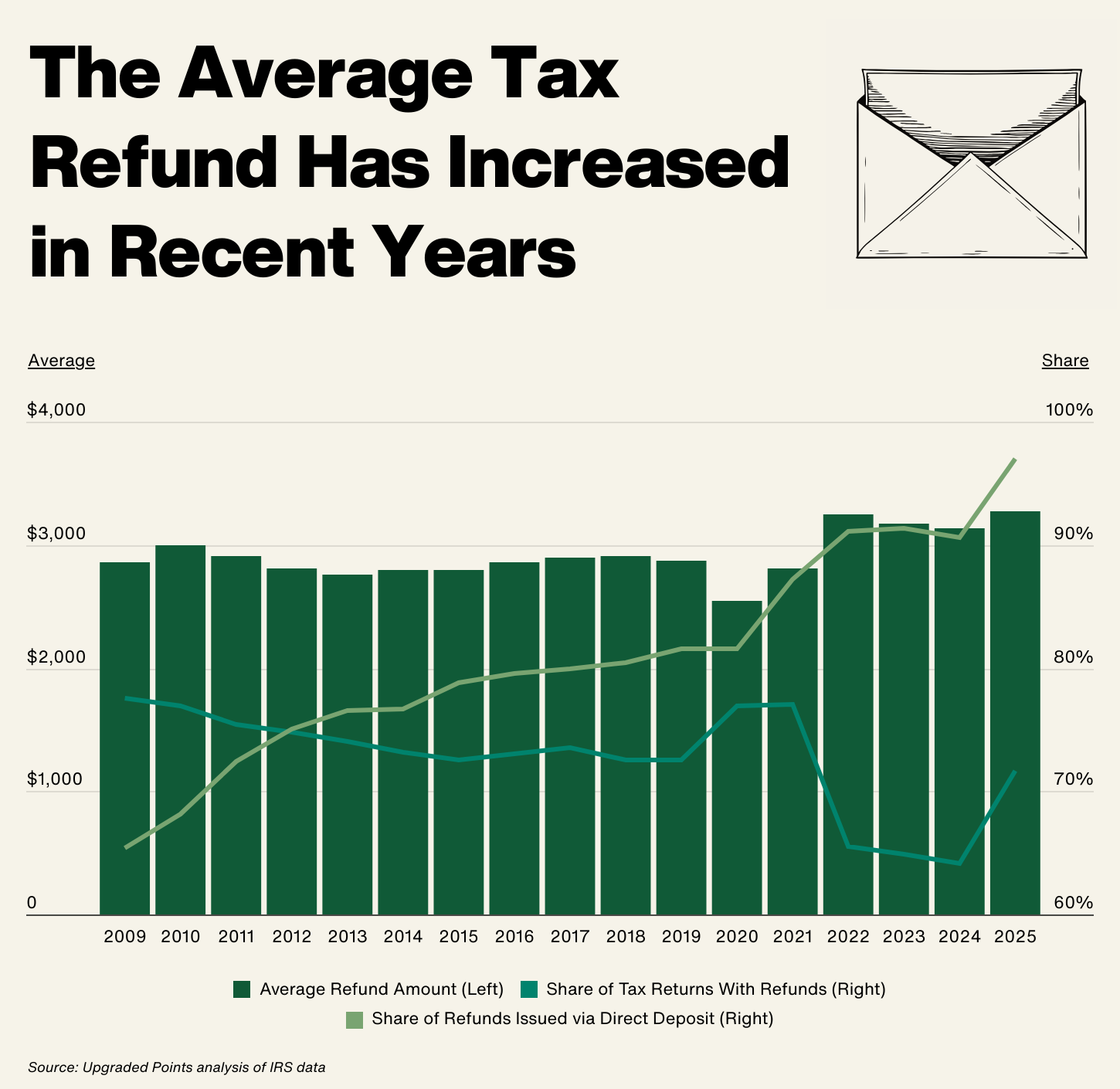
Your tax refund is not a simple “return” of money in the same way a retail refund is. It’s the difference between the amount of tax you’ve already paid (through withholdings from your paycheck or estimated payments) and your actual tax liability as determined by your annual tax return. Factors like tax credits (e.g., child tax credit, education credits), deductions (e.g., student loan interest, mortgage interest), and changes in income or filing status significantly influence this amount. The more you’ve overpaid or the more credits you qualify for, the larger your refund.
Investment Refunds/Reversals: Unique Considerations
While less common, errors in investment transactions (e.g., an incorrect fund purchase, an accidental double order) might result in a reversal or “refund.” The amount returned would typically be the original erroneous transaction amount, though market fluctuations during the correction period could technically impact the value of the investment, not necessarily the original refund amount. Always consult your financial advisor or brokerage in such rare instances.
Strategies to Maximize Your Refund and Safeguard Your Funds
Proactive measures and diligent follow-through can significantly improve your chances of securing the maximum possible refund.
Know Before You Buy: The Importance of Pre-Purchase Research
The most effective strategy is preventive. Always read and understand refund policies, terms of service, and cancellation clauses before finalizing any purchase or agreement. This knowledge empowers you to make informed decisions and avoids surprises down the line.
Meticulous Documentation: Receipts, Records, and Correspondence
Keep all proof of purchase—receipts, order confirmations, shipping labels, and payment records. For service cancellations, retain copies of contracts, cancellation requests, and any communication with the provider. This documentation is your undeniable evidence should a dispute arise.
Clear and Professional Communication
When requesting a refund, be clear, concise, and professional. State your reason for the refund, reference your purchase details, and explicitly request the amount you believe you are owed. Follow up if necessary, keeping a record of all interactions.
Understanding Your Consumer Rights
Familiarize yourself with local and national consumer protection laws. These laws often provide baseline rights regarding returns for defective goods or misrepresentation, which can supersede a company’s standard policy. Knowing your rights gives you leverage in disputes.
Leveraging Credit Card Protections and Dispute Processes
Many credit card companies offer purchase protection, extended warranties, and robust dispute resolution services. If a retailer refuses a legitimate refund, initiating a chargeback through your credit card issuer can be an effective way to recover your funds. Understand your card’s benefits and dispute process.
Integrating Refunds into Your Personal Financial Picture
While refunds are often seen as one-off windfalls, they can and should be integrated into your broader financial planning.
Budgeting for Expected and Unexpected Refunds
If you anticipate a large refund (like a tax refund), factor it into your annual financial plans. For unexpected refunds, avoid treating them as ‘free money’. Instead, consciously decide how to allocate these funds.
Reinvesting or Reallocating Refunded Funds
A refund provides an opportunity to bolster your financial health. Consider using the money to:
- Pay down high-interest debt.
- Boost your emergency fund.
- Contribute to savings or investment accounts.
- Fund a necessary expense that improves your financial well-being.
The Psychological Impact of a Refund
Receiving money back can provide a sense of relief or even excitement. Harness this positive feeling to reinforce good financial habits. Use it as a motivator to continue making smart financial decisions, rather than impulsively spending it.
Ultimately, how much refund you get is a blend of policy, circumstance, and your proactive engagement. By understanding the underlying mechanics and knowing your rights, you can navigate the refund process effectively and ensure you reclaim every penny you’re entitled to.
aViewFromTheCave is a participant in the Amazon Services LLC Associates Program, an affiliate advertising program designed to provide a means for sites to earn advertising fees by advertising and linking to Amazon.com. Amazon, the Amazon logo, AmazonSupply, and the AmazonSupply logo are trademarks of Amazon.com, Inc. or its affiliates. As an Amazon Associate we earn affiliate commissions from qualifying purchases.