
Navigating the financial landscape of tax season often leads taxpayers to a single, pivotal question: How much will it cost to get the job done right? As one of the most recognized names in the financial services industry, H&R Block offers a wide array of products designed to cater to everyone from the first-time filer with a single W-2 to the complex small business owner managing multiple revenue streams. However, because H&R Block utilizes a multi-tiered pricing structure that varies based on the complexity of your financial situation and the level of professional assistance you require, the answer to “what they charge” is rarely a single flat fee.

Understanding the H&R Block pricing model is essential for effective personal financial planning. Tax preparation is not merely a seasonal chore; it is a significant financial transaction that can impact your net liquidity for the year. Whether you choose their DIY online software or opt for a full-service experience with a tax professional, the costs associated with these services are an investment in accuracy, compliance, and potential refund maximization.
The H&R Block Online Ecosystem: DIY Pricing Tiers
For many modern taxpayers, the H&R Block online platform provides a balance between cost-effectiveness and user-friendly technology. The pricing for online services is generally more transparent than in-office services, but it remains tiered based on the complexity of your tax forms.
The Free Online Edition
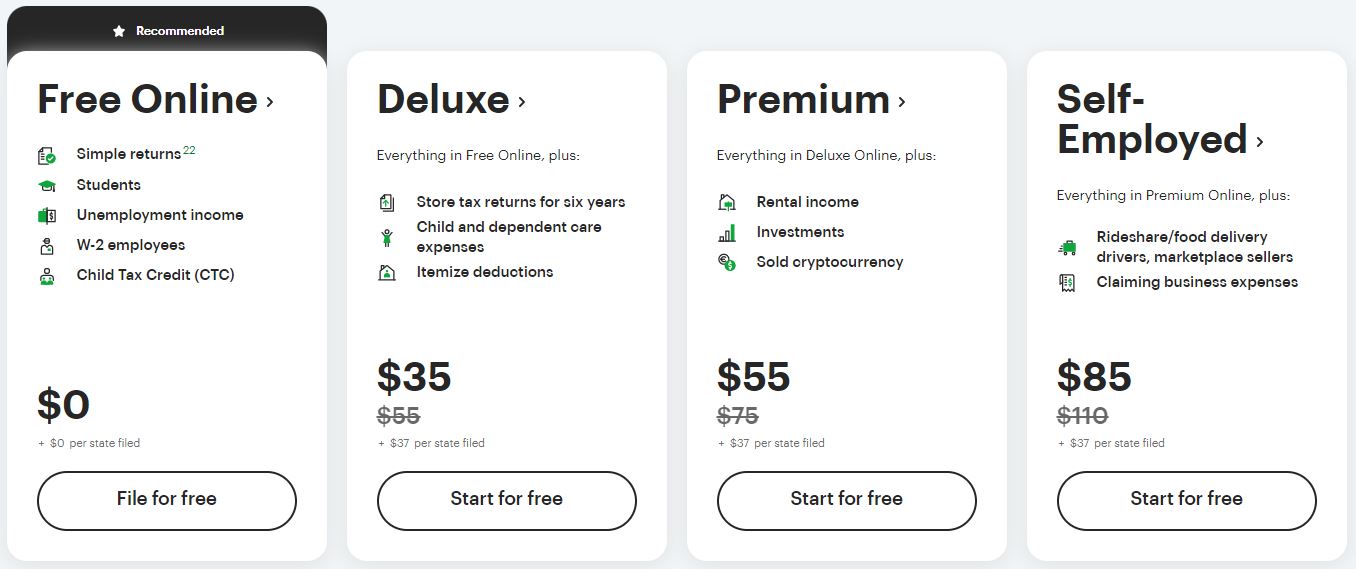
H&R Block’s entry-level tier is its “Free Online” version. This is designed primarily for taxpayers with very simple financial lives—typically those filing a Form 1040 with only W-2 income, interest, and dividends. Unlike some competitors, H&R Block’s free tier often includes several common forms that others might charge for, such as unemployment income (1099-G) and student loan interest deductions. For the budget-conscious individual whose primary goal is to fulfill their legal obligations without a high overhead, this is the most affordable route.
Deluxe Online
The Deluxe tier is where most homeowners and investors find themselves. Generally priced between $55 and $60 (though prices fluctuate based on seasonal promotions), this level is required if you intend to itemize deductions. If you have significant charitable contributions, mortgage interest, or Health Savings Account (HSA) contributions, the Deluxe version provides the necessary schedules to capture these tax-saving opportunities. From a financial strategy perspective, the cost of the software is often offset by the additional deductions found through the guided interface.
Premium and Self-Employed Tiers
As financial portfolios grow to include rental properties, cryptocurrency trades, or stock sales, the Premium tier becomes necessary, usually hovering around $85. For the modern “gig economy” worker, freelancer, or small business owner, the Self-Employed tier is the standard. At approximately $115, this version includes Schedule C for reporting business income and expenses. While these prices represent a higher upfront cost, they are specialized tools meant to manage complex business finance tracking and depreciation, ensuring that the business owner isn’t overpaying their self-employment taxes.
State Filing Fees
It is a common pitfall in financial planning to overlook state filing fees. While the federal prices are prominently displayed, H&R Block typically charges an additional fee for each state return filed. This fee is generally around $45 to $50 per state. For taxpayers who lived or worked in multiple states during the year, these costs can accumulate quickly, making it imperative to factor them into the total tax preparation budget.
Professional Tax Preparation: The Cost of Expertise in an Office
For those who prefer a “done-for-you” approach or whose financial situations are too complex for DIY software, H&R Block’s retail offices offer face-to-face professional services. The pricing for in-office visits is significantly different from the online software and is calculated based on the complexity of the return and the local market rates.
The Base Fee and Form-Based Pricing
In-office preparation usually starts with a base fee, which often begins around $80 for a basic federal return. However, this is rarely the final price. H&R Block offices typically utilize a “per-form” or “per-schedule” pricing model. This means that every additional form required—such as Schedule D for capital gains or Schedule E for rental income—adds a specific dollar amount to the invoice. A taxpayer with a diverse investment portfolio and a small side business could easily see a total bill ranging from $300 to over $500.
Tax Pro Go and Tax Pro Review
Recognizing the middle ground between DIY and in-person, H&R Block offers “Tax Pro Go.” This service allows you to upload your documents to a secure portal, after which a tax professional handles the entire return remotely. The pricing for this service is usually tiered (starting around $99 and scaling up based on complexity), offering a more predictable price point than the per-form model of the physical office.
Alternatively, “Tax Pro Review” is an add-on for the online software. For an additional fee (often around $50-$90), a professional will review your self-prepared return for errors and missed deductions before you submit it. For the financially cautious filer, this provides a “safety net” that combines the lower cost of software with the security of a professional audit.
Hidden Costs, Add-ons, and Financial Products
Beyond the preparation fees, H&R Block offers several auxiliary services and financial products that can impact the total cost of your tax experience. Understanding these is vital for anyone looking to manage their personal finance with precision.
Refund Transfers and Processing Fees
One of the most common ways taxpayers pay for H&R Block services is by deducting the fees directly from their tax refund. While this avoids an out-of-pocket expense, it is not free. H&R Block usually charges a “Refund Transfer” fee (often around $40) to facilitate this transaction through their partner bank. From a financial efficiency standpoint, paying upfront with a credit or debit card is almost always the cheaper option, as it avoids this convenience fee.
Peace of Mind (Audit Support)
H&R Block heavily promotes its “Peace of Mind” extended service plan. For an additional fee (typically around $40), H&R Block guarantees to represent you in the event of an IRS audit and offers certain reimbursements if they make an error that results in additional taxes. While this provides emotional security, the value of this product depends on the complexity of your return. A simple W-2 filer may find little ROI in audit insurance, whereas a business owner with aggressive deductions might see it as a necessary hedge against financial risk.
The Emerald Card and Refund Advances
H&R Block also operates as a financial services provider through its Emerald Prepaid Mastercard. During tax season, they often offer “Refund Advances”—essentially 0% interest loans against your expected refund. While the loan itself may not have interest, there may be fees associated with the Emerald Card or the filing process required to qualify for the loan. For individuals facing immediate liquidity issues, these products provide quick access to capital, but they require a careful reading of the terms and conditions to avoid unexpected maintenance fees.
Evaluating Value: Is the Cost Justified?
When analyzing what H&R Block charges, the conversation must shift from “price” to “value.” In the world of personal finance, the cheapest option is not always the most profitable.
Comparison with Competitors
H&R Block sits in a competitive bracket alongside TurboTax and TaxSlayer. Generally, H&R Block’s online software is priced slightly lower than TurboTax but higher than budget-friendly options like FreeTaxUSA. The value proposition of H&R Block lies in its hybrid nature; it is one of the few providers that allows you to start a return online and, if you get stuck, walk into a physical office for help. This infrastructure is what you are paying for when you choose their brand over a digital-only competitor.
The Cost of Errors
The true cost of tax preparation must account for the potential cost of errors. A professional preparer or high-quality software can identify credits—such as the Earned Income Tax Credit (EITC) or the Child Tax Credit—that a taxpayer might overlook. If an H&R Block professional finds an additional $1,000 in deductions that a taxpayer would have missed on their own, a $300 preparation fee results in a net positive gain of $700. In this context, the service is not an expense but a high-return financial strategy.

Final Financial Considerations
To minimize the amount H&R Block charges, taxpayers should:
- File Early: Prices for online software often increase as the April deadline approaches.
- Organize Documents: For in-office visits, having your documents organized and summarized can sometimes reduce the time a preparer spends on your return, which may influence the final bill in a “time-and-complexity” model.
- Evaluate Tiers Honestly: Don’t pay for the Self-Employed tier if you only have a simple hobby that doesn’t qualify as a business.
- Pay Upfront: Avoid refund transfer fees by paying for the service at the time of filing.
Ultimately, H&R Block’s pricing reflects its position as a comprehensive financial tool. Whether you are paying $0 for a simple return or $500 for a complex corporate filing, the goal is to balance the cost of preparation against the security of compliance and the optimization of your tax liability. By understanding the tiers, the add-ons, and the professional options, you can make an informed decision that aligns with your broader financial goals.
aViewFromTheCave is a participant in the Amazon Services LLC Associates Program, an affiliate advertising program designed to provide a means for sites to earn advertising fees by advertising and linking to Amazon.com. Amazon, the Amazon logo, AmazonSupply, and the AmazonSupply logo are trademarks of Amazon.com, Inc. or its affiliates. As an Amazon Associate we earn affiliate commissions from qualifying purchases.