
In an increasingly interconnected global marketplace, the power of a brand lies not just in its products or services, but in its ability to resonate authentically with diverse audiences. This means going beyond literal translation and delving into the rich tapestry of cultural meaning embedded in language. The Spanish word “gusto” offers a compelling case study for brand strategists, embodying a spectrum of meanings that, when understood and leveraged correctly, can significantly enhance a brand’s identity, communication, and connection with Spanish-speaking consumers worldwide.
At its core, “gusto” is far more than a simple noun; it’s a concept steeped in sensory experience, personal preference, and emotional engagement. For a brand, understanding its nuances is not a linguistic exercise but a strategic imperative. It’s about discerning how a product tastes, how a service feels, what pleasure it evokes, and what passion it inspires. By exploring the multifaceted nature of “gusto,” brands can unlock deeper levels of cultural relevance, forge stronger emotional bonds, and articulate their unique value proposition with greater precision and impact. This article will deconstruct “gusto” through a branding lens, offering insights into how its various meanings can inform brand naming, product development, marketing strategies, and even personal branding.

Deconstructing “Gusto”: A Linguistic Deep Dive for Brand Strategists
To harness the power of “gusto” for branding, it’s essential to understand its semantic range in Spanish. This seemingly simple word carries significant weight, touching upon sensory experiences, emotional states, and personal inclinations. Brand strategists must appreciate these layers to weave authentic narratives that resonate deeply with Hispanic cultures.
“Taste” as Sensory and Aesthetic Preference
Perhaps the most immediate translation of “gusto” is “taste.” This refers both to the literal sense of taste (e.g., el gusto del café – the taste of coffee) and, more importantly for branding, to aesthetic preference and discernment. When someone has buen gusto, they possess good taste in fashion, art, design, or cuisine. Conversely, mal gusto indicates a lack of refinement.
For brands, this aspect of “gusto” is paramount. Culinary brands, for instance, can leverage this by emphasizing the superior “gusto” of their ingredients or the delightful “gusto” of their finished product, promising a truly enjoyable sensory experience. Beyond food, lifestyle brands, fashion labels, and interior design companies can position themselves as purveyors of buen gusto, appealing to consumers who value elegance, quality, and aesthetic discernment. A brand that consistently demonstrates buen gusto in its product design, packaging, and marketing materials builds a reputation for sophistication and reliability, attracting a discerning clientele who trust its judgment and offerings. This is about creating an entire brand universe that feels curated and thoughtful, reflecting a consistent aesthetic vision.
“Pleasure,” “Enjoyment,” and Satisfaction
Beyond mere taste, “gusto” frequently denotes pleasure, enjoyment, or satisfaction. Phrases like dar gusto (to please or to be pleasing) or con gusto (with pleasure) illustrate this emotional dimension. The common greeting mucho gusto (nice to meet you) literally translates to “much pleasure,” highlighting the word’s inherent connection to positive social and emotional experiences.
For brands, tapping into this meaning allows for a powerful emotional connection with consumers. Products or services that are marketed as providing gusto promise not just utility, but also genuine enjoyment and a sense of fulfillment. Entertainment brands, travel companies, and leisure services can build their entire value proposition around delivering moments of pure “gusto.” It’s about creating experiences that leave customers feeling satisfied, happy, and eager to repeat the encounter. Brands can use this to emphasize customer happiness and well-being, portraying their offerings as avenues to a more joyful and satisfying life. This extends beyond the immediate consumption to the overall customer journey, from user interface design to customer service interactions, ensuring every touchpoint delivers a sense of pleasantness and ease.
“Enthusiasm,” “Zest,” and Passion
In certain contexts, particularly within Latin American Spanish, “gusto” can also signify enthusiasm, zest, or passion. To ponerle gusto a algo means to put effort and enthusiasm into it, to do something with passion and eagerness. This usage injects a dynamic, energetic quality into the word.
This meaning is incredibly valuable for brands aiming to communicate their drive, dedication, and vibrant spirit. Activewear brands can speak to the “gusto” athletes have for their sport. Educational platforms can highlight the “gusto” students develop for learning. Creative agencies can showcase the “gusto” they bring to innovative projects. It’s about demonstrating an authentic, infectious passion that transcends mere transactional relationships. Brands that exude “gusto” in this sense inspire their audience, conveying that they are not just selling a product, but sharing a passion. This can be particularly effective for mission-driven brands or those in competitive sectors where differentiation often comes down to the brand’s perceived energy and commitment. This “gusto” inspires loyalty and a sense of shared purpose, transforming customers into advocates.
“Gusto” in Brand Naming and Product Development: Strategic Implications
Understanding the various facets of “gusto” is paramount when considering brand naming and the strategic direction of product development. The right name, infused with cultural nuance, can be a powerful asset.
Evoking Quality and Sensory Appeal
Choosing a brand name or product descriptor that subtly references “gusto” can immediately position an offering as one of superior quality and delightful sensory experience. For a gourmet food brand, a name like “Puro Gusto” (Pure Taste/Pleasure) suggests unadulterated enjoyment and premium ingredients. A home goods brand might aim for “Buen Gusto Interiors,” signaling refined aesthetics and sophisticated design. This approach goes beyond simply describing a product; it imbues it with a promise of elevated sensory pleasure and refined discernment.
In product development, this means meticulously focusing on the details that contribute to a heightened “gusto” experience. For a coffee brand, it’s not just about the beans, but the aroma, the roast, the packaging design, and the story of its origin. For a luxury car brand, it’s the tactile feel of the interior, the sound of the engine, and the smoothness of the ride. Every element contributes to the overall “gusto” that the consumer experiences, reinforcing the brand’s commitment to quality and sensory satisfaction.
Communicating Passion and Purpose
Brands can also harness “gusto” to communicate their inherent passion and purpose. A startup focused on sustainable fashion might name itself “Con Gusto Verde” (With Green Enthusiasm/Taste), indicating both their commitment to eco-friendly practices and the enjoyment they derive from crafting stylish, responsible clothing. This communicates a brand’s intrinsic motivation and dedication, appealing to consumers who seek authenticity and shared values.
This strategic choice in naming or messaging signals that the brand operates with heart and conviction, not just profit. It helps build a strong brand narrative around a core purpose, distinguishing it from competitors who might offer similar products but lack that palpable sense of “gusto” in their mission. It creates an emotional anchor, making the brand more relatable and trustworthy. Consumers today are increasingly drawn to brands that stand for something, and demonstrating a genuine “gusto” for their mission can be a powerful differentiator.
Navigating Cultural Contexts and Avoiding Misinterpretations
While “gusto” is largely positive, its specific connotations can vary subtly across different Spanish-speaking regions. What evokes “good taste” in Madrid might have a slightly different nuance in Mexico City or Buenos Aires. Therefore, thorough market research and linguistic consultation are critical. A brand name or marketing phrase that relies on a specific interpretation of “gusto” must be vetted to ensure it resonates as intended with the target audience and avoids any unintended meanings or cultural faux pas.
For example, while mucho gusto is universally understood, using a more idiomatic expression involving “gusto” might require careful regional testing. Brands should invest in local expertise to ensure their messaging is not just grammatically correct but culturally appropriate and emotionally resonant. This diligence prevents embarrassing missteps and builds trust, demonstrating that the brand respects and understands the cultural intricacies of its audience, rather than simply translating superficially. A failure to do so can lead to a disconnect, dilute the brand message, or even create negative associations, undermining the very essence of what the brand is trying to convey.
Marketing with “Gusto”: Connecting Authentically with Spanish-Speaking Audiences
Once the meaning of “gusto” is clear and integrated into brand identity, the next step is to infuse it into marketing and communication strategies to forge deeper connections with Spanish-speaking audiences.
Crafting Messaging that Resonates with Pleasure and Preference
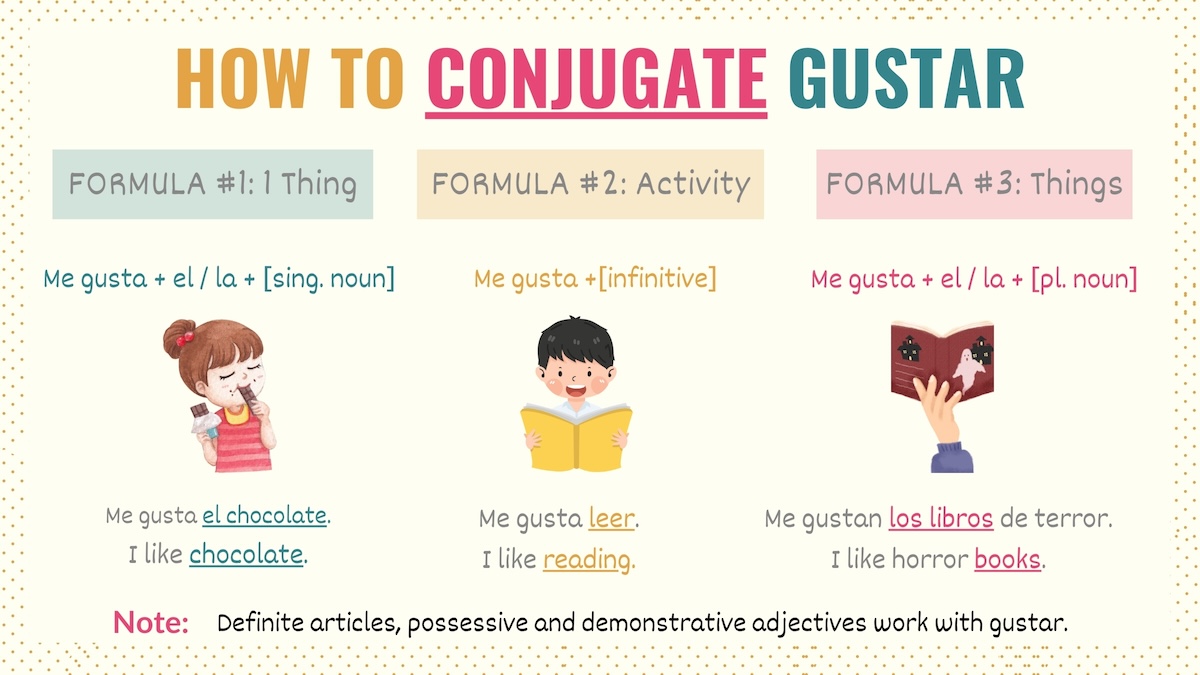
Marketing campaigns can explicitly or implicitly weave “gusto” into their narratives. Ad copy can focus on the gusto of consuming a product, emphasizing the pleasure it brings. Slogans might highlight personal preference: “Elige tu gusto” (Choose your taste/preference) empowers the consumer and acknowledges their individual discernment. Visuals can depict people enjoying themselves, clearly experiencing gusto through the product or service.
This approach moves beyond merely listing features and benefits, instead focusing on the emotional rewards and personal satisfaction. A dessert brand might show families sharing joyous moments around their product, associating it directly with gusto and togetherness. A travel agency might use imagery of breathtaking landscapes and happy travelers, promising experiences filled with mucho gusto. By framing the product as a source of genuine pleasure and satisfaction, brands can tap into core human desires and create more compelling, emotionally resonant campaigns. The language used should evoke a sense of delight and fulfillment, appealing directly to the consumer’s desire for positive experiences.
Building Brand Loyalty through Shared Enjoyment and Cultural Affinity
Brands can foster loyalty by aligning themselves with the cultural value placed on enjoyment and good taste. This means more than just speaking Spanish; it means understanding the cultural context in which gusto operates. Running campaigns that celebrate shared cultural moments or traditions where gusto plays a role—like family meals, festive gatherings, or artistic expressions—can create powerful bonds.
For example, a beverage company sponsoring a local music festival known for its vibrant atmosphere and joyful crowds could frame its involvement as enhancing the gusto of the event. By demonstrating an understanding and appreciation for the cultural dimensions of pleasure and good taste, brands position themselves not just as providers, but as cultural contributors. This creates a sense of belonging and affinity, transforming customers into a community united by shared “gusto” and positive experiences. It’s about becoming part of the cultural fabric, rather than an external entity, and building a relationship based on mutual appreciation and enjoyment.
The Role of Visuals and Sensory Branding
Given that “gusto” is often tied to sensory experience, visual and sensory branding elements are crucial. Packaging design for food products should evoke a delicious “gusto” through vibrant colors, appetizing imagery, and inviting textures. Advertising visuals should capture moments of genuine enjoyment and satisfaction. For retail environments, creating an ambiance that appeals to the senses—pleasant aromas, engaging music, comfortable lighting—can significantly enhance the customer’s gusto experience.
Digital platforms also play a role; a website’s user experience (UX) design can be crafted to be intuitive and pleasing, embodying buen gusto in its functionality and aesthetics. The goal is to create a holistic sensory experience that consistently reinforces the brand’s promise of quality, pleasure, and authentic passion. This comprehensive approach to branding ensures that the message of “gusto” is conveyed not just through words, but through every interaction a customer has with the brand, solidifying its place in their minds as a source of positive feelings and experiences.
Personal Branding with “Gusto”: Infusing Authenticity and Appeal
The principles of “gusto” extend beyond corporate entities to the realm of personal branding. Individuals, entrepreneurs, and professionals can leverage the multifaceted meaning of this word to cultivate a distinctive and appealing personal brand identity.
Developing a “Taste” and Expertise for Your Niche
For personal brands, cultivating “buen gusto” translates to developing a unique style, a refined perspective, or a specialized area of deep knowledge within one’s niche. It’s about being a discerning expert, someone whose opinions and recommendations carry weight because they demonstrate superior judgment and an understanding of what truly constitutes quality. Whether it’s a fashion influencer known for impeccable style, a chef celebrated for innovative culinary gusto, or a consultant recognized for their insightful problem-solving, possessing “good taste” in one’s field sets a personal brand apart.
This involves curating one’s content, selecting collaborations carefully, and presenting information in a manner that reflects sophistication and thoughtfulness. A personal brand with buen gusto becomes a trusted curator for their audience, guiding them towards what is truly valuable and aesthetically pleasing within their domain. This fosters respect and admiration, making the individual a go-to source in their industry.
Demonstrating “Enthusiasm” and Passion in Your Professional Persona
A personal brand that radiates “gusto” also showcases genuine enthusiasm and passion for their work. This isn’t merely about being energetic; it’s about conveying a deep love and commitment to one’s craft that is infectious and inspiring. An educator who teaches with gusto inspires their students. A speaker who presents with gusto captivates their audience.
This passion translates into authenticity and relatability. When an individual genuinely enjoys what they do, it shines through their communication, their work ethic, and their interactions. It makes them approachable and charismatic, attracting others who are drawn to their positive energy and dedication. For professionals, this means actively demonstrating excitement for new projects, sharing insights with zeal, and engaging with their community with a sense of genuine joy and curiosity. It transforms a personal brand from being merely competent to being truly compelling and memorable.
Cultivating a Memorable and Relatable Personal Brand Identity
By merging the concepts of “good taste” (expertise and discernment) with “enthusiasm” (passion and authenticity), individuals can forge a personal brand identity that is both memorable and highly relatable. A personal brand infused with “gusto” is not just knowledgeable; it’s engaging, inspiring, and a pleasure to interact with. It suggests a professional who approaches their work with joy, delivers with quality, and values genuine connection.
This holistic approach to personal branding creates a powerful narrative. It positions the individual as someone who not only excels in their field but also enjoys the journey, bringing a positive and discerning spirit to every endeavor. Such a personal brand stands out in a crowded digital landscape, attracting opportunities and fostering a loyal community around a persona that embodies expertise, passion, and genuine enjoyment of their craft.
Case Studies: Brands and the Power of “Gusto”
Examining how brands have either successfully embraced or inadvertently missed the nuances of “gusto” provides valuable lessons for strategic branding.
Success Stories: Brands That Mastered Cultural Nuance
Consider hypothetical examples where brands have effectively leveraged the multi-layered meaning of “gusto.” A premium Spanish olive oil brand, perhaps named “El Gusto Dorado” (The Golden Taste/Pleasure), could emphasize not just the literal taste of its oil but the tradition, the quality, and the sheer pleasure of a Mediterranean culinary experience. Its marketing would showcase not just food, but lifestyle—families gathering, enjoying meals, experiencing gusto in every drop. The packaging would reflect buen gusto in design, signaling a discerning choice for consumers.
Another example could be a Latin American coffee chain. Instead of just focusing on the coffee itself, they might build their brand around “Tu Momento de Gusto” (Your Moment of Pleasure/Enjoyment), emphasizing the ritual, the community, and the personal satisfaction derived from a coffee break. Their stores might be designed to create a welcoming ambiance, appealing to the aesthetic gusto of their clientele, making each visit a small indulgence. These brands succeed by understanding that “gusto” is a feeling, an experience, and a cultural value, not just a descriptor.

Learning from Missteps: The Perils of Generic Translation
Conversely, brands that fail to grasp the deeper cultural meanings of words like “gusto” often fall short. A common pitfall is the reliance on generic, direct translations without local market testing or cultural sensitivity. Imagine a fast-food chain trying to market a new product under a name like “Extreme Gusto” (Extreme Taste) in a Spanish-speaking market. While aiming for “extreme flavor,” the phrasing might sound awkward or even slightly boastful without the intended nuance of refined pleasure or passionate enjoyment. It might simply come across as a literal, uninspired translation that lacks the organic flow and cultural resonance that consumers expect.
Such missteps highlight the danger of treating language as a mere tool for information exchange rather than a vessel for cultural meaning. A brand that doesn’t resonate culturally risks alienating its target audience, being perceived as inauthentic, or simply failing to connect on an emotional level. These instances underscore the imperative for brands to invest in deep linguistic and cultural analysis, ensuring that their chosen words do not just translate, but truly resonate with the target audience’s inherent “gusto.”
In conclusion, the Spanish word “gusto” offers a potent reminder for brands operating in a globalized world: language is far more than a communication tool; it is a gateway to culture, emotion, and deep-seated values. For brand strategists, understanding the multifaceted meanings of “gusto”—from sensory taste and aesthetic preference to personal pleasure and authentic enthusiasm—is not just a linguistic exercise but a fundamental element of building a resonant and successful brand identity. By intentionally infusing their names, products, marketing, and even personal personas with a true understanding of “gusto,” brands can forge deeper connections, cultivate lasting loyalty, and truly delight their Spanish-speaking audiences worldwide. It’s about moving beyond literal translation to truly speak the language of the heart.
aViewFromTheCave is a participant in the Amazon Services LLC Associates Program, an affiliate advertising program designed to provide a means for sites to earn advertising fees by advertising and linking to Amazon.com. Amazon, the Amazon logo, AmazonSupply, and the AmazonSupply logo are trademarks of Amazon.com, Inc. or its affiliates. As an Amazon Associate we earn affiliate commissions from qualifying purchases.