
Alphabet Inc. is more than just the parent company of Google; it is a meticulously crafted corporate entity designed to foster innovation, manage a diverse portfolio of ventures, and strategically position its various brands for long-term success. Born out of a significant restructuring in 2015, Alphabet represents a sophisticated exercise in corporate identity and brand strategy, aiming to provide clarity, focus, and agility to an ever-expanding ecosystem of technological ambition. To understand “who is Alphabet Inc.” is to delve into the strategic thinking behind its creation, its unique approach to brand management, and the overarching identity it seeks to project in the global marketplace. It’s about recognizing the deliberate architecture of a modern conglomerate that operates at the cutting edge of multiple industries, all while attempting to maintain a cohesive yet decentralized brand narrative.

The Genesis of Alphabet: A Branding Evolution
The formation of Alphabet Inc. in August 2015 was not merely a cosmetic change but a profound strategic maneuver, fundamentally redefining the corporate identity of one of the world’s most influential technology companies. It marked a critical juncture where the sprawling empire built around Google needed a new framework to manage its complexity and potential.
Beyond Google: The Need for Restructuring
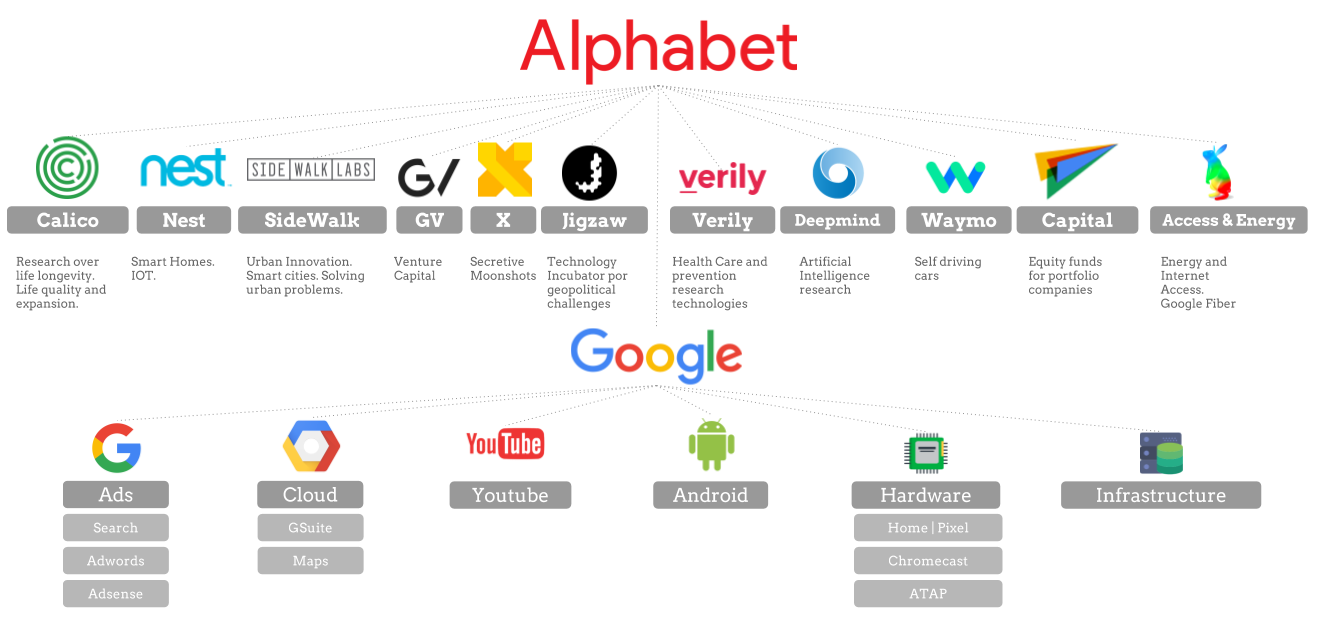
By the mid-2010s, Google had grown far beyond its origins as a search engine company. Its portfolio included Android, YouTube, Chrome, Google Maps, and a host of emerging “moonshot” projects like Waymo (self-driving cars), Verily (life sciences), and Calico (biotechnology). This diversification, while a testament to Google’s innovative spirit, presented significant challenges to its corporate identity and brand perception. The “Google” brand, synonymous with search and advertising, was becoming stretched thin, struggling to encompass everything from internet services to medical research. Investors and the public alike often found it difficult to understand the rationale behind these seemingly disparate ventures under a single corporate umbrella. Larry Page and Sergey Brin, Google’s founders, recognized that this dilution of the core Google brand could hinder both focus and external understanding of their diverse ambitions. The need for a new structure became imperative to allow each venture to thrive independently while still benefiting from shared resources and oversight.
Defining a New Corporate Identity
The solution was Alphabet Inc., a name chosen to symbolize the collection of “letters” (companies) that make up its diverse portfolio, and also referencing “alpha-bet,” indicating a “bet on alpha” or above-market returns. This new corporate identity aimed to achieve several strategic objectives. Firstly, it allowed the core Google services – search, advertising, YouTube, Android, Chrome, and Maps – to remain under the strong, familiar Google brand, which would now operate as Alphabet’s largest subsidiary. This preserved the focus and perceived value of Google’s cash-cow businesses. Secondly, it created a clear distinction for the “Other Bets,” allowing them to develop their own identities, cultures, and business models without the immediate pressure of being directly associated with Google’s core financial performance or brand expectations. This rebranding was about creating clarity and allowing for the independent growth of nascent yet potentially transformative businesses.
Strategic Intent: Focus and Agility
The restructuring into Alphabet Inc. was a masterstroke in strategic branding, fostering both focus and agility. By separating the various ventures, Alphabet empowered each subsidiary to concentrate on its specific mission without being diluted by the vastness of the former Google conglomerate. This decentralization was intended to mimic the dynamism of smaller, more agile startups, allowing them to innovate faster and respond to market changes more effectively. For instance, Waymo could pursue autonomous vehicle technology with its own brand, mission, and operational structure, distinct from Google’s advertising business. This organizational clarity also served to enhance transparency for investors, providing a clearer view into the performance and potential of each segment. The overarching Alphabet brand, therefore, became an identity of strategic oversight, resource allocation, and a shared commitment to radical innovation, rather than a monolithic product brand.
A Portfolio of Innovation: Managing Diverse Brands
Alphabet Inc.’s corporate structure is a testament to its unique approach to brand management: a decentralized portfolio where distinct entities thrive under a common ethos. This model allows for both independent brand development and strategic synergy across a vast landscape of technological innovation.
The Google Powerhouse
At the heart of the Alphabet ecosystem lies Google, the behemoth subsidiary that continues to be the primary engine of revenue and innovation. Under Alphabet, the Google brand was refocused to encompass its core suite of internet services, including Search, Ads, Android, Chrome, YouTube, Google Maps, and Google Cloud. This strategic narrowing of scope allowed the Google brand to reinforce its strengths as the leading provider of internet-related products and services, fostering a perception of singular focus and excellence in its core competencies. The decision to keep these high-performing, interconnected services under the Google brand was crucial. It leveraged existing brand equity, user loyalty, and market dominance, ensuring that Alphabet’s financial stability remained anchored in a globally recognized and trusted name. This powerhouse brand acts as both a foundation and a benchmark for the entire Alphabet family.
The ‘Other Bets’: Pioneering New Frontiers
Beyond Google, Alphabet’s portfolio comprises a diverse collection of subsidiaries known collectively as the “Other Bets.” These ventures represent Alphabet’s commitment to pushing the boundaries of technology and tackling ambitious, long-term challenges in various industries. Brands like Waymo (self-driving technology), Verily and Calico (life sciences and health tech), Wing (drone delivery), and DeepMind (artificial intelligence) operate as distinct companies with their own leadership, missions, and brand identities. This decentralization allows these ‘Other Bets’ to cultivate unique brand narratives that resonate within their specific industries, free from the broad consumer associations of the Google brand. For example, Verily’s brand messaging focuses on precision health and scientific rigor, appealing to medical professionals and researchers, a distinct audience from Google’s general consumer base. This strategy enables specialized market penetration and brand building within niche, high-growth sectors.
Synergy and Autonomy within the Portfolio
While each ‘Other Bet’ enjoys significant operational autonomy and distinct brand identities, Alphabet Inc. as the parent company facilitates strategic synergies where appropriate. This balance of autonomy and collaboration is a hallmark of Alphabet’s brand management strategy. For instance, technologies developed by DeepMind, an AI research company, can be integrated into Google products, enhancing their capabilities. Similarly, infrastructure and expertise from Google Cloud might support the data needs of Verily or Waymo. Alphabet’s role is to provide central oversight, capital allocation, and a shared set of values and strategic direction, ensuring that while the individual brands may differ vastly, they are all working towards the broader vision of “organizing the world’s information and making it universally accessible and useful,” or pushing the boundaries of what’s possible. This selective integration allows for efficiency and shared learning without diluting the unique brand propositions of the individual entities.
The Alphabet Inc. Identity: Corporate Strategy and Values
The identity of Alphabet Inc. as a parent company is distinct from that of its subsidiaries. It represents an overarching corporate strategy, a set of shared values, and a commitment to a particular vision that binds its diverse portfolio together, shaping both its internal culture and external perception.
Vision and Mission of the Parent Company
Alphabet Inc.’s corporate identity is rooted in a vision that extends beyond specific products or services: to make the world’s information universally accessible and useful, and to tackle significant global challenges through technology. While Google carries much of this mission in its day-to-day operations, Alphabet’s role is to ensure this vision permeates all its ventures, albeit in different manifestations. Its mission is to be the “alphabet” from which innovation is spelled, providing the structure and resources for groundbreaking ideas to flourish. This includes fostering an environment where bold, long-term bets are encouraged, even if they carry significant risk. The brand messaging for Alphabet itself often emphasizes innovation, ambition, and a long-term perspective on problem-solving, appealing to investors and strategic partners who understand the value of patient capital and audacious goals.
Cultural Integration and Brand Messaging
Despite the decentralized nature of its brand portfolio, Alphabet strives for a degree of cultural integration across its subsidiaries. This means fostering common values such as innovation, intellectual curiosity, problem-solving, and a commitment to user focus (or “moonshot” thinking for its ‘Other Bets’). While individual companies within Alphabet maintain their unique sub-cultures, there is an underlying current of shared principles. Alphabet’s brand messaging, often communicated through its annual reports, investor calls, and corporate communications, reinforces this blend of autonomy and shared purpose. It aims to present Alphabet as a responsible, forward-thinking corporate citizen that is investing in the future of humanity, not just in its bottom line. This careful cultivation of a meta-brand identity helps attract top talent to all its ventures and builds trust with stakeholders who seek to understand the conglomerate’s broader impact.
Impact on External Perception and Investor Relations
The formation of Alphabet Inc. had a significant impact on external perception, particularly among investors. Prior to 2015, Google’s “moonshot” projects were often viewed as a drag on its core business, leading to questions about capital allocation and focus. By establishing Alphabet, the company created a transparent structure that allowed investors to differentiate between the highly profitable core Google business and the higher-risk, longer-term “Other Bets.” This improved financial reporting and clarity significantly enhanced investor relations, giving the market a better understanding of the value and potential of each segment. The Alphabet brand thus became synonymous with strategic clarity, responsible governance, and a commitment to both present-day profitability and future-oriented growth. It transformed how analysts and shareholders evaluated the company, shifting the narrative from a single, sprawling tech giant to a diversified holding company with a clear strategic framework for innovation and value creation.
Challenges and Future of the Alphabet Brand
Managing a conglomerate as vast and diverse as Alphabet Inc. presents ongoing brand challenges, even with its strategic structure. The future success of the Alphabet brand depends on its ability to navigate these complexities while continuing to innovate and evolve.
Balancing Centralization and Decentralization
One of Alphabet’s perpetual branding challenges lies in maintaining the delicate balance between centralization and decentralization. While the model allows for individual brands to flourish, it also requires strategic oversight from the parent company to ensure alignment with overarching goals and values. Too much centralization could stifle the agility and distinct identity of the ‘Other Bets,’ leading to the very issues that necessitated Alphabet’s creation. Conversely, too much decentralization risks a fragmented corporate identity, where the synergies and shared resources that justify the conglomerate’s existence become less apparent. The Alphabet brand must continuously articulate its role as a strategic enabler – a wise investor and mentor, rather than a demanding overlord. This balancing act impacts everything from resource allocation and shared technology platforms to overall reputation management.
Maintaining Brand Cohesion and Reputation
Despite the distinct identities of its subsidiaries, the reputation of Alphabet Inc. is intrinsically linked to the performance and public perception of all its parts, particularly Google. Any significant misstep by a subsidiary can cast a shadow over the entire Alphabet brand. For instance, regulatory scrutiny faced by Google regarding antitrust issues or data privacy concerns inevitably reflects on Alphabet Inc. as a whole. The challenge is to maintain a cohesive corporate reputation that encompasses a wide array of sometimes controversial ventures, from AI ethics to autonomous vehicle safety. Alphabet must consistently communicate its commitment to ethical innovation, user privacy, and social responsibility across all its brands to build and sustain trust. This requires a robust internal communications strategy and a clear public relations framework that can address issues proactively and maintain a consistent, positive brand narrative across its diverse operations.
Adapting to a Shifting Global Landscape
The technology landscape is in constant flux, shaped by geopolitical tensions, evolving regulatory environments, and rapid technological advancements (e.g., the rise of generative AI). For Alphabet Inc., this means its corporate brand strategy must be adaptable and forward-looking. As new technologies emerge, Alphabet must decide whether to integrate them into existing brands, create new ‘Other Bets,’ or divest. Each decision has significant branding implications. Furthermore, operating globally requires navigating diverse cultural norms and regulatory frameworks, which can impact how individual brands are perceived in different markets. The Alphabet brand’s future success will depend on its ability to demonstrate leadership and resilience in the face of these external pressures, continuously reinforcing its identity as a progressive, responsible, and enduring force in global innovation. This includes making difficult strategic choices about which ventures to continue funding and which to wind down, ensuring that its brand portfolio remains strategically relevant and financially viable.
In conclusion, “who is Alphabet Inc.” reveals a sophisticated corporate entity born out of a strategic imperative to redefine and optimize one of the world’s most dynamic tech empires. Its identity is not merely a collection of brands but a carefully constructed framework designed to foster innovation, provide clarity, and ensure long-term value creation. Alphabet is the strategic architect, the patient investor, and the umbrella under which ambitious, world-changing ideas are given the space to grow, each contributing to a collective vision of a technologically advanced and increasingly interconnected future. Its brand is a testament to the power of strategic restructuring in managing complexity and shaping perception in the modern corporate landscape.
aViewFromTheCave is a participant in the Amazon Services LLC Associates Program, an affiliate advertising program designed to provide a means for sites to earn advertising fees by advertising and linking to Amazon.com. Amazon, the Amazon logo, AmazonSupply, and the AmazonSupply logo are trademarks of Amazon.com, Inc. or its affiliates. As an Amazon Associate we earn affiliate commissions from qualifying purchases.