
For travelers considering Chattanooga, Tennessee, understanding the airlines that serve Chattanooga Metropolitan Airport (CHA) is not merely about logistics; it’s a critical component of shrewd financial planning. The choice of airline, the class of service, and the structure of fees all have direct implications for a traveler’s budget and, collectively, impact the broader economic health of the region. This exploration delves into the financial considerations surrounding air travel to and from Chattanooga, offering insights for both personal finance and the local economy.
Navigating Your Travel Budget to Chattanooga
The primary decision in air travel often boils down to cost, which is heavily influenced by the type of airline chosen and its specific pricing model. Travelers to Chattanooga have options that typically include major legacy carriers offering connectivity and budget airlines focused on point-to-point leisure travel.
Major Carriers vs. Budget Airlines: A Financial Comparison
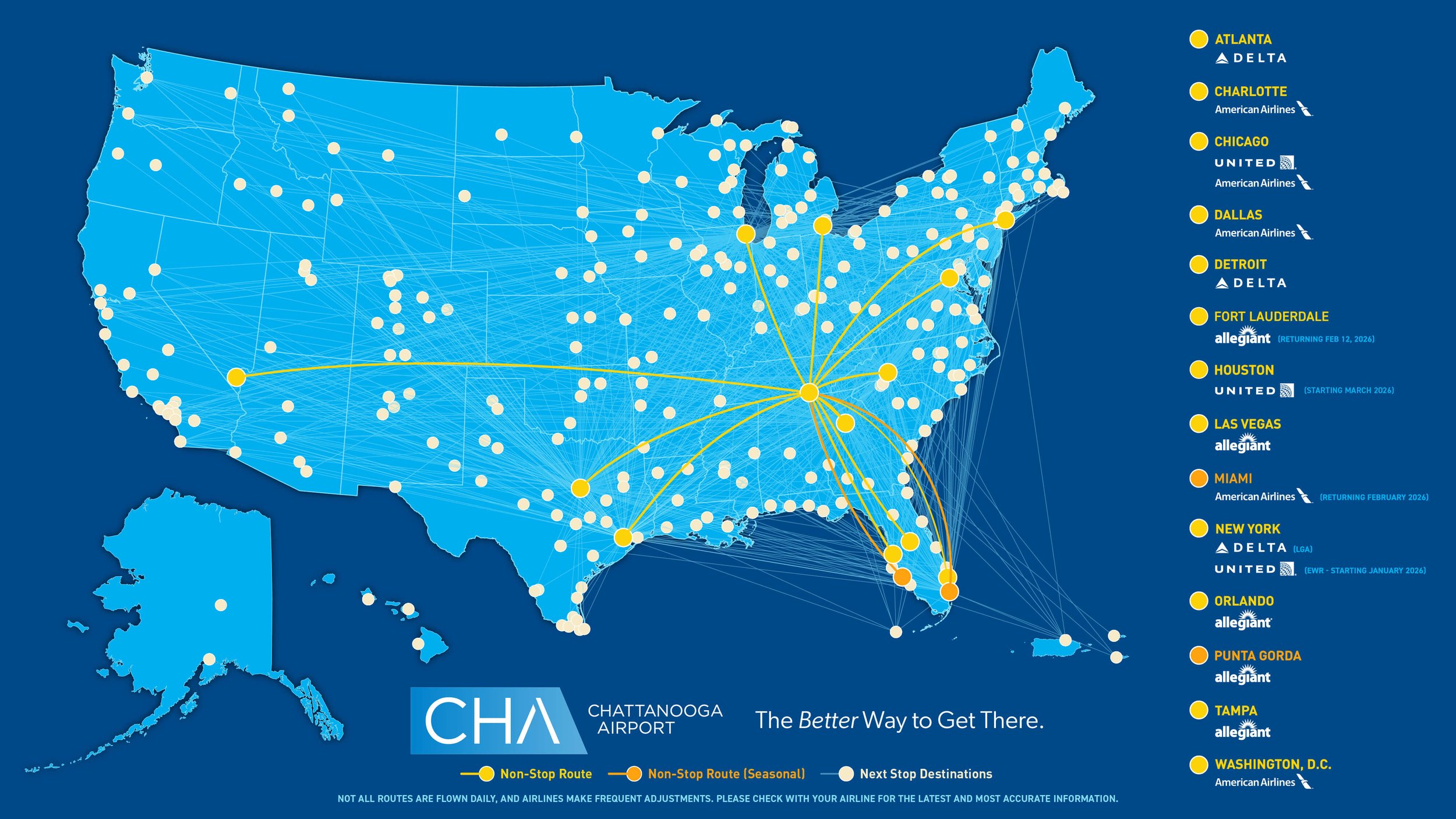
Chattanooga is typically served by a mix of major U.S. airlines and increasingly, by budget-friendly carriers. Traditionally, major airlines like Delta Air Lines, American Airlines, and United Airlines (often through their regional partners such as Delta Connection, American Eagle, and United Express) provide essential connectivity. These carriers often fly into major hubs, offering a vast network for onward travel. Their business model often includes a higher base fare but may bundle certain services, such as a carry-on bag or seat selection, into the initial price. Loyalty programs associated with these carriers also offer significant financial value to frequent flyers, allowing for accumulation of miles for future travel, upgrades, and other perks that translate into tangible savings.
In contrast, budget airlines such as Allegiant Air and Breeze Airways have carved out a niche by offering lower base fares, often for direct flights to specific leisure destinations or secondary airports. Their financial strategy relies heavily on an “unbundled” pricing model. This means that while the initial ticket price might appear significantly lower, nearly every additional service—from checked bags and carry-on luggage to seat selection and even printing a boarding pass at the airport—incurs an extra fee. For financially savvy travelers, the key is to meticulously calculate the “true cost” of a budget airline ticket by itemizing all anticipated ancillary fees against the potentially higher, but more inclusive, base fare of a major carrier. For instance, a family of four traveling with luggage could find the cumulative ancillary fees on a budget airline easily surpassing the cost savings from the lower base fare, making a legacy carrier a more cost-effective option in reality.
Understanding Ancillary Fees and Their Impact on Your Wallet
Ancillary fees represent a significant revenue stream for airlines, particularly for budget carriers. These fees can dramatically inflate the final cost of a flight if not accounted for during the budgeting phase. Common ancillary charges include:
- Baggage Fees: Checked bags are almost universally charged for on budget airlines, and often on basic economy fares for major carriers. Even carry-on bags can incur a fee with some budget airlines, effectively eliminating the perceived savings of a low base fare.
- Seat Selection Fees: The privilege of choosing your seat, especially for aisle or window preferences, or for seats with extra legroom, comes at an additional cost across most airlines.
- Priority Boarding: While seemingly minor, paying for priority boarding can add up, especially for groups.
- Change and Cancellation Fees: While policies have become more flexible post-pandemic, understanding the financial implications of modifying or canceling a flight is crucial. Basic economy fares often have stringent non-refundable or non-changeable conditions, representing a financial risk if plans are uncertain.
- In-flight Services: Snacks, beverages, and entertainment often come with a price tag, particularly on shorter domestic flights or budget airlines.
To mitigate the financial impact of these fees, travelers should thoroughly review each airline’s specific fee structure before booking. Utilizing online fare calculators that factor in baggage and other common fees can provide a more accurate financial comparison. For frequent travelers, considering an airline-branded credit card might offset some of these costs through perks like a free checked bag or priority boarding, effectively turning an annual fee into a financial saving.
The Financial Landscape of Chattanooga’s Air Travel
Beyond individual budgets, the array of airlines serving Chattanooga plays a pivotal role in the region’s economic vitality. Air service is a direct artery for commerce, tourism, and talent acquisition, all contributing to the local financial ecosystem.
Economic Impact of Airline Routes
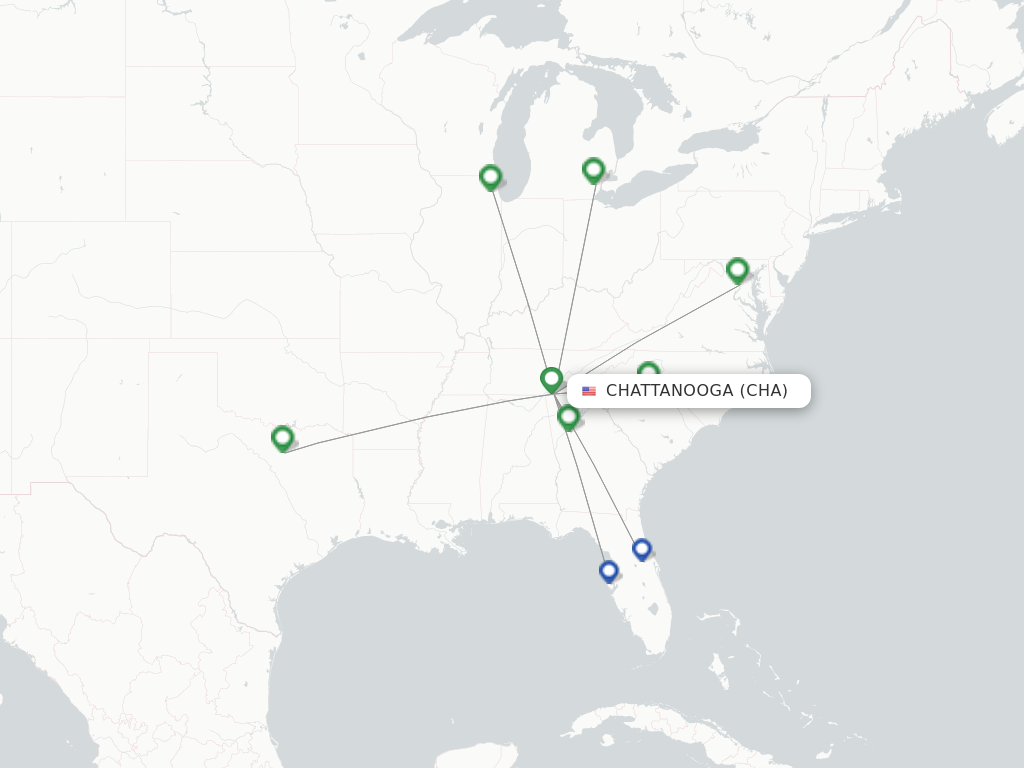
Each airline route into Chattanooga represents a direct financial infusion into the local economy. Major carriers, by connecting Chattanooga to key hubs, facilitate business travel, enabling companies to expand their reach and attract investment. This connectivity is crucial for industries requiring frequent travel for sales, client meetings, or executive oversight. The expansion of such routes can lead to increased corporate presence, job creation, and a boost in local tax revenues.
Budget carriers, while often focused on leisure travel, also contribute significantly. Direct flights to popular vacation destinations attract tourists to Chattanooga, supporting local hotels, restaurants, attractions, and retail businesses. This influx of tourism dollars stimulates the service industry, creating jobs and circulating money within the community. The presence of diverse airlines encourages competition, which can lead to more competitive fares, making Chattanooga a more attractive and financially accessible destination for both business and leisure travelers, thereby amplifying its economic impact. Airport operations themselves create direct and indirect jobs, from ground staff to air traffic controllers, further bolstering local employment figures.
Passenger Traffic and Its Financial Significance
The volume of passenger traffic through Chattanooga Metropolitan Airport is a key financial indicator for the airport authority and the city itself. Higher passenger numbers directly translate into increased revenue from landing fees, terminal rentals from airlines, parking fees, and concession sales (food, beverage, retail). These revenues are crucial for the airport’s financial self-sufficiency, enabling investments in infrastructure improvements, technology upgrades, and enhanced services that further attract airlines and passengers.
Consistent and growing passenger traffic incentivizes airlines to maintain existing routes and consider adding new ones, recognizing a viable market. This creates a virtuous cycle: more routes mean more options for travelers, potentially lower fares due to competition, and increased accessibility to Chattanooga. For local businesses, a steady stream of arriving passengers signifies a reliable customer base, supporting their financial stability and growth. Hotels experience higher occupancy rates, restaurants see increased patronage, and local attractions benefit from ticket sales, all contributing to the city’s overall financial prosperity.
Smart Financial Planning for Flights to Chattanooga
Optimizing the cost of air travel requires a proactive and informed approach. Leveraging available financial tools and understanding reward systems can yield significant savings for individuals and businesses alike.
Leveraging Financial Tools for Best Flight Deals
In the digital age, a plethora of financial tools exist to help travelers secure the most advantageous flight deals to Chattanooga. Flight comparison websites such as Google Flights, Skyscanner, Kayak, and Expedia aggregate fares from numerous airlines and online travel agencies, allowing for a comprehensive financial overview of available options. These platforms enable users to:
- Set Fare Alerts: By tracking prices for specific routes, users receive notifications when fares drop, allowing them to capitalize on financial opportunities.
- Utilize Flexible Date Searches: Often, shifting travel dates by just a day or two can result in substantial savings. These tools highlight the cheapest days to fly, providing valuable financial insight.
- Analyze Price Trends: Some platforms offer historical price data, helping travelers understand if current fares are high or low relative to past averages, informing booking decisions.
- Consider Nearby Airports: While not directly for Chattanooga, sometimes flying into a larger hub like Atlanta (ATL) and driving can be financially advantageous, though ground transportation costs must be factored in.
Additionally, understanding dynamic pricing strategies employed by airlines is key. Using incognito or private browsing modes when searching for flights can sometimes prevent websites from tracking your searches and potentially inflating prices based on perceived demand. Booking at optimal times, often Tuesday or Wednesday, when airlines release new sales or match competitors’ prices, can also lead to financial benefits.
Maximizing Loyalty Programs and Travel Rewards
For frequent flyers, loyalty programs and travel rewards credit cards represent powerful financial tools for reducing future travel costs. Airlines operating in Chattanooga, like Delta, American, and United, all have robust loyalty programs (e.g., SkyMiles, AAdvantage, MileagePlus). By consistently flying with one alliance or airline group, travelers can accumulate miles or points that can be redeemed for free flights, upgrades, or other travel perks, effectively lowering future travel expenses. Elite status within these programs can also unlock benefits like complimentary checked bags, priority boarding, lounge access, and fee waivers, all of which translate into tangible financial savings.
Co-branded airline credit cards are another critical financial instrument. These cards often offer substantial sign-up bonuses in the form of miles or points, which can be enough for a round-trip flight to Chattanooga. Ongoing spending on these cards accrues additional miles, and many come with benefits such as annual free checked bags, companion certificates, or priority boarding, providing continuous financial value that can offset the annual fee. Strategically choosing a card whose benefits align with your travel habits can lead to significant financial returns over time, making frequent travel more accessible and less burdensome on the personal budget.
Future Financial Trends in Chattanooga Air Travel
The financial landscape of air travel to Chattanooga is dynamic, influenced by broader economic conditions, shifting consumer preferences, and airline strategy. Looking ahead, several trends are likely to shape the cost and availability of flights.
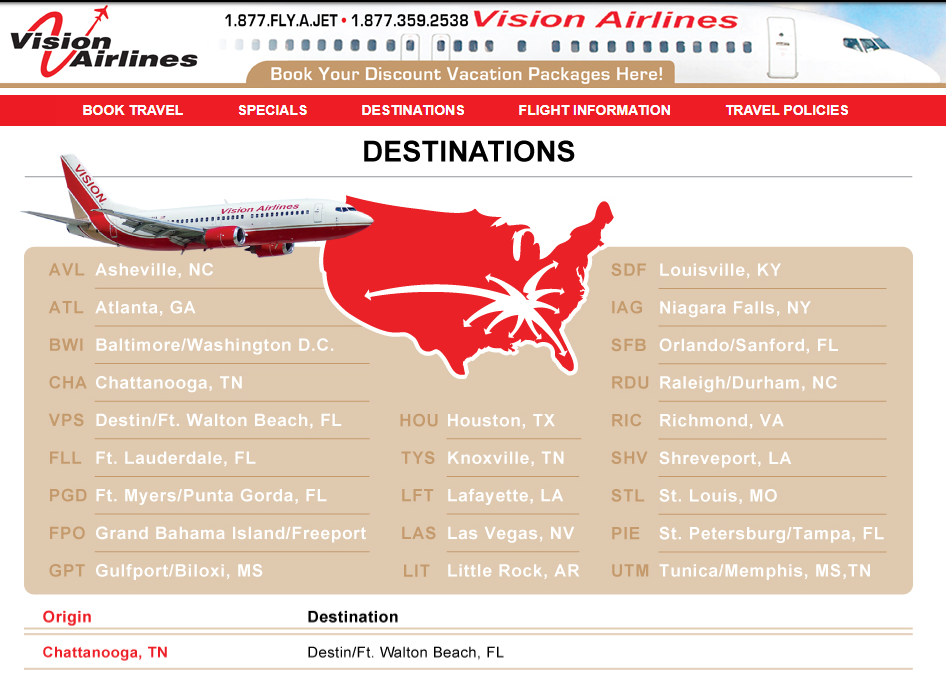
The continued rise of budget airlines, like Breeze Airways, signals a trend towards more direct, point-to-point flights focusing on leisure markets. This could increase competition on specific routes, potentially leading to more attractive fares for consumers. However, it also emphasizes the need for careful financial calculation of ancillary fees. Simultaneously, major airlines will likely continue to optimize their networks, focusing on financially viable routes and potentially adjusting frequencies or aircraft types based on demand and fuel costs.
Investment in airport infrastructure at CHA, driven by increasing passenger volume and a desire to attract more carriers, will also have financial implications. While these investments are crucial for long-term growth and efficiency, they can sometimes lead to increased airport fees for airlines, which may then be passed on to consumers in the form of higher ticket prices. However, a more modern and efficient airport can also attract new routes and larger aircraft, potentially increasing capacity and driving down prices through competition.
Ultimately, the interplay between consumer demand, airline financial models, and regional economic development will dictate the future of air travel to Chattanooga. For travelers and local stakeholders alike, a keen understanding of these financial dynamics remains paramount for making informed decisions and maximizing value.
aViewFromTheCave is a participant in the Amazon Services LLC Associates Program, an affiliate advertising program designed to provide a means for sites to earn advertising fees by advertising and linking to Amazon.com. Amazon, the Amazon logo, AmazonSupply, and the AmazonSupply logo are trademarks of Amazon.com, Inc. or its affiliates. As an Amazon Associate we earn affiliate commissions from qualifying purchases.