
Understanding Your Flight Number and Its Importance
In the intricate world of air travel, a flight number serves as a unique digital identifier, akin to a social security number for a specific flight segment. It’s more than just a sequence of alphanumeric characters; it’s the key to accessing critical information, managing your journey, and staying informed. Understanding where to locate this vital piece of data is fundamental for any modern traveler navigating the digital landscape of aviation.
What is a Flight Number?
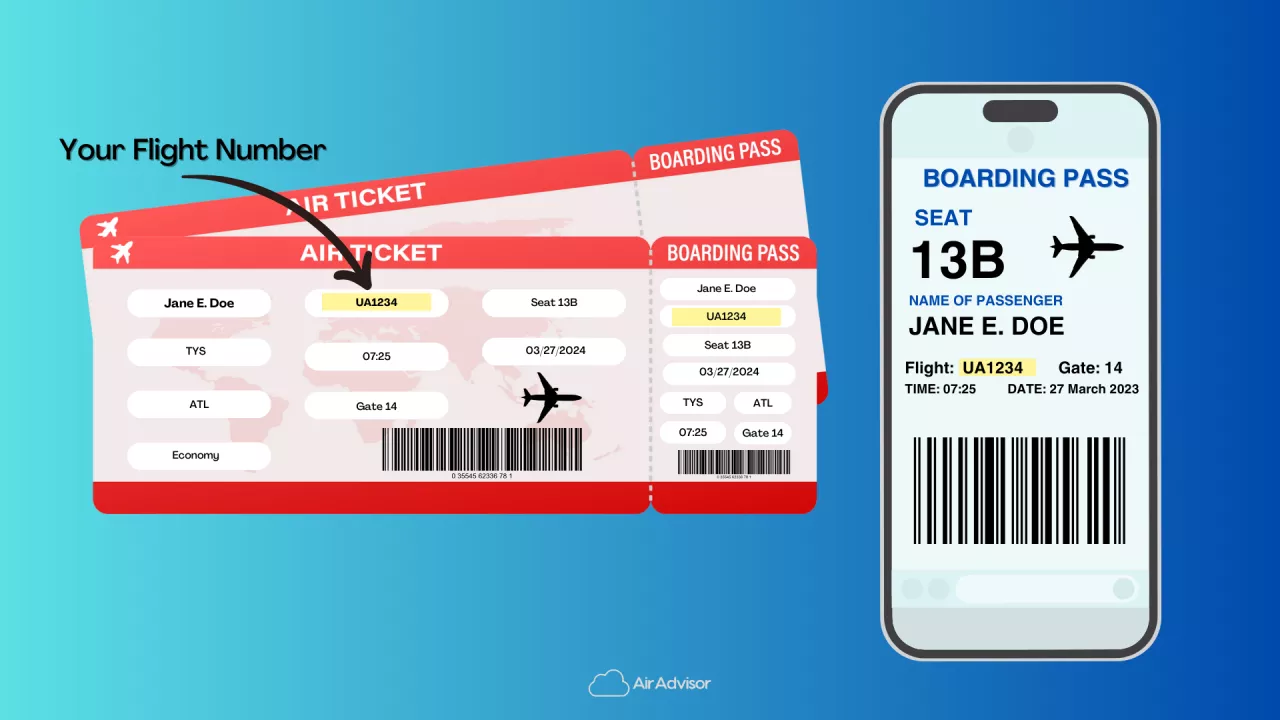
A flight number typically consists of a two-character airline code (an IATA or ICAO code) followed by a one- to four-digit numerical code. For instance, “UA2605” designates a United Airlines flight with the specific number 2605, while “LH455” refers to Lufthansa flight 455. This code precisely identifies a particular flight route, aircraft, and scheduled departure/arrival times on a given day. It remains consistent for that specific flight operation, regardless of the individual passengers on board. This digital fingerprint is crucial for operational planning, air traffic control, and, most importantly, for passengers to track and manage their travel plans.
Why is it Critical?
Your flight number is the linchpin for a multitude of digital interactions and real-world travel processes. Without it, verifying your flight status, completing online check-in, or even locating your gate at the airport becomes significantly more challenging. It’s essential for utilizing flight tracking applications, receiving real-time delay notifications, or connecting with airline customer service regarding a specific journey. Furthermore, it’s the primary reference point for airport staff, immigration officers, and ground transportation services to confirm your travel details, ensuring a smoother, more efficient travel experience driven by digital coordination.
Digital Gateways: The Primary Sources for Your Flight Information
In today’s digitally connected travel ecosystem, locating your flight number is almost always a matter of accessing the right application or online platform. Airlines and booking agencies have invested heavily in digital infrastructure to make this information readily available to passengers, often through multiple redundant channels for convenience and reliability.
Airline Websites and Mobile Apps
The most authoritative and up-to-the-minute source for your flight number, as well as real-time status updates, is almost always the operating airline’s official website or dedicated mobile application. Upon booking, an airline will typically provide a booking reference or PNR (Passenger Name Record), which you can use to retrieve your itinerary. Once logged in or after entering your booking reference, your flight number will be prominently displayed alongside departure/arrival times, gate information, and other pertinent details. Many airline apps also offer push notifications, actively informing you of gate changes, delays, or boarding calls, making them indispensable digital companions for travel. These platforms are designed with intuitive user interfaces, allowing quick access to all aspects of your reservation, including seat selection, meal preferences, and special assistance requests, all anchored by your unique flight identifier.
Online Travel Agencies (OTAs)
If you booked your flight through a third-party online travel agency such as Expedia, Booking.com, Kayak, or Google Flights, your flight number will be included in the booking confirmation provided by the OTA. After completing your purchase, the OTA will send an email confirmation that details your itinerary. Additionally, most OTAs have a “My Trips” or “Manage Booking” section on their websites and within their mobile apps, where you can log in using your account credentials to view your entire booking history, including the flight numbers for all segments of your journey. While OTAs often serve as the initial point of contact for booking, it’s usually advisable to also use the airline’s own digital platforms for the most current operational updates, as these often integrate directly with the airline’s dispatch systems.
Email Confirmations and Digital Itineraries
Virtually every flight booking, regardless of whether it’s direct with an airline or via an OTA, generates an automated email confirmation. This digital document is a treasure trove of your travel information. Within the confirmation email, typically in a clearly formatted section detailing your itinerary, you will find your flight number, alongside the departure and arrival airports, dates, and times. It’s good practice to save these emails or even print them out as a backup, especially when traveling to areas with unreliable internet access. Many modern email clients also integrate travel details, allowing you to quickly add flight information to your digital calendar, further leveraging technology for seamless trip management.
SMS/Text Notifications
As an added layer of digital communication, many airlines and some OTAs offer SMS or text message notifications. If you’ve opted into this service during booking, you might receive a text message containing your flight number shortly after booking, or closer to your departure date. These messages are often used for crucial real-time updates like check-in reminders, gate changes, or significant delays. While a text message might not contain your full itinerary, it serves as a quick and immediate way to retrieve your flight number on the go, making it a valuable tool when you need information at a glance.
Before You Fly: Checking In and Airport Resources
As you approach your travel date and arrive at the airport, several technological touchpoints will reiterate and confirm your flight number, ensuring you’re always aligned with your specific journey.
Digital Check-in Platforms
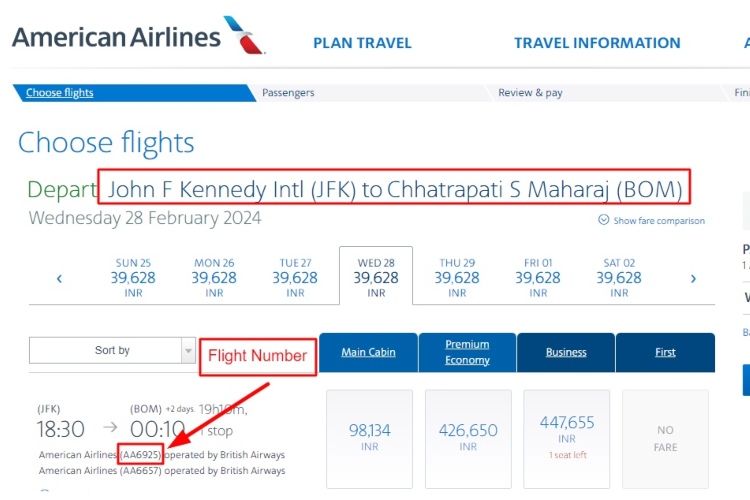
Online and mobile check-in systems are designed to streamline the pre-flight process and are excellent sources for re-confirming your flight number. When you access an airline’s website or app to check in for your flight (typically 24 hours prior to departure), your flight number will be prominently displayed as part of your digital boarding pass and check-in confirmation. This digital process not only verifies your details but also often allows you to select seats, add baggage, and even upgrade, all while keeping your flight number front and center.
Boarding Passes (Digital and Physical)
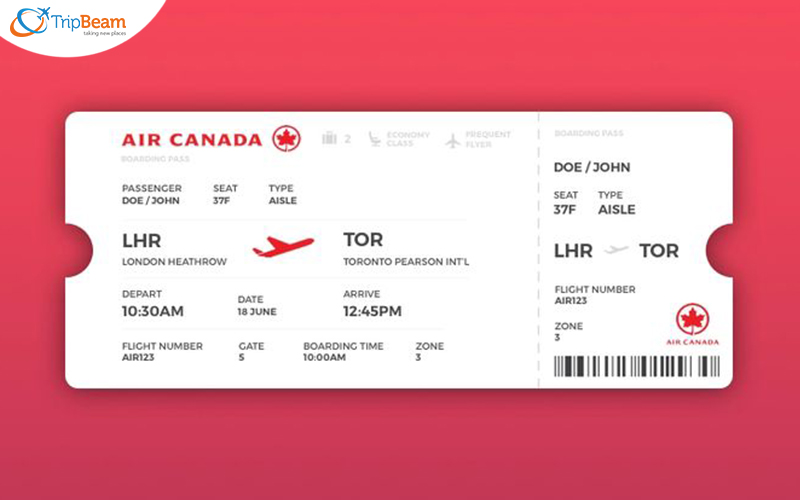
Your boarding pass, whether a digital version on your smartphone or a physical printout, is perhaps the most direct and consistent display of your flight number. On a physical boarding pass, the flight number is usually printed in a larger font near the top, often adjacent to the departure date and time. For digital boarding passes displayed on airline apps or mobile wallets (like Apple Wallet or Google Pay), the flight number is a primary piece of information presented clearly for quick scanning and reference. This digital document acts as your immediate credential for security checks and boarding, making the flight number an indispensable visual identifier.
Airport Information Screens and Airline Kiosks
Upon arrival at the airport, you’ll find an array of digital displays designed to guide passengers. Large Flight Information Display Systems (FIDS) located throughout the terminals, at check-in counters, and near gates, constantly update flight statuses. To find your gate or confirm departure times, you’ll need your flight number to locate your specific entry on these screens. Similarly, self-service check-in kiosks, which are essentially interactive digital terminals, require your flight number (or booking reference) to access your reservation, print boarding passes, or check baggage. These physical tech installations are vital for passengers navigating the complex environment of a busy airport.
Leveraging Digital Tools for Real-time Updates and Tracking
Beyond simply finding your flight number, modern technology offers powerful ways to actively use it for a more informed and controlled travel experience. These tools integrate advanced data analytics and connectivity to provide dynamic updates.
Flight Tracking Apps
Dedicated flight tracking applications like FlightAware, FlightStats, or Google Flights leverage real-time air traffic control data to provide incredibly detailed information about any given flight. By simply inputting your flight number, you can track its exact location on a map, view its estimated time of arrival, check for delays, see its historical performance, and even identify the specific aircraft being used. These apps are indispensable for travelers needing to monitor connecting flights, or for those picking up arriving passengers, transforming your smartphone into a miniature air traffic control center.
Airline Customer Service and Chatbots
When direct communication with an airline is necessary, having your flight number ready is crucial. Most airlines now offer digital customer service channels, including live chat support on their websites or within their apps, and AI-powered chatbots. When engaging with these digital assistants, providing your flight number is often the first step to quickly getting precise information or resolving issues related to your specific journey. These technological interfaces are designed to process requests faster and more efficiently when supplied with accurate identifiers like a flight number.
Smart Assistants and Voice Commands
The convenience of smart home devices and smartphone-based assistants (like Siri, Google Assistant, or Alexa) extends to travel information retrieval. Many of these platforms integrate with flight tracking services. By enabling the relevant skills or linking your travel apps, you can simply ask, “Hey Google, what’s the status of flight UA2605?” or “Siri, where is my Lufthansa flight 455?” and receive an immediate audio update. This hands-free, voice-activated technology provides an effortless way to obtain critical flight information without having to manually navigate apps or websites.
Troubleshooting and Best Practices
Even with abundant digital resources, occasional hiccups can occur. Knowing how to troubleshoot and adopting smart digital habits can save time and reduce stress.
What if You Can’t Find It?
If you’ve scoured all your digital confirmations and still can’t locate your flight number, start by double-checking any junk or spam folders in your email. Sometimes, confirmation emails get misdirected. If that fails, log into the airline’s or OTA’s website using your booking reference (PNR), which should always be present in your initial booking correspondence. As a last resort, contact the airline’s customer service via phone or chat, providing them with your name, date of travel, and destination. Their systems are designed to retrieve your reservation using these details, which will then reveal your flight number.
Double-Checking Your Information
Always verify the flight number, date, and time against your travel plans, especially if you have multiple flights booked. A common mistake is confusing a flight number for a different segment of a multi-leg journey or overlooking a schedule change. Cross-referencing the information across different digital sources (e.g., the airline’s app and your email confirmation) helps confirm accuracy and catch any discrepancies early, preventing potential travel disruptions caused by relying on outdated or incorrect digital data.
Storing Your Flight Details Securely
Given the criticality of your flight number and associated booking details, it’s wise to store this information securely. While email confirmations are digital records, consider adding your flight details to a digital note-taking app, a secure cloud document, or your smartphone’s calendar. Many travel apps also offer robust itinerary management features that consolidate all your flight information in one place. For added security, be mindful of where you display your digital boarding pass, especially the QR code, as it contains sensitive personal data that could be exploited by malicious actors if accessed improperly. Utilizing secure password managers for your airline and OTA accounts further bolsters your digital security posture.
aViewFromTheCave is a participant in the Amazon Services LLC Associates Program, an affiliate advertising program designed to provide a means for sites to earn advertising fees by advertising and linking to Amazon.com. Amazon, the Amazon logo, AmazonSupply, and the AmazonSupply logo are trademarks of Amazon.com, Inc. or its affiliates. As an Amazon Associate we earn affiliate commissions from qualifying purchases.