
Embarking on an international adventure is a dream for many, but the journey often begins with a critical financial decision: booking the flight. Airfare can represent a significant portion of a trip’s overall cost, making the timing of your booking a pivotal factor in your personal finance strategy. In an era of dynamic pricing and complex algorithms, pinpointing the absolute “best” time can feel like searching for a needle in a haystack. However, by understanding the underlying financial mechanics of airline pricing and adopting strategic booking habits, travelers can significantly optimize their expenditures and secure the best possible value for their investment. This article delves into the financial intricacies of international flight bookings, offering insights and actionable strategies to help you save money and travel smarter.
Understanding the Dynamics of Airfare Pricing
Before delving into specific booking windows, it’s crucial to grasp how international flight prices are determined and why they fluctuate so wildly. Airlines operate sophisticated revenue management systems designed to maximize profit, meaning prices are rarely static and are influenced by a multitude of economic and behavioral factors.
The Algorithms Behind Flight Costs
Airlines employ advanced algorithms that analyze vast datasets in real-time. These algorithms consider numerous variables including historical demand for specific routes, current booking trends, competitor pricing, fuel costs, passenger load factors, and even individual user browsing patterns. Prices are dynamically adjusted, sometimes multiple times a day, based on these inputs. This means that two passengers looking at the same flight at different times or from different locations might see different prices. The goal for airlines is to fill as many seats as possible at the highest possible price point for each seat, segmenting their customer base into various fare classes with different restrictions and costs.
Factors Influencing Price Fluctuations
Beyond the algorithms, several broader economic and external factors contribute to price volatility:
- Fuel Costs: Jet fuel is a major operational expense for airlines. Fluctuations in global oil prices directly impact ticket costs.
- Seasonality and Demand: Peak travel seasons (e.g., summer holidays, Christmas, New Year, major festivals) naturally drive up prices due to increased demand. Conversely, shoulder seasons (spring and fall) and off-peak periods often present more affordable options.
- Geopolitical Events and Economic Stability: Global events, political instability, or economic downturns can lead to sudden shifts in travel demand and, consequently, pricing.
- Competition: The number of airlines operating a specific route, and the intensity of their competition, can significantly influence pricing. Routes with more competition often see lower fares.
- Major Events: International sporting events, conferences, or cultural festivals in destination cities can cause spikes in airfare for specific periods.
The “Sweet Spot” Window: A General Guideline
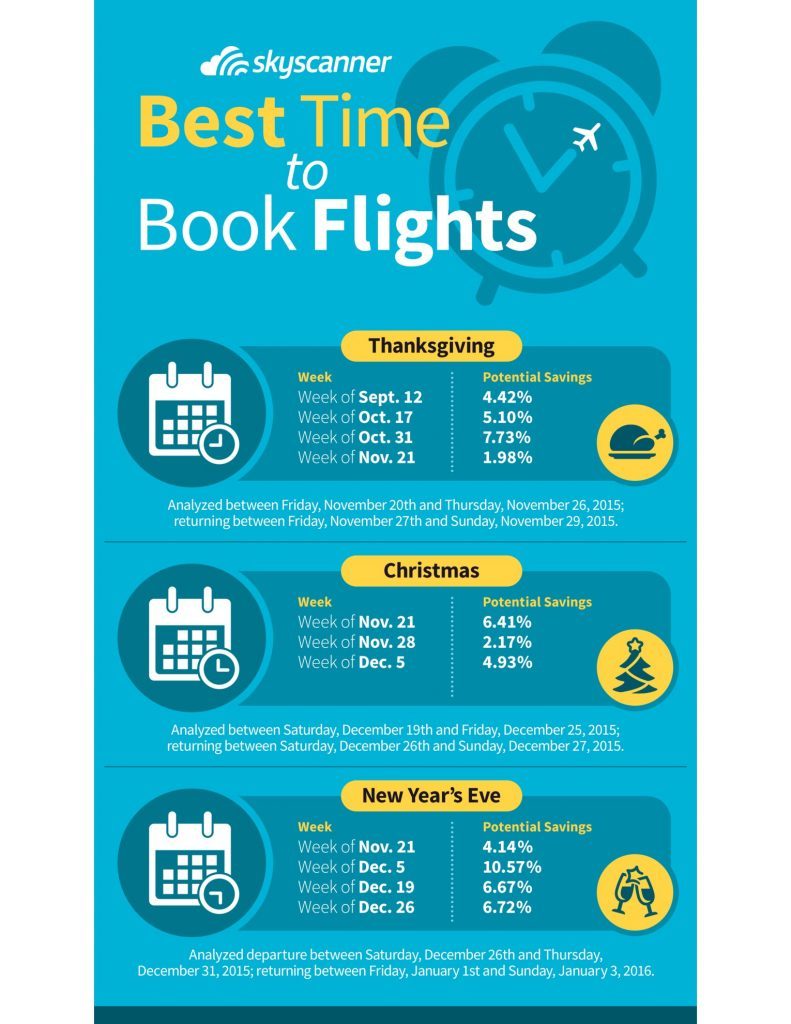
While there’s no single magic number, general wisdom and data analytics suggest an optimal “sweet spot” for booking international flights. This window is typically 3 to 8 months out from your departure date. Within this range, airlines usually have a good understanding of demand, but haven’t yet started to raise prices significantly due to dwindling availability. Booking too early (e.g., more than 8-12 months out) can sometimes lead to higher prices, as airlines initially price conservatively without a clear picture of future demand. Booking too late, on the other hand, almost guarantees paying a premium as fewer seats remain, especially in desirable fare classes.
Strategic Booking Windows for Maximum Savings
Optimizing your flight booking is a financial art form, requiring an understanding of various timing strategies beyond just the general sweet spot.
The Early Bird Advantage (and Disadvantage)
Booking very early, say 9-12 months in advance, offers a distinct advantage in terms of seat availability and choice, especially for popular routes or during peak travel seasons. This can be beneficial for families or groups needing specific seating arrangements. However, financially, it’s not always the most economical choice. Airlines often price flights conservatively far in advance, sometimes higher than what they’ll offer during promotional periods or when more data becomes available closer to the departure date. Moreover, booking too early carries the risk of unforeseen changes to your travel plans, potentially incurring change fees or losing money if you have to cancel a non-refundable ticket.
The Mid-Range Sweet Spot: The “Goldilocks Zone”
For most international travel, the 3 to 6-month window before departure is often cited as the “Goldilocks Zone” – not too early, not too late, but just right for balancing price and availability.
- For Europe and Asia: Many experts suggest aiming for 3 to 6 months out. Prices tend to be stable and competitive during this period.
- For South America, Africa, and Australia/Oceania: Due to longer flight durations and potentially fewer direct routes, stretching this window to 4 to 8 months out can often yield better results, especially for peak seasons.
Within this window, airlines are actively managing inventory. They’ve moved past the initial speculative pricing and are now reacting more directly to demand signals. This is often when promotional fares are introduced to stimulate bookings, and before the crunch of last-minute demand pushes prices sky-high.
Last-Minute Dilemmas: Risks and Rare Rewards
While last-minute deals occasionally surface for domestic flights, they are exceedingly rare and highly risky for international travel. Airlines typically increase prices significantly as the departure date approaches, anticipating that business travelers or those with urgent needs will pay a premium. The few “deals” that do appear are usually for undesirable routes, inconvenient times, or involve multiple long layovers. From a financial perspective, relying on a last-minute international flight deal is a gamble that rarely pays off and is not a sound money management strategy for travel. The financial risk of being stuck with exorbitant fares or no available flights far outweighs the slim chance of a substantial saving.
Leverage Data and Tools for Financial Prudence
In the digital age, travelers have access to a wealth of information and tools that can significantly aid in making financially savvy booking decisions. These tools transform flight booking from a guessing game into a more data-driven strategy.
Price Prediction Tools and Alerts
Modern flight aggregators like Google Flights, Skyscanner, Kayak, and Hopper offer sophisticated price prediction capabilities. They analyze historical price data and current trends to advise whether to book now or wait for a potential price drop. More importantly, they allow you to set up price alerts for specific routes and dates. This is a crucial financial tool: instead of constantly monitoring prices yourself, you receive notifications when fares decrease, enabling you to snap up a deal at its lowest point without investing excessive time. Leveraging these alerts effectively means you’re acting on real-time market opportunities, much like a savvy investor.
Analyzing Historical Price Data
Many of these platforms also provide graphs showing how flight prices have fluctuated over time for a particular route. This historical data is invaluable. By observing past trends, you can identify typical price ranges, understand seasonal peaks and troughs, and gauge whether a current price is truly a good deal or an inflated one. This informs your decision-making, helping you avoid overpaying and recognizing genuine savings opportunities. For example, if a route consistently drops in price around a certain month, you can plan your booking strategy accordingly.
The Flexibility Factor: Maximizing Savings Through Dates and Airports
Financial flexibility is a powerful tool when booking international flights.
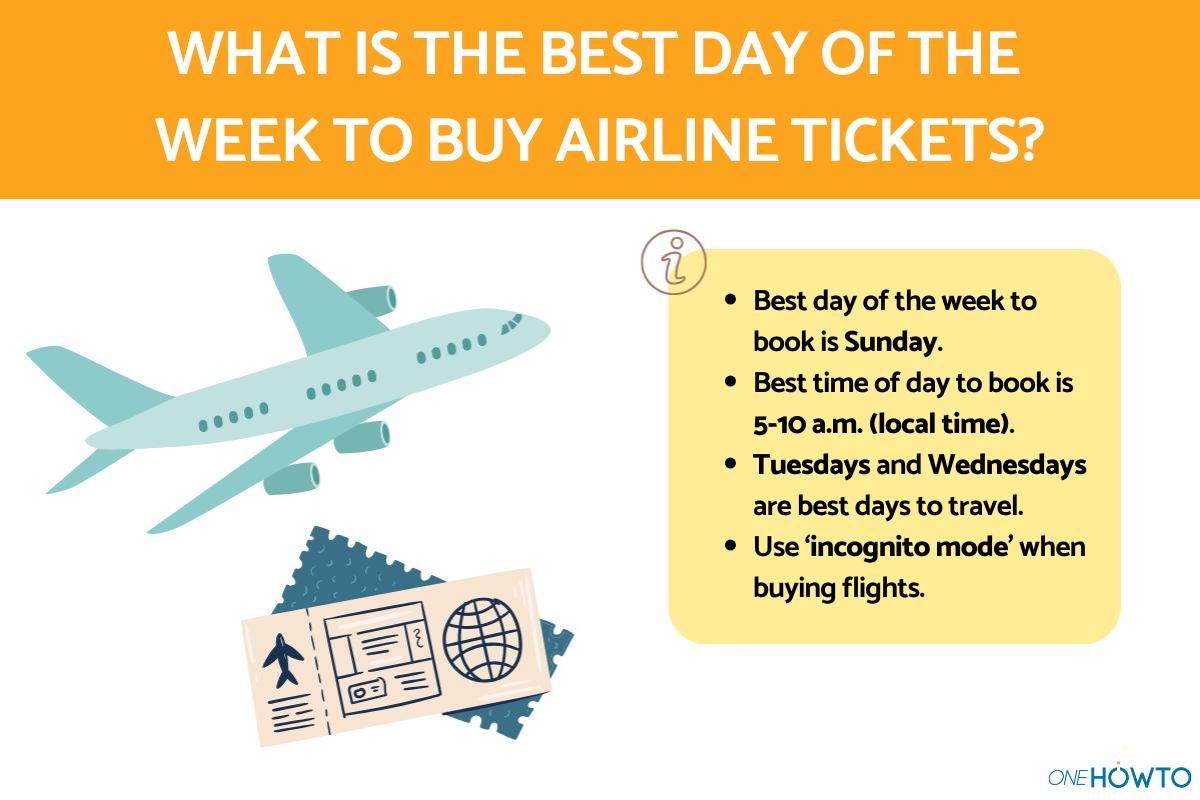
- Flexible Dates: If your travel dates are not set in stone, searching for flights across an entire month (a feature available on Google Flights and Skyscanner) can reveal significant price differences. Flying mid-week (Tuesday to Thursday) is often cheaper than weekend travel. Similarly, opting for shoulder seasons (late spring, early fall) rather than peak summer or winter holidays can dramatically reduce costs.
- Alternative Airports: Consider flying into or out of smaller, less congested airports near your destination, even if it requires an additional short transfer. Sometimes, a slight inconvenience can translate into hundreds of dollars in savings, especially for major international hubs. For instance, flying into London Gatwick instead of Heathrow, or Paris Orly instead of Charles de Gaulle, could offer a better financial return.
Beyond Timing: Additional Financial Strategies for Flight Bookings
While timing is crucial, a holistic financial approach to international flight bookings involves considering several other money-saving tactics.
The Impact of Stopovers and Layovers
Direct flights are convenient but often come at a premium. Opting for flights with one or more layovers can significantly reduce the ticket price. While adding to travel time, the financial savings can be substantial, especially for long-haul international routes. It’s a trade-off between convenience and cost, and for budget-conscious travelers, it’s often a worthwhile compromise. Just ensure the layover times are reasonable and allow enough buffer for potential delays.
Loyalty Programs and Credit Card Rewards
For frequent international travelers, maximizing loyalty programs and travel credit card rewards is a cornerstone of smart financial planning.
- Airline Loyalty Programs: Accumulating miles through an airline’s loyalty program can lead to free flights, upgrades, or discounts. Even if you don’t fly one airline exclusively, many alliances (Star Alliance, SkyTeam, Oneworld) allow you to earn and redeem miles across partner airlines.
- Travel Credit Cards: Many credit cards offer generous sign-up bonuses in points or miles, earn accelerated rewards on travel purchases, and provide perks like free checked bags, lounge access, or travel insurance. Strategically using these cards for everyday spending can accumulate enough rewards to offset significant portions of your flight costs, essentially turning your regular expenses into future travel savings. Always ensure you pay off your balance in full to avoid interest charges that would negate any rewards.
Understanding Fare Classes and Ancillary Fees
When comparing prices, always scrutinize what’s included in the base fare. The lowest advertised price often corresponds to “basic economy” tickets, which come with severe restrictions (no seat selection, no checked baggage, no changes, last to board).
- Ancillary Fees: Be acutely aware of potential extra costs that can quickly erode your savings: checked baggage fees, seat selection charges, in-flight meal costs, or even fees for printing boarding passes at the airport. Factor these into your total cost calculation when comparing different airlines or fare types. Sometimes, a slightly more expensive ticket that includes a checked bag is actually cheaper overall than a basic fare plus a separate baggage fee.
- Fare Classes: Familiarize yourself with different fare classes and their associated benefits/restrictions. A slightly higher fare might offer more flexibility or amenities that prove more valuable in the long run.
Navigating Market Volatility and Unforeseen Circumstances
Even with the best planning, international travel can be subject to unpredictable events. Financial preparedness for these eventualities is as important as finding the best initial price.
The Role of Travel Insurance
Travel insurance is a critical financial safeguard for international flights, especially for expensive, non-refundable tickets. It protects your investment against a range of unforeseen circumstances: trip cancellation or interruption due to illness, injury, or family emergency; lost or delayed baggage; medical emergencies abroad; and flight delays. While an additional upfront cost, a comprehensive travel insurance policy can prevent significant financial losses should your meticulously planned trip go awry. View it as an essential risk management tool for your travel budget.
Monitoring Global Events and Their Financial Impact
Stay informed about global news, particularly concerning your destination country. Geopolitical unrest, natural disasters, or public health crises (like pandemics) can lead to sudden changes in travel advisories, flight cancellations, or travel restrictions. These events can result in substantial financial losses if you’re holding non-refundable tickets and don’t have adequate insurance or flexible booking options. Monitoring these developments allows for proactive decision-making, such as postponing travel or adjusting your itinerary, to mitigate financial risk.

Rebooking and Refund Policies: Know Your Rights
Before booking, thoroughly understand the airline’s change and cancellation policies, particularly for international flights where rules can be stricter. Familiarize yourself with consumer protection laws in your region and your destination country. In some cases, airlines might be required to offer refunds or alternative arrangements for significant delays or cancellations. Knowing your rights can save you substantial money and stress if plans need to change. Always check the fine print, especially for tickets purchased from third-party online travel agencies, as their policies might differ from the airline’s directly.
In conclusion, securing the best financial deal on an international flight is a multifaceted endeavor that extends beyond merely picking a date. It requires a blend of timely action, data-driven analysis, strategic flexibility, and a thorough understanding of the financial ecosystem surrounding air travel. By adopting a proactive, informed, and financially savvy approach, travelers can significantly reduce their expenditures, ensuring more of their hard-earned money goes towards enjoying their international adventure rather than just getting there. The “best” time isn’t a fixed calendar date, but rather a strategic window within a broader financial framework that empowers you to make the most cost-effective decision for your journey.
aViewFromTheCave is a participant in the Amazon Services LLC Associates Program, an affiliate advertising program designed to provide a means for sites to earn advertising fees by advertising and linking to Amazon.com. Amazon, the Amazon logo, AmazonSupply, and the AmazonSupply logo are trademarks of Amazon.com, Inc. or its affiliates. As an Amazon Associate we earn affiliate commissions from qualifying purchases.