
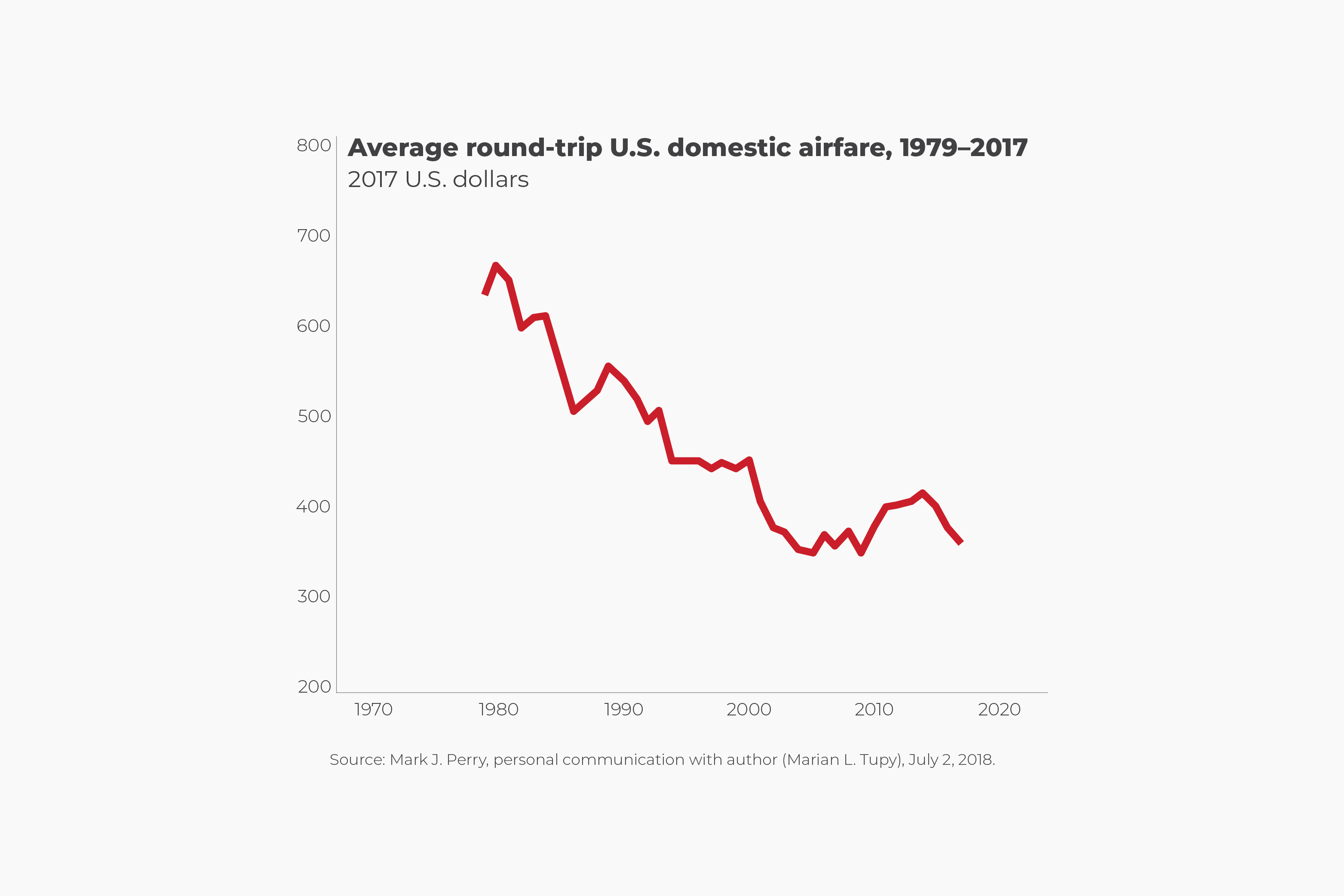
Understanding the elusive patterns of airline ticket pricing is akin to deciphering a complex financial market. For many, the cost of airfare represents a significant portion of their travel budget, making the quest for cheaper flights a perpetual pursuit. Far from being random, flight prices are governed by sophisticated algorithms, market dynamics, and a myriad of variables that fluctuate constantly. This guide delves into the financial intricacies of airline pricing, equipping you with the knowledge and strategies to significantly reduce your travel expenses, ultimately making your dream destinations more accessible. By mastering the art of timing, leveraging financial tools, and adopting a flexible mindset, you can transform your approach to booking flights from a gamble into a calculated financial victory.
Deconstructing Airline Pricing: The Science Behind the Savings
At its core, airline pricing is a sophisticated exercise in dynamic financial management, constantly adjusting to maximize revenue while filling seats. It’s less about a fixed cost and more about a fluid value proposition based on numerous economic factors.
Dynamic Pricing Algorithms
Airlines employ highly advanced, proprietary algorithms that analyze vast amounts of data in real-time. This data includes historical booking trends, competitor pricing, seat availability, fuel costs, demand forecasts for specific routes, time of day, day of the week, and even the type of device a customer is using. These algorithms continually adjust prices, sometimes multiple times within an hour, to respond to market conditions. For the consumer, this means the price you see at one moment might be different moments later, underscoring the importance of understanding these underlying mechanisms. The objective is clear: to sell each seat at the highest possible price point the market will bear at any given moment, often segmenting passengers by their willingness to pay. Business travelers, for instance, often book last-minute and are less price-sensitive, while leisure travelers typically plan further ahead and are more budget-conscious.
Demand and Supply Economics
The fundamental principles of demand and supply heavily influence flight costs. When demand for a particular route or travel date is high, and supply (available seats) is limited, prices naturally surge. Conversely, low demand and ample supply lead to lower prices. This is why flights during peak holiday seasons (e.g., Christmas, New Year, summer vacations) or major events in popular destinations are consistently more expensive. Airlines are masters at forecasting these demand peaks and adjusting their pricing strategy accordingly, often releasing a small batch of cheaper seats early on to gauge interest, then gradually increasing prices as the plane fills up and departure approaches. The less flexible you are with your travel dates and destinations, the more susceptible you are to these demand-driven price hikes.
Operational Costs and Competition
Beyond algorithms and demand, the foundational financial health of an airline and the competitive landscape significantly impact ticket prices. Fuel costs are a major variable expense for airlines, and fluctuations in global oil prices directly translate into fare adjustments. Airport landing fees, maintenance, labor costs, and even currency exchange rates for international routes all contribute to the operational baseline that must be covered by ticket sales. Furthermore, intense competition on popular routes can drive prices down as airlines vie for market share, often engaging in price wars. Conversely, on routes with limited competition, airlines have more leeway to maintain higher price points. Understanding these cost structures and competitive dynamics can help you identify routes or carriers that might inherently offer better value, guiding your financial decisions toward more cost-effective travel.
The Golden Window: Timing Your Flight Booking for Maximum Value
One of the most powerful strategies for securing cheaper flights is timing your booking correctly. There isn’t a single “best time” that applies universally, but rather a strategic window that maximizes your chances of a good deal.
The “Sweet Spot” for Domestic vs. International Flights
General wisdom suggests that there’s an optimal booking window:
- Domestic Flights: For travel within your home country, the sweet spot is typically 1 to 3 months (30 to 90 days) before departure. Prices tend to be lower in this window before increasing as the departure date approaches, especially within two weeks of travel. Booking too early (e.g., 6+ months out) can also sometimes yield higher prices as airlines might not have finalized their pricing strategies or competitor offers.
- International Flights: Due to greater complexity, higher demand variability, and more ancillary factors, international flights require a longer lead time. The optimal booking window usually falls between 2 to 8 months (60 to 240 days) before departure. For very popular long-haul routes or travel during peak seasons, extending this to 9-12 months might even be advisable. This longer window allows for more opportunities to catch sales, monitor price fluctuations, and secure better rates before seats fill up.
Best Days of the Week to Book
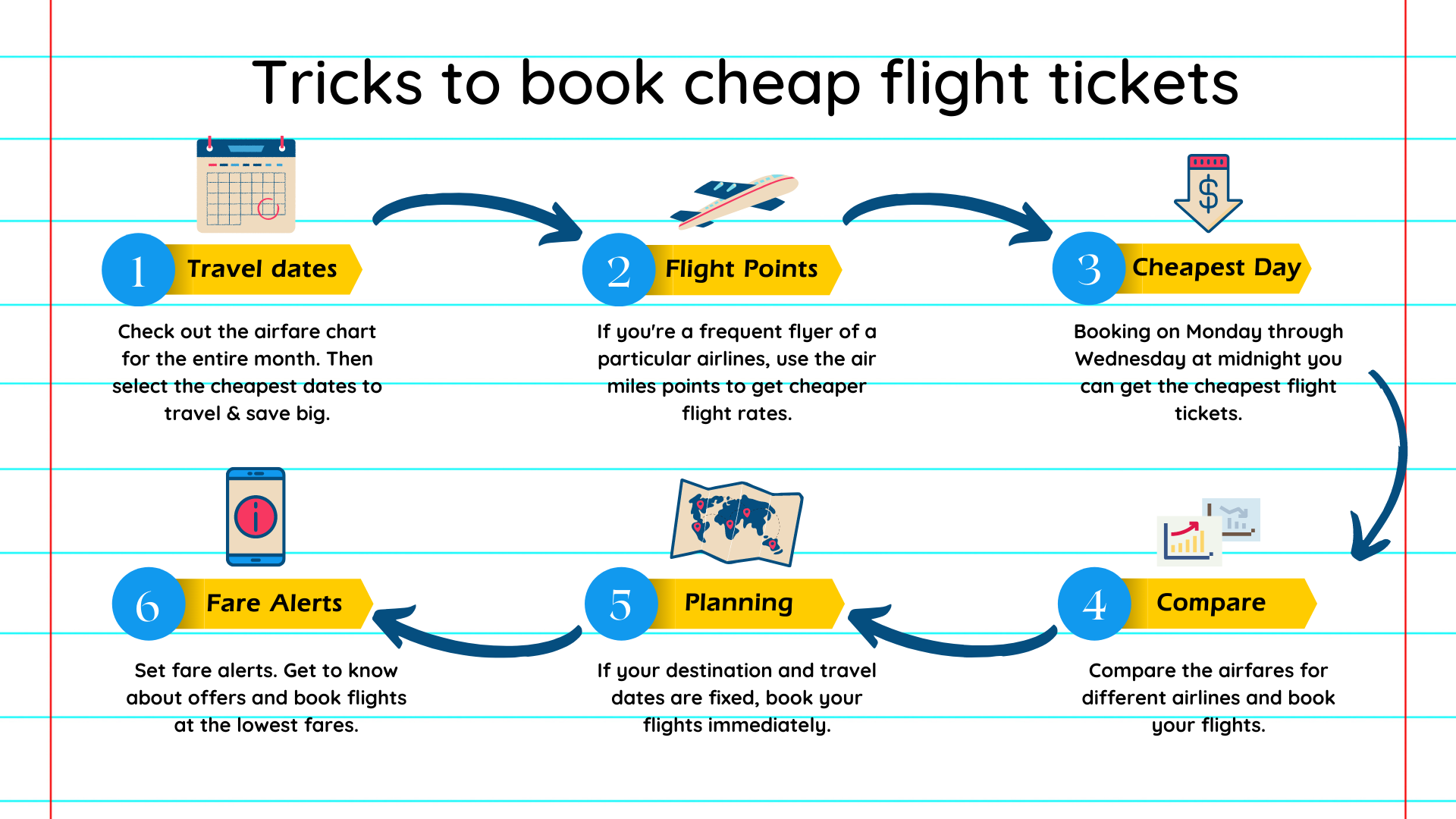
While the impact isn’t as pronounced as it once was, many financial analysts and travel experts still point to Tuesdays and Wednesdays as potentially the cheapest days to book flights. The theory behind this is that airlines often release their weekly sales on Monday nights or early Tuesdays, and competing airlines then match these prices by mid-week. By Thursday or Friday, weekend travelers begin their searches, and prices may start to creep up. However, due to dynamic pricing, this rule is less rigid than it used to be. The best practice is to monitor prices over several days, rather than strictly adhering to a single “booking day.”
The Impact of Seasonality and Holidays
Seasonality is perhaps the most significant financial influencer on flight prices. Avoiding peak travel seasons is paramount for budget-conscious travelers.
- High Season: Summer months (June-August), major holidays (Christmas, New Year’s, Thanksgiving, Easter), and spring break periods see drastically inflated prices due to high demand.
- Shoulder Season: The periods immediately before and after peak season (e.g., April-May, September-October) often offer a fantastic balance of good weather, fewer crowds, and significantly lower prices. This is often the financially smartest time to travel.
- Low Season: Winter months (excluding holidays) often present the cheapest fares, especially to destinations that are not traditionally winter resorts. This might mean colder weather or fewer tourist activities, but the financial savings can be substantial.
Always check local holidays and events at your destination, as these can also drive up prices unexpectedly. Flexibility in your travel dates is the most potent financial tool against seasonal price hikes.
Strategic Flight Selection: When and How to Fly for Less
Beyond when you book, when you choose to fly and the nature of your itinerary can also lead to considerable financial savings. Strategic flight selection involves more than just picking a date; it’s about making financially intelligent choices about your entire journey.
Avoiding Peak Travel Periods
As discussed, peak periods are synonymous with peak prices. This applies not just to seasons but also to days of the week and even times of the day. Fridays and Sundays are consistently the most expensive days to fly, catering to weekend getaways and business travelers. Similarly, flights departing in the early morning or late afternoon are often pricier because they align with preferred business travel times and maximize vacation time for leisure travelers. To save money, consider shifting your travel to less popular times.

The Cheapest Days to Depart and Return
The empirically proven cheapest days to fly are typically Tuesdays, Wednesdays, and Saturdays. Flying on these days can often shave a significant percentage off your fare. Mondays and Fridays tend to be more expensive due to business travel and weekend trips. Sundays are often the most expensive day to return, as many travelers try to maximize their weekend. If your schedule allows, planning your departure and return on these mid-week days or a Saturday can yield substantial financial benefits. Even shifting a flight by a single day can sometimes result in hundreds of dollars in savings, making it a critical aspect of travel budgeting.
Red-Eye Flights and Unconventional Itineraries
Embracing less conventional flight times and itineraries can open doors to significant savings.
- Red-Eye Flights: These late-night or early-morning departures are often less popular due to their inconvenient timing, which translates to lower prices. While they might require sacrificing some sleep, the financial upside can be considerable, especially for longer journeys.
- Longer Layovers and Connecting Flights: Direct flights are almost always more expensive due to the convenience they offer. Opting for flights with one or more layovers, particularly if one of them is a longer stop, can dramatically reduce the fare. While adding travel time, this strategy allows budget-conscious travelers to access cheaper routes and carriers. Sometimes, even “hidden city” ticketing (booking a flight to a destination beyond your actual stop, then getting off at the layover city) can be cheaper, though airlines generally discourage this practice due to potential financial penalties and complications with checked luggage. However, for carry-on only travelers, this can be a financially viable option, albeit one requiring careful consideration.
Leveraging Tools and Tactics to Uncover Hidden Deals
In the digital age, a plethora of online tools and strategies can empower you to find and secure the cheapest flights. Employing these financial technologies and clever tactics is crucial for the modern budget traveler.
Price Alerts and Prediction Tools
Gone are the days of manually checking flight prices multiple times a day. Many flight search engines (e.g., Google Flights, Skyscanner, Kayak, Hopper) offer price alert features. By setting an alert for your desired route and dates, you’ll receive notifications when the price drops, allowing you to pounce on a deal. Some tools, like Hopper, even use predictive analytics to advise you on whether to book now or wait, based on historical data and projected trends. While not foolproof, these tools provide valuable financial guidance and automate much of the price monitoring work, saving you time and money.
The Incognito Mode Myth vs. Reality
A popular myth suggests that airlines track your searches through cookies and raise prices if you repeatedly look at the same flight. While airlines do use cookies for various purposes, the idea that they specifically hike prices for you based on repeat searches in the same session is largely unsubstantiated by concrete evidence. Prices fluctuate due to dynamic algorithms, not necessarily because you are searching. However, using incognito or private browsing mode or clearing your browser cookies is still a good habit. It ensures a “clean slate” and helps mitigate any potential, albeit unlikely, personalized pricing, ensuring you see the general market rate. More importantly, it can prevent a website from defaulting to a higher cached price.
Budget Airlines and Connecting Flights
Don’t overlook the financial benefits of budget airlines (e.g., Ryanair, Spirit, Frontier, Southwest in the US). While they often charge for extras like checked bags, seat selection, and even carry-on luggage, their base fares can be significantly lower than full-service carriers. Always calculate the total cost, including all potential ancillary fees, before booking, but for short trips or if you travel light, budget airlines can offer substantial savings. Similarly, don’t be afraid of connecting flights. As mentioned earlier, they are almost always cheaper than direct routes. Exploring different airports near your origin or destination can also unlock lower fares, as flying into or out of smaller, less congested airports often comes with a lower price tag.
Loyalty Programs and Travel Credit Cards
For frequent flyers, airline loyalty programs and travel-rewards credit cards are invaluable financial assets. Earning miles or points through these programs can lead to free flights, upgrades, or significant discounts. Many travel credit cards offer lucrative sign-up bonuses (enough for a free international flight), provide travel insurance, offer lounge access, and waive foreign transaction fees—all of which contribute to overall travel savings. Strategic use of these financial products requires careful management to avoid debt, but when used responsibly, they are powerful tools for reducing travel costs.
Beyond the Ticket Price: Holistic Financial Planning for Travel
Securing a cheap flight is a significant financial win, but smart travel budgeting extends beyond the airfare itself. A holistic approach ensures your entire trip remains within your financial comfort zone.
Considering Ancillary Fees
The advertised price of a flight often doesn’t tell the whole financial story, especially with budget carriers. Always factor in potential ancillary fees such as:
- Checked baggage fees
- Carry-on baggage fees (yes, some budget airlines charge for this!)
- Seat selection fees
- In-flight meal or entertainment costs
- Change or cancellation fees
- Credit card processing fees (for some international bookings)
These can quickly add up, turning a seemingly cheap flight into a more expensive endeavor than a full-service carrier’s base fare. Always read the fine print and calculate the total cost before committing to a booking.
Budgeting for Your Entire Trip
A cheap flight is just one component of your travel finances. Effective financial planning requires budgeting for all aspects of your journey:
- Accommodation: Hotels, hostels, Airbnb, etc.
- Transportation: Airport transfers, local public transport, car rentals.
- Food and Drink: Dining out, groceries.
- Activities and Sightseeing: Tours, museum entry, excursions.
- Shopping and Souvenirs.
- Visa costs and travel insurance.
By creating a comprehensive budget, you ensure that the money saved on your flight doesn’t just get absorbed by other unforeseen expenses, allowing you to manage your overall financial outlay for the trip effectively.
Travel Insurance as a Financial Safeguard
While an additional upfront cost, travel insurance is a crucial financial safeguard, particularly for international or expensive trips. It protects against unforeseen circumstances that could lead to significant financial loss:
- Flight cancellations or delays
- Lost or delayed luggage
- Medical emergencies abroad
- Trip interruption or cancellation due to illness or other covered events
The cost of travel insurance is a small fraction of the potential financial burden you could face if something goes wrong. Consider it an essential investment in your financial peace of mind, allowing you to enjoy your cheaper flights without the added stress of potential financial fallout.
In conclusion, the quest for cheaper flights is a journey through the intricate world of financial economics and airline strategies. By understanding dynamic pricing, leveraging optimal booking windows, employing strategic flight selection, and utilizing modern financial tools, you can consistently unlock significant savings. Remember, flexibility in your travel dates and destinations is your most powerful financial ally. Couple this with meticulous budgeting for your entire trip and the sensible investment in travel insurance, and you’re not just finding cheaper flights; you’re becoming a financially savvy traveler, transforming aspirations into affordable realities.
aViewFromTheCave is a participant in the Amazon Services LLC Associates Program, an affiliate advertising program designed to provide a means for sites to earn advertising fees by advertising and linking to Amazon.com. Amazon, the Amazon logo, AmazonSupply, and the AmazonSupply logo are trademarks of Amazon.com, Inc. or its affiliates. As an Amazon Associate we earn affiliate commissions from qualifying purchases.