
The quest for the cheapest airline ticket is a perennial pursuit for budget-conscious travelers, a financial puzzle many seek to solve. While a definitive, universally “cheapest” airline might be a myth, understanding the intricate financial dynamics of the airline industry and adopting savvy booking strategies can significantly reduce your travel expenditure. This article, firmly rooted in the principles of personal finance and smart money management, delves into the complexities of airfare pricing, equipping you with the knowledge to identify genuine value and make informed financial decisions when booking your next flight.
Understanding the Dynamics of Airline Pricing
Before you can identify the cheapest option, it’s crucial to understand how airlines set their prices. It’s far more complex than a simple cost-plus model; it’s a sophisticated interplay of algorithms, market demand, operational costs, and competitive positioning. Airlines are master strategists in revenue management, constantly optimizing their pricing to fill seats and maximize profit.
Beyond the Base Fare: Unmasking Hidden Costs
The sticker price of a flight ticket is often just the beginning. A significant financial trap for unsuspecting travelers lies in the array of ancillary fees that can quickly inflate the total cost, turning a seemingly cheap fare into an expensive one. Savvy travelers, grounded in sound personal finance principles, meticulously account for these potential add-ons.
Baggage fees are perhaps the most common culprit. While full-service carriers might include a checked bag or at least a standard carry-on, many ultra-low-cost carriers (ULCCs) charge for everything beyond a small personal item. These fees can range from $30 to over $100 per bag, per segment, effectively doubling the cost of a short domestic flight if you need to check luggage. Seat selection fees are another frequently encountered charge. Many airlines now assign seats randomly at check-in or charge extra for the privilege of choosing your preferred spot, especially for aisle or window seats, or those with extra legroom. For families traveling together, this can become a mandatory, unexpected expense.
Other potential costs include fees for priority boarding (which promises earlier access to overhead bin space), in-flight meals and snacks (standard on many international routes but often extra on domestic flights), Wi-Fi access, and even printing your boarding pass at the airport. Understanding what’s included and what’s extra is paramount to accurately comparing the true financial outlay of different airlines. A flight from Airline A at $50 might seem cheaper than Airline B at $75, but if Airline A charges $60 for a carry-on and Airline B includes it, Airline B is the financially smarter choice.
The Yield Management Conundrum: How Airlines Optimize Revenue
Airline pricing is a prime example of dynamic pricing, often referred to as yield management. This sophisticated system uses complex algorithms to continuously adjust ticket prices based on a multitude of factors, aiming to maximize revenue from a perishable asset – a seat on a flight. Key variables influencing these algorithms include demand for a specific route, time of day, day of the week, seasonality, lead time before departure, competitor pricing, and even individual user browsing patterns (though airlines deny this directly, the industry’s use of cookies and data is well-documented).
As a flight fills up, the remaining seats typically become more expensive. Conversely, if a flight is undersold, prices might drop closer to departure to entice last-minute bookings. Business travelers, often booking closer to their travel date and less price-sensitive, are targeted with higher fares, while leisure travelers, who typically book further in advance, are offered lower introductory prices. This constant flux means that the “cheapest” price for a particular route can change multiple times within a single day, making the timing of your purchase a critical financial consideration.
The Low-Cost Carrier Model vs. Full-Service Airlines
The airline industry broadly operates on two primary financial models: the low-cost carrier (LCC) model and the full-service airline model. Each has distinct pricing strategies and service offerings that appeal to different segments of the market.
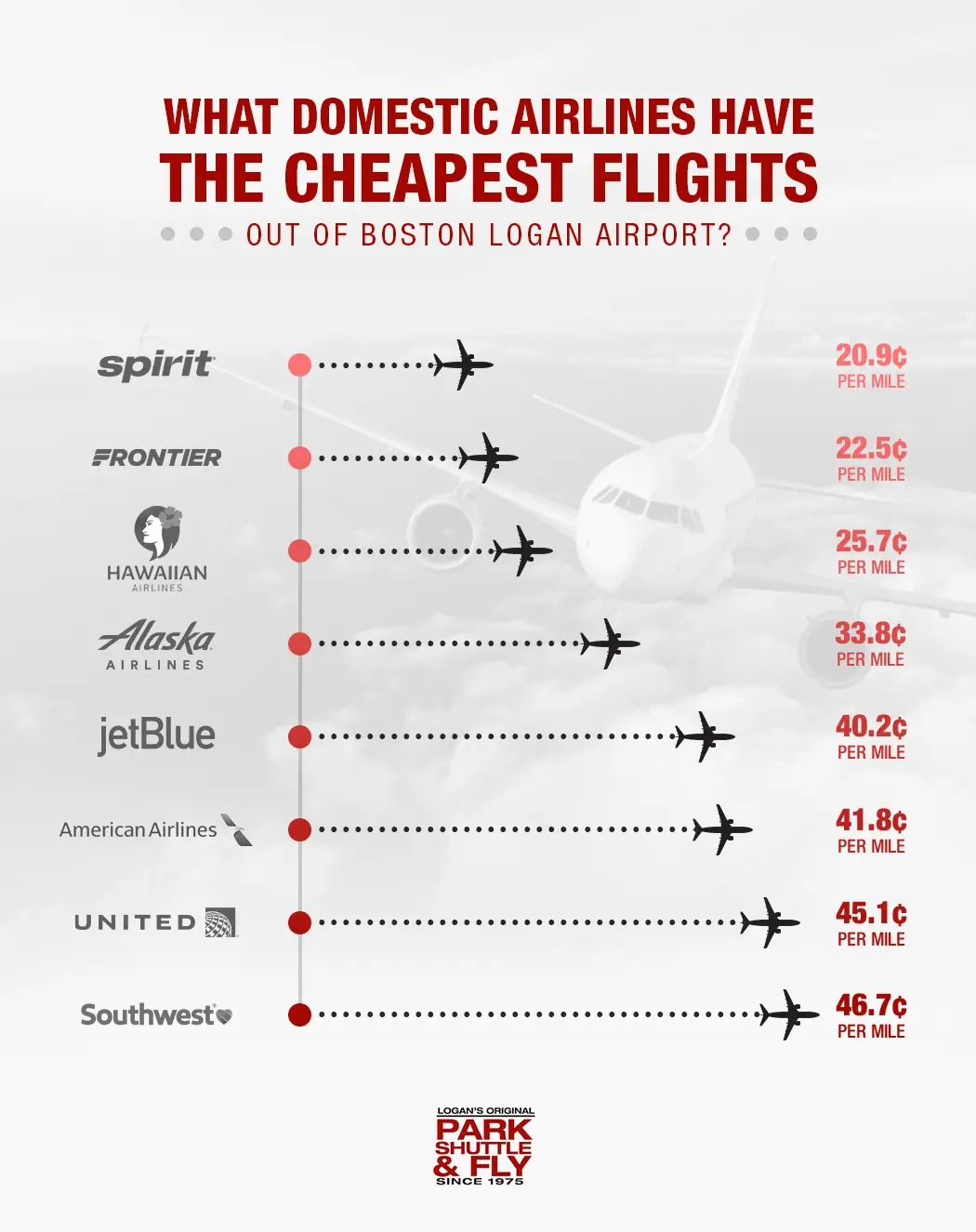
Low-Cost Carriers (LCCs) like Ryanair, Spirit, Frontier, and AirAsia, operate on a philosophy of unbundling services. Their core offering is transportation from point A to point B at the lowest possible base fare. To achieve this, they typically reduce operational costs by flying to secondary airports, utilizing single aircraft types (simplifying maintenance and training), maximizing aircraft utilization (quick turnarounds), and charging extra for virtually every amenity. Their target market is highly price-sensitive travelers willing to forgo luxuries for a rock-bottom price, and those who only need a seat and nothing else. From a financial perspective, LCCs are often the “cheapest” in terms of initial fare, but require careful calculation of potential add-on costs.
Full-Service Airlines (e.g., Delta, United, British Airways, Lufthansa) traditionally offered a more inclusive experience, with amenities like checked bags, in-flight meals, entertainment, and seat selection often included in the ticket price. However, in response to competition from LCCs and to cater to more diverse price points, many full-service airlines have introduced “Basic Economy” or similar stripped-down fares. These fares often mimic LCC restrictions, offering a lower price point but with significant limitations on baggage, seat selection, and flexibility. Their standard economy, business, and first-class tickets continue to offer more comprehensive services, catering to travelers who prioritize comfort, convenience, and a more predictable all-in cost. For the financially astute traveler, the key is to compare the total cost and value proposition, rather than just the initial base fare, across both models.
Strategies for Finding the Best Airfare Deals
Finding the cheapest airline ticket isn’t about luck; it’s about adopting strategic financial planning and leveraging available tools. Smart money management in travel often boils down to flexibility and diligent research.
Flexibility is Your Financial Friend: Dates, Times, and Airports
One of the most potent financial levers a traveler possesses is flexibility. Being flexible with your travel dates can yield significant savings. Mid-week flights (Tuesdays, Wednesdays, Thursdays) are generally cheaper than weekend flights. Traveling during off-peak seasons (e.g., avoiding summer in Europe, holidays, spring break) can dramatically reduce airfare. Even flying at unpopular times, such as red-eye flights or very early morning departures, often comes with a lower price tag. The more rigid your schedule, the more you concede control over the price to the airline’s dynamic pricing algorithms.
Similarly, consider alternative airports if they are within a reasonable commuting distance of your destination or origin. Major international hubs often have higher fees and demand, while smaller, regional airports might offer cheaper flights, particularly from low-cost carriers. A little extra travel time to and from an alternative airport can translate into substantial savings on the flight itself, making it a sound financial trade-off for many.
Leveraging Comparison Websites and Price Alert Tools
In the digital age, a wealth of financial tools exist to help consumers track and compare prices. For airfares, comparison websites and price alert tools are indispensable. Sites like Google Flights, Skyscanner, Kayak, and Expedia allow you to compare prices across hundreds of airlines and online travel agencies (OTAs) simultaneously. These platforms often have features like flexible date searches (“anywhere” or “cheapest month”) that can highlight unexpected deals.
Beyond simple comparison, price alert tools are crucial for budget-conscious planning. You can set up alerts for specific routes and receive notifications when prices drop. Google Flights, Kayak, and Hopper are excellent for this. Hopper even predicts whether prices are likely to rise or fall, offering advice on when to book. Regularly checking these sites, especially with browser’s incognito mode (to potentially circumvent dynamic pricing adjustments based on your browsing history, though the effect is debated), empowers you to make timely, financially advantageous booking decisions.
The Power of Loyalty Programs and Credit Card Rewards
For frequent flyers, loyalty programs and travel-focused credit cards represent a significant financial opportunity to reduce or even eliminate airfare costs. Airline frequent flyer programs (e.g., Delta SkyMiles, United MileagePlus, American AAdvantage) reward repeat business with miles that can be redeemed for flights, upgrades, or other travel perks. While earning status often requires significant flying, even casual participation can yield free flights over time, especially if paired with strategic spending.
Travel credit cards, particularly co-branded airline cards or general travel rewards cards (e.g., Chase Sapphire, American Express Platinum), offer substantial sign-up bonuses in points or miles, often enough for one or more round-trip flights. These cards also accrue points on everyday spending, often with bonus categories for travel or dining. The financial savvy traveler uses these cards strategically, not only for flight purchases but also for daily expenses, paying off the balance in full each month to avoid interest charges, thereby effectively earning “free” travel. Understanding the value of points, redemption options, and avoiding annual fees when benefits don’t outweigh costs is key to truly maximizing these financial tools.
Identifying Airlines Known for Budget-Friendliness (with Caveats)
While the “cheapest” airline often depends on the specific route and timing, certain carriers have built their entire business model around offering lower base fares. However, identifying them requires a nuanced financial perspective.

The Usual Suspects: A Look at Prominent Low-Cost Carriers Globally
Globally, several airlines are consistently recognized for their budget-friendly approach. In North America, Spirit Airlines, Frontier Airlines, and Allegiant Air are quintessential ultra-low-cost carriers. They are notorious for their low base fares and extensive ancillary fees, making it crucial for travelers to “do the math” on the total cost. In Europe, Ryanair and EasyJet dominate the LCC market, offering extensive networks at competitive prices, again with a focus on unbundled services. Wizz Air is another prominent European LCC, particularly strong in Central and Eastern Europe. In Asia, AirAsia is a major player, offering affordable travel across the continent. When flying these airlines, always assume nothing beyond your seat is included, and budget accordingly for baggage, seat selection, and any in-flight needs.
When Full-Service Carriers Offer Competitive Fares
It’s a common misconception that full-service carriers are always more expensive. In a competitive market, even major airlines like Delta, United, American Airlines, British Airways, Lufthansa, or Air France will strategically lower their prices, especially on routes where they face direct competition from LCCs or during periods of lower demand. Their “Basic Economy” or equivalent fares are specifically designed to compete on price, often at the cost of flexibility, upgrades, and sometimes even carry-on allowance.
Savvy financial travelers often find excellent value by monitoring these basic economy offerings, particularly if their travel needs align with the restrictions (e.g., traveling light, solo, without specific seat preferences). These fares can sometimes be cheaper than a fully loaded LCC ticket, while still offering the reliability and network of a major airline. The key is to compare the exact fare conditions and included services for a true financial assessment.
The Importance of Route-Specific Pricing
Ultimately, there is no single cheapest airline across the board. An airline might be the cheapest for a particular route due to intense competition, its operational hub, or simply market strategy. For example, Southwest Airlines, known for its transparent pricing (no baggage fees for the first two checked bags) might be the cheapest for domestic flights within the US on routes they serve heavily, while a European LCC like Vueling could be the most affordable for intra-Spain travel.
The presence of a strong LCC on a specific route often forces full-service carriers to offer competitive pricing. Conversely, on routes with limited competition, even LCCs might have higher fares. Therefore, a comprehensive search across multiple airlines and booking platforms for your specific destination and dates is the only way to genuinely identify the financially optimal choice.
Smart Booking Practices to Maximize Savings
Beyond choosing the right airline and being flexible, certain booking practices can further tip the financial scales in your favor, ensuring you secure the best possible deal.
Timing Your Purchase: The “Sweet Spot” for Booking Flights
The age-old question of “when to book” is central to airfare savings. While there’s no magic formula, financial analysis suggests a “sweet spot” for booking domestic and international flights. For domestic flights, studies often point to booking between 1 to 3 months out as optimal. For international flights, this window extends to 2 to 8 months in advance. Booking too far in advance can mean paying a premium before airlines fully release their cheaper fare buckets. Booking too late, especially within a few weeks of departure, almost guarantees higher prices as airlines target last-minute business travelers.
Another important timing factor is the day of the week you purchase your ticket. While the actual flight day impacts the price, the day you buy also matters. Historically, Tuesdays and Wednesdays have been cited as the best days to book, as airlines often release sales earlier in the week, and competitors respond by Tuesday afternoon or Wednesday morning. Weekend bookings tend to be more expensive due to higher demand.
Bundling vs. Unbundling: When to Pay for Extras
With the proliferation of ancillary fees, a crucial financial decision revolves around whether to bundle services or pay for them individually. Some airlines or online travel agencies offer “bundles” that include a checked bag, seat selection, and perhaps priority boarding at a slightly reduced combined price compared to purchasing each add-on separately.
For travelers who know they will need specific services, evaluating these bundles against the individual costs is a vital step in financial planning. If you always check a bag and require a specific seat, a bundle might offer marginal savings. However, if you’re a minimalist traveler with only a personal item, paying for an unbundled, base fare is almost always the cheapest option. Always calculate the true cost with and without the bundle to ensure you’re making the most financially sound choice for your specific needs.
Avoiding Common Pitfalls: Dynamic Pricing and Cookies
While airlines deny directly using individual browsing history to increase prices, the broader principle of dynamic pricing, combined with cookies and IP address tracking, can create situations where prices appear to rise after repeated searches. To mitigate this potential pitfall, always search for flights in an incognito or private browsing window. This prevents websites from storing cookies and potentially recognizing you, ensuring you’re presented with a fresh set of prices each time. Clearing your browser’s cookies and cache regularly can also be a good practice for any online shopping, not just flights. Utilizing a VPN (Virtual Private Network) to search from different geographical locations, though less common, can sometimes reveal different pricing tiers, as fares can vary by country of purchase. These are small, yet financially astute, steps to ensure you’re always seeing the most unbiased pricing available.
The True Cost of Cheap: Balancing Price with Value and Experience
While the pursuit of the cheapest airline ticket is a valid financial goal, it’s equally important to understand the “true cost” beyond the monetary figure. Sometimes, paying a little more can offer greater value, peace of mind, and a better overall travel experience, which ultimately can be a wise financial investment in itself.
Assessing Your Personal Travel Priorities
Before solely chasing the lowest fare, conduct a personal financial audit of your travel priorities. Are you a minimalist backpacker who prioritizes absolute lowest cost above all else? Or do you value comfort, convenience, and direct flights? For some, the added cost of a direct flight outweighs the potential stress and delay of multiple layovers, especially when connecting flights have tight schedules. For others, the ability to check a bag without exorbitant fees is a non-negotiable comfort.
Consider factors like legroom, seat width, in-flight amenities (power outlets, entertainment), airport location (is the cheaper airport truly convenient or does it add significant ground transportation costs?), and flexibility (can the ticket be changed without a hefty fee?). A financially responsible approach means aligning your spending with what truly matters for your travel experience, rather than blindly opting for the lowest number.
The “Hidden” Costs of Stress and Inconvenience
The allure of a rock-bottom fare can sometimes mask significant “hidden” costs related to stress and inconvenience. Flying an ultra-low-cost carrier with extremely tight connections, limited customer service, and a strict baggage policy might save you $50, but if it leads to missed flights, lost luggage, or hours of frustration, the psychological and practical costs can far outweigh the financial savings. Delays and cancellations, while not exclusive to LCCs, can feel more acutely painful when you’ve paid for a bare-bones service and have limited recourse or support.
Consider also the cost of time. A flight with multiple layovers to save $75 might add an extra 6-8 hours to your journey. For a business traveler, or someone with limited vacation time, that time is money. Weighing the monetary savings against the potential for stress, lost time, and diminished comfort is a crucial aspect of making financially sound travel decisions.
When Paying a Little More Makes Financial Sense
There are numerous scenarios where spending a bit more upfront can be a smart financial decision. For instance, if you’re traveling with valuable equipment, a checked bag with a reputable carrier might be a better option than risking damage or theft in an overhead bin on a crowded LCC. If you have a critical meeting or event at your destination, a direct flight with a more established airline might offer greater reliability and peace of mind, reducing the financial risk of missing your commitment due to unforeseen delays.
Additionally, some travelers find that the value of comfort and amenities, even a simple included meal or extra legroom, justifies a slightly higher price point. This allows them to arrive at their destination refreshed and ready, rather than exhausted and stressed. Ultimately, the “cheapest” airline isn’t always the one with the lowest base fare, but rather the one that offers the best overall financial value and aligns most closely with your personal travel priorities and risk tolerance. A holistic view of costs, both explicit and implicit, is the hallmark of truly intelligent travel finance.
aViewFromTheCave is a participant in the Amazon Services LLC Associates Program, an affiliate advertising program designed to provide a means for sites to earn advertising fees by advertising and linking to Amazon.com. Amazon, the Amazon logo, AmazonSupply, and the AmazonSupply logo are trademarks of Amazon.com, Inc. or its affiliates. As an Amazon Associate we earn affiliate commissions from qualifying purchases.