
Navigating the complex world of air travel can feel like a high-stakes financial game. For most travelers, the flight cost represents a significant portion of their overall trip budget, making the quest for the cheapest flights a perennial financial priority. While there’s no single magic bullet for consistently securing rock-bottom fares, understanding the underlying economics of airline pricing and employing strategic search tactics can lead to substantial savings, empowering you to travel more often or to more exotic destinations without breaking the bank. This guide delves into the financial strategies and digital tools essential for optimizing your travel budget.

Understanding the Dynamics of Flight Pricing
Airline pricing is a sophisticated, ever-changing landscape driven by a confluence of factors, making it appear almost arbitrary to the uninitiated. Grasping these dynamics is the first step toward financially savvy flight booking.
The Algorithmic Nature of Airfares
Airlines employ highly advanced revenue management systems, powered by complex algorithms, to set and adjust prices. These algorithms analyze vast datasets, including historical booking patterns, competitor pricing, fuel costs, passenger demand for specific routes and dates, load factors, and even external economic indicators. Prices are dynamic, often changing multiple times within a single day. This fluidity means that the price you see at 9 AM might be different from the price at 9 PM, emphasizing the need for timely decision-making balanced with strategic patience. The goal of these algorithms is to maximize revenue for every flight, selling each seat at the highest possible price the market will bear at any given moment.
Impact of Timing and Seasonality
Timing is paramount in the financial calculus of flight booking. Prices fluctuate significantly based on booking lead time and the season of travel. Generally, booking too early (e.g., 10-12 months out) can be expensive because airlines haven’t yet fine-tuned their pricing based on demand, often starting with higher base fares. Conversely, booking too late (within a few weeks of departure) almost always results in higher prices as availability dwindles and last-minute demand drives costs up.
The sweet spot for booking domestic flights often falls between 1 to 3 months in advance, while international flights might require a longer lead time, typically 2 to 8 months out. However, these are general guidelines, and the “best” booking window can vary by destination and airline.
Seasonality also plays a crucial role. Peak travel seasons (e.g., summer holidays, Christmas, New Year, spring break) invariably see inflated prices due to high demand. Traveling during the “shoulder seasons” (just before or after peak season) or the “off-season” can yield significant financial benefits. Furthermore, flying on weekdays, particularly Tuesdays, Wednesdays, and Saturdays (for some international routes), is often cheaper than flying on weekends (Friday, Sunday) when business and leisure travel demand peaks. Early morning or late-night flights, though less convenient, are also frequently more budget-friendly.
Leveraging Digital Tools for Financial Savings
In the modern era, technology is your most powerful ally in the pursuit of cheaper flights. A multitude of digital platforms and tools exist to help you compare, track, and ultimately secure the best fares.
Master Aggregator Sites
Flight aggregator sites are indispensable financial instruments, acting as digital clearinghouses that pull data from hundreds of airlines and online travel agencies (OTAs) to present you with a comprehensive overview of available flights and prices. Key players include:
- Google Flights: Renowned for its intuitive interface, calendar view showing price fluctuations, and “explore” feature that allows you to discover destinations based on your budget and preferred dates. It’s excellent for flexible travelers.
- Skyscanner: Offers a powerful “Everywhere” search function, ideal for when you’re open to various destinations, and robust “Cheapest Month” options, providing invaluable insights into annual price trends.
- Kayak: A pioneer in meta-search, offering flexible date searches, price forecasts, and the ability to compare prices across a vast network of providers.
- Momondo: Often finds slightly different (sometimes lower) fares by searching smaller OTAs that other aggregators might miss, though sometimes with less robust customer service.
- Expedia, Priceline, Travelocity (OTAs): While technically OTAs, they also serve as effective aggregators, sometimes offering package deals (flight + hotel) that can result in overall savings, though careful comparison is necessary.
When using these sites, always clear your browser cookies or use incognito/private browsing mode to potentially mitigate dynamic pricing based on your browsing history.
Direct Airline Websites vs. OTAs
While aggregators are great for initial searches, it’s financially prudent to always cross-reference prices directly on the airline’s official website. Sometimes, airlines offer exclusive deals or loyalty program benefits not available through OTAs. Additionally, booking directly with the airline can simplify customer service, flight changes, or cancellations, which can be a financial lifesaver if unforeseen circumstances arise. However, OTAs occasionally have exclusive bulk purchasing agreements that allow them to offer slightly lower prices or attractive package deals. A thorough comparison is always advisable.
Price Alert Tools and Predictive Analytics
Harnessing automated price tracking is a smart financial strategy. Most major aggregators (Google Flights, Skyscanner, Kayak) offer price alert features. By setting up an alert for your desired route and dates, you’ll receive email notifications whenever the fare changes. This eliminates the need for constant manual checking and ensures you can act swiftly when a price drops to a more palatable level. Some tools also offer predictive analytics, attempting to forecast whether prices are likely to rise or fall in the near future, arming you with valuable data to make an informed booking decision.
Strategic Booking Tactics to Optimize Your Budget
Beyond understanding pricing dynamics and utilizing digital tools, specific booking strategies can significantly impact your overall travel expenditure.
Flexibility is Key
Financial flexibility is perhaps the most potent weapon in the quest for cheap flights. The more parameters you can adjust, the better your chances of finding a bargain.
- Dates: As discussed, flying mid-week (Tuesday, Wednesday, Thursday) or during off-peak seasons almost always yields lower fares. Consider adjusting your travel dates by even a single day on either end, as this can sometimes result in hundreds of dollars in savings.
- Airports: Don’t limit your search to just one airport. Check prices from alternative airports within a reasonable commuting distance. Smaller, secondary airports often have lower landing fees for airlines, which can translate into cheaper fares for passengers. Similarly, flying into a different major city and taking a cheaper connecting flight or ground transport can sometimes be more economical.
- Destinations: If your primary goal is to travel and your destination is flexible, use the “Everywhere” or “Explore” features on aggregators. This allows you to see the cheapest flights from your home airport to various locations, sparking inspiration for budget-friendly trips you might not have considered.
The Power of Incognito Mode and VPNs
There’s a widely debated theory that airlines and OTAs track your browsing history and IP address, potentially showing you higher prices on subsequent searches if they detect high interest. While concrete proof remains elusive, using your browser’s incognito or private browsing mode, or even a Virtual Private Network (VPN) to mask your location, is a low-effort financial precaution that costs nothing. It ensures each search is treated as if you’re a new user, potentially presenting you with the most current, unbiased fares.
Understanding Layovers and Connecting Flights
Direct flights offer convenience but often come with a premium price tag. For many budget-conscious travelers, especially on longer international routes, opting for flights with one or more layovers can significantly reduce the ticket cost. The trade-off is often longer travel times and the potential for missed connections, but the financial savings can be substantial. Carefully weigh the financial benefit against the potential inconvenience and risk. When booking connecting flights, ensure you have sufficient layover time to comfortably make your next flight.
Budget Airlines and Hidden Costs
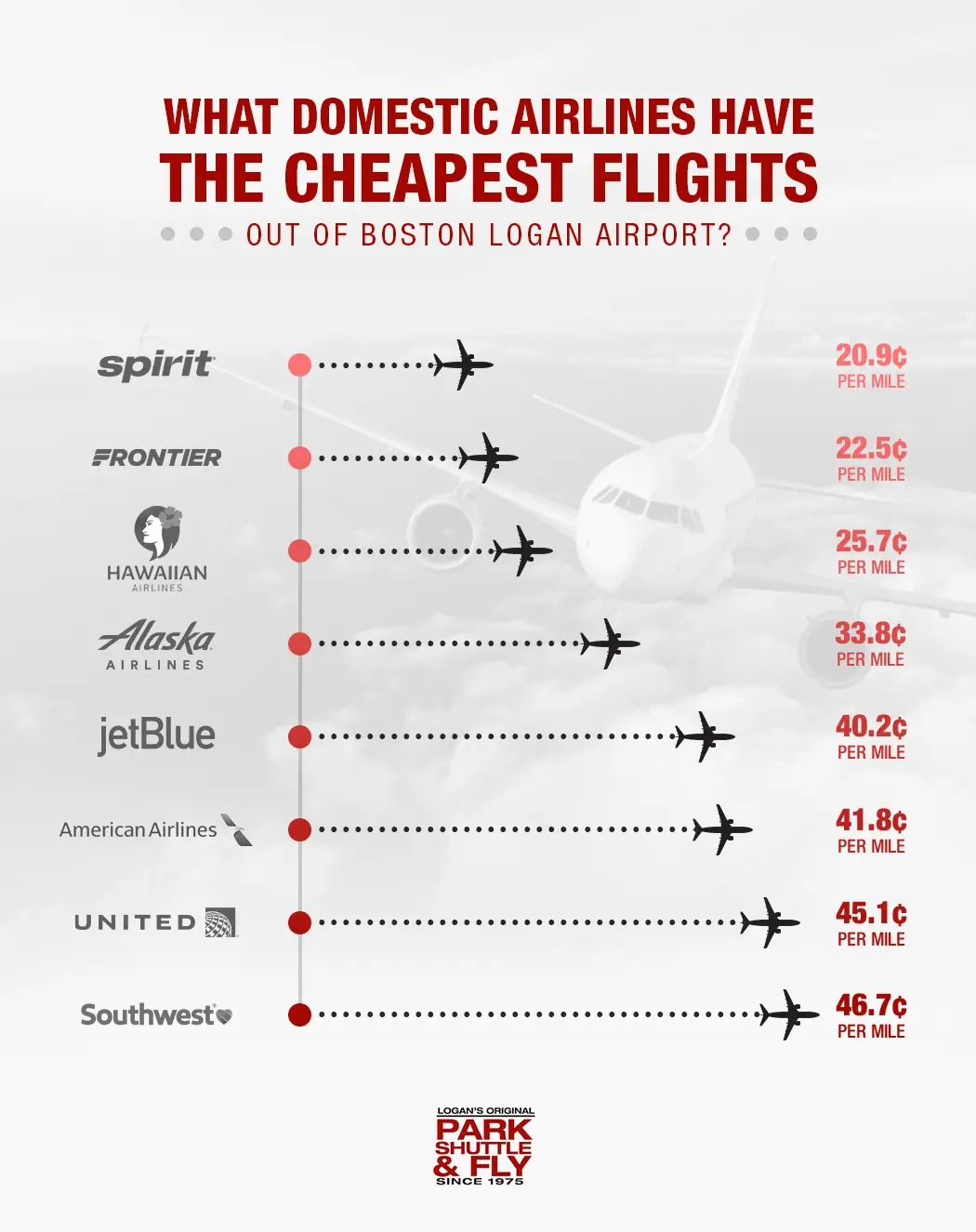
The rise of budget airlines (e.g., Spirit, Frontier, Ryanair, EasyJet, Southwest) has democratized air travel by offering incredibly low base fares. Their business model revolves around “unbundling” services, meaning almost everything beyond the basic seat (checked luggage, carry-on bags, seat selection, meals, priority boarding) incurs an additional fee. While initially appearing cheap, these “hidden” costs can quickly add up. Always calculate the total cost, including all potential add-ons, when comparing budget airline fares to full-service carriers. For minimalist travelers who pack light, budget airlines can be a financial godsend, but for others, a full-service carrier might offer better value.
Error Fares and Flash Sales
Occasionally, airlines make mistakes, leading to “error fares” – tickets priced significantly below their market value. These are rare and usually corrected quickly, but diligent budget travelers who follow deal alert websites (like Scott’s Cheap Flights, The Flight Deal) might be able to snag them. Similarly, airlines frequently run flash sales or limited-time promotions, often announced via their newsletters or social media. Signing up for these alerts can lead to unexpected financial windfalls.
Financial Considerations Beyond the Ticket Price
Securing a cheap flight is a victory, but it’s only one piece of the larger financial puzzle of travel. A holistic financial approach is crucial for an enjoyable and affordable trip.
Credit Card Rewards and Travel Points
For financially disciplined individuals, travel-focused credit cards can be an excellent way to offset flight costs. Many cards offer generous sign-up bonuses (e.g., 50,000+ miles/points) that can be redeemed for free flights or significant discounts. Ongoing spending can also accumulate points that contribute to future travel. However, it’s imperative to use credit cards responsibly, paying off balances in full each month to avoid interest charges, which would negate any travel savings. Strategic use of points can reduce your out-of-pocket flight expenditure to zero, making travel incredibly accessible.
Budgeting for the Entire Trip
A cheap flight is only truly cheap if it fits into your overall travel budget. Always factor in other significant expenses: accommodation, ground transportation (taxis, public transport, car rentals), food, activities, visas, and travel insurance. A flight might be inexpensive, but if the destination has high accommodation costs or requires expensive internal travel, the overall trip might still be costly. A comprehensive budget ensures that the financial benefits of a cheap flight translate into an affordable and stress-free travel experience.

Travel Insurance and Financial Protection
While an additional upfront cost, travel insurance can be a financially prudent investment, especially for expensive international trips. It provides a safety net against unforeseen circumstances such as flight cancellations, lost luggage, medical emergencies abroad, or trip interruptions. The cost of a medical emergency overseas or rebooking a last-minute flight due to unforeseen events can far exceed the price of a comprehensive travel insurance policy. Consider it a necessary financial safeguard for your travel investment.
By adopting a proactive, informed, and flexible approach, leveraging digital tools, and maintaining a holistic financial perspective, you can significantly increase your chances of finding the cheapest flights and making your travel dreams a more consistent reality.
aViewFromTheCave is a participant in the Amazon Services LLC Associates Program, an affiliate advertising program designed to provide a means for sites to earn advertising fees by advertising and linking to Amazon.com. Amazon, the Amazon logo, AmazonSupply, and the AmazonSupply logo are trademarks of Amazon.com, Inc. or its affiliates. As an Amazon Associate we earn affiliate commissions from qualifying purchases.