
The quest for the cheapest flight is a universal pursuit for any aspiring traveler. In an era where wanderlust is often constrained by budget, understanding how to navigate the complex world of airfare pricing isn’t just a travel hack—it’s a critical component of personal financial management. The simple question, “What is the cheapest flight?” rarely has a simple, static answer. Instead, it unveils a dynamic interplay of market forces, timing, flexibility, and a smart application of financial tools and strategies. This article delves into the financial intricacies of airline pricing, equipping you with the knowledge and actionable strategies to consistently unearth the most economical airfares, transforming your travel dreams into budget-friendly realities.
Understanding the Dynamics of Flight Pricing
To find the cheapest flight, one must first grasp the intricate, often opaque, mechanics that dictate airfare pricing. Unlike many consumer goods, flight prices are highly fluid, influenced by a myriad of factors that can cause them to fluctuate dramatically within hours, or even minutes.
The Volatility of Airfares
Airline pricing is a masterclass in dynamic pricing, driven by sophisticated algorithms and real-time data. Factors influencing this volatility include:
- Demand: The most significant driver. Higher demand for a particular route on specific dates directly correlates to higher prices. This demand can be influenced by holidays, major events, school breaks, and even local occurrences.
- Fuel Costs: A major operational expense for airlines. Spikes in crude oil prices can quickly translate to increased fares, often passed directly to the consumer through fuel surcharges or general price hikes.
- Competition: The number of airlines operating a specific route plays a crucial role. Routes with multiple carriers tend to have more competitive pricing as airlines vie for market share. Conversely, routes with limited competition may see higher fares.
- Capacity Management: Airlines meticulously manage seat inventory. They often release a limited number of “discount” seats and as these sell out, the price tier for the remaining seats increases. This strategy aims to maximize revenue for every flight.
- Timing of Booking: There’s an optimal window for booking flights, which we’ll explore, but generally, booking too early or too late can result in higher prices as airlines try to capture early planners or desperate last-minute travelers.
- Operational Costs: Beyond fuel, other costs like airport fees, landing rights, crew salaries, and maintenance contribute to the base price of a ticket.
Seasonality and Demand Cycles
The calendar year is a roadmap for airline pricing. Understanding seasonal demand is paramount to financial savings:
- Peak Season: Typically summer months (June-August in the Northern Hemisphere), major holidays (Christmas, New Year’s, Thanksgiving), and school breaks. During these periods, demand surges, and prices escalate predictably. Travelers paying peak prices are often those with limited flexibility due to work, family, or academic schedules.
- Shoulder Season: The periods immediately before and after peak season (e.g., April-May, September-October). These offer a sweet spot, balancing pleasant weather with fewer crowds and noticeably lower prices. Financially savvy travelers often target these windows.
- Off-Peak Season: The slowest travel periods (e.g., mid-January to mid-March, parts of November). While weather might be less ideal, prices can drop significantly, especially for destinations that rely heavily on tourism. Flexibility during these times can yield substantial savings.
Supply and Demand Principles in Air Travel
At its core, flight pricing adheres to fundamental economic principles of supply and demand. The “supply” is the fixed number of seats on an airplane for a given route and date. The “demand” is the number of people wanting to travel on that route at that time.
- High Demand, Fixed Supply: When many people want to fly to a popular destination during a holiday, the limited supply of seats drives prices sky-high.
- Low Demand, Fixed Supply: Conversely, for less popular routes or during off-peak times, the fixed supply of seats may exceed demand, forcing airlines to lower prices to fill their planes.
Airlines utilize complex yield management systems to predict demand and adjust prices in real-time, segmenting passengers into various price buckets to maximize revenue from every flight.
Strategic Approaches to Finding Low-Cost Fares
Finding the cheapest flight isn’t about luck; it’s about employing a series of well-planned strategies and maintaining a financially savvy mindset.
Flexibility is Your Financial Superpower
The single most impactful factor in reducing flight costs is flexibility, both in your travel dates and destination.
- Flexible Dates:
- Mid-Week Travel: Flying on Tuesdays, Wednesdays, and Saturdays is often cheaper than peak travel days like Fridays and Sundays.
- Red-Eye Flights: Unpopular late-night or early-morning departures often come with a discount.
- Shoulder Seasons: As mentioned, targeting the periods just outside peak season can drastically cut costs while still offering enjoyable weather and fewer crowds.
- Price Calendar Tools: Utilize features on Google Flights or Skyscanner that show prices across an entire month, helping you pinpoint the cheapest days.
- Flexible Destinations:
- “Everywhere” Search: If your primary goal is affordable travel rather than a specific destination, use tools like Skyscanner’s “Everywhere” search or Google Flights’ “Explore” map. Input your departure airport and see where you can fly for the least amount of money. This can uncover unexpected and incredibly cheap adventures.
- Alternate Airports: Consider flying into or out of smaller, less congested airports near your primary destination. These often have lower landing fees for airlines, which can translate to cheaper fares. Remember to factor in ground transportation costs to ensure genuine savings.
- Open-Jaw Tickets: Flying into one city and out of another can sometimes be cheaper than a round-trip to the same city, especially when combined with ground travel between the two destinations.
The Best Time to Book
While there’s no single magic number, historical data provides strong guidance on optimal booking windows:
- Domestic Flights: Generally, booking 1 to 3 months in advance is the sweet spot. Prices tend to rise sharply within 2-4 weeks of departure.
- International Flights: For long-haul international travel, 2 to 8 months in advance is often recommended. Booking too far out (e.g., a year in advance) can sometimes be more expensive as airlines haven’t yet released their full range of discount fares.
- Avoid Last-Minute: Unless you’re specifically hunting for error fares or have extreme flexibility for “empty seat” deals (which are rare and unpredictable), booking within two weeks of departure is almost always more expensive. Airlines know you’re desperate and price accordingly.
Leverage Incognito Mode and Price Alerts
- Incognito/Private Browsing: While its impact is debated, some believe that clearing cookies or using incognito mode can prevent dynamic pricing algorithms from detecting repeated searches for the same route, which could theoretically lead to price increases based on perceived interest. It’s a simple step that costs nothing, so it’s worth trying.
- Price Alerts: Set up email or app notifications for specific routes you’re tracking. Tools like Google Flights, Skyscanner, Hopper, and Kayak offer this feature. You’ll receive an alert when the price drops, allowing you to snatch up a deal. This is a passive yet highly effective way to monitor fluctuations and book when prices are lowest.
Consider Budget Airlines and Layovers
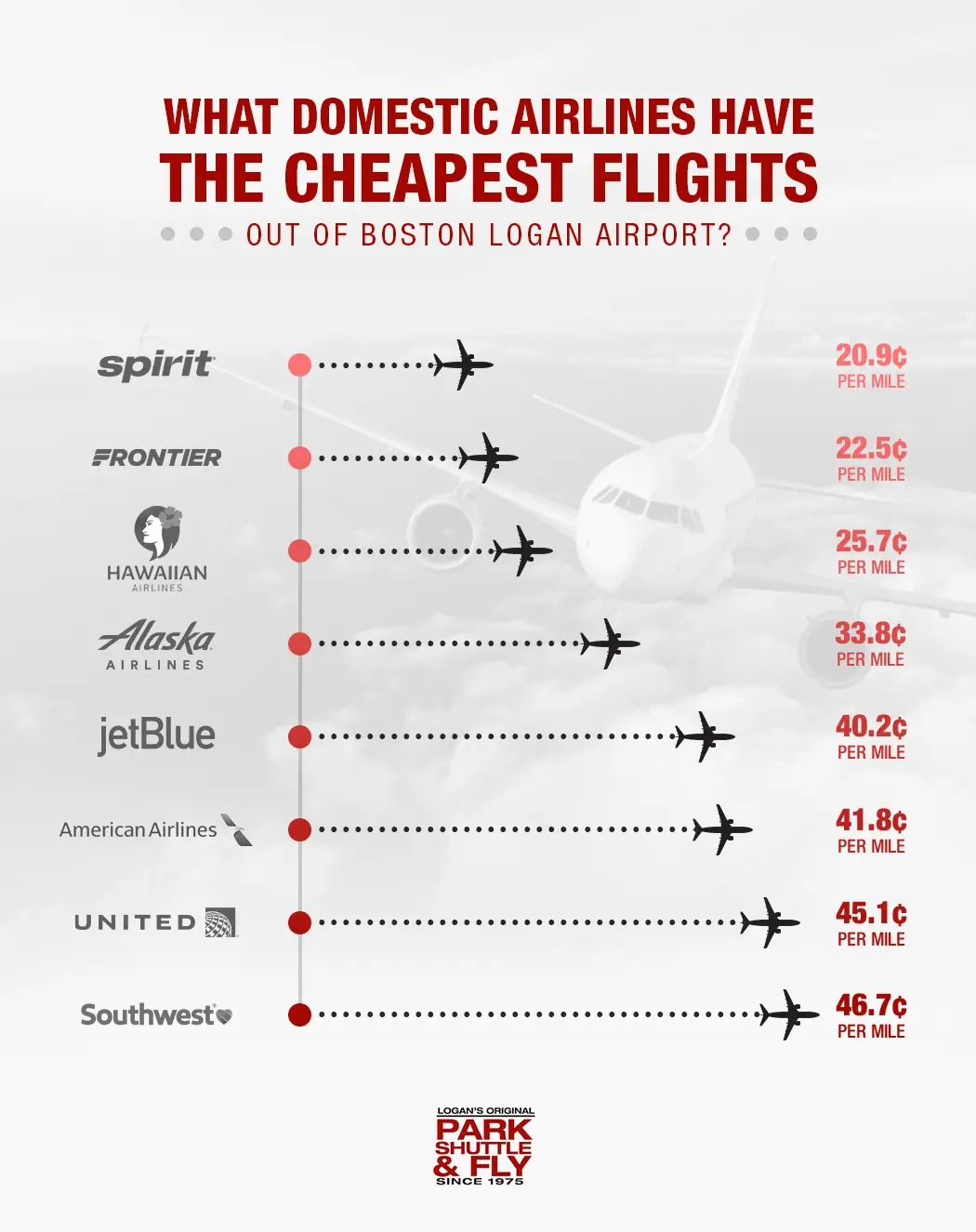
- Budget Airlines: Carriers like Southwest, Spirit, Frontier, Ryanair, easyJet, AirAsia, etc., offer significantly lower base fares by unbundling services. Be acutely aware of their ancillary fees for checked bags, carry-on bags, seat selection, and even printing boarding passes. Factor these into your total cost to ensure it’s still the cheapest option.
- Layovers: Direct flights are convenient but often cost more. Opting for flights with one or more layovers can significantly reduce the price. Longer layovers (especially overnight ones) can offer even greater savings. Consider these if your time is more flexible than your budget.
Essential Financial Tools and Resources for Savvy Travelers
The digital age has brought forth a plethora of tools designed to help consumers find the best deals. Leveraging these effectively is a cornerstone of financially intelligent travel.
Flight Comparison Websites and Aggregators
These platforms are your first line of defense in the quest for cheap flights:
- Google Flights: Excellent for its calendar view, “explore” map, price tracking, and ability to easily combine different airlines for round trips. Its “date grid” and “price graph” features are invaluable for visualizing the cheapest travel days.
- Skyscanner: Renowned for its “Everywhere” search, allowing you to find the cheapest destinations from your departure point. Also great for flexible date searches (e.g., “Cheapest Month”).
- Kayak/Momondo: Often find slightly different results than Google Flights or Skyscanner, so it’s wise to cross-reference. Momondo, in particular, is known for searching smaller online travel agencies (OTAs) that others might miss.
- ITA Matrix Airfare Search: The backend engine for many commercial flight search tools. It’s powerful but has a steeper learning curve, best for advanced users looking for highly customized searches.

Airline Loyalty Programs and Credit Card Rewards
Smart financial management involves maximizing every dollar, and travel rewards are a prime example:
- Miles and Points: Enroll in frequent flyer programs for your preferred airlines. Even if you don’t fly often, points can accumulate through co-branded credit cards or transfers from flexible reward programs.
- Credit Card Sign-up Bonuses: Many travel rewards credit cards offer substantial sign-up bonuses (e.g., 50,000 to 100,000 points) after meeting a minimum spending requirement. These bonuses can often cover several domestic flights or a significant portion of an international flight.
- Co-branded Airline Credit Cards: These cards offer specific benefits related to their airline partner, such as free checked bags, priority boarding, lounge access, or companion passes. The value of these perks can often outweigh the annual fee, especially if you regularly fly with that airline.
- Transferable Points Programs: Cards like Chase Ultimate Rewards, American Express Membership Rewards, and Citi ThankYou Points allow you to transfer points to various airline partners, providing incredible flexibility and often better redemption value than booking directly through the credit card’s travel portal.
- Booking through Travel Portals: Some credit card programs offer enhanced redemption value when booking flights through their proprietary travel portals. Compare this value to transferring points to airline partners for the best financial outcome.
Price Prediction and Tracking Apps
Beyond basic price alerts, some apps specialize in predicting future price movements:
- Hopper: This app predicts whether prices for a chosen flight are likely to rise or fall, advising you whether to “buy now” or “wait.” It uses historical data and algorithms to offer recommendations.
- Google Flights: Continues to improve its price prediction capabilities, often indicating whether a current price is typical, low, or high for a given route and time.
Alternative Booking Strategies
- Error Fares: Extremely rare but possible, these are legitimate fares published due to a technical glitch or human error by the airline. They usually don’t last long and require immediate booking. Sites like “Secret Flying” or “The Flight Deal” sometimes report these.
- Package Deals: Sometimes, booking a flight + hotel package can be cheaper than booking each component separately, as travel agencies and airlines get bulk discounts. Always compare the total cost.
Beyond the Ticket Price: Hidden Costs and Overall Travel Budget
Focusing solely on the flight ticket price can be a financial pitfall. A truly cheap flight considers the entire cost of getting from your origin to your destination and back.
Unmasking Ancillary Fees
Budget airlines are notorious for unbundling services, but even full-service carriers have started charging for extras:
- Baggage Fees: Checked bags are almost always extra, and many budget airlines also charge for carry-on bags. Always check the airline’s baggage policy before booking and factor these costs into your overall budget.
- Seat Selection: Paying to choose your seat, especially for aisle or window preferences, is common. If you’re willing to be assigned a random seat at check-in, you can save here.
- In-Flight Amenities: Meals, snacks, drinks, blankets, and entertainment are rarely free on budget carriers. Pack your own snacks and drinks (after security) to save.
- Priority Boarding: While it gets you on the plane faster, it’s an extra cost that doesn’t inherently change the travel experience for most.
- Change/Cancellation Fees: Be aware of the fees associated with modifying or canceling your ticket. Opt for flexible tickets if your plans are uncertain, though these often cost more upfront.
Transportation to/from the Airport
The cost of getting to and from the airport can significantly impact your total travel expenditure:
- Parking Fees: If driving your own car, airport parking can be exorbitant. Research off-site parking options or consider public transport.
- Taxis/Ride-Shares: Convenient but often expensive, especially during peak hours or from remote airports.
- Public Transportation: Buses, trains, or subways are almost always the most economical option if available. Plan your route in advance.
Accommodation and Ground Transportation at Destination
The flight is just one piece of the travel puzzle. Budgeting for your entire trip is crucial for financial health:
- Accommodation: Research hotels, hostels, vacation rentals, or even house-sitting options. Book in advance for better rates.
- Local Transportation: Factor in costs for public transport, rental cars, or taxis at your destination.
- Food and Activities: Don’t forget daily expenses for meals, sightseeing, and experiences.
Travel Insurance as a Financial Safeguard
While an upfront cost, travel insurance can be a wise financial investment, protecting against unforeseen circumstances:
- Trip Cancellation/Interruption: Reimburses non-refundable expenses if your trip is canceled or cut short due to covered reasons (illness, natural disaster).
- Medical Emergencies: Covers emergency medical treatment abroad, which can be astronomically expensive without coverage.
- Baggage Loss/Delay: Provides compensation for lost or delayed luggage.
Considering the potential financial losses from an unexpected event, a modest insurance premium can offer significant peace of mind and prevent catastrophic out-of-pocket expenses.
Developing a Financial Mindset for Travel Savings
Ultimately, finding the cheapest flight is less about a single trick and more about cultivating a disciplined and strategic financial mindset towards travel.
Regular Budgeting and Savings for Travel
Integrate travel goals into your broader personal finance plan.
- Dedicated Travel Fund: Set up a separate savings account specifically for travel.
- Automated Savings: Set up recurring transfers to this fund, treating it like any other bill or investment.
- Track Expenses: Monitor your spending to identify areas where you can cut back and reallocate funds to your travel goals.
Evaluating Value vs. Cheapest Price
The absolute cheapest ticket isn’t always the best value.
- Time vs. Money: Is a 20-hour layover worth saving $100? For some, yes; for others, the convenience of a shorter trip outweighs the modest saving.
- Comfort vs. Cost: Budget airlines save money but often sacrifice comfort (cramped seats, no recline, strict baggage rules). Evaluate what you’re willing to endure for the savings.
- Hidden Costs: As discussed, always factor in all ancillary fees to determine the true cost. Sometimes a slightly more expensive full-service airline ticket ends up being cheaper than a budget fare once all add-ons are included.
The Power of Patience and Persistence
Finding the best flight deals requires consistent monitoring and a willingness to act quickly when a good price appears.
- Set Reminders: Use calendar reminders to check prices around the optimal booking windows.
- Subscribe to Deal Alerts: Follow newsletters or social media accounts that specialize in reporting flight deals and error fares.
- Be Decisive: Good deals, especially error fares, don’t last long. Have your payment information ready and be prepared to book when you find a compelling price.
In conclusion, “the cheapest flight” is not a fixed entity but a moving target, continually reshaped by market forces, consumer demand, and technological advancements. By adopting a financially astute approach—embracing flexibility, diligently using comparison tools, understanding hidden costs, and integrating travel into your overall financial strategy—you can consistently unlock significant savings. The journey to affordable travel begins with smart money management, turning every trip into a testament to your financial prowess.
aViewFromTheCave is a participant in the Amazon Services LLC Associates Program, an affiliate advertising program designed to provide a means for sites to earn advertising fees by advertising and linking to Amazon.com. Amazon, the Amazon logo, AmazonSupply, and the AmazonSupply logo are trademarks of Amazon.com, Inc. or its affiliates. As an Amazon Associate we earn affiliate commissions from qualifying purchases.