
The allure of discovering new horizons, immersing oneself in different cultures, or simply escaping the mundane is universal. Yet, for many, the dream of travel often collides with the formidable barrier of cost, particularly the price of flights. It’s a common misconception that exploring the world requires an exorbitant budget, leading countless aspiring travelers to defer or abandon their wanderlust entirely. However, with a strategic approach, a keen understanding of market dynamics, and the judicious application of financial tools and insights, finding affordable airfare to virtually any destination is not merely a pipe dream but an achievable reality. This article delves into the sophisticated strategies and practical financial wisdom required to slash flight costs, empowering you to stretch your travel budget further and transform those once-elusive destinations into tangible itineraries.

Mastering the Dynamics of Airfare Pricing: When and Where to Search
Understanding the intricate algorithms and economic principles that govern airfare pricing is the foundational step in securing cheaper flights. Airlines operate on dynamic pricing models, where prices fluctuate based on demand, capacity, time of booking, and a myriad of other factors. By strategically navigating these variables, travelers can significantly influence the cost of their journey.
The Financial Wisdom of Flexible Dates and Destinations
One of the most potent weapons in a budget traveler’s arsenal is flexibility. Rigidity in travel plans often translates directly into higher costs. Embracing an adaptive mindset can unlock substantial savings, allowing you to capitalize on market inefficiencies and periods of lower demand.
Capitalizing on Off-Peak and Shoulder Seasons
Every destination has its peak season, typically characterized by ideal weather, major holidays, or popular events. During these times, demand for flights (and accommodation) skyrockates, leading to premium pricing. Conversely, off-peak seasons, often marked by less favorable weather or fewer tourists, present a golden opportunity for savings. Shoulder seasons – the periods immediately before and after peak times – often offer a sweet spot: decent weather, fewer crowds, and noticeably lower prices. Financially astute travelers meticulously research these seasonal fluctuations, targeting travel dates when airlines are more eager to fill seats. This means avoiding major national holidays, school breaks, and popular festival dates whenever possible, opting instead for quieter periods that still offer a rewarding travel experience at a fraction of the cost.
Leveraging “Everywhere” Searches and Open-Ended Exploration
For those whose primary goal is simply to travel and experience something new, rather than visit a specific place, “everywhere” search functions offered by various flight comparison websites are invaluable financial tools. Platforms like Google Flights’ “Explore” map or Skyscanner’s “Everywhere” destination option allow you to input your departure airport and desired travel dates (or even a flexible month) and instantly view the cheapest destinations worldwide. This approach flips the traditional travel planning model on its head, letting price dictate destination. It’s a strategic move that uncovers hidden gems and incredibly affordable flights to places you might never have considered, aligning perfectly with a budget-conscious financial strategy.
The Strategic Advantage of Mid-Week Departures and Red-Eye Flights
Airline pricing models often reflect passenger convenience. Consequently, flying on weekdays, particularly Tuesdays, Wednesdays, and Thursdays, tends to be cheaper than weekend travel. Similarly, red-eye flights (overnight flights) or very early morning departures, which are generally less desirable for most travelers, often come with a lower price tag. While these options might demand a slight adjustment to your comfort preferences or schedule, the financial savings can be significant. Incorporating these less conventional travel times into your planning is a smart financial decision, trading a minor inconvenience for substantial cost reduction.
Harnessing Digital Financial Tools: Advanced Search and Booking Strategies
The digital age has revolutionized how we manage our finances, and travel planning is no exception. A plethora of online tools and platforms have emerged, designed to simplify the complex task of finding the best flight deals. Utilizing these resources effectively is paramount for the financially savvy traveler.
The Ecosystem of Flight Search Engines and Aggregators
Modern flight search engines are sophisticated financial instruments, aggregating data from hundreds of airlines and online travel agencies (OTAs) to present a comprehensive view of available flights and prices. However, not all search engines are created equal, and employing a multi-platform approach is often the most effective strategy.
Deciphering the Best Tools: Google Flights, Skyscanner, Kayak, and More
- Google Flights: Renowned for its intuitive interface, powerful filtering options, and excellent calendar view that highlights the cheapest dates, Google Flights is an indispensable first stop. Its “Explore” function (as mentioned above) is a game-changer for flexible travelers. It doesn’t sell tickets directly but redirects you to airlines or OTAs, making it an unbiased comparison tool.
- Skyscanner: Excellent for “everywhere” searches and known for sometimes finding deals that others miss, especially with budget airlines. It also allows for flexible date searches (e.g., “cheapest month”).
- Kayak: A comprehensive aggregator that pulls data from many sources, including other OTAs, and offers a “flex search” for nearby airports and dates.
- Momondo: Often lauded for finding some of the absolute cheapest deals, sometimes by combining different airlines on a single itinerary, which can be advantageous but also carries specific risks regarding self-transfers.
The financially astute traveler cross-references these platforms, as no single search engine guarantees the absolute lowest price every time. Different aggregators may have exclusive deals with certain airlines or OTAs, or their algorithms might prioritize different factors.
Proactive Price Monitoring and Alerts
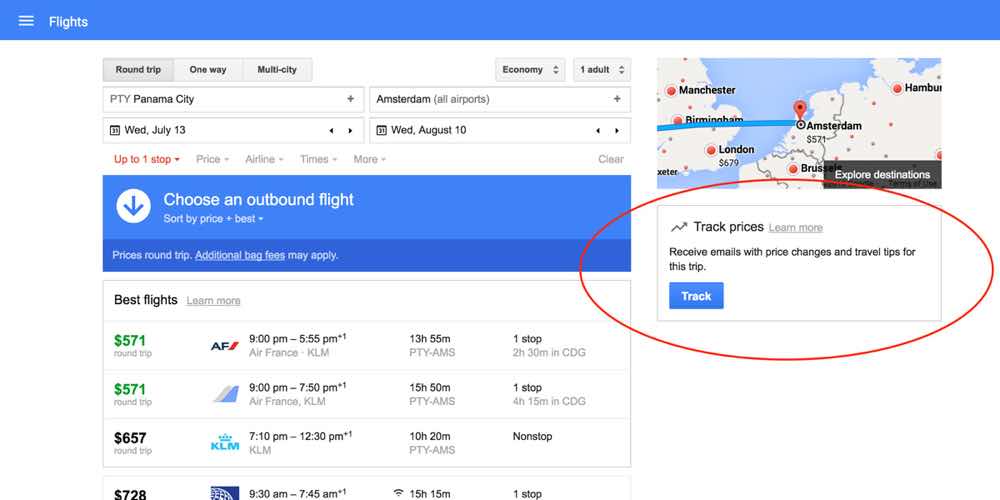
Passive searching is often insufficient. For optimal savings, a proactive approach involving price tracking and alerts is essential. This strategy allows you to capitalize on price drops the moment they occur, ensuring you never overpay.
Setting Price Alerts and Understanding Booking Windows
Most major flight search engines offer a price alert feature. By setting up alerts for your desired route and dates, you’ll receive email notifications whenever the price changes. This allows you to monitor fluctuations without constantly checking manually. Understanding the optimal booking window is also crucial for maximizing savings. While there’s no magic number, general wisdom suggests booking international flights 2-8 months in advance and domestic flights 1-4 months out. However, these are guidelines, not rules. Price alerts help you identify when a price is genuinely low, regardless of the booking window. This strategic monitoring acts as a personal financial advisor for your travel budget, signaling the opportune moment to invest in your flight.
The Incognito Mode “Myth” and Cookie Management
A persistent urban legend suggests that airlines increase prices when they detect repeated searches from the same user through browser cookies. While direct evidence of airlines raising prices purely based on individual cookie tracking is debatable and often exaggerated, airlines do employ dynamic pricing. This means prices can change rapidly based on demand and other real-time factors. Using incognito mode or clearing cookies, therefore, doesn’t inherently guarantee a cheaper price, but it does ensure you’re seeing the freshest, most unbiased search results without any potential for personalized price adjustments that might occur if a site “remembers” your previous interest. For strict financial discipline, it’s a simple, harmless step worth taking.
Unlocking Hidden Savings: Advanced Strategies Beyond Direct Booking
The quest for the cheapest flights often requires looking beyond the conventional direct booking methods. Several advanced strategies, while potentially requiring more effort or carrying specific caveats, can yield significant financial benefits.
Strategic Use of Budget Airlines and Basic Economy Fares
Budget airlines have revolutionized air travel by offering no-frills, highly competitive fares. However, their pricing model demands careful scrutiny to avoid unexpected costs.
Decoding the True Cost of Low-Cost Carriers
A basic economy fare or a ticket on a budget airline (e.g., Spirit, Frontier, Ryanair, EasyJet) might appear incredibly cheap initially. However, these fares typically exclude amenities that are standard on full-service carriers, such as checked baggage, carry-on bags (beyond a small personal item), seat selection, in-flight meals, and even printing your boarding pass at the airport. Failure to account for these “add-ons” can quickly erode any initial savings, sometimes making the budget option more expensive than a full-service alternative. The financially savvy traveler meticulously calculates the total anticipated cost, including all potential fees, before committing to a budget airline, treating it as a comprehensive financial assessment.
Leveraging Self-Transfer and Multi-City Itineraries
Sometimes, flying directly to your destination is more expensive than booking two separate tickets to get there, especially if your destination is a smaller airport. This “self-transfer” strategy involves booking the first leg to a major hub and then a separate, cheaper flight from that hub to your final destination, often using different airlines. Similarly, booking a “multi-city” itinerary (flying into one city and out of another) can sometimes be cheaper than a round-trip to a single city, especially in Europe. While these tactics can offer significant savings, they also introduce risk. If the first flight is delayed and you miss your connection, you’re usually not protected by the airline’s rebooking policies, as these are separate tickets. This strategy requires a careful financial risk assessment, often mitigated by leaving ample layover time (e.g., 4+ hours) and potentially purchasing robust travel insurance.
Harnessing Loyalty Programs and Credit Card Rewards
For frequent travelers, or even those planning a single significant trip, leveraging airline loyalty programs and travel-specific credit card rewards can lead to substantial long-term savings, transforming accumulated points into free or heavily discounted flights.
The Long-Term Financial Play of Points and Miles
Enrolling in airline loyalty programs is a no-brainer. Even if you don’t fly one airline exclusively, accumulating miles can lead to free upgrades, baggage waivers, or even free flights over time. However, the real game-changer is often travel rewards credit cards. Many cards offer generous sign-up bonuses (e.g., 50,000+ miles) after meeting a minimum spending requirement. These miles can be redeemed for flights, potentially covering the entire cost of a ticket. Strategically using these cards for everyday expenses, paying them off in full each month to avoid interest, transforms routine spending into travel currency. This is a powerful personal finance strategy that turns consumption into investment in future experiences.
Utilizing Companion Passes and Airline-Specific Perks
Some premium travel credit cards offer companion passes, allowing a travel partner to fly for free or at a reduced rate once certain spending thresholds are met. These can represent incredible value for couples or families. Furthermore, certain airline-branded credit cards provide perks like free checked bags, priority boarding, and lounge access, all of which contribute to a more comfortable and financially optimized travel experience, as these are costs you would otherwise incur.
Avoiding Common Pitfalls and Securing Your Financial Travel Safety Net
Even the most meticulous planning can encounter unforeseen challenges. Prudent financial management extends beyond simply finding the cheapest ticket; it encompasses safeguarding your investment and mitigating potential losses.
Scrutinizing the Fine Print: Beyond the Ticket Price
A cheap flight is only truly cheap if it doesn’t come with hidden costs or unacceptable compromises. It’s imperative to read the fine print before booking to understand the full financial implications of your choice.
Unpacking Baggage Allowances, Change Fees, and Seat Selection
Always verify the baggage policy for your specific fare class and airline. What seems like a fantastic deal can quickly sour if you’re hit with exorbitant fees for a carry-on or checked bag. Similarly, understand the change and cancellation policies. Basic economy fares are often non-refundable and non-changeable, meaning any change in plans results in a complete financial loss of the ticket value. Even seat selection, a seemingly minor detail, can incur charges on many flights. Factoring these potential costs into your initial budget assessment is crucial for accurate financial forecasting of your trip.
The Indispensable Value of Travel Insurance
While it might seem like an additional expense, comprehensive travel insurance is a critical financial safety net that can protect your entire travel investment from unforeseen circumstances.
Protecting Your Investment: Delays, Cancellations, and Medical Emergencies
Travel insurance covers a wide range of potential financial losses: flight delays and cancellations, lost luggage, medical emergencies abroad, and even trip interruption or cancellation due to unforeseen events. Without it, you could face thousands of dollars in out-of-pocket expenses if something goes awry. For example, a sudden illness requiring medical evacuation could cost tens of thousands. Investing in a robust travel insurance policy is not merely an option but a prudent financial decision, protecting your hard-earned money and providing peace of mind. It’s an essential component of responsible financial planning for any significant trip.
Holistic Budgeting: Beyond Airfare
While flights often represent a significant portion of travel costs, neglecting other expenses can quickly derail a carefully planned budget. A holistic financial perspective is key.
Integrating Accommodation, Ground Transport, and Activities into Your Budget
A cheap flight means little if your destination’s accommodation is prohibitively expensive or if ground transport costs eat up your remaining budget. When searching for flights, simultaneously consider the cost of lodging (hostels, hotels, Airbnbs), local transportation (public transport, taxis, car rentals), and potential activity expenses. Tools like Google Flights now integrate hotel pricing, helping you make more informed decisions about overall destination affordability. A comprehensive financial plan for your entire trip ensures that securing a cheap flight contributes to genuine overall savings, rather than merely shifting the expense burden elsewhere.

Conclusion
The pursuit of affordable air travel is an integral component of astute personal finance and a cornerstone of accessible global exploration. By embracing flexibility, leveraging sophisticated digital tools, adopting advanced booking strategies, and meticulously accounting for all potential costs, you can demystify the process of finding the cheapest flights to virtually any corner of the globe. This isn’t about mere penny-pinching; it’s about strategic financial management, intelligent resource allocation, and empowering your wanderlust without compromising your financial well-being. With these insights and a disciplined approach, the world truly becomes your oyster, accessible and affordable, one strategically booked flight at a time.
aViewFromTheCave is a participant in the Amazon Services LLC Associates Program, an affiliate advertising program designed to provide a means for sites to earn advertising fees by advertising and linking to Amazon.com. Amazon, the Amazon logo, AmazonSupply, and the AmazonSupply logo are trademarks of Amazon.com, Inc. or its affiliates. As an Amazon Associate we earn affiliate commissions from qualifying purchases.