
In the vast and often labyrinthine world of online travel, Skyscanner stands out not merely as a booking platform, but as a pioneering force in travel technology. At its core, Skyscanner is a global travel metasearch engine that empowers users to search and compare prices for flights, hotels, and car rentals from millions of providers worldwide. It is a sophisticated digital tool, an app, and a website that leverages advanced algorithms and extensive data aggregation to simplify the complex process of planning travel. More than just a convenience, Skyscanner represents a significant leap in how technology can democratize access to travel information, offering transparency and choice in an industry historically opaque. It’s a testament to how intelligent software design and robust data infrastructure can put unparalleled decision-making power directly into the hands of the traveler.
The Genesis of a Travel Tech Innovator
The journey of Skyscanner began in 2003, born from a simple yet profound frustration: the tedious and time-consuming process of finding affordable flights. Co-founders Gareth Williams, Barry Smith, and Bonamy Grimes envisioned a single digital portal that could aggregate flight information from myriad airlines and online travel agencies (OTAs), presenting it in an unbiased, easy-to-digest format. This initial concept was inherently technological, recognizing the potential of web crawlers and data processing to solve a real-world problem.
From its humble beginnings as a small startup in Edinburgh, Scotland, Skyscanner’s mission was clear: to build the most comprehensive and user-friendly travel search engine possible. This required significant investment in engineering talent and data infrastructure. Unlike traditional online travel agencies that sell tickets directly, Skyscanner opted for a metasearch model. This technological distinction is crucial; it means Skyscanner doesn’t process payments or issue tickets itself. Instead, it acts as a digital concierge, sifting through vast amounts of real-time data from countless third-party providers – airlines, hotel chains, car rental companies, and other booking sites – to present users with a consolidated view of available options and prices. The early focus was on flights, developing sophisticated algorithms to efficiently crawl, index, and compare prices across an ever-growing network of partners, a technological feat that quickly set it apart from competitors. This foundation of robust data management and efficient search algorithms paved the way for its rapid expansion and eventual global dominance in the travel tech sphere.
How Skyscanner’s Technology Works Under the Hood
Skyscanner’s ability to instantly scour millions of travel options and present them to users is a marvel of modern software engineering and data science. Its operational backbone relies on several interconnected technological pillars, making it far more than just a simple search bar.
Data Aggregation and Real-time Processing
At the core of Skyscanner’s functionality is its highly advanced data aggregation engine. This system continuously crawls, scrapes, and integrates data from thousands of external sources, including global distribution systems (GDS), airline direct APIs, hotel central reservation systems, and third-party booking platforms. This isn’t a static database; it’s a dynamic, constantly updated stream of information. When a user initiates a search, Skyscanner’s backend queries these numerous sources in real-time, pulling in the most current prices and availability. The sheer volume and velocity of this data necessitate a highly scalable and fault-tolerant architecture, often distributed across cloud computing environments to handle peak loads and ensure rapid response times. This real-time processing capability is what allows Skyscanner to show prices that reflect the immediate market conditions, a critical advantage in the volatile travel industry.
Algorithmic Intelligence and Optimization
Beyond simple data retrieval, Skyscanner employs sophisticated algorithms to process, filter, and rank the retrieved information. These algorithms are designed to do more than just find the cheapest price; they aim to identify the ‘best value’ for the user. This involves complex calculations that consider factors such as flight duration, layovers, airline reputation, baggage policies, and even the user’s past search history and preferences. Machine learning models play a significant role here, particularly in features like “best time to book” predictions or personalized recommendations.
For flight searches, the routing algorithms are particularly complex, capable of finding multi-segment journeys that might be cheaper or more convenient than direct flights, even if they involve different airlines. For hotel and car rentals, similar optimization algorithms work to present a diverse range of options, considering location, ratings, amenities, and price points. The goal is to provide intelligent insights rather than just raw data, helping users navigate a vast sea of choices efficiently.
Scalable Architecture and API Integrations
To support its global operations and millions of daily queries, Skyscanner relies on a highly scalable, microservices-based architecture. This allows different components of its system (e.g., flight search, hotel search, price alerts, user authentication) to operate independently, making the platform resilient and easy to update. Cloud infrastructure providers play a crucial role, offering the elasticity needed to scale resources up or down based on demand.
Furthermore, a robust suite of APIs (Application Programming Interfaces) is fundamental to Skyscanner’s interaction with its partners. These APIs enable seamless, automated communication between Skyscanner’s platform and the booking systems of airlines, hotels, and OTAs. This integration is a two-way street, allowing Skyscanner to fetch data and, in some cases, redirect users directly to partner sites for booking, ensuring a smooth transition from search to transaction. The precision and reliability of these API integrations are paramount to maintaining the accuracy and trustworthiness of the information Skyscanner provides.
Key Features and Technological Advantages
Skyscanner’s success is not just in its underlying technology, but also in how that technology is manifested through user-centric features. These features highlight clever applications of its robust backend.

The “Everywhere” Search and Price Alerts
Perhaps one of Skyscanner’s most celebrated features is the “Everywhere” search. This ingenious function allows users to enter their departure airport and leave the destination open, letting Skyscanner identify the cheapest destinations available from that location for a given time period. Technologically, this requires an incredibly efficient and comprehensive database of global routes and prices, coupled with algorithms capable of swiftly querying and comparing hundreds of thousands of potential routes to uncover the lowest fares. It’s a testament to the platform’s ability to process massive datasets and offer serendipitous travel possibilities, going beyond explicit user queries.
Complementing this is the Price Alert system. Users can set up alerts for specific routes or flights, and Skyscanner’s backend continually monitors price fluctuations for those criteria. When a significant price drop or rise occurs, the system automatically notifies the user via email or app notification. This feature relies on real-time data monitoring, change detection algorithms, and a robust notification infrastructure, empowering travelers to book at opportune moments and saving them significant amounts of money through proactive intelligence.
Multi-City and Flexible Date Searches
For complex itineraries, Skyscanner’s multi-city search functionality is invaluable. Instead of stringing together multiple one-way tickets, users can plan intricate routes involving several destinations. The underlying algorithms for this are far more sophisticated than simple point-to-point searches, as they must optimize for multiple segments, considering various airline combinations, layover times, and pricing models across the entire journey to find the most cost-effective and time-efficient sequence of flights.
Similarly, the flexible date search options, such as “cheapest month” or “cheapest day,” demonstrate Skyscanner’s advanced data analysis capabilities. Instead of searching for a single date, the system analyzes price trends over extended periods (weeks or months) to identify the optimal time to travel for a specific route. This requires the processing and historical analysis of vast amounts of pricing data, presenting aggregated insights that would be impossible for an individual to discover manually. It transforms a tedious manual comparison into an instantaneous, data-driven recommendation.
Mobile-First Design and App Excellence
Recognizing the pervasive nature of mobile devices, Skyscanner has invested heavily in its mobile applications for iOS and Android. The apps are not merely scaled-down versions of the website but are engineered from the ground up to offer a seamless, intuitive, and feature-rich experience optimized for smaller screens and touch interactions. This involves careful consideration of UI/UX principles, performance optimization for varying network conditions, and leveraging native device capabilities (like push notifications for price alerts). The mobile app serves as a primary touchpoint for many users, and its robust engineering ensures that the power of Skyscanner’s backend technology is delivered efficiently and effectively on the go, making travel planning accessible anytime, anywhere.
User Experience and Interface Design as a Technological Priority
While much of Skyscanner’s prowess lies in its complex backend algorithms and data processing, its front-end user experience (UX) and interface (UI) design are equally critical technological achievements. A powerful engine is only effective if its controls are intuitive and accessible. Skyscanner prioritizes a clean, minimalist design that hides the underlying complexity, making it easy for anyone to use, regardless of their technical proficiency.
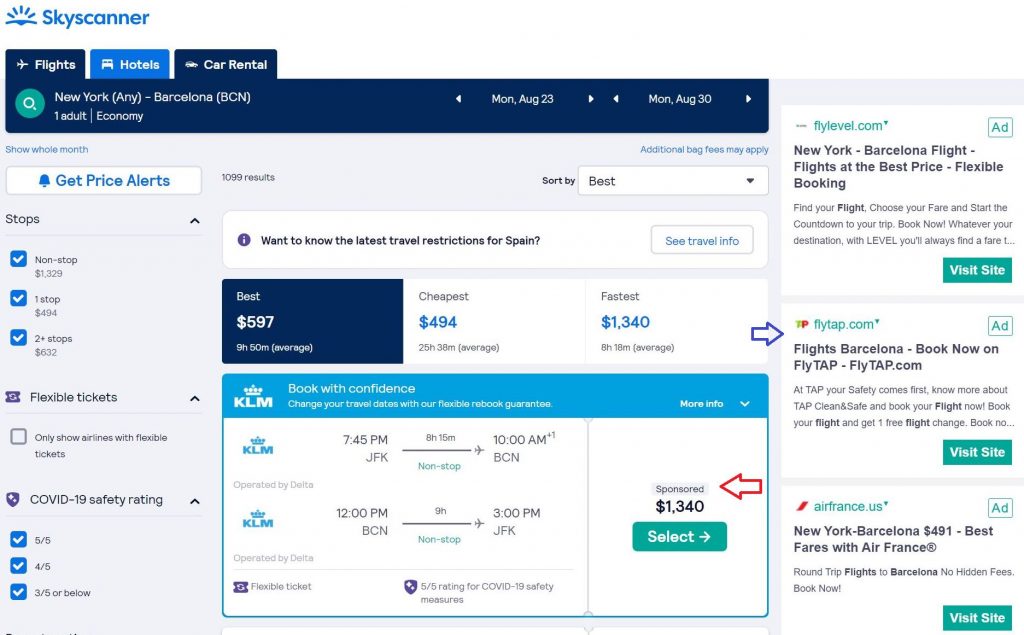
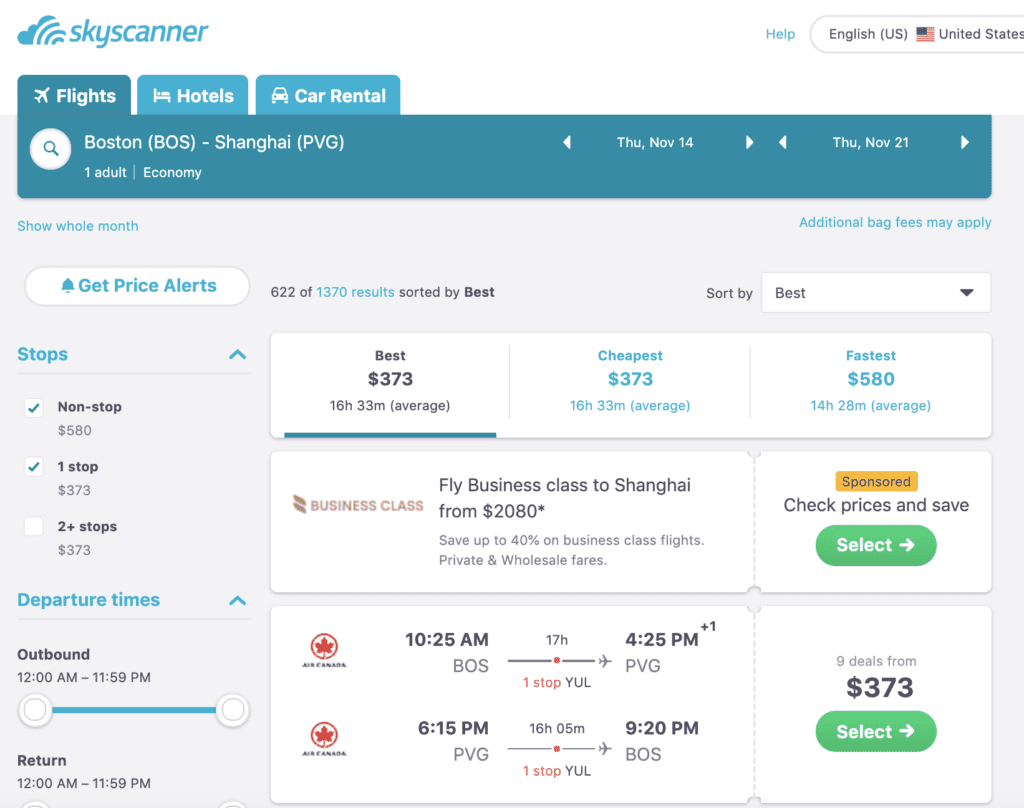
The design philosophy focuses on clarity and speed. When a user performs a search, the results are presented in an uncluttered, easy-to-compare format. Filters for airlines, stops, departure times, and airports are prominently displayed and instantly responsive, allowing users to quickly narrow down options. This responsiveness is a direct result of efficient front-end coding and seamless integration with the backend, minimizing load times and ensuring a fluid user interaction.
Personalization is another area where technology enhances UX. While Skyscanner guards user privacy fiercely, its systems learn from user behavior (e.g., frequently searched routes, preferred airlines, previous bookings) to subtly tailor search results and recommendations over time. This is achieved through machine learning models that analyze aggregated, anonymized data to predict user preferences and present more relevant options, making each user’s experience feel more bespoke and efficient. This intelligent tailoring transforms a generic search engine into a smart travel assistant.
The Future of Travel Tech and Skyscanner’s Evolving Role
As technology continues to advance at a rapid pace, Skyscanner remains at the forefront of innovating the travel tech landscape. The future will likely see even greater integration of emerging technologies to enhance the travel planning and booking experience.
Artificial Intelligence (AI) and machine learning are already fundamental to Skyscanner’s operations, but their role is poised to expand significantly. We can expect more sophisticated price prediction models that leverage AI to account for dynamic market variables with even greater accuracy. AI-driven chatbots and virtual assistants, integrated directly into the Skyscanner platform, could offer more personalized and conversational search experiences, helping users plan complex trips with natural language queries. Imagine telling an AI assistant your budget, desired experience, and available dates, and having it instantly curate a full itinerary based on real-time data and your preferences.
Furthermore, the rise of voice search and smart home devices presents new interfaces for travel planning. Skyscanner’s technology stack will need to adapt to these new modalities, ensuring its vast dataset and search capabilities are accessible through voice commands and integrated into broader digital ecosystems. Augmented reality (AR) could also play a role, perhaps offering virtual tours of hotels or real-time navigation assistance in airports.
Beyond these technological advancements, Skyscanner’s role as an aggregator and transparent information provider will only become more critical. In an increasingly fragmented online travel market, its ability to cut through the noise and present unbiased, comprehensive options will continue to be its defining technological advantage. As the travel industry embraces new payment methods, blockchain for secure transactions, or even metaverse experiences, Skyscanner’s agile and scalable architecture positions it well to integrate these innovations, ensuring it remains an essential tool for travelers navigating the ever-evolving digital landscape of travel. Its journey is a continuous exploration of how technology can make the world more accessible and travel planning effortlessly intelligent.
aViewFromTheCave is a participant in the Amazon Services LLC Associates Program, an affiliate advertising program designed to provide a means for sites to earn advertising fees by advertising and linking to Amazon.com. Amazon, the Amazon logo, AmazonSupply, and the AmazonSupply logo are trademarks of Amazon.com, Inc. or its affiliates. As an Amazon Associate we earn affiliate commissions from qualifying purchases.