
In an era where travel has become an increasingly integral part of our lives—for business, leisure, and connecting with loved ones—the cost of airfare remains one of the most significant barriers. For many, the dream of exploring new horizons or reuniting with family often collides with the harsh reality of ticket prices. Yet, the notion that affordable air travel is a relic of the past couldn’t be further from the truth. With strategic thinking, an understanding of market dynamics, and the judicious application of financial savvy, finding exceptional flight deals is not only possible but entirely within your grasp. This guide delves into the financial intricacies of airfare, equipping you with the knowledge and tools to consistently unlock significant savings and make your travel budget go further.
Understanding the Economics of Airfare
Before one can master the art of finding flight deals, it’s crucial to grasp the underlying economic principles that govern airfare pricing. Airlines operate in a highly competitive and complex market, where prices are not static but rather a fluid reflection of numerous variables. Understanding these fundamentals empowers you to anticipate price movements and position yourself to capitalize on favorable market conditions.
The Dynamic Pricing Model
At the heart of modern airfare is the dynamic pricing model. Unlike traditional retail where an item has a fixed price, airline tickets are subject to constant fluctuation, sometimes changing multiple times within a single day. This is driven by sophisticated algorithms that analyze a multitude of factors in real-time. These factors include remaining seat inventory, competitor pricing, booking trends for specific routes, historical data for similar periods, and even the type of device or location from which you are searching (though the latter is often exaggerated in its impact). The goal for airlines is to maximize revenue per flight by selling each seat at the highest possible price the market will bear at any given moment. This means that two passengers on the same flight could have paid vastly different fares based on when they booked, how they booked, and their specific travel parameters.
Supply, Demand, and Seasonality
Like any commodity, airfare is heavily influenced by the classic economic principles of supply and demand. High demand for a particular route during peak travel periods (e.g., summer holidays, Christmas, spring break) inevitably drives prices up. Conversely, during off-peak seasons or on routes with lower passenger volumes, airlines are more likely to offer competitive pricing to fill seats. Seasonality isn’t just about calendar holidays; it also encompasses local events, festivals, and even weather patterns at the destination. Airlines adjust their flight schedules (supply) based on anticipated demand, but unforeseen events or shifts in travel patterns can create opportunities for deals when supply temporarily outstrips demand. Understanding these cycles allows you to strategically plan your travel dates to align with periods of lower demand and, consequently, lower prices.
The Impact of Fuel Costs and Ancillary Revenue
Fuel is one of an airline’s largest operating expenses, and its volatility directly impacts ticket prices. When global oil prices spike, airlines often pass these increased costs on to consumers through higher fares or fuel surcharges. Conversely, periods of lower fuel costs can create opportunities for more aggressive pricing. Beyond the base fare, airlines have increasingly relied on ancillary revenue – income from services beyond the ticket price, such as baggage fees, seat selection, in-flight meals, and priority boarding. This shift means that the headline fare might appear low, but the total cost of your journey could escalate significantly if you require these additional services. Savvy travelers account for these potential add-ons when evaluating the true financial value of a “deal,” understanding that a cheaper base fare might come with hidden costs that erode savings.
Strategic Approaches to Saving Money on Flights
With a foundational understanding of airline economics, we can now explore actionable strategies focused purely on reducing your outlay on air travel. These approaches require flexibility, patience, and a keen eye for value.
Flexibility is Your Financial Friend
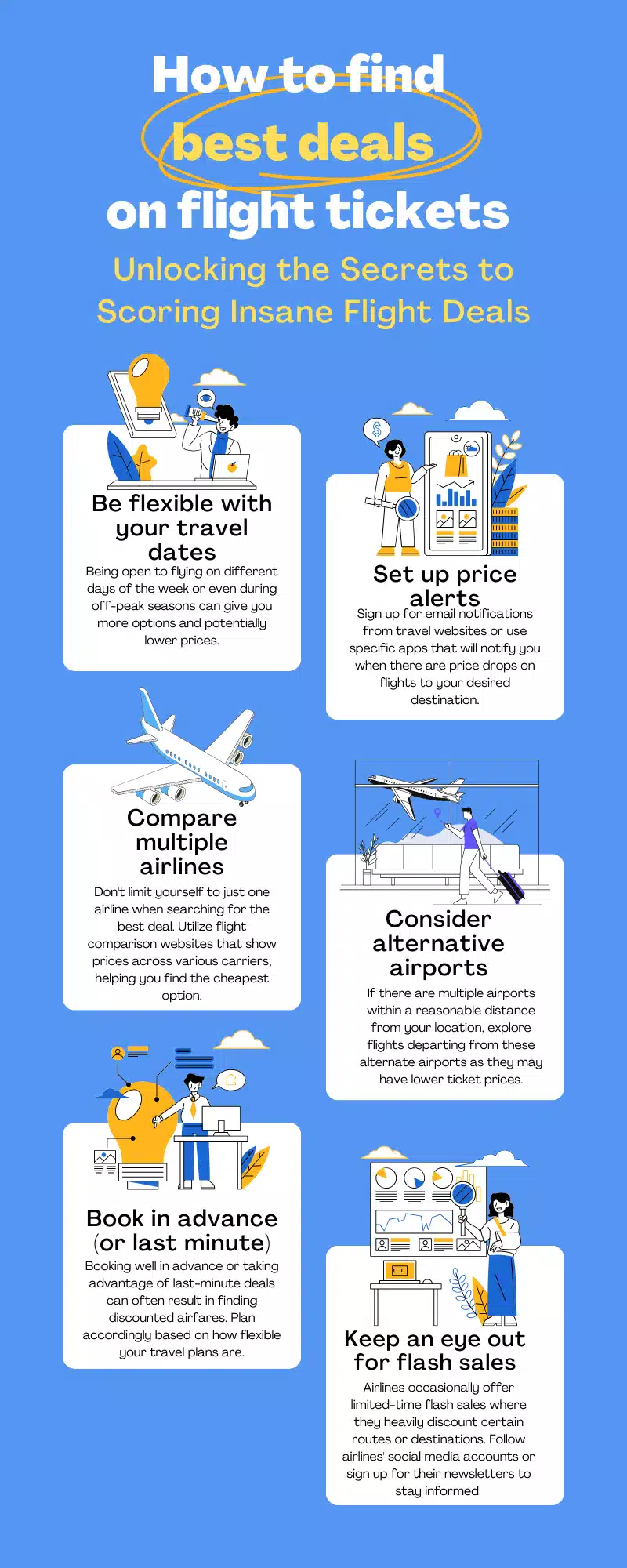
Perhaps the most potent weapon in a deal-hunter’s arsenal is flexibility. Being adaptable with your travel dates, times, and even destinations can unlock enormous savings. Flying on weekdays, particularly Tuesdays, Wednesdays, and Saturdays, often yields lower fares compared to peak travel days like Fridays and Sundays. Early morning flights or late-night red-eyes, while less convenient, typically carry a lower price tag. Furthermore, if your travel purpose allows for it, being open to multiple destinations within a region rather than fixed on one can lead you to incredible bargains. For instance, instead of insisting on Paris, consider flying into a nearby hub like Brussels or Frankfurt and taking a high-speed train, which can often be cheaper than a direct flight. This geographical flexibility can be a game-changer for your budget.
The Art of Timing Your Purchase
There’s no single “magic” day or time to book a flight that guarantees the lowest price. However, historical data and industry insights suggest optimal booking windows. Generally, for international flights, booking 2-8 months in advance tends to yield the best prices. For domestic flights, the sweet spot often falls between 1-3 months out. Prices tend to rise sharply in the last few weeks before departure as airlines target last-minute business travelers who are less price-sensitive. Conversely, booking too far in advance can also mean missing out on sales or promotional fares that emerge closer to the travel date. The key is to monitor prices diligently within your optimal window and be prepared to book when a good deal appears, rather than waiting for an elusive “absolute lowest.”
Leveraging Alternative Airports and Routes
Major international airports often come with higher landing fees and operating costs for airlines, which are then passed on to consumers. Exploring smaller, secondary airports near your desired destination can significantly reduce your fare. For example, flying into London Stansted or Luton might be cheaper than Heathrow or Gatwick, even after accounting for ground transportation costs. Similarly, connecting flights are frequently less expensive than direct routes. While they add travel time, the financial savings can be substantial, making the trade-off worthwhile for budget-conscious travelers. Always calculate the total cost, including transfers, before deciding, but never dismiss these alternative options without careful consideration.
The Value of Budget Airlines vs. Full-Service Carriers
Budget airlines have revolutionized air travel by offering no-frills, low-base fares. Companies like Ryanair, Spirit, and Frontier strip away all amenities, charging extra for everything from carry-on bags to water. This model can result in incredibly cheap tickets, but it’s crucial to understand the true “all-in” cost. For a short trip with minimal luggage, a budget airline can be an unparalleled money-saver. However, if you require checked bags, specific seat assignments, or desire in-flight comforts, a full-service carrier might offer a better overall value proposition, even if its initial fare appears higher. Always perform a comprehensive cost comparison, itemizing all potential fees, before committing to a budget airline, ensuring that the perceived savings don’t evaporate once all your needs are factored in.

Essential Tools and Techniques for Smart Savers
In today’s digital age, a plethora of online resources can significantly aid your quest for affordable airfare. Leveraging these tools effectively is key to navigating the complex market and uncovering the best financial opportunities.
Aggregators and Price Comparison Sites
Flight aggregators like Skyscanner, Google Flights, Kayak, and Momondo are indispensable. These platforms scour hundreds of airlines and online travel agencies (OTAs) to present you with a wide array of options and prices. They allow you to compare fares across different carriers and dates, often highlighting the cheapest days to fly within a given month. Crucially, these tools aren’t just for booking; they are powerful research instruments that help you understand pricing trends for your desired routes. While they don’t always capture every single deal (especially those direct from airline websites or error fares), they provide an excellent baseline and often point you towards the most financially advantageous options.
Price Alerts and Prediction Tools
Many aggregators offer price alert features that notify you via email when the fare for a watched route drops. This passive monitoring is incredibly valuable, as it removes the need for constant manual checking and ensures you don’t miss a sudden price dip. Some tools, like Google Flights, even offer price prediction insights, indicating whether a price is likely to rise or fall based on historical data. While these predictions are not infallible, they can offer a helpful financial nudge, signaling whether it’s time to buy or if it’s worth holding out a little longer for potential further savings.
Incognito Mode and VPNs: Myth vs. Reality
A popular piece of advice often circulated is to use incognito mode or a VPN to avoid higher prices supposedly triggered by websites tracking your searches. While some sites do use cookies to remember your preferences, the impact on dynamic pricing is largely minimal for individual searches. Airlines’ algorithms are far more sophisticated, primarily responding to real-time demand, available inventory, and competitor pricing rather than your personal browsing history. While incognito mode doesn’t hurt and can provide a clean slate for comparison, don’t expect it to magically unlock secret deals. Focus your energy on genuine money-saving strategies like flexibility and timely booking rather than relying on browser tricks.
Harnessing Loyalty Programs and Credit Card Perks
For frequent flyers, loyalty programs offer significant financial benefits in the form of redeemable miles or points for free or discounted flights. Strategic accumulation of points through flying, co-branded credit cards, and partner promotions can lead to substantial savings. Many travel-focused credit cards also offer sign-up bonuses, annual travel credits, complimentary checked bags, and elite status perks that can offset the cost of airfare and enhance the travel experience. A thorough analysis of your spending habits and travel frequency can reveal which credit cards and loyalty programs offer the best return on your investment, effectively turning everyday spending into future flight savings.
Advanced Tactics for the Savvy Traveler
For those willing to delve deeper and embrace slightly less conventional methods, even greater financial rewards await. These advanced tactics require a bit more effort and research but can yield truly exceptional savings.
Error Fares and Flash Sales
Occasionally, human error or technical glitches in an airline’s pricing system can lead to “error fares”—tickets sold at incredibly low prices, sometimes pennies on the dollar. These are rare and fleeting opportunities, often rectified quickly once discovered by the airline. To catch them, you typically need to follow deal-tracking websites and social media accounts dedicated to uncovering such anomalies. Similarly, flash sales, where airlines offer deeply discounted fares for a very limited time, can offer substantial savings. The key to capitalizing on both is speed and readiness to book instantly, as these deals vanish as quickly as they appear.
Open-Jaw and Multi-City Tickets
An “open-jaw” ticket is one where you fly into one city and depart from another, or fly from your origin to a destination and return to a different airport than your starting point. A “multi-city” ticket involves multiple stops and destinations. These options can be surprisingly cost-effective compared to standard round-trip fares, especially if you plan to travel extensively within a region. For example, flying from New York to London and then taking ground transport to Rome before flying back to New York can be cheaper than two separate round trips. This strategy requires more planning but offers immense financial flexibility and allows for richer travel experiences without incurring exorbitant costs.
The Benefits of Bundling (Flights + Hotel)
While often overlooked by those focused solely on airfare, booking flight-and-hotel packages can sometimes offer significant savings over purchasing each component separately. Online travel agencies frequently secure preferential rates from hotels and airlines, allowing them to offer attractive bundled deals. This strategy is particularly effective for leisure travelers whose dates and destinations are fixed. Always compare the bundled price against the individual cost of the flight and hotel to ensure it truly represents a saving, but don’t dismiss package deals out of hand, as they can sometimes unlock discounts not available when booking à la carte.

Flying Basic Economy: Is it Worth the Savings?
Many airlines now offer “Basic Economy” fares, which are the cheapest tickets available but come with significant restrictions: no seat selection, strict baggage limits (often only a personal item), no changes or refunds, and often last-to-board status. The financial appeal is obvious—these tickets are notably cheaper. However, the critical question for the budget-conscious traveler is whether the savings outweigh the potential inconveniences and additional costs if restrictions are violated. For a short, solo trip where you only need a backpack, Basic Economy can be an excellent money-saving choice. For longer trips, family travel, or situations requiring flexibility, the trade-off might not be financially sound, and a standard economy ticket could offer better overall value and peace of mind. A careful cost-benefit analysis is essential here.
Ultimately, finding flight deals is less about luck and more about a methodical, financially-aware approach. By understanding the forces that shape airfare, being flexible with your plans, and leveraging the wealth of tools and strategies available, you transform yourself from a passive consumer into an active participant in securing the best possible value for your travel budget. The world awaits, and with these insights, you’re well-equipped to explore it without breaking the bank.
aViewFromTheCave is a participant in the Amazon Services LLC Associates Program, an affiliate advertising program designed to provide a means for sites to earn advertising fees by advertising and linking to Amazon.com. Amazon, the Amazon logo, AmazonSupply, and the AmazonSupply logo are trademarks of Amazon.com, Inc. or its affiliates. As an Amazon Associate we earn affiliate commissions from qualifying purchases.