
Navigating the healthcare system to obtain prescription medications can often feel like a complex financial maze. When it comes to a drug like phentermine, commonly prescribed for weight management, the question “where can I purchase phentermine?” isn’t just about location; it’s fundamentally a question about cost, insurance, legal avenues, and smart financial planning. This article delves into the financial considerations and practical steps involved in acquiring phentermine, ensuring you approach this purchase with a clear understanding of its monetary implications within the realm of personal finance and healthcare budgeting.
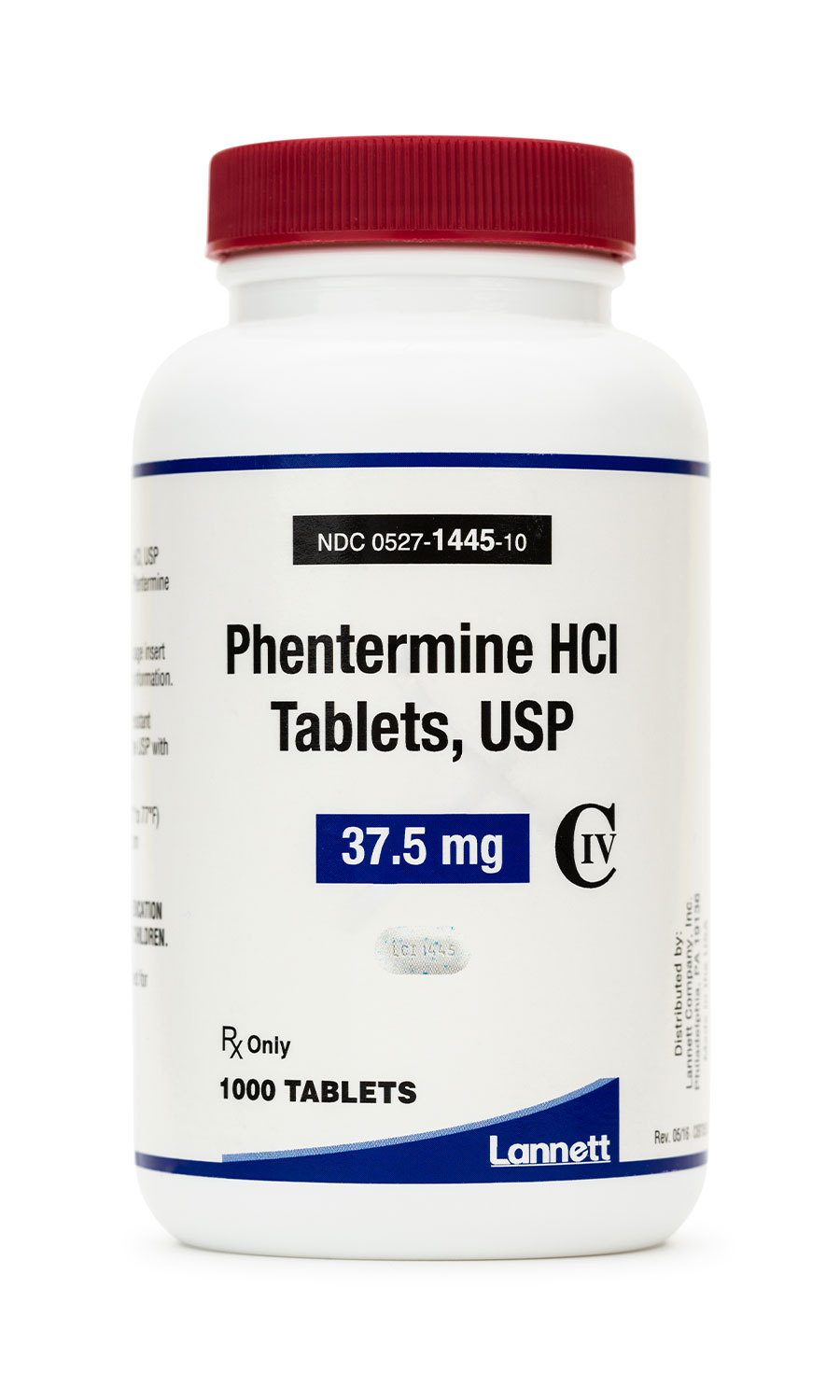
Understanding Phentermine: Beyond the Prescription Pad’s Financial Context
Before exploring the financial aspects of purchasing phentermine, it’s crucial to understand what it is and why it requires a prescription. This context sets the stage for the financial journey you’re about to undertake, highlighting why this isn’t a simple over-the-counter transaction and the associated costs from the outset.
What is Phentermine and Its Purpose?
Phentermine is a prescription medication primarily used for short-term weight loss in individuals who are obese or overweight with at least one weight-related condition, such as high blood pressure, diabetes, or high cholesterol. It functions as an appetite suppressant, helping to reduce hunger and increase feelings of fullness. Because of its mechanism of action and potential side effects, phentermine is a controlled substance in many countries, necessitating strict medical oversight. This classification immediately signals a more involved, and often more costly, acquisition process than non-prescription items. The fact that it’s a prescribed, controlled substance means your journey begins with a medical consultation, which itself carries an initial financial burden. Understanding its purpose also helps frame it as a medical expense, potentially eligible for certain tax benefits or health savings account utilization, which are key financial considerations.
The Prescription Requirement: A Non-Negotiable First Step and Its Costs
The most significant financial gatekeeper for phentermine is the mandatory prescription. You cannot legally purchase phentermine without a valid prescription from a licensed healthcare provider. This means your first financial outlay will likely be for a doctor’s visit. This visit isn’t just a formality; it’s a medical evaluation to determine if phentermine is appropriate and safe for your specific health profile.
The cost of this initial consultation can vary widely depending on several factors:
- Your insurance plan: Co-pays for specialist visits can range from $20 to over $100. If you haven’t met your deductible, the entire visit cost could be your responsibility, potentially hundreds of dollars.
- Type of provider: A primary care physician might have different consultation fees than a bariatric specialist or an endocrinologist.
- Location: Healthcare costs can differ significantly by geographic region.
- Telehealth vs. in-person: While often more convenient, telehealth consultation fees are generally comparable to in-person visits and are subject to the same insurance rules.
Beyond the initial visit, ongoing monitoring and follow-up appointments are often required, adding recurring costs. These follow-ups ensure the medication is working effectively and safely, and they represent continuous financial commitments that must be factored into your budget. Failing to account for these initial and ongoing medical consultation fees can lead to unexpected financial strain, making it crucial to understand your insurance benefits and potential out-of-pocket expenses from the start.
Navigating the Financial Landscape of Phentermine Acquisition
Once you have a valid prescription, the next phase involves actually purchasing the medication. This stage is ripe with financial considerations, from choosing where to buy to understanding how your insurance interacts with the cost of the drug itself.
Pharmacy Options and Pricing Variances
The price of phentermine can vary significantly depending on where you purchase it. Consumers have several options, each with potential financial implications:
- Retail Pharmacies (e.g., CVS, Walgreens, Rite Aid): These are convenient and widely accessible. Prices can vary between chains and even between different locations of the same chain. They often have loyalty programs or discount cards that can reduce out-of-pocket costs.
- Independent Pharmacies: Sometimes, smaller, independent pharmacies can offer more competitive pricing or a willingness to match prices. They might also provide a more personalized service experience.
- Supermarket Pharmacies (e.g., Walmart, Kroger): Many large supermarkets include pharmacies that often leverage their buying power to offer lower prices on generic medications. Walmart, for example, has historically offered very low-cost generic programs.
- Mail-Order Pharmacies (often associated with insurance plans): For long-term medications, mail-order pharmacies can be a cost-effective option, often providing larger supplies (e.g., 90-day fills) at a lower per-pill cost compared to monthly retail purchases. However, it requires planning as immediate access is not possible.
- Online Pharmacies (non-insurance affiliated): While some legitimate online pharmacies exist, particularly those associated with major retail chains, caution is advised. Unregulated online pharmacies can be risky, offering counterfeit drugs or operating illegally. Always verify legitimacy through accredited sources like the National Association of Boards of Pharmacy (NABP) before considering such options, as the financial risk of paying for ineffective or harmful medication is substantial, let alone the health risks.
Comparing prices across these options is a critical financial strategy. Even a few dollars difference per pill can add up significantly over a month or a year.
The Role of Insurance: Coverage, Co-pays, and Deductibles
Health insurance plays a pivotal role in the affordability of phentermine, but its involvement is complex and requires careful examination:
- Formulary Coverage: Not all insurance plans cover phentermine. It must be listed on your plan’s formulary (list of covered drugs). Even if covered, it might be placed in a higher tier, meaning a higher co-pay or co-insurance percentage. Weight loss medications are sometimes considered “lifestyle drugs” and may not be fully covered by all plans, or may require specific criteria to be met before coverage is granted.
- Prior Authorization: Many insurance companies require prior authorization for phentermine. This means your doctor must submit documentation to your insurer explaining why the medication is medically necessary for you. This process can be time-consuming and, if denied, leaves you responsible for the full cost.
- Deductibles and Co-insurance: If you haven’t met your annual deductible, you will likely pay the full negotiated price for phentermine until that deductible is satisfied. After the deductible, co-insurance (a percentage of the cost) or a fixed co-pay will apply. Understanding your plan’s structure—how much your deductible is, what your co-pay/co-insurance percentage is, and what your out-of-pocket maximum is—is vital for predicting your costs.
- Health Savings Accounts (HSAs) and Flexible Spending Accounts (FSAs): These tax-advantaged accounts can be a powerful financial tool for managing prescription costs. Contributions are pre-tax, and withdrawals for qualified medical expenses, including prescription drugs, are tax-free. Using an HSA or FSA effectively reduces the net cost of phentermine by saving you money on taxes.
It is absolutely essential to contact your insurance provider directly or consult their online portal to understand the specifics of your coverage for phentermine. Do not assume it is covered just because your doctor prescribed it.
Strategies for Minimizing Phentermine-Related Costs
Given the potential expenses, proactively seeking ways to reduce the cost of phentermine is a smart financial move. There are several avenues to explore that can significantly lower your out-of-pocket spending.
Generic Alternatives and Manufacturer Programs
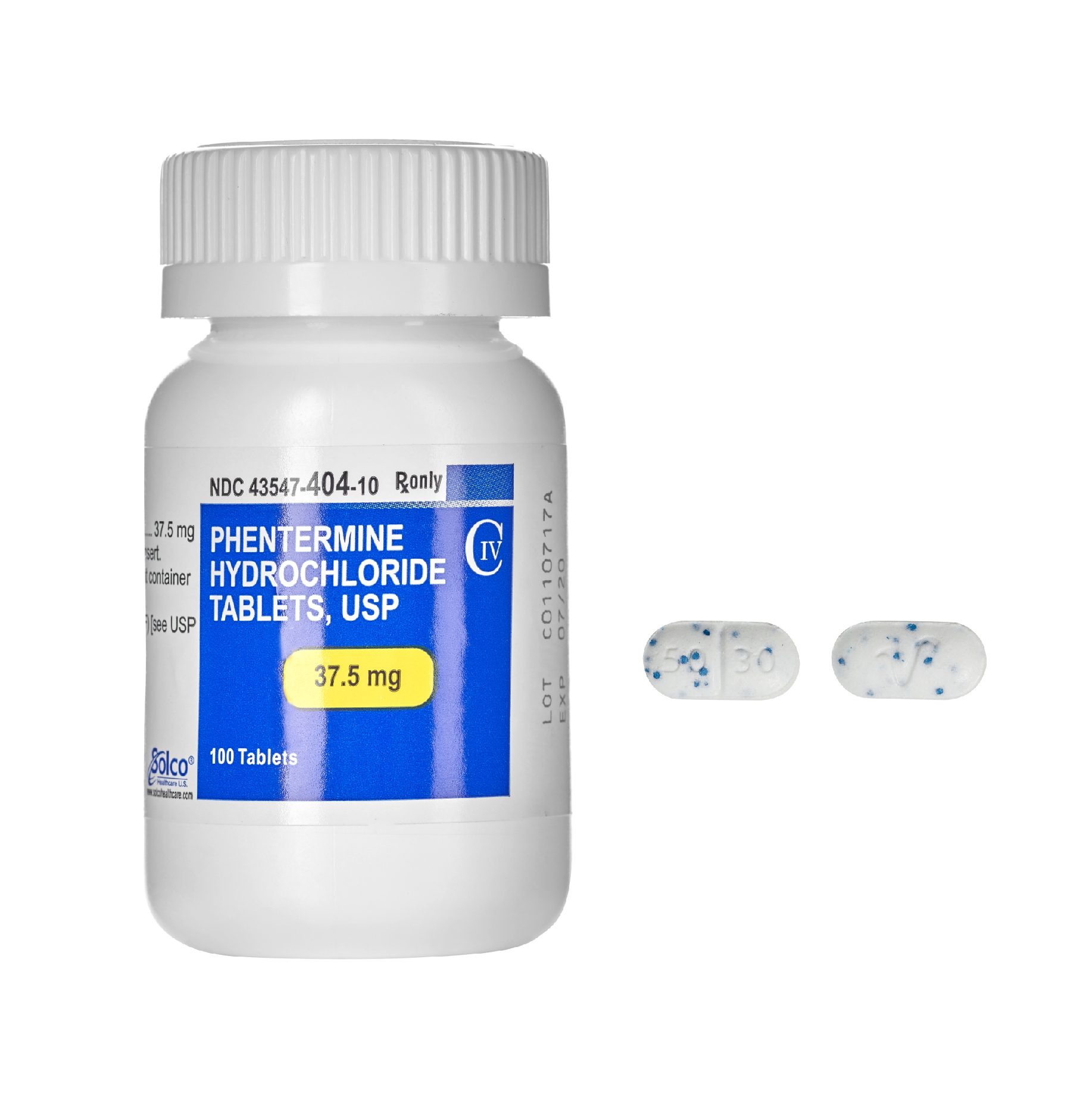
- Generic Phentermine: Always inquire about generic versions. Brand-name medications are almost always more expensive than their generic counterparts, which contain the same active ingredient and are proven to be therapeutically equivalent. Phentermine is available as a generic, and opting for it can lead to substantial savings.
- Patient Assistance Programs (PAPs): While phentermine is a generic, some pharmaceutical manufacturers or advocacy groups may offer patient assistance programs for specific medications or general prescription support. These programs are typically for individuals with limited income or no insurance coverage. Researching if such programs exist for phentermine or related weight loss medications can potentially alleviate a significant financial burden.
- Manufacturer Coupons or Savings Cards: Though more common for newer, brand-name drugs, it’s worth checking if any discount cards are available directly from the manufacturer of a generic phentermine product, or if your pharmacy has access to a general coupon database that includes generics.
Comparing Pharmacy Prices and Discount Programs
Price shopping is not just for groceries; it’s a fundamental financial strategy for prescription drugs.
- GoodRx and Similar Platforms: Websites and apps like GoodRx, SingleCare, WellRx, and Optum Perks aggregate pharmacy prices and offer coupons that can significantly reduce costs, often beating insurance co-pays, especially for generics or if you have a high deductible. Always check these platforms before filling your prescription.
- Asking for Cash Prices: Sometimes, the cash price (without insurance) combined with a discount card can be cheaper than using your insurance, especially for high-deductible plans or medications your insurance doesn’t cover well. Don’t hesitate to ask the pharmacist for the cash price.
- Pharmacy Loyalty Programs: Many retail pharmacy chains have loyalty programs that offer discounts or rewards on prescription purchases. While the direct savings on one prescription might be minimal, they can accumulate over time.
Leveraging Health Savings Accounts (HSAs) and Flexible Spending Accounts (FSAs)
As mentioned, HSAs and FSAs are powerful financial tools that can make phentermine more affordable due to their tax advantages.
- Pre-tax Contributions: Money contributed to these accounts is typically pre-tax, meaning you don’t pay federal income tax (and often state income tax) on those funds. This immediately gives you a discount on any eligible expenses paid with these accounts, including phentermine prescriptions and related doctor visits.
- Tax-Free Withdrawals: When used for qualified medical expenses, withdrawals are tax-free. This double tax advantage makes them exceptionally beneficial for healthcare costs.
- HSA Rollover: A key advantage of an HSA is that funds roll over year after year, accrue interest, and can even be invested, growing tax-free. This makes it an excellent long-term savings vehicle for future medical expenses. FSAs, however, typically have a “use-it-or-lose-it” rule, requiring you to spend the funds within the plan year or a short grace period.
- Eligibility: HSAs are only available to those with high-deductible health plans (HDHPs), while FSAs can be offered with various health plans through an employer. Understanding your eligibility and maximizing contributions can significantly impact your overall healthcare budget.
Avoiding Financial Pitfalls: Safe and Legal Procurement
The desire to save money can sometimes lead individuals down risky paths. When purchasing a controlled substance like phentermine, it’s paramount to prioritize safety and legality to protect both your health and your finances. Unregulated sources carry substantial financial and health risks.
The Dangers of Unregulated Sources
- Counterfeit Drugs and Health Risks: Illicit online pharmacies or “black market” sources often sell counterfeit medications. These can contain incorrect dosages, harmful ingredients, no active ingredient at all, or entirely different substances. Not only are you wasting your money on an ineffective or dangerous product, but you are also putting your health at severe risk, potentially incurring even greater medical expenses down the line due to adverse reactions.
- Financial Scams and Identity Theft: Unregulated websites are frequently fronts for financial scams. You might pay for a product that never arrives, or your payment information could be stolen, leading to fraudulent charges and potential identity theft. Recovering from these financial crimes can be a long and expensive process.
- Legal Consequences: Purchasing controlled substances without a valid prescription from an unverified source is illegal and can lead to severe legal penalties, including fines and imprisonment. These legal costs (attorney fees, court costs) far outweigh any perceived savings from an illicit purchase.
Verifying Pharmacy Legitimacy
To protect your finances and health, always ensure you are purchasing phentermine from a legitimate, licensed pharmacy.
- NABP Accreditation: In the United States, look for pharmacies accredited by the National Association of Boards of Pharmacy (NABP). Their website provides a database of accredited online pharmacies and helps you identify safe sources. Look for the “.pharmacy” domain name, which signifies a verified online pharmacy.
- State Licensure: Verify that the pharmacy is licensed by your state’s Board of Pharmacy. This ensures they meet state-specific regulations for dispensing medication.
- Requires a Prescription: A legitimate pharmacy will always require a valid prescription from a licensed healthcare provider before dispensing phentermine. Any website or service offering to sell phentermine without a prescription is illegal and dangerous.
- Secure Payment Methods: Legitimate online pharmacies use secure, encrypted payment systems. Be wary of sites that demand unusual payment methods like cryptocurrency, wire transfers, or gift cards, as these are often signs of fraud.
Understanding Your Rights and Responsibilities
As a consumer, you have rights regarding your prescription medication and its cost.
- Asking for Price Transparency: You have the right to ask your doctor or pharmacist about the cost of your medication and any less expensive alternatives (e.g., generics).
- Discussing Costs with Providers: Be open with your healthcare provider about your financial concerns. They may be able to prescribe an equally effective but less expensive alternative or suggest ways to mitigate costs.
- Reviewing Bills and Statements: Carefully review all pharmacy receipts and insurance Explanation of Benefits (EOB) statements to ensure you are being charged correctly and that your insurance benefits are applied as expected. Discrepancies should be questioned immediately.
Long-Term Financial Planning for Weight Management
The decision to take phentermine for weight management is often part of a broader health journey that extends beyond the initial prescription. Financial planning for this journey involves more than just the cost of the pills; it encompasses a holistic approach to your health and associated expenses.
Budgeting for Ongoing Medication and Lifestyle Changes
Phentermine is typically prescribed for short-term use, but the goal of sustainable weight management often requires long-term commitment to lifestyle changes. These changes can have their own financial implications:
- Follow-up Medical Visits: As noted, ongoing doctor visits for monitoring are crucial and represent a recurring expense. Budget for these co-pays or deductible contributions.
- Dietary Support: Consulting with a registered dietitian or nutritionist can be invaluable for developing healthy eating habits. These services may or may not be covered by insurance and can range from $50 to $200+ per session.
- Exercise Programs: Gym memberships, personal trainers, or specialized fitness classes contribute to your overall health but also your budget. Explore cost-effective options like home workouts or community programs.
- Healthy Food Budget: Adopting a healthier diet might mean a shift in your grocery budget. While often healthier, some specialized ingredients or organic produce can be more expensive initially. Plan for this adjustment in your household finances.
- Potential Future Medications: If phentermine is discontinued, your doctor might recommend other weight management medications that also carry their own costs and insurance considerations.
Incorporating these potential expenses into your monthly or annual budget ensures that your financial planning supports your long-term health goals, rather than becoming an obstacle.

Reassessing Your Health Insurance Coverage
Your needs and priorities for health insurance may evolve, especially when managing a chronic condition like obesity.
- Annual Enrollment Review: During your employer’s annual open enrollment period or when reviewing marketplace plans, take the time to compare plans. Look specifically at formularies for weight loss medications, the cost of doctor visits, and the overall deductible and out-of-pocket maximums.
- Exploring Plans with Better Coverage: Some health plans offer more robust coverage for weight management programs, dietitian services, or even specific bariatric surgeries if that becomes a future consideration. If weight management is a significant health priority, it may be financially advantageous to choose a plan with higher premiums but better benefits for these services.
- Utilizing HR/Benefit Specialists: If your insurance is through an employer, consult with your Human Resources or benefits specialist. They can often provide guidance on plan options and help you understand how to maximize your benefits for weight-related healthcare.
By taking a proactive and comprehensive approach to the financial aspects of purchasing phentermine and managing your weight, you can ensure that your health journey is supported by sound financial decisions, leading to better outcomes for both your well-being and your wallet.
aViewFromTheCave is a participant in the Amazon Services LLC Associates Program, an affiliate advertising program designed to provide a means for sites to earn advertising fees by advertising and linking to Amazon.com. Amazon, the Amazon logo, AmazonSupply, and the AmazonSupply logo are trademarks of Amazon.com, Inc. or its affiliates. As an Amazon Associate we earn affiliate commissions from qualifying purchases.