
In an era where healthcare costs continue to climb, the question “Which pharmacy is cheaper?” is more than just a passing thought – it’s a critical component of sound personal financial management. Prescription drugs represent a significant, often unpredictable, expense for millions, impacting household budgets from the occasional antibiotic to life-sustaining daily medications. Understanding the opaque world of drug pricing and learning how to strategically shop for prescriptions can lead to substantial savings, freeing up funds for other financial goals or easing the burden on tight budgets. This article delves into the strategies and insights necessary to uncover the best prescription drug prices, empowering you to make informed financial decisions in your healthcare journey.
The Complex Landscape of Prescription Drug Pricing
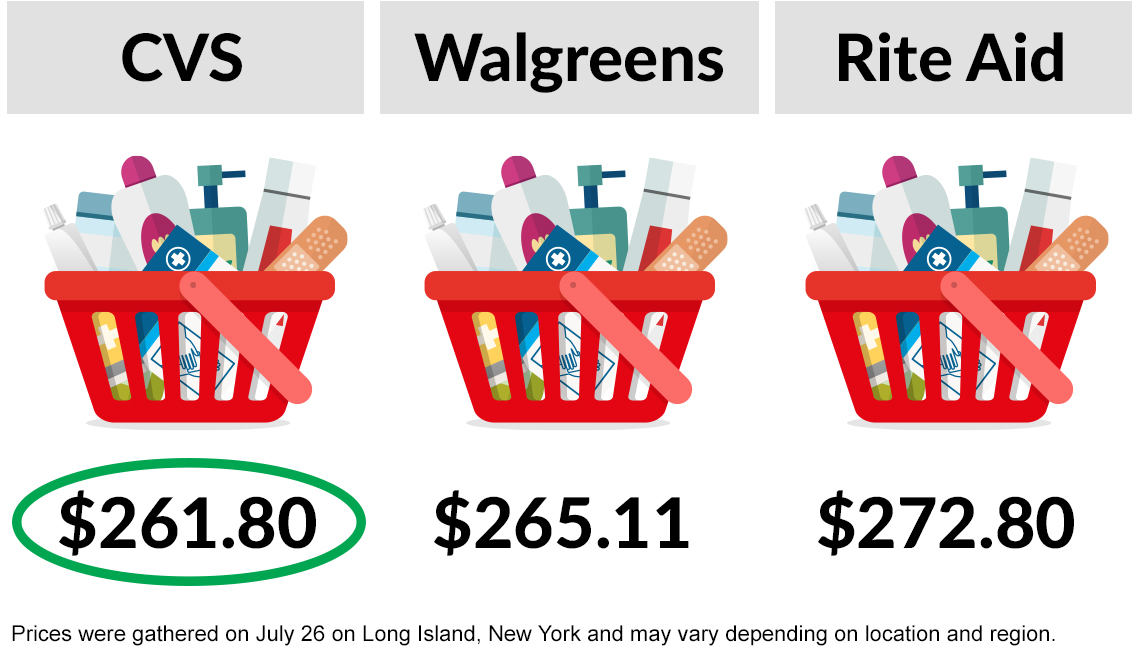
The price you pay for a prescription drug is rarely straightforward. Unlike most consumer goods, prescription drug prices can vary wildly not just from pharmacy to pharmacy, but also day to day, and even depending on whether you use insurance, a discount card, or pay cash. This complexity often leaves consumers feeling helpless, simply accepting the first price they’re quoted. However, a deeper understanding of the underlying factors can demystify the process and reveal avenues for significant savings.
Factors Influencing Drug Costs
Several key players influence the final price of a prescription drug. It begins with the manufacturer, who sets the initial list price for a drug, often influenced by research and development costs, market demand, and competition. Next, pharmacy benefit managers (PBMs), which are third-party administrators for prescription drug programs, negotiate discounts with manufacturers and pharmacies on behalf of insurance companies and large employers. These negotiations are often shrouded in secrecy, making it difficult to ascertain true costs. Finally, the pharmacy itself applies a markup to the price they pay to acquire the drug, covering operational costs and generating profit. This markup can vary significantly based on the pharmacy’s business model, location, and competitive landscape. The interplay of these factors creates a dynamic and often illogical pricing structure that benefits from savvy consumer navigation.
The Illusion of a Single Price
One of the most confusing aspects for consumers is the “illusion of a single price.” You might assume that a drug has a fixed price, but this is far from the truth. A drug’s price can differ dramatically whether you pay cash, use your insurance, or employ a discount card. Sometimes, the cash price offered directly by a pharmacy or through a discount program can be lower than your insurance co-pay, especially if your deductible hasn’t been met or if your insurance plan has poor coverage for a specific drug. This counter-intuitive reality underscores the importance of never assuming your insurance offers the best price. Always compare your insurance co-pay against cash prices and discount card offers before making a purchase.
Why Price Transparency is Lacking
The lack of transparent prescription drug pricing is a systemic issue. The complex web of negotiations between manufacturers, PBMs, insurance companies, and pharmacies means that the actual acquisition cost of a drug is rarely disclosed to the public or even to the prescribing physician. This opacity is often justified by proprietary business practices and the desire to protect competitive advantages. For consumers, however, it translates into a frustrating and often expensive guessing game. While some progress is being made with legislation aimed at increasing transparency, consumers largely remain responsible for actively seeking out the best prices themselves, leveraging available tools and strategies to pierce through the pricing fog.
Strategies for Uncovering Lower Prescription Costs
Armed with an understanding of why prices vary, the next step is to implement actionable strategies to find the most affordable options. This involves diligent research, leveraging financial tools, and engaging proactively with healthcare providers and pharmacists.
Leverage Price Comparison Tools and Apps
The digital age has brought forth a powerful arsenal of tools designed to combat high prescription costs. Websites and mobile applications like GoodRx, SingleCare, RxSaver, and WellRx allow consumers to compare drug prices across various pharmacies in their local area. These platforms often provide coupons or discount cards that can reduce the cost of both generic and brand-name medications significantly, sometimes even below your insurance co-pay. The process is simple: input the drug name, dosage, and your zip code, and the tool will display prices from nearby pharmacies. It’s essential to check these tools every time you fill a prescription, as prices are dynamic and can change frequently. Integrating these apps into your routine is a foundational financial habit for prescription savings.
The Power of Generic vs. Brand-Name Drugs
This is perhaps the most straightforward and impactful strategy for saving money. Generic drugs are chemically identical to their brand-name counterparts, offering the same efficacy, safety, and quality, but typically at a fraction of the cost. When a patent for a brand-name drug expires, other manufacturers can produce generic versions, leading to increased competition and lower prices. Always ask your doctor if a generic alternative is available for your prescription. If they prescribe a brand-name drug, inquire if a generic substitute could be equally effective. Pharmacists can also provide guidance on generic availability. Opting for generics can instantly slash your prescription costs by 80% or more, a significant boon to your personal finances.
Asking for the Cash Price vs. Using Insurance
As counter-intuitive as it sounds, sometimes paying cash without involving your insurance can be cheaper. This is particularly true for generic drugs, common medications, or if you have a high deductible health plan (HDHP) and haven’t met your deductible yet. Insurance companies often negotiate their own discounted rates, but these aren’t always the lowest. Pharmacies may offer special “cash prices” to uninsured customers or those paying out-of-pocket, which can be surprisingly competitive. Before handing over your insurance card, politely ask the pharmacist, “What’s the cash price for this prescription?” and compare it to your insurance co-pay. Use your price comparison app results to bolster this negotiation or inform your decision.
Exploring Pharmacy Discount Programs and Memberships
Many pharmacies, especially larger chains and big-box stores, offer their own loyalty programs or discount memberships. For example, some pharmacies have generic drug programs where certain medications are available for a very low flat fee for a 30-day or 90-day supply. Costco, for instance, offers a prescription program that can provide savings even without a store membership. These programs are designed to attract and retain customers, and they can offer substantial savings, especially for common maintenance medications. Inquire at your preferred pharmacy about any available discount programs or membership options that could reduce your out-of-pocket expenses.
Beyond the Big Chains: Alternative Pharmacy Options
While the large national chains are ubiquitous, exploring a broader range of pharmacy types can often uncover more favorable pricing, especially when you factor in local competition and unique business models.
Independent Pharmacies: Often More Competitive
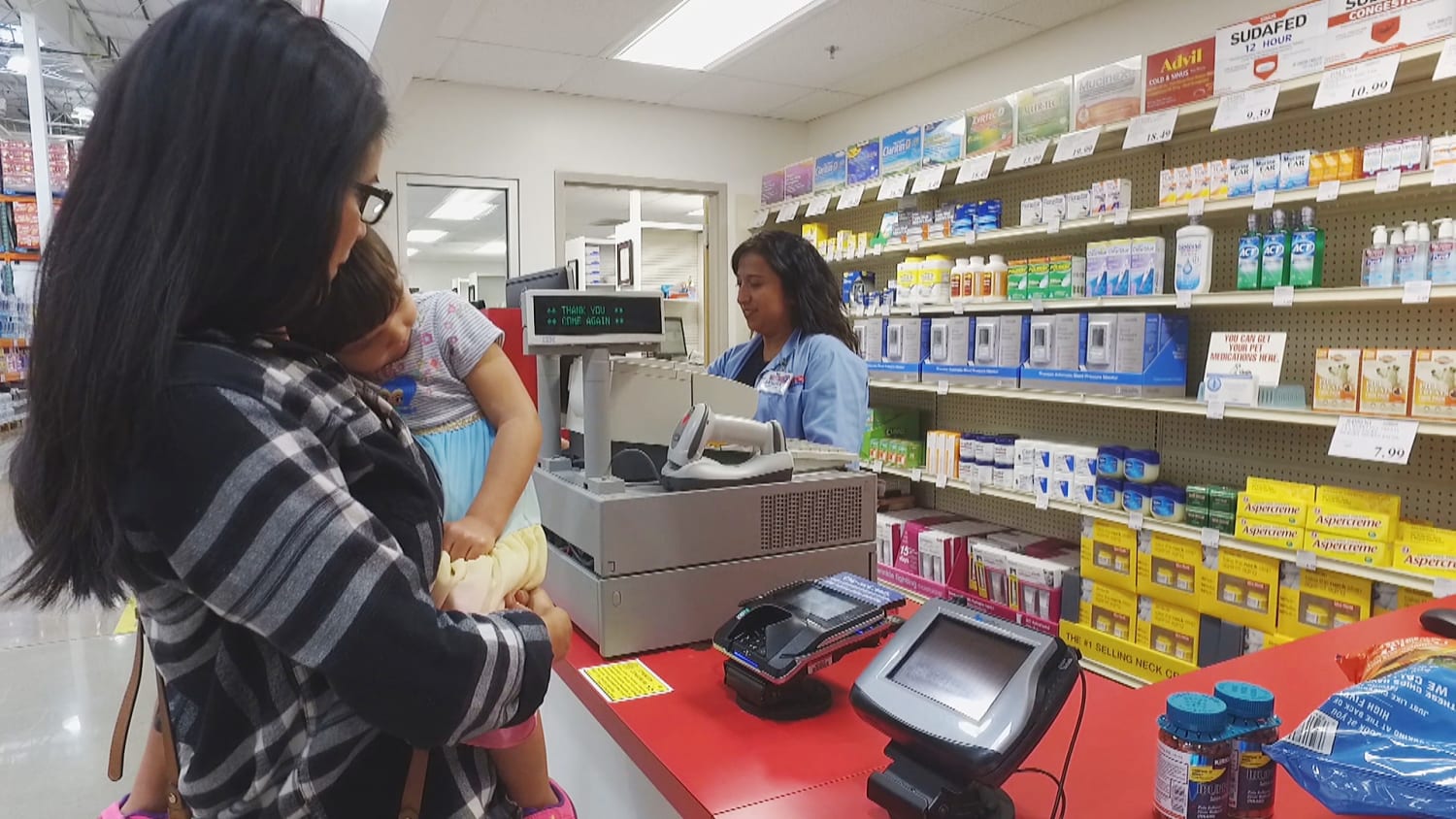
Don’t overlook your local, independent pharmacies. While they might not always have the advertising budget of national chains, many independent pharmacies are highly competitive on price, especially for cash-paying customers. They often have more flexibility in setting their markups and may be more willing to work with customers to find the best price. Furthermore, they can offer a level of personalized service and consultation that larger chains might lack, which can be invaluable for understanding your medications and optimizing your treatment plan. Building a relationship with an independent pharmacist can be a savvy financial move, as they may alert you to better deals or alternative options.
Big-Box Store Pharmacies (Walmart, Costco, Target)
Pharmacies located within large retail stores like Walmart, Costco, and Target are often aggressive on pricing. Walmart, in particular, is known for its generic drug program, offering many popular generics at extremely low prices (e.g., $4 for a 30-day supply or $10 for a 90-day supply). Costco’s pharmacy also frequently offers competitive pricing for both members and non-members (though a membership is typically required for purchases outside the pharmacy section). These stores leverage their high volume and low-cost business models to offer attractive prescription prices, making them essential stops in your price comparison efforts.
Mail-Order and Online Pharmacies: Convenience and Potential Savings
For maintenance medications, mail-order pharmacies often provide significant savings, particularly for a 90-day supply. Many insurance plans encourage or even require the use of their preferred mail-order pharmacy. These pharmacies benefit from economies of scale and reduced overhead, passing some of those savings onto consumers. Online pharmacies, while requiring careful vetting to ensure legitimacy and safety, can also offer competitive pricing. Always verify that an online pharmacy is licensed and reputable (e.g., through the National Association of Boards of Pharmacy’s VIPPS program) to avoid counterfeit or unsafe medications. For stable, long-term prescriptions, mail-order can be both financially advantageous and convenient.
Manufacturer Patient Assistance Programs
For brand-name drugs with no generic alternative, especially those that are very expensive, pharmaceutical manufacturers often offer patient assistance programs (PAPs). These programs provide free or low-cost medications to eligible patients who meet specific income and insurance criteria. While navigating these programs can require some paperwork, the financial relief for high-cost drugs can be enormous. Your doctor’s office, social workers, or patient advocacy groups can often help identify and apply for these programs, transforming an unbearable financial burden into a manageable one.
The Role of Insurance and Your Financial Health
While much of this discussion has focused on strategies outside of traditional insurance, understanding your health insurance plan remains paramount to optimizing your prescription drug spending and overall financial health. Your insurance is a key financial tool, and using it effectively can lead to significant savings.
Understanding Your Formulary and Deductible
Every health insurance plan has a “formulary,” which is a list of prescription drugs covered by the plan. Drugs are typically categorized into tiers (e.g., generic, preferred brand, non-preferred brand, specialty), with different co-pays or co-insurance amounts for each tier. Familiarize yourself with your plan’s formulary to understand which drugs are covered and at what cost. If your doctor prescribes a drug not on your formulary or in a higher tier, discuss alternatives that might be more cost-effective according to your plan. Additionally, be aware of your deductible – the amount you must pay out-of-pocket before your insurance begins to cover costs. Until your deductible is met, you’ll likely pay more for prescriptions, making cash price comparisons even more critical during this period.
The Impact of High Deductible Health Plans (HDHPs)
High Deductible Health Plans (HDHPs) are becoming increasingly common, often paired with Health Savings Accounts (HSAs). While HDHPs typically have lower monthly premiums, you’re responsible for a higher deductible before your insurance kicks in. This means you’ll pay more for prescriptions early in the year. For individuals with HDHPs, diligently using price comparison tools, seeking generics, and asking for cash prices are not just options – they are essential financial strategies to minimize out-of-pocket expenses until the deductible is met. Once the deductible is met, your insurance benefits will reduce your costs significantly.
Maximizing Your Health Savings Account (HSA) or Flexible Spending Account (FSA)
If you have an HSA (available with HDHPs) or a Flexible Spending Account (FSA) (available with many employer-sponsored plans), you have a powerful tax-advantaged tool for covering prescription costs. Contributions to HSAs and FSAs are made with pre-tax dollars, effectively reducing your taxable income. When you use these funds for qualified medical expenses, including prescriptions, you’re essentially paying for your medications with money that hasn’t been taxed. Maximizing your contributions to these accounts, when appropriate for your financial situation, is a smart way to offset healthcare expenses and improve your overall financial well-being.
Proactive Steps for Long-Term Prescription Savings
Beyond individual transactions, adopting a proactive mindset and incorporating long-term strategies can ensure sustainable savings on your prescription drug costs. This involves ongoing vigilance and open communication with your healthcare providers.
Discussing Alternatives with Your Doctor
Your doctor is your primary partner in managing your health and, by extension, your prescription costs. Don’t hesitate to have an open conversation about the financial implications of your prescriptions. Ask if there are equally effective, lower-cost alternatives, especially generics. Inquire about prescribing a 90-day supply instead of a 30-day supply, which often comes with a lower per-pill cost. If you’re struggling with the cost of a specific medication, your doctor might be able to suggest a different drug, a different dosage, or even refer you to patient assistance programs or specialists who can help. Proactive communication can prevent financial stress and improve adherence to your treatment plan.
Buying in Bulk (Safely and Appropriately)
For stable, long-term maintenance medications, purchasing a 90-day supply instead of a 30-day supply can often lead to significant savings. Many pharmacies and insurance plans offer a lower per-unit cost for larger quantities. However, it’s crucial to only buy in bulk for medications you know you’ll use consistently and that have a long shelf life. Avoid stocking up on medications that might change or expire quickly. Always discuss this option with your doctor and pharmacist to ensure it’s medically appropriate and financially advantageous for your specific prescriptions.

Regular Price Checks: Prices Fluctuate
The world of prescription drug pricing is dynamic. What was the cheapest pharmacy last month might not be this month. Pharmacy acquisition costs change, discount programs are updated, and your insurance coverage might shift with new plan years. Make it a habit to perform regular price checks, especially for chronic medications. Utilize your price comparison apps and call different pharmacies before each refill. This ongoing vigilance ensures you’re consistently securing the best possible price, reinforcing good financial habits in managing your healthcare expenses.
Navigating the complexities of prescription drug pricing can be daunting, but it is an essential skill for astute personal finance. By understanding the factors that influence costs, leveraging available tools, exploring diverse pharmacy options, optimizing your insurance benefits, and maintaining open communication with your healthcare team, you can significantly reduce your out-of-pocket expenses. Taking control of your prescription costs not only saves you money but also empowers you to be a more informed and financially resilient healthcare consumer.
aViewFromTheCave is a participant in the Amazon Services LLC Associates Program, an affiliate advertising program designed to provide a means for sites to earn advertising fees by advertising and linking to Amazon.com. Amazon, the Amazon logo, AmazonSupply, and the AmazonSupply logo are trademarks of Amazon.com, Inc. or its affiliates. As an Amazon Associate we earn affiliate commissions from qualifying purchases.