
Obtaining a new financial tool, whether it’s a credit card or a debit card, is often accompanied by a sense of anticipation. For individuals and businesses managing their personal or corporate finances, the arrival of a new Chase card can be a critical step in accessing funds, building credit, or streamlining transactions. Understanding the typical delivery timelines and the factors that can influence them is essential for effective financial planning and management. While the exact waiting period can vary, there are standard expectations and proactive steps cardholders can take to manage their expectations and ensure a smooth process.

The Standard Timeline for Chase Card Delivery
When you apply for a new Chase credit card or a replacement debit card, there’s a predictable window during which you can expect it to arrive. This standard delivery period is often quoted by financial institutions and forms the basis of your financial planning once approved.
Typical Delivery Window
For most new Chase credit card approvals, the standard delivery time is generally 7 to 10 business days from the date your application is approved. This period accounts for the time it takes for the card to be manufactured, securely packaged, and dispatched through standard mail services. For a replacement debit card linked to an existing Chase checking account, the timeline is often similar, falling within the same 7 to 10 business day range. It’s crucial to differentiate “business days” from calendar days, as weekends and public holidays do not count towards this period, potentially extending the actual waiting time. This waiting period begins after your application has been processed and approved, not from the moment you submit the application. The approval process itself can take anywhere from a few minutes for instant approvals to several days if manual review is required, especially for complex credit applications or new account openings.
Understanding Application Processing Time
Before a card can even be sent out, the application must be fully processed and approved. For many Chase credit cards, an instant decision is provided, particularly for applicants with strong credit profiles and straightforward financial histories. In these cases, the 7-10 business day delivery window begins almost immediately. However, some applications may require further review, necessitating additional documentation or a call from a Chase representative. This review period can add anywhere from a few days to a week or more to the overall process. During this time, the applicant is typically informed that their application is under review and can often check its status online. It’s only once final approval is granted that the card production and shipping process commences. Being aware of this initial processing phase helps in setting realistic expectations for when the physical card will actually be in hand, which is vital for planning expenditures or accessing new lines of credit.
Factors Influencing Your Chase Card’s Arrival
While there’s a standard expectation for card delivery, several variables can either expedite or delay the arrival of your Chase card. Understanding these factors allows for better financial foresight and helps in anticipating potential issues.
Standard vs. Expedited Shipping Options
Chase, like many major financial institutions, typically offers standard mail delivery as the default for new and replacement cards. This service is included without an extra charge and is what accounts for the 7-10 business day estimate. However, for those needing quicker access to their financial tools, Chase often provides an expedited shipping option. This service, usually at an additional cost, can significantly reduce the delivery time, often bringing it down to 1 to 3 business days. This can be particularly beneficial if you have an urgent need for the card, such as an upcoming trip, an immediate large purchase, or if your previous card was lost or stolen and you require a swift replacement for financial security and access. It’s important to inquire about the specific cost and exact delivery window for expedited shipping at the time of approval or when requesting a replacement, as these details can vary slightly. The decision to pay for expedited shipping should weigh the cost against the immediate financial need and convenience.
Geographic Location and Mail Services
The physical distance between the card issuance facility and your mailing address can play a role in delivery times. While major mail carriers are efficient, delivery to remote areas might inherently take slightly longer than delivery to major metropolitan centers. International addresses will, of course, have significantly longer delivery times and may incur additional shipping charges or customs delays, which are crucial considerations for global citizens managing their finances. Furthermore, the efficiency and current workload of the postal service itself can impact delivery. Peak mailing seasons, such as holidays, or disruptions like severe weather, can cause unforeseen delays in mail delivery, affecting when your Chase card reaches your mailbox. While these factors are largely beyond the cardholder’s control, being aware of them helps in understanding why a card might occasionally arrive outside the typical window.

Type of Card and Account
The type of Chase card you’re waiting for can sometimes subtly influence its arrival. While credit cards and standard debit cards generally adhere to the same 7-10 business day timeline, specific account types or card features might have nuances. For instance, a complex business credit card with customized features or a specialized corporate debit card might have a slightly different processing or shipping protocol due to specific security or branding requirements. However, for the vast majority of personal credit cards (e.g., Chase Sapphire Preferred, Chase Freedom Unlimited) and standard checking account debit cards, the delivery estimates remain consistent. It’s always best to confirm the expected delivery timeframe directly with Chase for any unique card products or account types to avoid any misaligned financial planning.
Expedited Shipping: When and How to Request It
For urgent financial needs, expedited shipping can be a game-changer. Knowing when and how to request this service can prevent significant disruptions to your financial flow.
Identifying Urgent Needs
An urgent need for a card typically arises in situations where immediate access to credit or funds is critical. This could include:
- Impending Travel: If you’re traveling internationally or domestically soon and need your card for transactions, especially if it’s a new card with better travel rewards or no foreign transaction fees.
- Lost or Stolen Card: When your primary payment method is compromised, getting a replacement quickly is paramount for security and uninterrupted access to your funds. While your old card is deactivated, a new card number and physical card are needed to resume normal spending.
- Large, Time-Sensitive Purchase: If you have an immediate large purchase to make that requires a credit card, especially if you’re taking advantage of an introductory offer or a specific merchant promotion.
- Business Operations: For small business owners, an unexpected delay in receiving a new or replacement business card could impact operational cash flow, making expedited delivery a worthy investment.
In these scenarios, the added cost of expedited shipping often outweighs the inconvenience or financial risk of waiting for standard delivery.
Requesting Expedited Delivery
If you are approved for a new Chase credit card online, the option for expedited shipping might be presented during the application completion process or shortly after approval. You may need to actively select this option and confirm the associated fee. For replacement cards (debit or credit), you will typically need to contact Chase customer service directly. This can be done by calling the number on the back of your existing card, finding the relevant contact information on the Chase website, or through a secure message within your online banking portal. When speaking with a representative, clearly state your need for expedited delivery and confirm the fee, the revised delivery timeline, and that your mailing address is correct. It’s also advisable to ask for a tracking number, if available, to monitor the shipment’s progress. Be prepared for the fee to be charged to your Chase account or another payment method, and understand that once the expedited request is made and processed, it typically cannot be reversed.
What to Do While You Wait and Upon Arrival
The period between card approval and arrival doesn’t have to be passive. There are important steps to take to prepare for your new card and to ensure its secure activation.
Checking Application Status and Initial Access
While waiting for a physical card, new credit cardholders can often check their application status online through Chase’s dedicated application status checker using their application ID. If approved, you may even be able to link your new card to a digital wallet (like Apple Pay, Google Pay, or Samsung Pay) before the physical card arrives. This can provide immediate, albeit limited, access to your new credit line for online or in-store contactless payments, allowing you to begin utilizing your financial tool sooner. This digital access is a significant convenience for modern personal finance management, bridging the gap between approval and physical delivery. For debit cards, access to funds in your checking account is typically immediate via online banking, ATM withdrawals with your existing card (if applicable), or digital wallet solutions if already set up.
Activating Your New Chase Card and Security Best Practices
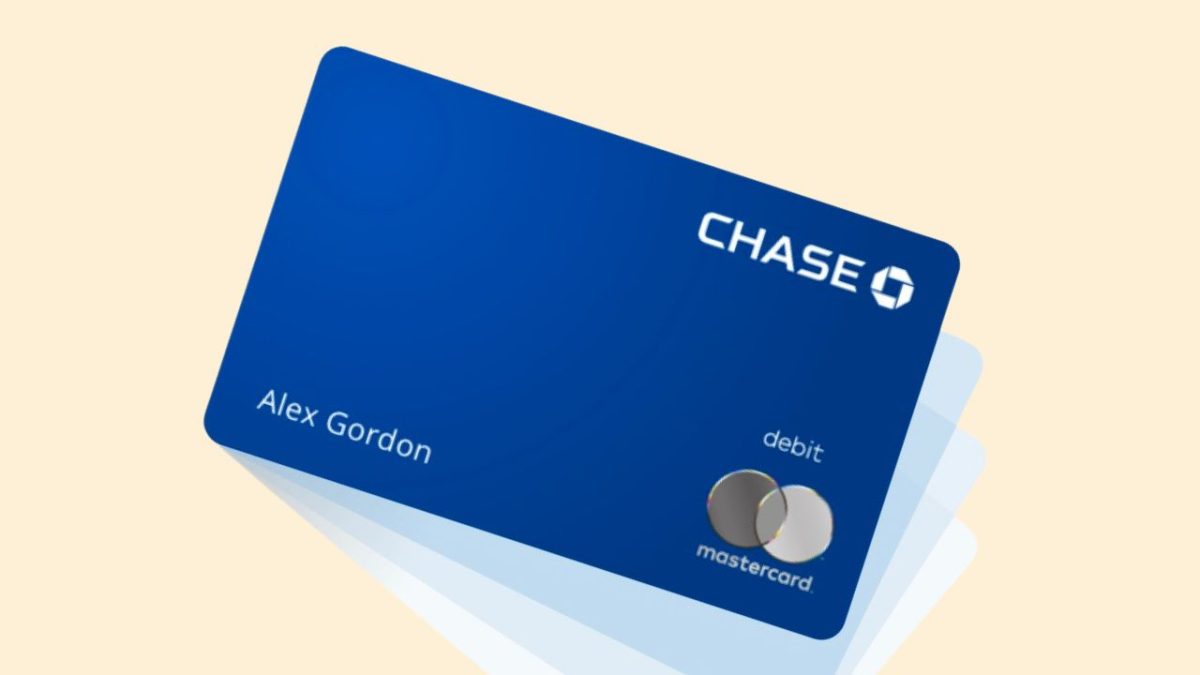
Once your new Chase card arrives, the very first step is to activate it immediately. This can typically be done online through your Chase account or by calling the activation number provided on a sticker on the card itself or in the accompanying paperwork. Do not use the card before activation. After activation, sign the back of your card with a permanent marker. This helps prevent unauthorized use if the card is ever lost. Carefully review the enclosed cardholder agreement, particularly noting any introductory offers, interest rates, fees, and payment due dates, which are crucial for responsible financial management. Finally, secure the old card (if it’s a replacement) by cutting it into multiple pieces through the magnetic stripe and chip before disposing of it. Regularly monitor your account activity through online banking or the Chase mobile app to promptly identify and report any fraudulent transactions, protecting your personal finances. Setting up account alerts for transactions can further enhance this security.
aViewFromTheCave is a participant in the Amazon Services LLC Associates Program, an affiliate advertising program designed to provide a means for sites to earn advertising fees by advertising and linking to Amazon.com. Amazon, the Amazon logo, AmazonSupply, and the AmazonSupply logo are trademarks of Amazon.com, Inc. or its affiliates. As an Amazon Associate we earn affiliate commissions from qualifying purchases.