
In the evolving landscape of personal finance, where digital transactions often overshadow traditional methods, the humble paper check might seem like a relic of a bygone era. Yet, it remains a fundamental tool for countless individuals and businesses, serving crucial functions from payroll to bill payments. Beneath its seemingly simple facade lies a wealth of critical financial information, with the checking account number standing out as one of the most vital identifiers. Understanding where to locate this number, what it signifies, and how to protect it is not merely a matter of convenience; it is a cornerstone of sound financial literacy and security in an increasingly complex world. This article will demystify the components of a check, focusing specifically on the checking account number, its pivotal role, and the best practices for safeguarding your financial data.
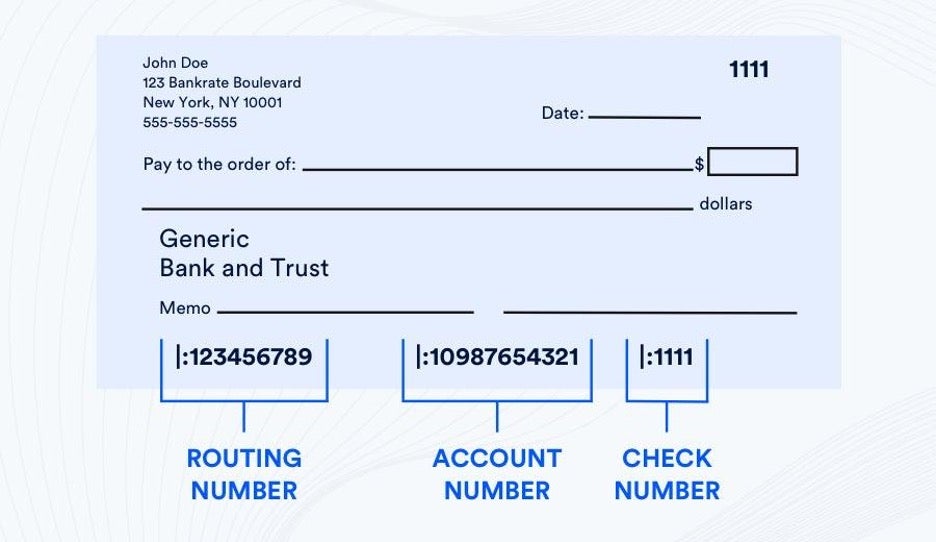
The Anatomy of a Check: Decoding the MICR Line
Every standard paper check is more than just a piece of paper; it’s a meticulously designed financial instrument. While the payee, date, amount, and signature fields are immediately apparent, the real power and information density lie in the unique series of numbers printed along the bottom edge. This specialized print is known as the Magnetic Ink Character Recognition (MICR) line.
What is the MICR Line?
The MICR line is a specialized string of characters printed with magnetic ink, designed to be read by automated check-processing machines. This technology significantly speeds up the clearing and settlement process for checks, ensuring accuracy and reducing manual errors. The characters themselves are stylized in a particular font (E-13B or CMC-7) to optimize machine readability, making them distinct from the standard alphanumeric characters elsewhere on the check. Without the MICR line, banks would struggle to efficiently route and process billions of checks annually, highlighting its indispensable role in the financial infrastructure.
Key Components of the MICR Line
The MICR line typically comprises three distinct sets of numbers, each serving a unique purpose in the check-cleering process. Understanding these individual components is essential for anyone who regularly uses or handles checks.
The Routing Number
The first set of numbers, usually a nine-digit code, is the routing number (also known as the ABA routing number or routing transit number). This number identifies the specific financial institution (bank or credit union) that holds the account. Think of it as the bank’s address within the financial system. When you deposit a check, the routing number tells the receiving bank where to send the request for funds. Different types of transactions might use different routing numbers for the same bank (e.g., wire transfers versus ACH transfers), but for standard paper checks, it’s consistently the nine digits at the beginning of the MICR line.
The Checking Account Number
Following the routing number, you will find your unique checking account number. This is the primary identifier for your specific account within your bank. While routing numbers identify the bank, the account number points directly to your individual checking account at that bank. Its length can vary, typically ranging from 10 to 12 digits, though some banks may use slightly fewer or more. This number is unique to your account and distinguishes it from every other account at your institution. When you set up direct deposit, pay bills online using your bank account, or initiate an ACH transfer, this is the number that identifies where the funds should come from or go to. On a standard check, the account number is usually nestled between the routing number and the check number, often delimited by special symbols to aid machine reading.
The Check Number
The final set of digits on the MICR line is the check number. This number matches the sequential number printed in the top right-hand corner of the check. Its primary purpose is to help you and your bank keep track of the checks you’ve written. It ensures that each physical check is unique and provides an audit trail for your transactions. Banks also use it to detect duplicate or fraudulent checks.
Visual Guide: Identifying Each Segment
To visually identify these segments on a standard check:
- Routing Number: Look for the first set of nine digits, usually enclosed by a special symbol (often a colon-like character or a set of parallel lines) on either side. It’s almost always the leftmost series of numbers on the MICR line.
- Checking Account Number: This will be the longest sequence of numbers in the middle of the MICR line, also often bracketed by unique symbols. If you’re unsure, remember it will always be after the routing number and before the check number on the MICR line itself.
- Check Number: This will be the last set of digits on the MICR line, typically matching the four-digit (or more) number printed in the top right corner of the check. It’s often followed by another distinct symbol.
Why Your Checking Account Number is Crucial
Your checking account number is far more than just a sequence of digits; it is the unique fingerprint of your financial life. Its importance extends across numerous financial activities, making it an indispensable piece of information for managing your money effectively.
Facilitating Transactions
The checking account number is the linchpin for a vast array of financial transactions that extend beyond simply writing a paper check. It is indispensable for:
- Direct Deposits: Whether it’s your salary, tax refund, or government benefits, your employer or payer uses your account number (along with your bank’s routing number) to electronically deposit funds directly into your account.
- Automated Clearing House (ACH) Transfers: This includes setting up recurring bill payments (e.g., utilities, mortgage, rent), making online purchases from vendors who accept direct bank transfers, and transferring money between your own accounts at different institutions.
- Wire Transfers: For larger or international money movements, your account number is vital to ensure funds reach the correct recipient quickly and securely.
- Setting Up Payment Services: Many digital payment platforms and financial tools require your bank account details to link your bank for transfers, bill pay, or direct debits.
Linking to Your Bank Account
At its core, the checking account number serves as the ultimate identifier that links a specific transaction or inquiry directly to your financial account. It distinguishes your funds, transactions, and balance from every other customer’s at your bank. Without this unique identifier, your bank would have no way to differentiate your financial activities from those of millions of others. It ensures that when you or an authorized party initiates a financial action, it is accurately processed and recorded against your personal ledger.
Safeguarding Your Financial Information: Security Best Practices
Given the critical nature of your checking account number, protecting it from unauthorized access is paramount. In the digital age, financial security threats are ever-present, making vigilance and adherence to best practices more important than ever.
The Risks of Sharing Your Account Number
While necessary for legitimate transactions, exposing your checking account number indiscriminately can lead to significant financial risks:
- Unauthorized Withdrawals: A scammer armed with your account number and routing number could potentially initiate unauthorized ACH debits from your account, especially if they can spoof your identity or forge a signature on a fake check.
- Identity Theft: While an account number alone isn’t enough for full identity theft, it’s a critical piece of the puzzle. Combined with other personal information (like your name, address, or social security number), it can be used to open fraudulent accounts, make unauthorized purchases, or compromise your credit.
- Phishing and Scams: Fraudsters often attempt to trick individuals into revealing their account details through fake emails, text messages, or phone calls disguised as legitimate bank communications.

Secure Handling of Checks
Physical checks themselves require careful handling to prevent compromise:
- Storage: Keep blank checks in a secure, private location, like a locked drawer or safe deposit box, where they are inaccessible to others. Do not leave them lying around.
- Writing Checks: Use permanent ink. Fill out all fields completely to prevent alteration. Avoid signing blank checks.
- Reviewing Statements: Regularly review your bank statements and online transaction history for any unauthorized or suspicious activity. Report discrepancies immediately.
- Disposal: Never throw away blank checks, voided checks, or checks with errors without properly shredding them. A cross-cut shredder is ideal to render the information unreadable.
- Online Security: When accessing your bank account online, ensure you are using a secure, private network (avoid public Wi-Fi for banking). Always verify the website’s legitimacy (look for “https://” and a padlock symbol).
When and How to Safely Share
There are legitimate situations where sharing your account number is necessary. The key is to do so only with trusted entities and through secure channels:
- Direct Deposit Forms: When setting up direct deposit with your employer, you will need to provide your account and routing numbers. Ensure these forms are submitted directly to HR or payroll through secure methods.
- Trusted Bill Payments: When setting up recurring payments with reputable service providers (utilities, mortgage lenders, insurance companies), you may provide your bank details. Use their official websites or phone lines.
- Government Agencies: For tax refunds or benefits, you’ll provide these details to the IRS or relevant government body.
- Financial Advisors/Brokers: If you work with certified and reputable financial professionals, they may require this information to link accounts or facilitate investments.
Always verify the identity of the person or entity requesting the information. If in doubt, contact your bank directly using their official contact information.
What to Do if You Suspect Compromise
If you believe your checking account number or other financial information has been compromised:
- Contact Your Bank Immediately: Report the suspicious activity. Your bank can help you review transactions, place alerts on your account, and potentially close the compromised account and open a new one.
- Monitor Your Accounts: Keep a close eye on your bank statements and online banking for any further unauthorized transactions.
- Change Passwords: If the compromise involved online access, change your banking passwords and any other related passwords.
- File a Police Report: For significant fraud, consider filing a report with local law enforcement.
- Review Credit Reports: Obtain copies of your credit reports from the major bureaus (Equifax, Experian, TransUnion) to check for any suspicious new accounts or inquiries.
Beyond the Physical Check: Accessing Your Account Number Digitally
While the physical check is the most direct place to find your account number, it’s not the only way. In today’s digital banking world, you can often retrieve this information through secure online channels.
Online Banking Portals
Almost all modern banks offer robust online banking platforms and mobile apps. Once you log in securely, you can typically find your checking account number by:
- Navigating to your checking account summary.
- Looking for an “Account Details,” “Account Information,” or “Show Details” link.
- Sometimes, the full account number might be partially masked (e.g., ****1234) for security, requiring an extra click or verification to reveal the full number.
Bank Statements
Both paper and electronic bank statements prominently display your checking account number.
- Paper Statements: Your account number is usually listed near the top of the statement, often in conjunction with your name and address.
- E-Statements: Accessed through your online banking portal, e-statements serve the same purpose as paper statements and will contain your account number in a similar location. Always download e-statements to a secure, private computer.
Customer Service
If you are unable to locate your account number through your online banking or statements, or if you prefer direct assistance, you can always contact your bank’s customer service. Be prepared to go through a verification process to confirm your identity before they provide sensitive account information. This typically involves answering security questions or confirming recent transaction details.
Common Misconceptions and FAQs
Navigating the nuances of personal finance often involves clarifying common misunderstandings. Here are a few FAQs regarding your checking account number.
Is it the same as my debit card number?
No, absolutely not. Your debit card number is a 16-digit number primarily used for point-of-sale purchases and ATM transactions, linked to your checking account. Your checking account number (typically 10-12 digits) is the identifier for your bank account itself, used for electronic fund transfers (ACH, direct deposit) and check writing. While both are connected to your account, they serve different functions and should not be confused.
Can someone steal money with just my account number?
While having your account number and routing number significantly increases the risk, it is typically harder to steal money with just these two pieces of information than it is with, say, your credit card details or online banking login. Banks have fraud detection systems, and ACH transactions require authorization. However, sophisticated fraudsters can use these numbers to create fraudulent checks, initiate unauthorized debits, or combine them with other stolen personal information to commit identity theft. Always treat your account and routing numbers as sensitive information.
What if my check doesn’t have a routing number?
This is extremely rare for legitimate checks. Every valid check in the U.S. financial system must have a nine-digit routing number. If a check appears to lack a routing number on its MICR line, it is highly suspicious and should be treated as potentially fraudulent. Do not attempt to cash or deposit such a check without first verifying its authenticity with your bank.
Does the account number change?
Generally, no. Your checking account number remains the same for the life of that specific account. It only changes if you close your existing account and open a brand new one, or in rare cases, if your bank issues you a new account number due to a security breach or system update, in which case they would notify you directly.

Conclusion
The checking account number, while often overlooked in the era of digital payments, remains a cornerstone of personal financial management. Understanding its location on a check, its critical role in facilitating a wide range of transactions, and the best practices for its protection are fundamental aspects of financial literacy. By treating this sensitive information with the care it deserves, utilizing secure channels for sharing, and regularly monitoring your accounts, you empower yourself to navigate the financial world with confidence and safeguard your hard-earned money against potential threats. Proactive awareness and responsible handling of your checking account number are not just about security; they are about maintaining control over your financial destiny.
aViewFromTheCave is a participant in the Amazon Services LLC Associates Program, an affiliate advertising program designed to provide a means for sites to earn advertising fees by advertising and linking to Amazon.com. Amazon, the Amazon logo, AmazonSupply, and the AmazonSupply logo are trademarks of Amazon.com, Inc. or its affiliates. As an Amazon Associate we earn affiliate commissions from qualifying purchases.