
In an increasingly digital financial world, understanding the fundamental components of your banking identity is crucial. Among these, the bank routing number stands out as a critical identifier, essential for a myriad of financial transactions, from receiving your paycheck via direct deposit to paying bills electronically. Yet, despite its omnipresence in the background of our financial lives, many individuals find themselves pausing, wondering precisely “where do I find the bank routing number?” This comprehensive guide aims to demystify the routing number, explaining its significance, detailing common locations where it can be found, and offering insights into its various applications within the personal and business finance landscape.

Whether you’re setting up a new employer’s direct deposit, linking an external investment account, or initiating an online bill payment, knowing where to quickly and accurately locate this nine-digit code is a valuable skill. It’s more than just a number; it’s the digital address that ensures your money finds its way to and from your financial institution without a hitch, underpinning the smooth operation of our modern banking system.
Understanding the Bank Routing Number
Before diving into where to find it, it’s imperative to grasp what a bank routing number is and why it holds such importance in the financial ecosystem. This foundational knowledge empowers you to use it correctly and confidently.
What is a Bank Routing Number?
A bank routing number, also known as an ABA routing number (American Bankers Association routing number), is a nine-digit numerical code used to identify a specific financial institution in the United States. It acts as a unique identifier for your bank, credit union, or other financial services provider. Established by the ABA in 1910, these numbers were originally designed to facilitate the sorting and delivery of paper checks. Today, their primary role has evolved to enable the seamless electronic transfer of funds between different banks.
Each digit in the routing number carries a specific meaning, although understanding the individual components isn’t necessary for its practical use. What’s crucial to know is that this entire sequence directs funds to the correct financial institution, acting as the first step in ensuring your money reaches its intended destination.
Why is it So Important?
The bank routing number is the backbone of most electronic fund transfers (EFTs) in the U.S. Without it, transactions like direct deposits, automated clearing house (ACH) payments, wire transfers, and even tax refunds would struggle to be processed efficiently or accurately.
- Accuracy: It ensures your money goes to the correct bank, preventing costly delays or misrouted funds.
- Efficiency: It enables the rapid processing of electronic transactions, which are now standard for most financial activities.
- Security (as an identifier): While not a secret code like your PIN, it’s a necessary piece of information that, when combined with your account number, allows secure transactions to occur. It helps verify the identity of the bank involved in a transaction.
In essence, if your bank account number identifies your specific account within a bank, the routing number identifies your bank itself. Both are essential for moving money electronically.
Routing Number vs. Account Number vs. SWIFT Code
It’s common for individuals to confuse these numbers, but each serves a distinct purpose:
- Routing Number (ABA Number): A 9-digit code identifying your financial institution within the U.S. Primarily used for domestic transactions.
- Account Number: A unique sequence of digits (length varies by bank) that identifies your specific account (e.g., checking, savings) within your financial institution. This is what differentiates your account from another customer’s at the same bank.
- SWIFT Code (Society for Worldwide Interbank Financial Telecommunication): An 8- or 11-character code used for identifying banks globally for international wire transfers. If you’re sending or receiving money from outside the U.S., you’ll need a SWIFT code, not an ABA routing number. Some U.S. banks have different SWIFT codes for different branches or types of transactions.
Understanding these distinctions prevents common errors when initiating or receiving financial transfers, particularly when dealing with international transactions.
Common Places to Locate Your Routing Number
Fortunately, your bank routing number isn’t a secret code hidden away. Financial institutions make it readily accessible through several convenient channels. Knowing these key locations will save you time and potential frustration.
On Your Checks (The Easiest Method)
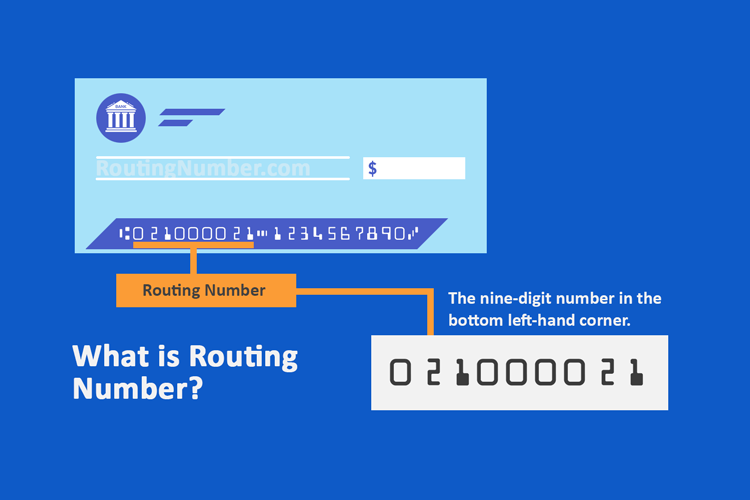
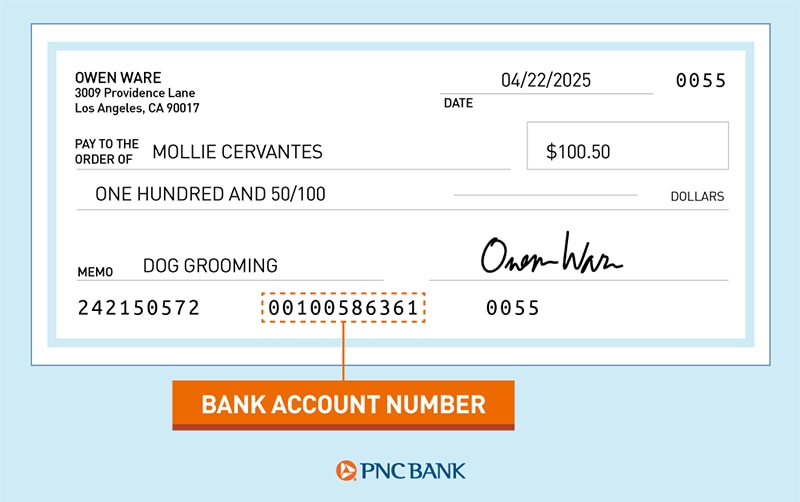
For many, the most straightforward place to find their routing number is on their personal checks. Look at the bottom edge of your check. You’ll typically see three sets of numbers printed in magnetic ink characters (MICR).
- The first set of nine digits on the far left is usually your bank’s routing number.
- The middle set is your bank account number.
- The last set is the check number.
Important Note: If you have temporary checks (without your name and address pre-printed), they might not always have the correct routing number for electronic transactions, or they might be missing the MICR line entirely. Always verify with your bank if using temporary checks for something critical like direct deposit. Similarly, business checks might have a different layout, so double-check the nine-digit sequence intended for the bank identifier.
Through Online Banking or Mobile App
In today’s digital age, your online banking portal or mobile app is often the quickest way to access your routing information.
- Online Banking: Log in to your bank’s website. Navigate to your account summary, account details, or a section typically labeled “Direct Deposit Information,” “Statements,” or “Account & Services.” The routing number is usually clearly displayed alongside your account number. Some banks even have a dedicated section for “Routing & Account Numbers.”
- Mobile App: Open your bank’s mobile app. After logging in, select the specific account (e.g., checking account). Look for an option like “Account Details,” “Show Account Info,” or similar. The routing number should be listed there. Many apps also have a direct deposit setup feature that will display both numbers.
This method is particularly useful if you don’t have a checkbook handy or prefer digital access.
Bank Statements
Both physical and electronic bank statements typically include your bank routing number.
- Physical Statements: Look at the top or bottom of your monthly paper statement. It’s usually printed near your name, address, and account number.
- Electronic Statements (eStatements): If you access your statements online, download a PDF version of a recent statement. The routing number will be found in a similar location as on a physical statement, often in the header or footer section, or within the summary of your account details.
Statements are a reliable source, as they are official documents from your bank.
Contacting Your Bank Directly
If you’ve exhausted other options or prefer to speak with someone, contacting your bank directly is always a safe bet.
- Customer Service: Call your bank’s customer service number (found on their website, the back of your debit card, or a statement). Be prepared to verify your identity with personal information (e.g., account number, date of birth, mother’s maiden name, last four digits of SSN) before they provide you with sensitive account details.
- Visiting a Branch: If you’re near a physical branch, a teller can easily provide you with the correct routing number for your account. Remember to bring a valid form of identification.
While these methods might take slightly longer, they guarantee you receive the accurate information directly from your financial institution.
Specific Scenarios and Considerations
While the basic methods for finding your routing number are straightforward, certain situations might introduce nuances you should be aware of.
Multiple Routing Numbers for One Bank?
Yes, it is entirely possible for a single large bank to have multiple routing numbers. This can occur for several reasons:
- Geographical Regions: Large national banks might have different routing numbers for different states or regions where they operate, especially if they’ve acquired smaller banks over time.
- Transaction Types: A bank might use one routing number specifically for ACH transfers (like direct deposits and bill payments) and another for domestic wire transfers. Wire transfers often require a specific routing number that directs funds to a different processing department.
- Different Account Types: While less common for checking/savings, some banks might use different routing numbers for certain specialized accounts or for their brokerage arms.
Crucial Advice: Always verify the specific routing number required for your transaction. If an employer asks for your direct deposit routing number, ensure you provide the one designated for ACH transfers. If a financial institution requests a wire transfer routing number, confirm you’re providing the correct one for wires, as they can sometimes differ. Your bank’s website or customer service can clarify which routing number to use for specific purposes.
Routing Numbers for Different Account Types
Typically, for standard checking and savings accounts within the same bank, the routing number is often the same, especially for ACH transactions. However, as mentioned above, for wire transfers or very specific product types, there could be differences.
- Checking vs. Savings: Check your online banking or a recent statement for each account to confirm. Generally, for ACH (most common use cases), they will be identical if at the same institution and branch.
- Brokerage Accounts: If you have an investment account with a brokerage firm that also offers banking features, they might have their own unique routing number, which could be different from a traditional bank account you hold elsewhere. These are often tied to the clearing firm they use.
When in doubt, always refer to the specific account’s details within your banking portal or contact your bank directly.
Using a Bank’s Website (Official Resources)
Most banks understand that customers frequently search for their routing numbers. To facilitate this, many financial institutions have dedicated pages on their official websites.
- Search Function: Use the search bar on your bank’s website and type “routing number” or “ABA number.”
- FAQ/Help Sections: Check the frequently asked questions (FAQ) or help sections, which often have a direct answer.
- Contact Us Page: Sometimes, the routing number is listed on the “Contact Us” or “About Us” pages.
Always ensure you are on your bank’s official website to avoid phishing scams or misinformation. Look for the secure “https://” in the URL and the correct bank domain name.
When You Need Your Routing Number (and When You Don’t)
Knowing when and where to provide your routing number is just as important as knowing where to find it. Not every financial transaction requires it, and providing it unnecessarily could be a security risk, albeit a minor one in isolation.
Essential Transactions
You will almost always need your bank routing number for the following types of transactions:
- Direct Deposit Setup: To receive your paycheck, government benefits (like Social Security), or tax refunds directly into your bank account.
- Automated Bill Payments (ACH Transfers): When you set up recurring payments directly from your bank account to a utility company, landlord, or loan provider.
- Initiating ACH Transfers: When you want to send money directly from your bank account to another person’s or business’s bank account (e.g., funding an external investment account, paying a contractor).
- Wire Transfers (Domestic): For sending large sums of money quickly and securely between U.S. banks. Remember to verify if a specific wire transfer routing number is needed.
- Linking External Accounts: When connecting your bank account to third-party financial apps, services, or other bank accounts (e.g., linking a brokerage account to your checking account for transfers).
- Setting Up Online Payment Services: Some online payment platforms or peer-to-peer services may require your routing and account numbers to link your bank account for transfers in and out.
Transactions Where It’s Not Needed
Conversely, there are many common financial activities where your routing number is not required:
- Debit Card Purchases: When you use your debit card to make purchases online or in-store, only the card number, expiration date, and CVV are needed.
- Credit Card Transactions: Similarly, credit card payments or purchases only require your credit card details.
- ATM Withdrawals or Deposits: Your debit card and PIN are sufficient for ATM transactions.
- Using Peer-to-Peer Payment Apps (e.g., Zelle, Venmo, PayPal): While these apps link to your bank account, they typically use your email address or phone number as identifiers once the initial setup (which might require routing/account numbers) is complete. For day-to-day transactions, you don’t typically re-enter these numbers.
- Online Banking Transfers Between Your Own Accounts: If you’re transferring money between your checking and savings accounts at the same bank through online banking, you usually won’t need the routing number.
Conclusion
The bank routing number, a simple nine-digit code, is an indispensable tool in modern personal and business finance. It acts as the compass directing your funds to the correct financial institution, enabling everything from your bi-weekly paycheck to seamless bill payments. While often overlooked, understanding its purpose and, crucially, knowing where to find it empowers you to manage your finances with greater efficiency and confidence.
Whether you refer to your physical checks, log into your online banking portal, consult a bank statement, or simply pick up the phone to call your bank, accessing this vital piece of information is straightforward. Always double-check the routing number for accuracy, especially when dealing with specific transaction types like wire transfers or regional differences. By being mindful of where and when to use your routing number, you solidify your grip on your financial operations, ensuring your money moves exactly where it needs to go, every single time.
aViewFromTheCave is a participant in the Amazon Services LLC Associates Program, an affiliate advertising program designed to provide a means for sites to earn advertising fees by advertising and linking to Amazon.com. Amazon, the Amazon logo, AmazonSupply, and the AmazonSupply logo are trademarks of Amazon.com, Inc. or its affiliates. As an Amazon Associate we earn affiliate commissions from qualifying purchases.