
The quest for the “best” credit card is a common one, yet it often leads to a perplexing reality: there isn’t a single, universally optimal answer. What constitutes “best” is profoundly personal, intertwined with an individual’s financial habits, spending patterns, credit score, and ultimate financial goals. Like a finely tailored suit, the ideal credit card should perfectly fit your unique profile, amplifying your financial health rather than hindering it. This comprehensive guide will demystify the process, helping you navigate the vast landscape of credit card offerings to identify the one that truly serves your interests.
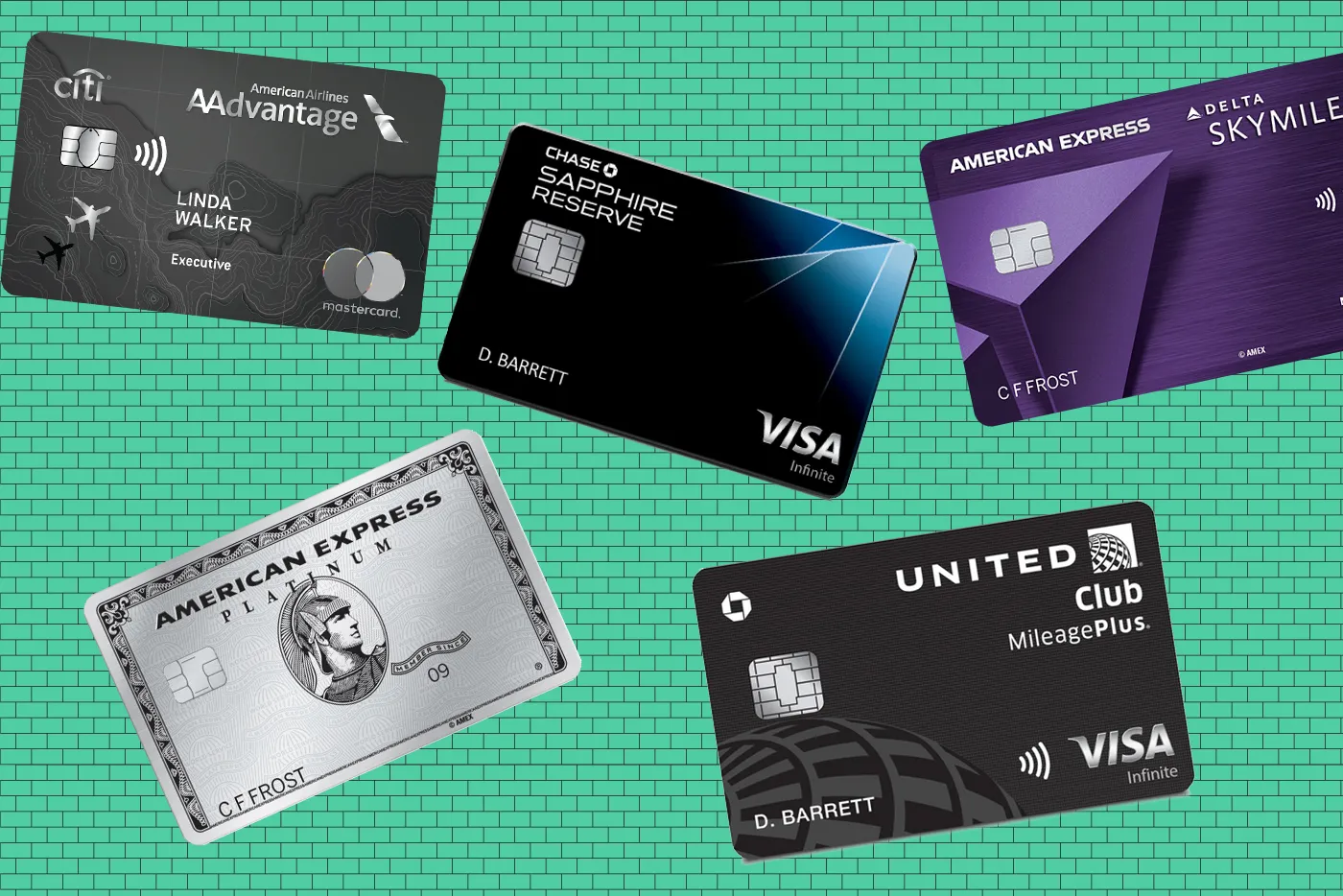
Understanding “Best”: It’s Not One-Size-Fits-All
Before diving into specific card features, it’s crucial to reframe your perception of “best.” Forget the glossy advertisements promising unparalleled rewards or the highest cash back percentages. The true “best” credit card is the one that aligns seamlessly with your lifestyle and financial discipline, providing maximum benefit with minimal risk.
Defining Your Financial Goals and Spending Habits
The first step in finding your ideal credit card is a thorough self-assessment. Be honest about your financial behaviors and aspirations:
- Are you a spender or a saver? If you frequently make large purchases, a card with strong rewards in specific categories might be appealing. If you’re more frugal, a card with no annual fee and a simple cash back structure might be better.
- Do you pay your balance in full every month, or do you tend to carry a balance? This is perhaps the most critical question. If you consistently pay off your statement balance in full, interest rates are largely irrelevant, and your focus can shift entirely to rewards and perks. However, if you anticipate carrying a balance, even occasionally, a low-APR card becomes paramount, as interest charges can quickly negate any rewards earned.
- What are your primary spending categories? Do you travel frequently? Are groceries and dining out your biggest expenses? Do you spend a lot on online shopping or gas? Different cards offer accelerated rewards in various categories.
- What is your current credit score? Your credit score is the gatekeeper to premium credit card offers. Excellent credit (740+) opens doors to top-tier rewards cards. Good credit (670-739) still provides many solid options. Fair or poor credit (below 670) will direct you towards secured cards or cards designed for rebuilding credit.
The Importance of Your Credit Score
Your credit score is a numerical representation of your creditworthiness, largely determined by your payment history, amounts owed, length of credit history, new credit, and credit mix.
- Excellent Credit (740-850): Individuals with excellent credit have the widest array of options, including premium travel cards, high-tier cash back cards, and cards with lucrative sign-up bonuses. They also qualify for the lowest interest rates.
- Good Credit (670-739): Many excellent cards are accessible, though some ultra-premium options might be out of reach. Interest rates will be competitive.
- Fair Credit (580-669): Options become more limited. You might qualify for unsecured cards with higher interest rates or cards designed for credit building.
- Poor Credit (300-579): Secured credit cards are often the best starting point to build or rebuild credit, requiring a security deposit as collateral.
Before applying for any card, obtain a free copy of your credit report from AnnualCreditReport.com and check your scores (many credit card companies and banks offer this for free). Understanding your standing is crucial for targeting appropriate cards and avoiding applications that could ding your credit for no reward.
Navigating the Landscape of Credit Card Types
The credit card market is incredibly diverse, with products tailored for every conceivable financial scenario. Understanding the primary categories will help you narrow your search.
Rewards Credit Cards
These are among the most popular cards, offering incentives for spending.
- Cash Back Cards:
- Flat-rate: Offer a consistent percentage back on all purchases (e.g., 1.5% or 2%). Simple and straightforward.
- Tiered: Offer different cash back percentages on various categories (e.g., 3% on dining, 2% on groceries, 1% on everything else).
- Rotating Categories: Offer high cash back (e.g., 5%) on specific categories that change quarterly (e.g., gas in Q1, groceries in Q2). Requires more active management.
- Travel Rewards Cards:
- Airline/Hotel Specific: Loyalty cards tied to a particular airline or hotel chain, offering miles/points, elite status perks, free checked bags, and complimentary nights.
- General Travel Rewards: Offer flexible points that can be redeemed for travel expenses (flights, hotels, rental cars) through a card issuer’s portal or transferred to partner loyalty programs. Often come with significant sign-up bonuses and travel perks like lounge access or travel insurance.
- Points Programs: Similar to cash back but points can often be redeemed for a wider variety of options, including gift cards, merchandise, or even statement credits. Their value can vary significantly based on redemption method.
Low-Interest Rate/Balance Transfer Cards
These cards are designed for individuals who carry a balance or wish to consolidate existing credit card debt.
- Low Introductory APR: Offer a promotional 0% interest rate for a period (e.g., 12-21 months) on new purchases or balance transfers. This can be a powerful tool for paying down debt interest-free, but a high regular APR kicks in after the introductory period.
- Balance Transfer Cards: Specifically cater to moving high-interest debt from other cards onto a new card, often with a 0% introductory APR. Be mindful of balance transfer fees (typically 3-5% of the transferred amount).
Secured Credit Cards
An essential tool for building or rebuilding credit.
- How They Work: You provide a security deposit (e.g., $200-$5,000) which typically becomes your credit limit. This deposit acts as collateral, reducing the risk for the issuer.
- Building Credit: Secured cards report to credit bureaus, allowing you to demonstrate responsible financial behavior through timely payments. Many eventually graduate to unsecured cards, returning your deposit.
Student and Starter Credit Cards
Tailored for young adults or those new to credit, often with limited or no credit history.
- Features: Typically have lower credit limits, basic rewards, and educational resources on responsible credit use. They serve as a stepping stone to more robust credit products.
Business Credit Cards
For entrepreneurs and small business owners looking to separate personal and business expenses.
- Benefits: Can offer higher credit limits, business-specific rewards (e.g., on office supplies, internet services), and detailed spending reports. Some report to business credit bureaus, helping build a business credit profile.
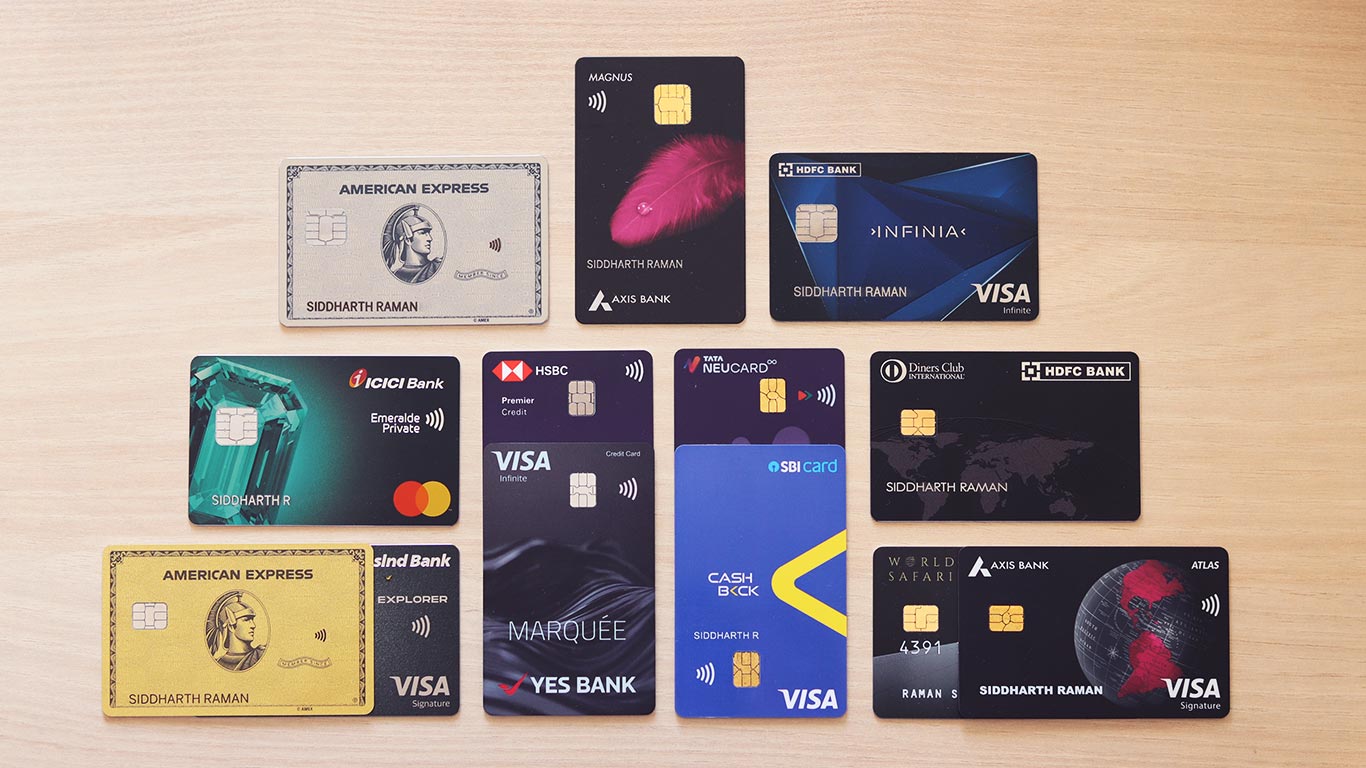
Key Factors to Evaluate Before Applying
Once you’ve identified the type of card that best fits your needs, it’s time to scrutinize the specifics of individual offerings.
Annual Fees vs. Benefits
Many premium credit cards come with annual fees, ranging from under $100 to several hundred dollars.
- Justification: An annual fee is only “worth it” if the value you receive from rewards, perks, and benefits (e.g., travel credits, lounge access, free checked bags, elite status, premium insurance) significantly outweighs the cost.
- Break-even Point: Calculate if your expected spending and redemption value will cover the fee. For example, a card with a $95 annual fee that offers $100 in annual travel credits effectively pays for itself.
Interest Rates (APRs)
The Annual Percentage Rate (APR) is the interest you pay on balances carried over from month to month.
- Purchase APR: Applies to new purchases.
- Balance Transfer APR: Applies to transferred balances (after any introductory 0% period).
- Cash Advance APR: Usually much higher than purchase APR and incurs fees immediately. Avoid cash advances unless it’s an absolute emergency.
- The Golden Rule: If you consistently pay your statement balance in full every month, the APR is largely irrelevant. However, if you anticipate carrying a balance, seek the lowest possible APR.
Rewards Programs and Redemption Value
Don’t just look at the earning rates; understand the redemption process and value.
- Ease of Earning/Redeeming: Are rewards easy to earn and simple to redeem, or do they involve complex portals and limited options?
- Point/Mile Value: Not all points are created equal. Some points are worth a fixed 1 cent (e.g., 10,000 points = $100), while others can be worth significantly more (e.g., 2 cents or more per point when transferred to airline partners).
- Expirations and Restrictions: Do points expire? Are there blackout dates or limited availability for travel redemptions?
Sign-Up Bonuses and Introductory Offers
These can be incredibly lucrative, offering a substantial boost of cash back, points, or miles for meeting a minimum spending requirement within a specific timeframe (e.g., spend $3,000 in the first 3 months to earn 60,000 points).
- Strategic Use: Consider sign-up bonuses carefully. Don’t overspend just to hit a bonus threshold. Ensure the spending aligns with your regular budget.
- Timing: If you anticipate a large purchase, it can be an opportune time to apply for a card with a good sign-up bonus.
Additional Perks and Protections
Many cards, especially premium ones, offer a suite of benefits beyond just rewards.
- Travel Benefits: Travel insurance (trip cancellation/interruption, baggage delay, primary rental car insurance), airport lounge access, Global Entry/TSA PreCheck credit, no foreign transaction fees.
- Purchase Protections: Extended warranty, purchase protection (for damaged or stolen items), price protection.
- Concierge Services: Assistance with booking travel, dining, or event tickets.
Strategic Application and Responsible Usage
Finding the “best” card is only half the battle; using it wisely is equally important.
Applying Smartly
- Pre-qualification: Many issuers offer a pre-qualification tool that allows you to see if you’re likely to be approved without a hard inquiry on your credit report. This is a good way to gauge your eligibility.
- Impact of Applications: Each hard inquiry (which occurs with a full application) can slightly ding your credit score for a short period. Avoid applying for multiple cards within a short timeframe unless you have a specific strategy.
- Read the Fine Print: Always read the cardholder agreement thoroughly, understanding all fees, terms, and conditions.
Mastering Responsible Credit Card Management
The true value of any credit card is unlocked through responsible usage.
- Pay Your Bill On Time and In Full: This is the golden rule of credit cards. It avoids interest charges, boosts your credit score, and keeps you out of debt. If paying in full isn’t always possible, always pay at least the minimum amount by the due date.
- Keep Utilization Low: Credit utilization (the amount of credit you’re using compared to your total available credit) is a significant factor in your credit score. Aim to keep it below 30%, and ideally below 10%, across all your cards.
- Monitor Your Statements and Credit Report: Regularly review your monthly statements for errors or fraudulent activity. Check your credit report annually for accuracy.
- Avoid Unnecessary Debt: Credit cards are powerful tools, not an extension of your income. Use them judiciously and avoid accumulating debt that you cannot comfortably repay.
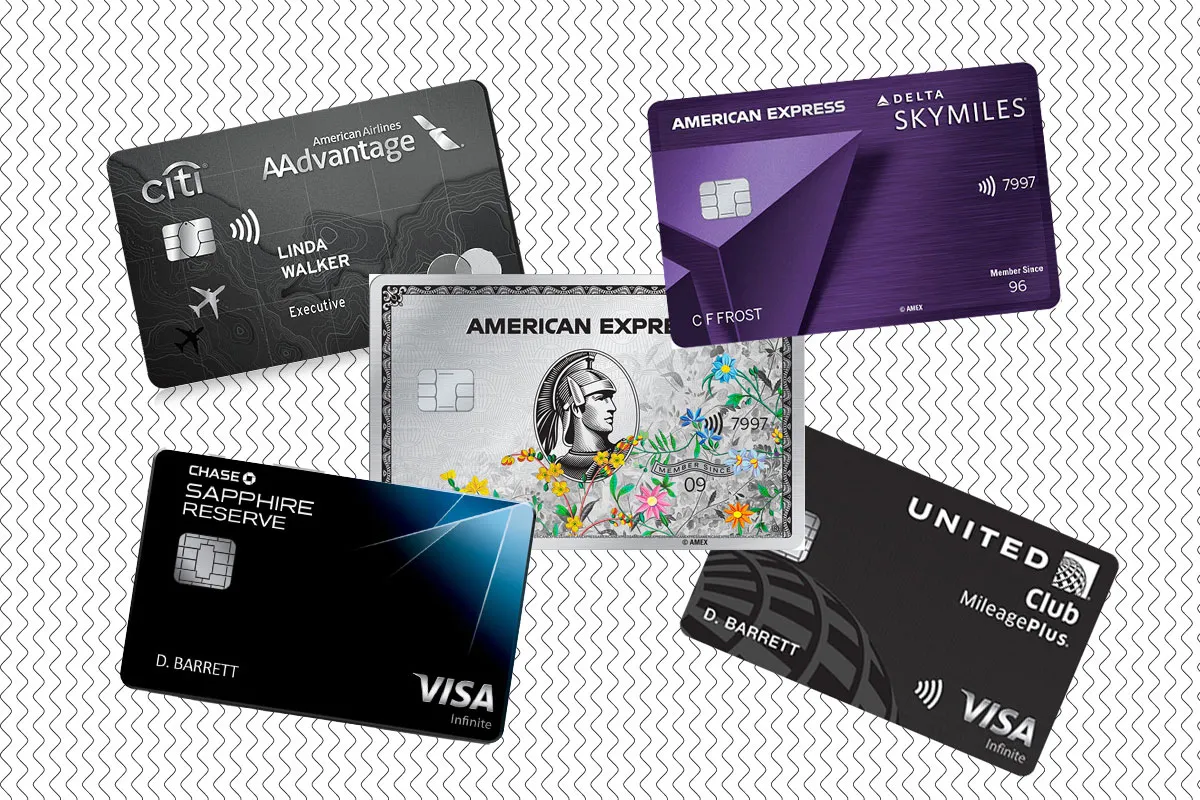
Conclusion: Your Personalized “Best” Credit Card
Ultimately, the “best” credit card to apply for is a personal discovery, not a universal truth. It requires introspection into your financial habits, a clear understanding of your credit profile, and diligent research into the myriad of options available.
Start by defining your financial goals – are you looking to build credit, maximize travel rewards, earn cash back, or consolidate debt? Assess your credit score and spending patterns. Then, meticulously compare cards within your chosen category, weighing annual fees against benefits, evaluating interest rates (if you carry a balance), and understanding the true value of rewards programs.
Remember, your financial situation and needs are dynamic. What’s “best” for you today might change in a few years. Periodically reassess your credit card portfolio to ensure it continues to serve your evolving financial landscape. By applying a strategic, informed, and disciplined approach, you can harness the power of credit cards to enhance your financial well-being and achieve your monetary goals.
aViewFromTheCave is a participant in the Amazon Services LLC Associates Program, an affiliate advertising program designed to provide a means for sites to earn advertising fees by advertising and linking to Amazon.com. Amazon, the Amazon logo, AmazonSupply, and the AmazonSupply logo are trademarks of Amazon.com, Inc. or its affiliates. As an Amazon Associate we earn affiliate commissions from qualifying purchases.